
A shift in diet or hormonal changes is why sweat smells different for most people. It’s usually safe to monitor these shifts for a few weeks before feeling concerned. You can perform a simple check by recording the foods you ate in the 24 hours before you noticed the change. If the scent persists despite hygiene improvements, consider if you have started any new medications or supplements recently.
Why sweat smells different suddenly

When you notice a change in your scent, it’s often tied to how your body processes specific compounds or responds to internal fluctuations. This table helps you identify what might be happening based on the specific type of odor you notice.
| What you notice | What it usually means | What to do first |
|---|---|---|
| Ammonia-like scent | High protein intake | Reduce your protein intake |
| Fruity or sweet odor | Elevated blood sugar | Check your blood glucose |
| Bleach-like smell | Liver processing stress | Increase your water intake |
| Sour or vinegary scent | High stress levels | Practice deep breathing |
| Rotting or fishy smell | Trimethylaminuria or infection | See a primary doctor |
| Metallic odor | Iron supplement use | Check your vitamin levels |
Most people mistake these shifts for poor hygiene and increase their scrubbing, which only strips the skin of beneficial bacteria. If you scrub harder, you often trigger more oil production, which feeds the very odor-causing bacteria you’re trying to remove.
If the scent change persists for more than 72 hours despite dietary adjustments, treat it as a clinical signal rather than a grooming issue. If the odor is accompanied by sudden, unexplained weight loss or night sweats, consult a physician. These symptoms combined suggest a metabolic shift that requires professional blood work to rule out endocrine imbalances.
The role of diet and hydration
What you eat directly changes the chemical composition of your perspiration. Foods like garlic, onions, and cruciferous vegetables contain sulfur compounds that your body releases through your pores during digestion. If you notice a pungent smell after eating these, it’s simply your body processing those specific ingredients.
To confirm this, track your meals for three days. If the smell fades after you stop eating those specific foods, the diet is the cause. If you’re eating a high-protein diet, your body may produce more ammonia as it breaks down amino acids. Many people mistake this for poor hygiene, but it’s actually a metabolic byproduct.
For a standard healthy adult, drinking 2 to 3 liters of water daily helps flush these compounds more efficiently. If you’re physically active or live in a hot climate, increase this amount by 500 milliliters to account for fluid loss.
The sign it worked is a return to your normal baseline scent within 48 hours of changing your diet. If the odor remains strong despite these adjustments, the cause is likely internal rather than dietary. In these cases, consult a physician to rule out metabolic conditions or hormonal imbalances that require medical intervention rather than simple lifestyle shifts.
Hormonal shifts and metabolic changes

Hormones significantly affect how your apocrine glands produce sweat. During puberty, pregnancy, or menopause, the chemical balance of your skin changes, which alters how bacteria on your skin break down your sweat. This is a natural process as your body adjusts to new hormone levels.
You can tell this is hormonal if the change happens in cycles, such as during your menstrual period or times of high stress. When you’re stressed, your body activates the apocrine glands, which secrete a thicker, protein-rich fluid that bacteria find more attractive than the watery sweat from your eccrine glands. If you’re wondering if this is the cause, check if your stress levels correlate with the timing of the odor.
The fix involves using an antiperspirant with aluminum chloride, which temporarily blocks the sweat ducts. This is different from deodorant, which only masks the smell. If you find that stress is the primary trigger, a clinical review by the National Institutes of Health confirms that managing sweat production effectively reduces the bacterial breakdown that causes odor.
External factors and medication
Sometimes the change comes from outside your body or from substances you ingest. Medications such as antidepressants, antibiotics, or even certain vitamins can be excreted through your sweat glands. This changes the way your skin flora reacts to your sweat, creating an unfamiliar scent.
To tell this apart from diet or hormones, look at your medication list. If you started a new prescription within the last month, that’s likely the source. You can confirm this by consulting your pharmacist about the side effects of your current drugs. Never stop taking a prescribed medication without talking to your doctor first.
The fix is often as simple as bathing twice daily with an antibacterial soap to keep the bacterial count on your skin low. If the smell is caused by a medication you must take, your doctor might suggest a dosage adjustment or a different formula that doesn’t cause the same reaction. You’ll know this is working when the intensity of the odor decreases after a few days of consistent hygiene.
When to seek medical advice
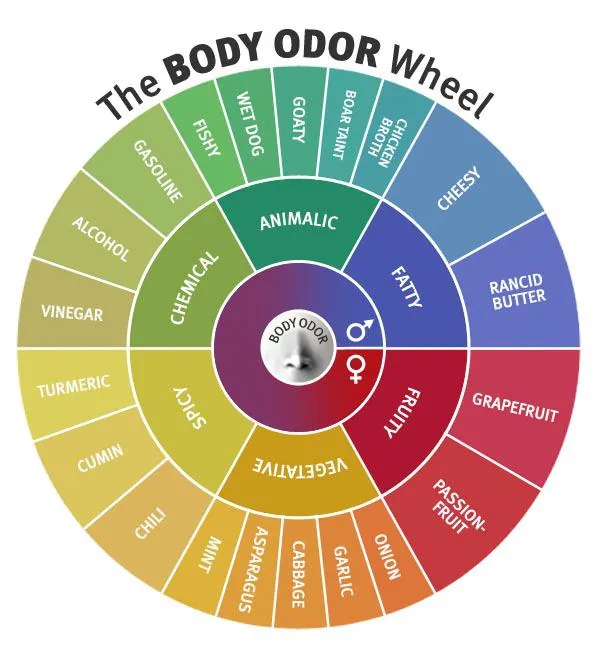
You should stop trying to manage this at home and see a professional if you notice persistent, unexplained changes. These signs indicate that the odor may be a symptom of an underlying medical condition:
A sudden, intense change in body odor that doesn’t respond to hygiene changes.
The smell is accompanied by a fever, night sweats, or unexplained weight loss.
Your skin shows signs of a rash, redness, or persistent irritation in sweaty areas.
The odor has a distinct, chemical quality that persists even after thorough washing.
This can be a sign of diabetic ketoacidosis, a life-threatening complication that requires immediate intervention. Many people mistake this for poor hygiene and waste time with extra showers, which masks the problem while blood sugar levels remain dangerously high.
If you experience these, consult your primary care physician. They can rule out metabolic disorders or infections that require specific medical treatment beyond basic hygiene.
Related guides
Frequently asked questions
Can stress cause my sweat to smell different?
Yes, stress causes your body to activate apocrine glands, which release a thicker, nutrient-dense fluid. When bacteria on your skin break down this specific fluid, it produces a stronger, more noticeable odor than the sweat produced during normal physical exertion.
How long does it take for diet to change my scent?
You’ll typically notice a change in your scent within 24 to 48 hours after consuming high-sulfur foods or significant amounts of protein. Once you stop eating those specific items, the scent usually returns to your baseline within another 48 hours as your system clears.
Is it safe to use clinical strength antiperspirants daily?
It’s safe for most people to use clinical-strength antiperspirants daily, provided you follow the instructions on the package. If you notice skin irritation or itching, reduce your usage to every other day or switch to a formula designed for sensitive skin to prevent contact dermatitis.
Does drinking more water stop body odor?
Drinking more water helps by diluting the concentration of waste products and sulfur compounds in your sweat. While it won’t stop the production of sweat, it ensures that your body isn’t overly concentrated with the compounds that lead to strong or unusual smells.
Why does my sweat smell like ammonia?
Sweat smelling like ammonia usually happens when your body burns protein for fuel instead of carbohydrates. This occurs if you’re on a very low-carb diet or if you’re exercising at a high intensity without enough caloric intake to support your activity level.
Does my age affect how my sweat smells?
Your age affects your scent because the chemical composition of your skin changes as you grow older. Research indicates that the production of 2-nonenal, a compound that increases with age, can contribute to a specific, distinct odor that’s different from the sweat of younger adults.
Conclusion
If these adjustments don’t make a difference, it’s a good idea to book an appointment with your doctor. They’ll help you rule out underlying health issues and provide peace of mind. You shouldn’t feel embarrassed to ask for professional advice; it’s the quickest way to get back to feeling like yourself again.