
You can fix a persistent septic tank smell by checking for a dry P-trap, a blocked plumbing vent, or a full tank that needs pumping. The most common cause is a dry drain trap in a guest bathroom or a basement floor drain that has lost its water seal. When the water evaporates, sewer gases flow straight into your home.
Why your septic tank smells

A foul scent often originates from the ventilation system or the tank itself. If your plumbing vents are clogged with leaves, bird nests, or debris, the air pressure in the pipes can’t equalize. This forces gas out through your sinks and toilets instead of up through the roof stack.
Another frequent cause involves the tank reaching its capacity. If solid waste builds up too high, it creates a blockage or forces gases back into the house pipes. Most systems require pumping every three to five years depending on the household size and usage.
If you notice a smell only when it rains, the issue is often related to atmospheric pressure changes or a saturated drain field. Dry weather allows the gas to dissipate, but heavy rain traps it inside the system.
A common mistake is assuming a smell inside the house always means the tank is full. If the odor is localized to a single drain, check the P-trap first. If the water has evaporated, the seal is broken, and sewer gas flows freely into your room. Simply running the faucet for a minute to refill the trap usually solves the problem instantly.
Check and prime your drain traps
You should start by checking every sink, tub, and floor drain in the house. A P-trap is the U-shaped pipe under your drain that holds a small amount of water to block gas. If you haven’t used a room in a while, the water inside this trap evaporates.
Pour two cups of water into every drain you rarely use, including basement floor drains and guest showers. If the smell goes away within an hour, the dry trap was the issue. If the smell returns quickly, check the seal around the drain flange or the pipe connection under the sink.
If you notice water leaking or the pipe is loose, you must tighten the slip nut by hand or replace the rubber washer. Never use harsh chemical drain openers on these pipes, as they can damage the seals or the tank’s natural bacteria balance.
Clear the roof plumbing vents
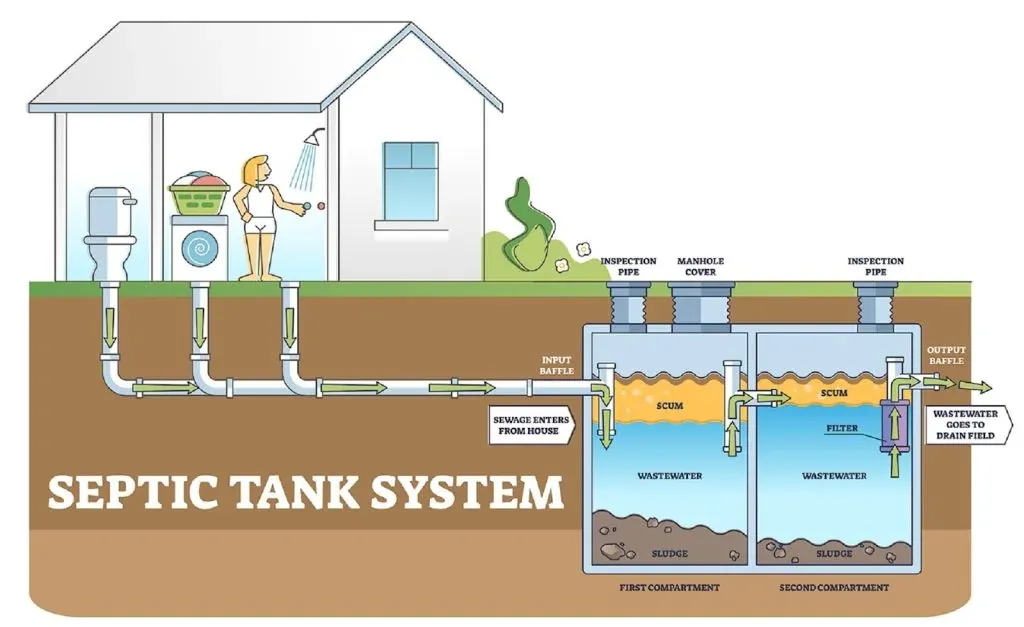
If the traps are full but the smell persists, the blockage is likely in your roof vent stack. This pipe allows air to enter the system so water flows smoothly. When it gets plugged by debris, the vacuum pulls water out of your traps and allows gas to enter.
You can inspect the vent from the ground using binoculars to look for nests or leaves. If you see a blockage, you can use a plumber’s snake from the roof to clear it. If you aren’t comfortable working on a roof, contact a licensed plumber to perform this service.
Falling from a roof carries a high risk of injury, so don’t attempt this if you lack the proper safety gear or experience. A clear vent will stop the gurgling sounds you might hear in your pipes when a toilet flushes.
Inspect the tank and drain field
If your vents and traps are clear, the issue may be a full tank or a failing drain field. A tank that’s completely full of sludge won’t allow waste to break down, which creates a strong, rotten-egg odor outside near the tank lids.
Check the depth of the sludge layer using a probe. If the solids occupy more than one-third of the tank’s total volume, consult a professional to determine if a pump-out is necessary. Waiting longer risks pushing raw solids into the drain field, which can permanently clog the soil pores and cost thousands in system replacement.
If the ground above your drain field is soggy or smells like sewage, the soil may be saturated. This is a significant issue that requires a professional septic inspector to evaluate the drainage capacity. They use specialized equipment to test the soil absorption and the tank’s liquid levels.
If the tank is full, you must hire a professional pumper to remove the solids. Don’t attempt to open the tank lid yourself. The gases inside can be lethal, and the weight of the concrete lid poses a crushing hazard.
Common odor myths
Pouring bleach down the drain kills the aerobic bacteria essential for waste decomposition. A single gallon can disrupt your septic ecosystem for weeks, leading to solids accumulating in the leach field and eventual system failure.
Masking odors with scented candles creates a dangerous sense of security. If you smell sewage, search for moisture around the base of your toilet or under sink cabinets first. A persistent scent often indicates a cracked vent pipe or a failing wax ring that requires immediate mechanical repair rather than air fresheners.
Adding store-bought yeast or enzyme cleaners is a common mistake that costs homeowners hundreds in unnecessary maintenance. These additives can’t dissolve grease or hair clogs. If your water drains slowly, skip the chemicals and use a mechanical snake instead.
Finally, never turn off the water to unused guest rooms. Water in the P-trap acts as a seal against sewer gas. If the water evaporates, gas enters your home unchecked.
Prevent future system odors
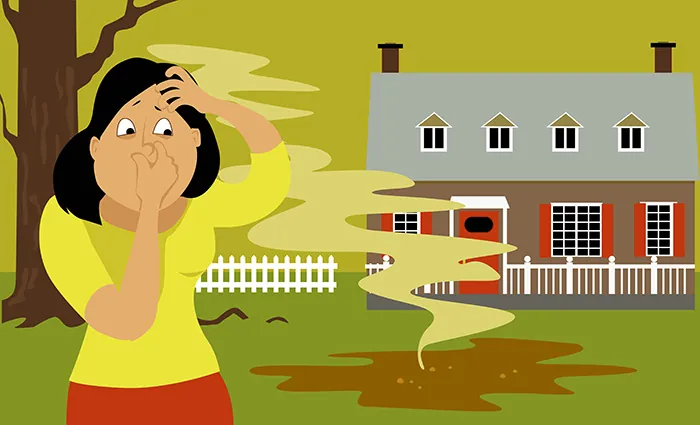
The best way to stop the smell is to keep your system balanced and clear. Regularly using every drain in the house ensures the water seals remain intact. If you have a guest bathroom or a basement sink that sits idle, run the faucet for thirty seconds at least once a month. This prevents the P-trap from drying out, which is the most common reason sewer gases escape into a home.
If you notice a drain slowing down, clean the P-trap immediately. Ignoring this buildup leads to sludge accumulation that eventually forces gas back through the vents. Never flush wipes or grease, as these materials create impermeable mats in the tank that no amount of bacteria can break down.
If you rely on chemical cleaners, stop. These products kill the essential bacteria required to decompose waste, leading to foul odors that persist regardless of how often you scrub. Instead, use hot water and mild soap. If your tank levels require professional pumping, schedule this based on your specific system capacity and household usage.
Related guides
- Dog Smells Like Fish From Back End: Causes and Solutions
- 7 Best Digital Picture Frames for Your Home Photo Display in 2026
Frequently asked questions
How often should a septic tank be pumped?
Most systems require periodic pumping. The exact timing depends on the size of your tank, the number of people living in your home, and the volume of water you use. You can check your local health department’s guidelines or the maintenance records from the previous owner to see when your system was last serviced.
Is it safe to smell septic gas?
No, it isn’t safe to breathe in concentrated sewer gas for long periods. These gases contain hydrogen sulfide, which is toxic at high levels and can cause headaches, nausea, or dizziness. If you smell a strong odor inside your home, open windows to ventilate the area immediately and contact a professional to find the source.
Why does the smell get worse when it rains?
The smell often increases during rain because the ground becomes saturated, which prevents the septic system’s drain field from absorbing water properly. This can cause the waste to back up or push gases back up through the vents. If this happens often, your drain field may be nearing the end of its functional life.
Can a toilet leak cause the smell?
Yes, if the wax ring seal at the base of the toilet is broken, sewer gases will escape into your bathroom. If you notice the toilet wobbles when you sit on it, the wax ring is likely compromised. You’ll need to remove the toilet, replace the wax ring, and bolt it down securely.
How do I know if my tank is full?
You know the tank is full if you see slow-draining sinks, gurgling sounds in your pipes, or lush green grass growing over the drain field. If you notice these signs, check the liquid level in the tank through the inspection port or call a professional to measure the sludge layer.
Conclusion
If the odor doesn’t fade after you’ve tried these simple fixes, it’s time to call a professional plumber. They’ll have the right tools to inspect your pipes for hidden cracks or deeper blockages. Don’t wait too long, as persistent gases shouldn’t be ignored. Getting an expert’s opinion will keep your home smelling fresh.