
To fix a room that smells bad, you should first identify the source of the odor and then clean or remove the contaminated item. Often, the most common cause is trapped moisture leading to mold growth or organic debris decaying in hidden corners. If you can smell a musty scent, check your carpets and curtains first, as these fabrics absorb odors more easily than hard surfaces.
Why your room smells
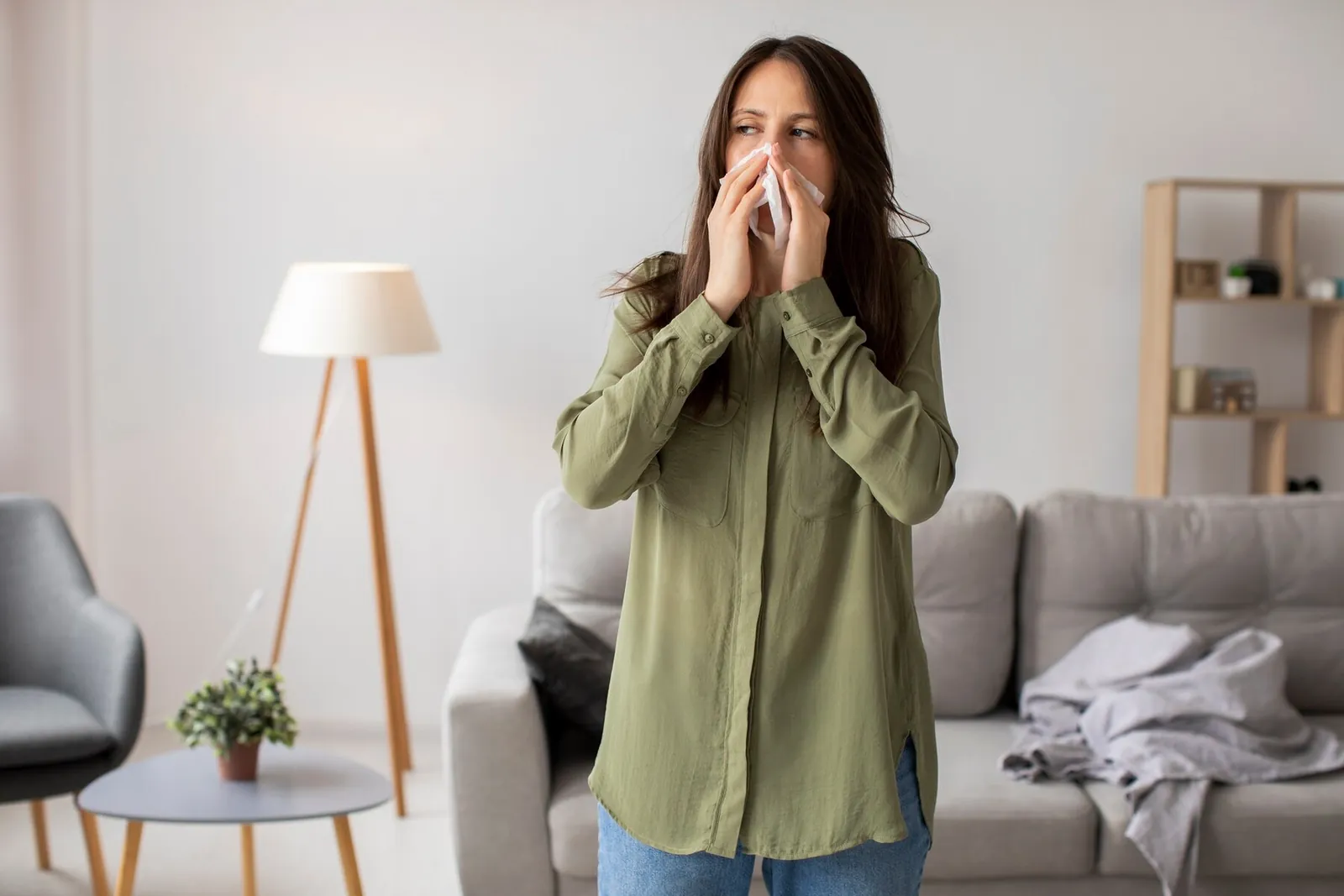
The main reason a space develops a persistent scent is poor ventilation combined with trapped particles. When air can’t circulate, odors from pets, cooking, or dampness settle into porous materials like upholstery, rugs, and drywall. Over time, these materials act like sponges, holding onto the smell even after you have cleaned the floor.
Another common cause is microbial growth. According to the United States Environmental Protection Agency, mold needs moisture to grow, and it often thrives in areas with high humidity or water leaks. If you don’t address the moisture, the smell will return regardless of how much air freshener you use.
A third cause is neglected waste, such as trash bins or organic matter stuck in floor drains. If you have a persistent, sour smell, check behind heavy furniture or inside vents where dust and debris often collect and decompose over several months.
Wash all soft fabrics thoroughly
You should prioritize cleaning all textiles because they hold onto scents longer than any other surface in your house. Take your curtains, throw blankets, and area rugs to a professional cleaner if they’re labeled as dry-clean only. If the items are machine washable, use a cup of white vinegar during the rinse cycle to help neutralize lingering odors.
This fix is for people who have already removed visible trash and cleaned the floors but still notice a stale scent. If you’re washing synthetic fabrics, use cold water to avoid setting the odor deeper into the fibers. For natural fibers like wool, use a gentle detergent and ensure they dry completely before putting them back.
If you notice a damp smell after washing, it means the item didn’t dry fast enough; you must use a fan or a dehumidifier to speed up the evaporation process. If the fabric remains damaged or smells like mildew despite a deep clean, it’s likely the mold has grown too deep and the item must be replaced.
Deep clean the hard surfaces
After the fabrics are fresh, you must address the floors and walls. Use a mixture of one part white vinegar and three parts water to wipe down non-porous surfaces like baseboards, windowsills, and hard floors. This acidic solution breaks down oils and bacteria that cling to these surfaces and release odors into the air.
If you have hardwood floors, don’t use excessive water, as it can seep into the cracks and cause the wood to warp or rot. Use a damp cloth instead of a soaking mop to ensure you’re only cleaning the surface.
If you find sticky residue, use a mild dish soap solution, but always follow up with a clean, dry towel. You’ll know this worked when the room no longer has a “tacky” feel to the touch. If the smell persists after cleaning, the odor might be trapped in the subfloor, which often requires professional sealing or floor replacement.
Use charcoal bags for persistent air
For odors that remain in the air, place activated charcoal bags in the corners of the room. Unlike sprays that mask smells with perfume, charcoal has a porous structure that traps odor molecules physically. This method is excellent for closets, small bedrooms, or areas where you can’t easily improve ventilation through open windows.
These bags work best when placed in areas with high airflow, such as near a doorway or under a ceiling fan. You should expect to see a noticeable change within 48 to 72 hours. This isn’t for large, open-plan spaces, as the charcoal is only effective in smaller, contained volumes of air.
If you’re dealing with a strong, chemical, or sewage-like smell, don’t rely on charcoal; contact a professional plumber or HVAC technician immediately, as these scents indicate a structural leak or gas issue.
Common mistakes to avoid
Using heavy floral sprays to mask odors only creates a cloying, chemical hybrid that signals a lack of sanitation. If you can smell the source, stop spraying and start scrubbing with an enzymatic cleaner to break down the organic compounds.
Leaving windows open in high-humidity climates invites airborne moisture that feeds existing colonies. If your local dew point consistently exceeds 60 degrees, keep windows sealed and run a dehumidifier to keep indoor air below 50% relative humidity.
Tossing damp gym clothes into a hamper creates a breeding ground for mildew within four hours. If you can’t wash them immediately, drape them over a drying rack to ensure airflow.
Painting over moldy drywall is a common mistake that costs double when the moisture trapped underneath forces the finish to bubble, peel, and eventually crumble within weeks.
How to stop it happening again
To keep your air fresh, you must manage humidity levels and maintain a strict cleaning schedule for all high-traffic areas.
If your home consistently smells musty despite regular cleaning, check your HVAC filter first. A clogged filter traps moisture and mold spores, recirculating them every time the fan kicks on. Replace these filters based on your specific usage and the recommendations found in your owner’s manual.
Closing interior doors creates stagnant pockets where air can’t circulate. Keep doors open to allow a constant cross-breeze. If you rely on scented candles to mask odors, stop immediately. These products merely layer fragrance over existing particles, often worsening the air quality. Instead, open windows for ten minutes each morning to flush out trapped pollutants.
Vacuum rugs weekly to remove skin cells and dust mites that feed mold. If you spot damp towels, move them to a sunny spot or an outdoor rack. Leaving them in a bathroom leads to mildew growth within 24 hours. When in doubt, prioritize airflow over masking agents.
Frequently asked questions
How long does it take for a room to stop smelling?
It typically takes 24 to 48 hours for a room to lose its odor once you have removed the source and cleaned the surfaces. If the smell remains after this time, check for hidden leaks or damp spots behind furniture.
Is it safe to use bleach on all surfaces?
No, bleach is only safe for non-porous surfaces like tile or sealed concrete and can damage wood or fabric. Always check the manufacturer’s care label on your furniture before applying any harsh chemicals to avoid permanent damage.
Why does my room smell like sweat?
Your room likely smells like sweat because of accumulated skin cells and body oils trapped in your mattress or carpet. Vacuuming your mattress and using a protective cover will stop this from returning.
Can I use baking soda for bad smells?
Yes, you can sprinkle baking soda on carpets, let it sit for two hours, and then vacuum it up to neutralize odors. This is safe for most rugs, but test a small, hidden corner first to ensure it doesn’t change the fabric color.
How often should I wash my curtains?
You should wash your curtains every three to six months to prevent the buildup of dust and household odors. If you live in a dusty area, you may need to vacuum them monthly to keep them fresh.
What happens if the smell is coming from the vents?
If the smell comes from your vents, it usually means there’s dust, mold, or debris inside the ductwork. You should hire a professional HVAC cleaner to inspect the system, as reaching deep into ducts isn’t a safe task for homeowners.
Conclusion
Keeping your room fresh is about removing the source of the smell rather than just covering it up. By focusing on deep cleaning your fabrics and managing the humidity in your home, you can ensure a clean and healthy environment for yourself.