
Bacteria and yeast buildup in the skin folds is the reason why nipples smell bad for most people. This issue is usually harmless and often relates to hygiene or sweat, but you should check for signs of infection if the odor is accompanied by discharge or pain. A quick wash with warm water and mild soap while showering is the most effective way to confirm if the smell is just surface-level.
Why your nipples might smell
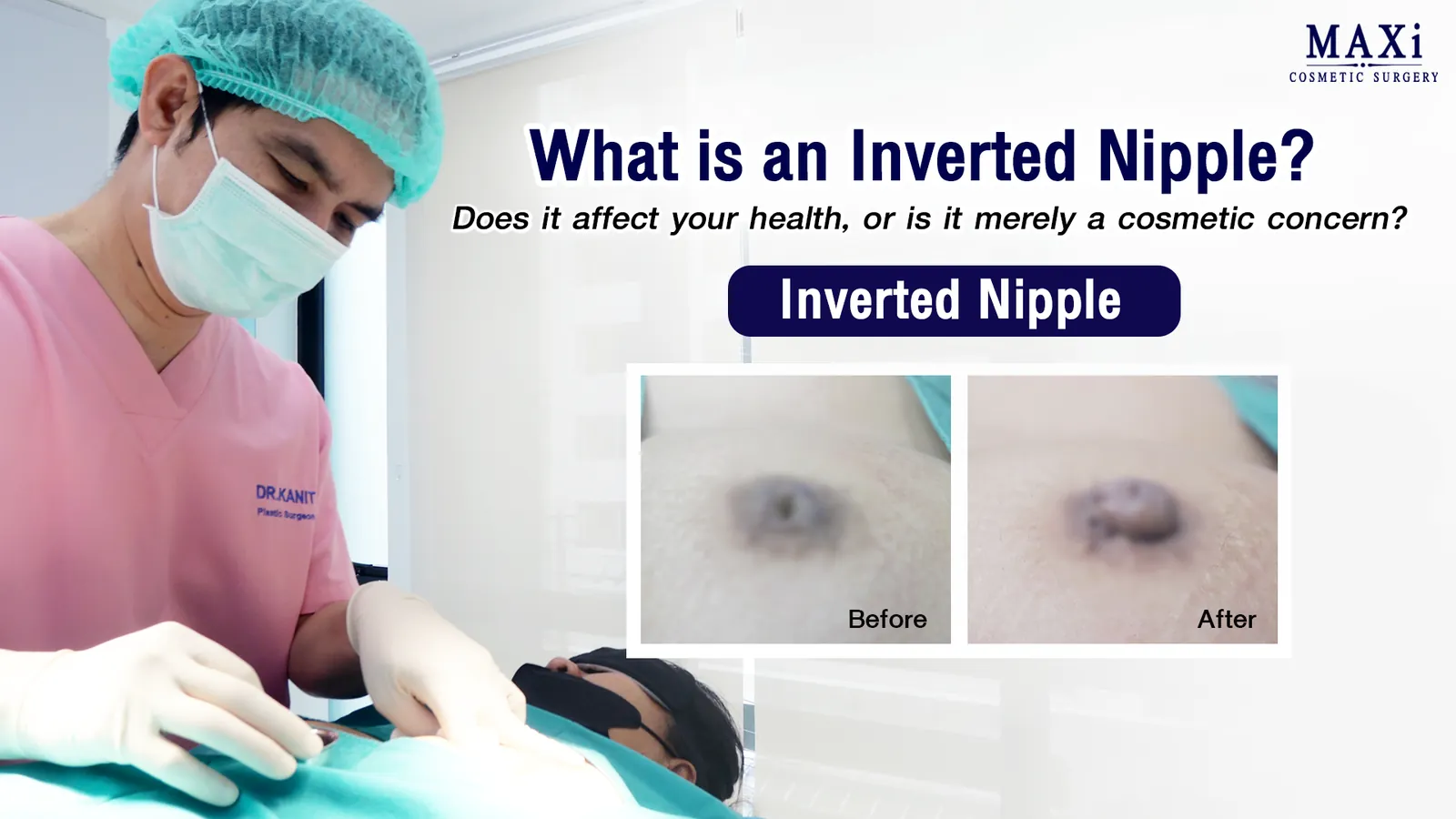
You can often determine the cause of the odor by observing your skin and symptoms. If the smell persists after daily cleaning, it may suggest a deeper issue rather than simple sweat accumulation.
| What you notice | What it usually means | What to do first |
|---|---|---|
| White or cheesy debris | Normal skin buildup | Wash with mild soap |
| Red, itchy skin | Yeast infection | Keep area dry |
| Thick, yellow discharge | Bacterial infection | See a doctor |
| Strong, sour smell | Excessive sweating | Use moisture-wicking fabric |
| Crusting or scabbing | Irritation from clothing | Wear loose garments |
| Painful, warm lump | Abscess or cyst | Apply warm compress |
Distinguishing between these causes requires checking for systemic symptoms. If you notice a fever or spreading redness, the issue has likely moved beyond a surface-level irritation and requires professional medical intervention.
Many people mistakenly scrub the area with harsh soaps when they detect a persistent odor. This strips away natural oils, which often triggers the skin to produce even more moisture and bacteria. If the area feels tender to the touch, stop using all scented products immediately.
Switch to a pH-balanced, fragrance-free cleanser to see if the irritation subsides within 48 hours. If the smell remains unchanged after two days of gentle care, consult a dermatologist to rule out chronic conditions like hidradenitis suppurativa.
Trapped moisture and skin debris
The primary cause of odor is the accumulation of sweat, oil, and dead skin cells in the natural creases around the areola. Because this area stays warm and covered, it becomes a perfect environment for bacteria to multiply. If you’re active or live in a humid climate, this happens much faster than it would for someone in a cooler, drier environment.
To confirm if this is the cause, gently clean the area with a washcloth and fragrance-free soap. If the smell disappears after a thorough wash and remains gone for at least 24 hours with regular hygiene, the issue is likely just trapped moisture.
The best fix is to ensure the area is completely dry after every shower. If you have large breasts, wearing a supportive, breathable bra can help reduce skin-on-skin contact. If the odor returns within a few hours of washing despite using mild soap, it may indicate a more persistent bacterial or fungal presence that requires medical attention.
Yeast and fungal overgrowth
A common reason for a sharp or sour odor is an overgrowth of Candida, a type of yeast that thrives in warm, moist areas of the body. You’re more likely to experience this if you have recently taken antibiotics or have high blood sugar levels.
You can usually tell this apart from simple sweat because it often comes with intense itching or a bright red rash that doesn’t go away with regular washing. If you notice a rash or small bumps, stop using scented lotions, as these can make the irritation worse. If the condition doesn’t improve within three days of keeping the area clean and dry, consult a healthcare provider. They may prescribe an antifungal cream to clear the infection.
Skin irritation and contact dermatitis
Sometimes the smell isn’t an infection but the result of the skin reacting to products or fabrics. If you recently changed your laundry detergent, soap, or body lotion, your skin might be irritated and producing more oil than usual. This extra oil creates a distinct, often chemical-like odor as it breaks down on the skin surface.
To tell this apart from an infection, look for signs of a reaction like hives, swelling, or dry, flaky patches. If you suspect a product is the cause, stop using it immediately and switch to a hypoallergenic, fragrance-free alternative for at least one week.
If the skin heals and the odor fades, you have found the culprit. If the skin remains inflamed or the smell becomes foul, don’t continue trying home remedies. This is the point where you should seek professional advice to rule out contact dermatitis or a secondary infection.
When to seek professional medical help

You should stop trying to treat this at home if you notice signs that the issue has moved beyond simple surface hygiene. See a doctor if you experience any of the following:
- Persistent, thick, or colored discharge from the nipple that doesn’t stop after a few days of cleaning.
- A hard, painful lump under the skin that feels warm to the touch, which may indicate an abscess.
- A rash that spreads rapidly or develops blisters, as this requires specific medication.
- Unexplained fever or chills alongside the odor, which can be a sign of a systemic infection.
If you have these symptoms, don’t attempt to drain or squeeze any lumps. Squeezing forces bacteria deeper into your tissue and can turn a localized issue into a systemic infection requiring intravenous antibiotics.
If your symptoms remain unchanged after seven days of consistent home care, schedule an appointment. A doctor can perform a physical exam to determine if you need prescription-strength topical agents or oral antibiotics. If you have a history of diabetes or a compromised immune system, don’t wait for the seven-day mark. Seek professional care at the first sign of redness or swelling to prevent rapid progression.
Related guides
- Can You Cut MDF With a Table Saw: Tips for Clean Results in 2026
- How to Use Mineral Spirits on Wood for Cleaning and Prep in 2026
- How to Clean Acrylic Paint Brushes: A Simple Step-by-Step Guide in 2026
Frequently asked questions
Can poor hygiene cause nipple odor?
Yes, poor hygiene is a frequent cause because sweat and dead skin cells get trapped in the folds around the nipple. Washing the area daily with mild soap and water usually resolves the issue. If the odor continues despite daily cleaning, it’s likely due to an underlying infection rather than simple hygiene.
Is it safe to use deodorant on nipples?
No, it isn’t recommended to use standard deodorant or antiperspirant on your nipples. These products contain chemicals meant for the underarms and can cause severe irritation or allergic reactions on the sensitive skin of the breast. Stick to gentle, fragrance-free cleansing to manage odor safely.
How long does an infection take to clear?
Most minor fungal or bacterial skin issues show signs of improvement within three to five days of proper treatment. If you don’t see any change after five days of keeping the area clean, dry, and using any recommended creams, you should contact a healthcare provider for a different approach.
Does diet change how nipples smell?
Yes, your diet can influence your body odor, including the scent of your skin in areas where you sweat. Foods with strong odors like garlic, onions, or heavy spices can change the composition of your sweat. If you notice a change, track your diet for a week to see if it correlates.
Why do my nipples smell like cheese?
The cheesy smell is typically caused by the buildup of sebum, which is a natural skin oil, mixed with dead skin cells. This mixture creates a breeding ground for bacteria that produce a strong, sour odor. Proper daily washing and drying the area completely after bathing will usually stop this.
Does breast size affect nipple odor?
Yes, having larger breasts can increase the risk of odor because it creates more skin-on-skin contact and traps heat and moisture. This environment makes it easier for bacteria to grow compared to smaller breast sizes. Wearing moisture-wicking fabrics and changing your bra daily can help manage this significantly.
Conclusion
Maintaining consistent hygiene and keeping the area dry is the best way to prevent odors from returning. If you have tried these steps and the smell persists or worsens, consult a doctor to ensure there’s no hidden infection that requires medical treatment.