
You can fix a drain smells bad situation by pouring one cup of baking soda followed by one cup of white vinegar down the opening. This reaction creates a bubbling foam that can help mechanically dislodge loose debris inside the pipe. The most common cause is a dry P-trap, which allows sewer gases to enter your home because the water seal has evaporated.
Why your drain smells
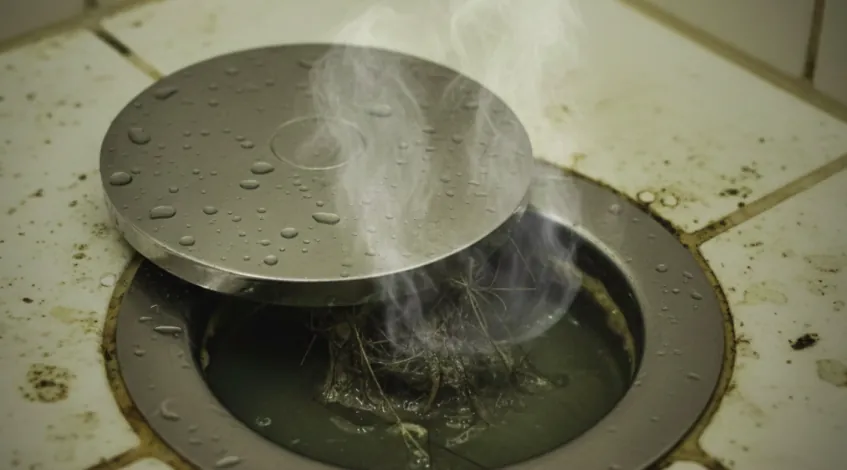
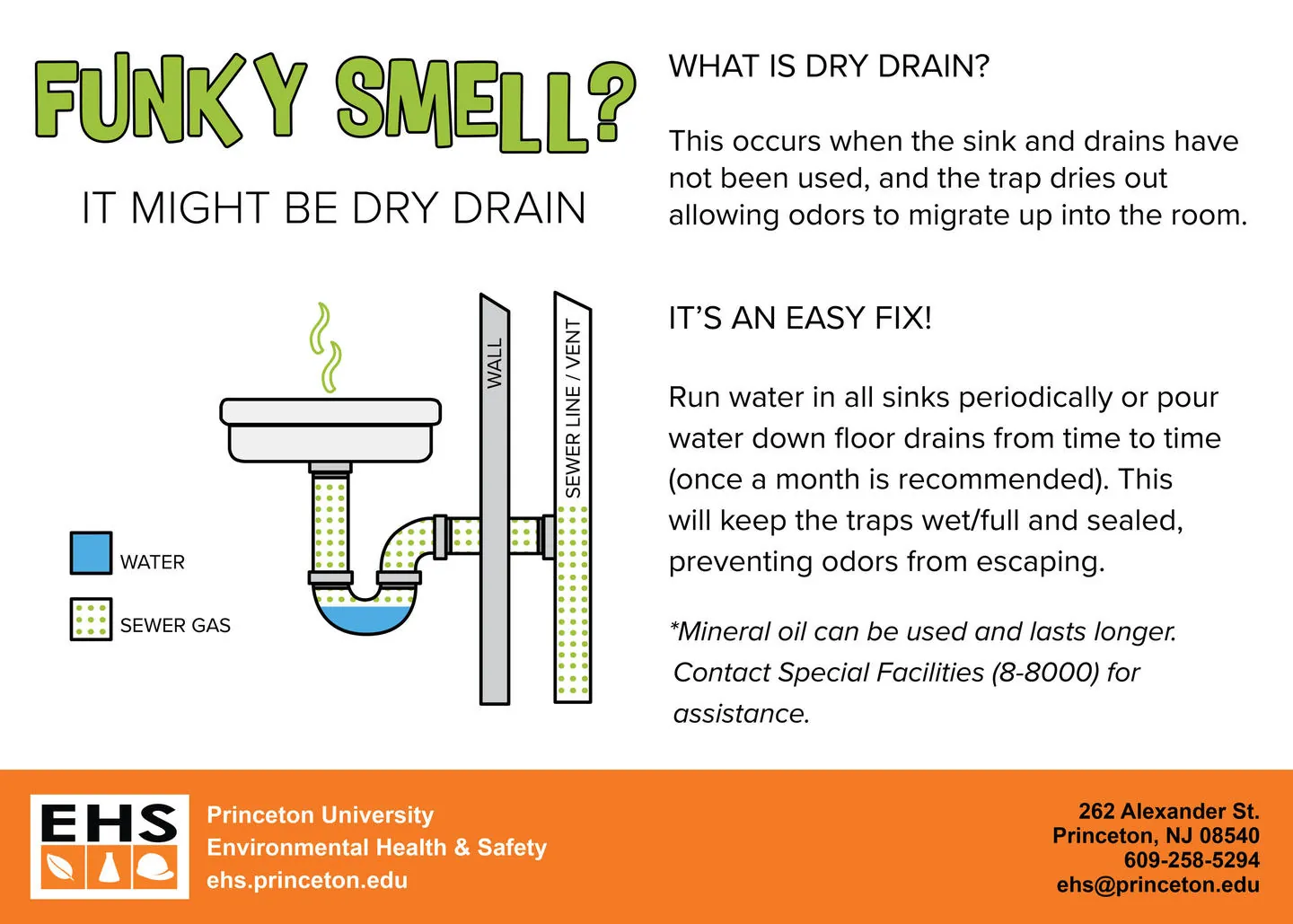
A persistent bad smell usually comes from the P-trap, which is the U-shaped pipe under your sink. This trap is designed to hold a small amount of water that blocks sewer gases from traveling back up the pipe into your living space. If you haven’t used a specific sink for several weeks, the water in this trap can evaporate completely. Once the seal is gone, the air from the sewer line flows freely into your home.
Another common cause is the buildup of organic matter such as hair, soap scum, and food particles inside the drain pipe. These materials trap bacteria, which then decay and release foul-smelling gases like hydrogen sulfide. If you notice the smell only when the water is running, the buildup is likely stuck to the walls of the pipe.
You can check the Environmental Protection Agency guidance on indoor air quality for information on how proper ventilation and clean plumbing systems protect your indoor environment. If the smell is constant, the issue is almost certainly a dry trap or a damaged vent pipe outside your house.
Clear the P-trap manually
If the baking soda method fails, you must remove the P-trap to clean it by hand. Place a bucket underneath the pipe to catch the standing water before you unscrew the slip nuts. Once you remove the U-shaped section, use a stiff brush to scrub the inner walls of the pipe to remove any black slime or debris. This manual cleaning is the only way to remove large blockages that chemical cleaners can’t touch.
You should wear rubber gloves and eye protection during this process to avoid contact with stagnant water or bacteria. If the pipe is made of thin plastic, be careful not to overtighten the nuts when you put it back together, as this can crack the threads.
If you find that the slip nuts are rusted or the plastic is brittle, you should replace the entire trap assembly. If you’re uncomfortable working with plumbing tools, call a licensed plumber to avoid causing a leak that could damage your cabinetry.
Flush the pipes with hot water
A regular flush of hot water helps prevent grease from hardening inside your drainage system. Pour two quarts of hot tap water slowly into the drain in two separate stages. The heat melts the fats and oils that often serve as a base for smelly bacteria. This is most effective if you do it once every two weeks as part of your regular home maintenance routine.
If you have older metal pipes, don’t use boiling water because it can damage joints or weaken the seals. Use hot tap water instead. If you have PVC pipes, boiling water is generally safe, but you should pour it directly into the drain opening rather than splashing it onto the sink basin. If the smell remains after two or three flushes, the blockage is likely deeper in the wall, and you’ll need a plumber’s snake to clear the obstruction.
Replace the vent pipe seal
If the smell persists despite cleaning the drain, the problem might be a blocked or broken roof vent. Plumbing systems require a vent pipe that goes through the roof to allow air to escape and prevent vacuum pressure from pulling water out of your traps. If this vent is clogged with leaves or bird nests, the pressure in the pipes will force sewer gas out through your sink drains.
Checking the roof vent requires climbing onto your house, which carries a significant risk of falling. If you aren’t confident working at heights or don’t have the proper safety equipment, hire a professional roofing contractor or a plumber. They have the tools to clear the vent from above without damaging your shingles or flashing. Don’t attempt this if it’s windy or if your roof is steep, as the risk of injury is very high.
Avoid ineffective cleaning methods
- Using harsh bleach can damage your pipe seals and cause chemical burns if it splashes back.
- Pouring large amounts of commercial drain cleaner often causes more harm than good by corroding older metal pipes.
- Covering the drain with tape or plastic doesn’t fix the underlying gas leak and only hides the symptom.
- Using a plunger on a slow drain can sometimes force the blockage further down, making it harder to reach.
Maintain your drainage system
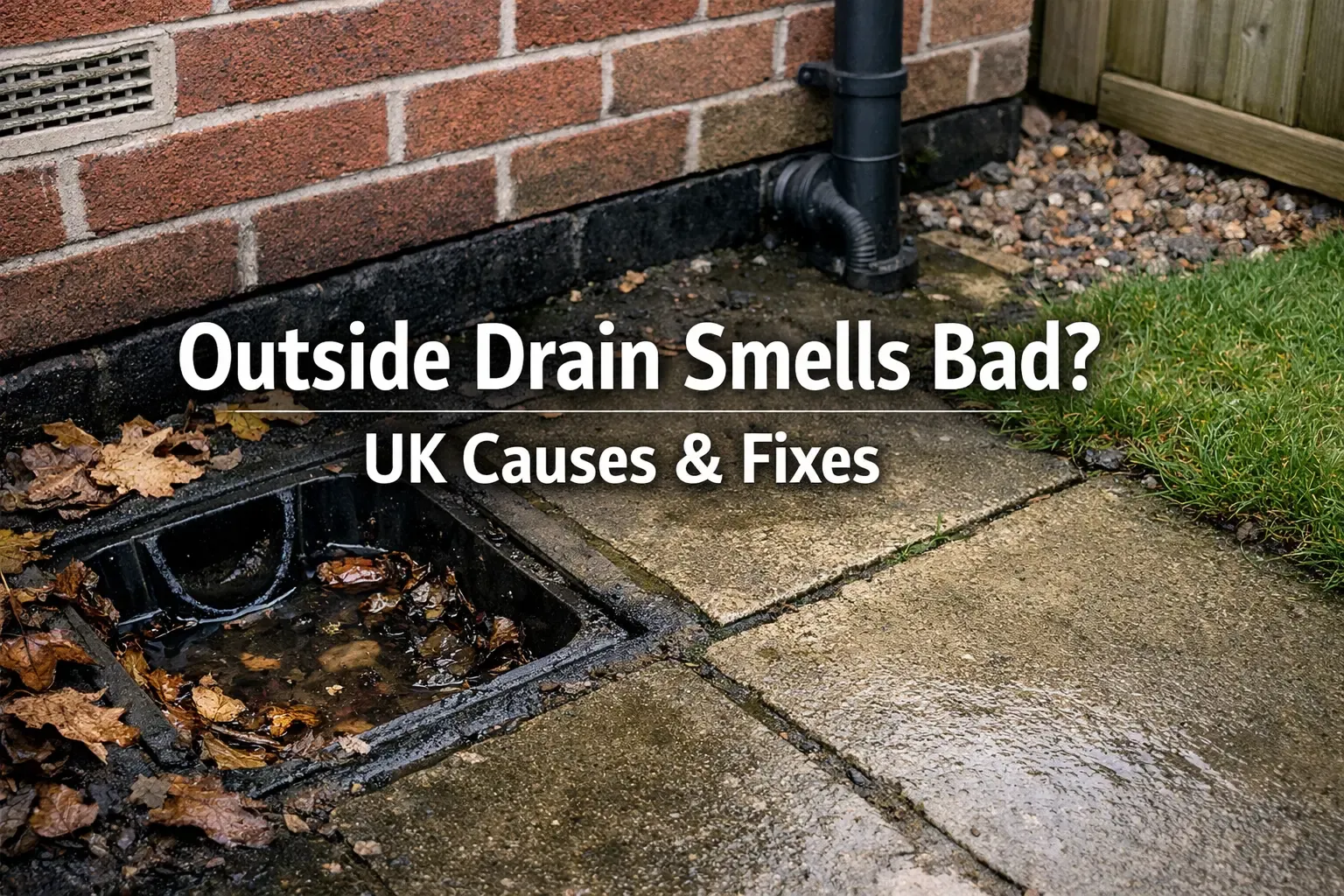
If you notice a smell, you should act quickly to prevent the buildup from becoming a solid clog. Use the table below to compare your current habits with better maintenance practices to keep your pipes clear and odor-free.
| If you’re doing this | Do this instead | Why |
|---|---|---|
| Pouring grease down the sink | Pour grease into a jar | Grease hardens and traps debris |
| Ignoring a slow drain | Clean the stopper and trap | Slow flow indicates early buildup |
| Using chemical cleaners weekly | Use hot water and vinegar | Chemicals degrade pipe seals over time |
| Leaving guest sinks unused | Run water for 10 seconds weekly | Fresh water keeps the trap seal full |
Related guides
Frequently asked questions
Can a drain smell make you sick?
Yes, breathing high concentrations of sewer gas over a long period can cause headaches, nausea, or dizziness. While a small amount of gas from a dry trap is rarely dangerous in a well-ventilated home, you should always address the source of the smell immediately. If you feel ill or notice a strong smell throughout your entire house, open your windows and contact a professional plumber right away.
How often should I clean my drains?
You should perform a maintenance flush every two weeks to prevent organic matter from settling in the pipes. If you live in a home with hard water or a large family, you might need to clean the P-trap manually every six months. The frequency depends on how much hair and soap scum enters your system, so adjust your schedule based on the speed of your water drainage.
Is it safe to use a snake on my pipes?
Yes, using a plastic or metal snake is safe if you’re gentle and don’t force the tool against pipe joints. You should only use a snake if you’re certain the clog is within reach of the tool’s length. If you meet heavy resistance, stop immediately to avoid puncturing the pipe wall, as this will lead to expensive water damage behind your walls.
Why does my drain smell like rotten eggs?
The rotten egg smell is hydrogen sulfide, which is a byproduct of decaying organic material trapped in your drain. This gas is common in sinks that haven’t been used recently or in pipes with heavy hair and soap buildup. You can usually clear this by removing the P-trap and cleaning out the debris that’s trapped inside the U-shaped pipe.
How long does it take to fix a smell?
Most basic smells caused by a dry trap or light buildup take about 15 minutes to resolve. If you need to remove the P-trap or clear a deeper blockage with a snake, you should allow at least one hour for the task. The time varies based on the accessibility of your plumbing and the amount of debris you find inside the pipes.
What happens if I ignore the smell?
If you ignore the smell, the organic buildup will eventually harden into a solid clog that stops water from passing through entirely. This can cause the drain to back up, leading to water damage in your home and a much higher repair cost. A small smell is a warning sign that your drainage system needs a simple cleaning before it becomes a major plumbing emergency.
Conclusion
If these steps don’t clear the odor, you should contact a licensed plumber to inspect your home’s main sewer line. A persistent smell can sometimes indicate a broken pipe or a foundation issue that a simple household cleaning can’t fix. Don’t hesitate to call for professional help if you notice standing water or wet spots near your pipes, as these are signs of a leak that requires immediate attention.