
You can fix garbage disposal smells by scrubbing the underside of the rubber splash guard and the interior baffle with a long-handled brush and dish soap. The most common cause of these odors is decaying food particles trapped in the folds of the rubber seal or stuck to the underside of the sink flange. Once these organic materials begin to break down, bacteria consume the matter and release foul-smelling gases into your kitchen.
Why garbage disposal smells develop
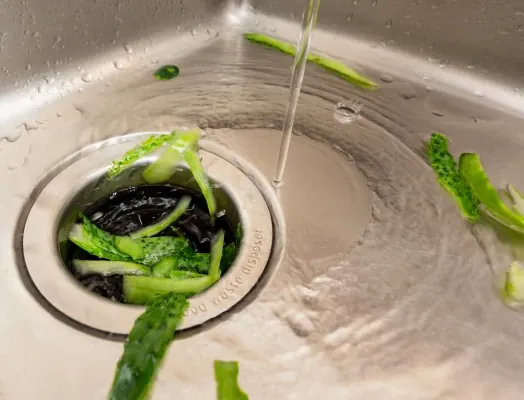
The primary reason for these smells is the accumulation of food debris in areas the grinding blades can’t reach. While the disposal unit itself grinds waste, it doesn’t clean the walls of the chamber or the splash guard.
Grease, starch, and small bits of vegetable matter cling to these surfaces, creating a breeding ground for odor-causing bacteria. According to the Environmental Protection Agency, preventing food waste from decomposing in your home is essential for maintaining a clean and sanitary kitchen environment.
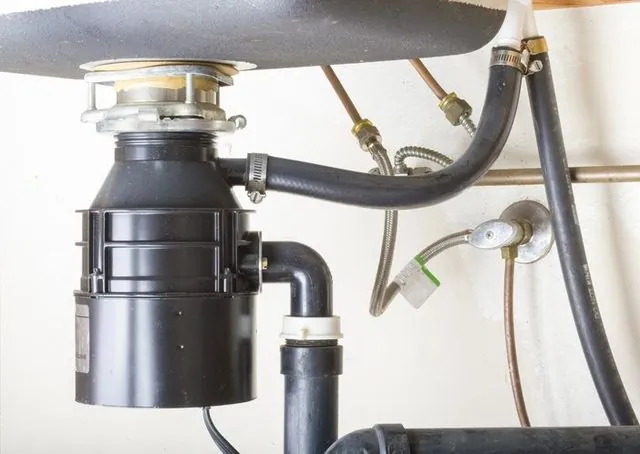
Another factor is the lack of airflow within the pipe system. If the disposal isn’t flushed with enough water during operation, solids remain in the trap, leading to stagnant water that smells like sewage. If you notice the smell persists after cleaning the splash guard, the issue likely resides deeper in the drain pipe or the P-trap where waste has settled.
Scrub the splash guard and flange
To clean the splash guard, you need a stiff-bristled brush and a mixture of grease-cutting dish soap and warm water. Start by turning off the power to the disposal at the wall switch or the circuit breaker to ensure your safety. Lift the flaps of the rubber splash guard and scrub the underside of each flap thoroughly, as this is where most food residue hides.
After cleaning the flaps, use the brush to scrub the rim of the sink flange where the disposal meets the basin. This area often collects a layer of slime that traps odors.
Once you have scrubbed all surfaces, rinse the area with hot water and run the disposal for 15 seconds to clear any dislodged debris into the drain. This method is ideal for anyone who notices a smell immediately after running the unit. If the smell returns within a day, you may have a clog further down the line that requires a professional plumber to inspect.
Refresh the grinding chamber
A simple way to neutralize lingering odors is to grind citrus peels or ice cubes. Place two cups of ice cubes into the disposal, followed by a handful of coarse salt. Turn on the cold water and run the disposal until the ice is completely crushed. The ice acts as a mild abrasive that scrapes the sides of the grinding chamber, while the salt helps to scrub away stubborn grease.
Follow this by feeding a few lemon or orange peels into the unit while it’s running. The natural oils in the citrus peels provide a temporary fresh scent. This technique is best for routine maintenance rather than deep cleaning.
If you have a sensitive plumbing system or are using an older septic tank, avoid putting large amounts of fibrous peels into the unit, as they can occasionally cause blockages. Always check your manufacturer’s manual to see if your specific model has restrictions on what materials it can grind.
Deep clean the drain system
If the smell is coming from deep within the pipes, you should use a mixture of baking soda and vinegar. Pour half a cup of baking soda into the disposal, followed by half a cup of white vinegar. Let the mixture fizz for 10 minutes to help break down organic buildup in the trap. After the time passes, flush the drain with a kettle of boiling water to clear away the loosened waste.
This method works well for mild pipe odors, but it won’t clear a hard blockage. If your sink drains slowly or the smell is constant, you might need a drain snake to remove physical obstructions.
If you have never used a plumbing snake, consider calling a professional to avoid damaging your pipes or causing a leak under the sink. Never use harsh chemical drain cleaners in a garbage disposal, as these can corrode the metal components and damage the internal rubber seals of your unit.
Common mistakes that worsen odors
- Running the disposal without enough water: Using only a trickle of water allows food to sit in the pipe instead of being pushed through the main sewer line.
- Grinding fibrous vegetables: Starchy or stringy items like celery or potato peels can wrap around the blades, preventing them from spinning freely and leaving food to rot.
- Pouring grease down the drain: Liquid fat solidifies as it cools, creating a sticky trap that catches other food scraps and seals in bacteria.
- Using bleach to clean the unit: Harsh chemicals can damage the plastic and rubber parts of your disposal while providing only a short-term scent mask.
Prevent smells from returning
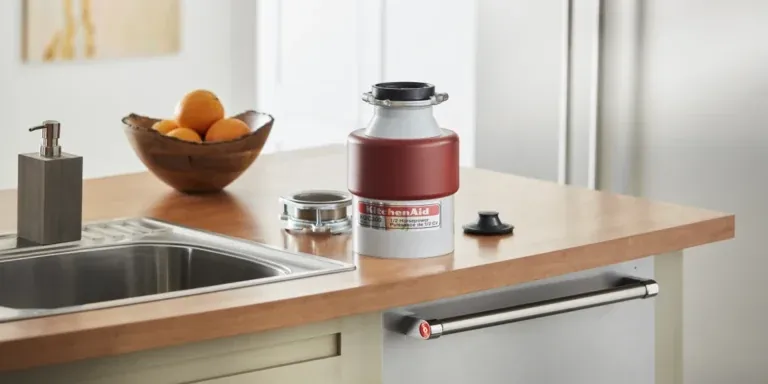
To keep your sink smelling fresh, you must change how you manage the waste entering the disposal. The goal is to ensure the unit stays clean and empty after every use, rather than relying on heavy cleaning products later.
| If you’re doing this | Do this instead | Why |
|---|---|---|
| Turning the unit off immediately | Run water for 30 seconds | Flushes all waste into the pipe |
| Pouring cooking oil down | Wipe pans with a paper towel | Prevents fat from coating pipes |
| Grinding large food chunks | Cut food into small pieces | Reduces strain on the motor |
| Using chemical cleaners | Use ice and coarse salt | Cleans surfaces without damage |
Related guides
- How to Clean Acrylic Paint Brushes: A Simple Step-by-Step Guide in 2026
- How to Seal Burnt Wood: Step-by-Step Guide for a Clean Finish in 2026
- How to Clean Polyurethane Brush: The Best Solvent Methods in 2026
Frequently asked questions
Can I use bleach to clean my garbage disposal?
No, you should avoid using bleach because it can damage the rubber gaskets and plastic components inside the disposal. Bleach also fails to remove the physical buildup of food particles that cause the smell. Stick to mild dish soap, baking soda, and vinegar to keep the unit clean without risking damage to the internal parts of the machine.
Why does my sink smell like rotten eggs?
The smell of rotten eggs usually indicates that organic waste is trapped in the P-trap or the disposal chamber and is decomposing. This process produces hydrogen sulfide gas, which is common in stagnant drains. You can often resolve this by flushing the drain with boiling water and baking soda to clear the trapped material and bacteria.
How often should I clean my garbage disposal?
You should perform a deep clean at least once every two weeks to prevent buildup. If you use your disposal daily for heavy cooking, you may need to clean it once a week. Keeping up with this schedule prevents the accumulation of grease and food residue that leads to persistent, hard-to-remove odors in your kitchen sink.
Is it safe to put coffee grounds in the disposal?
No, you shouldn’t put coffee grounds in the disposal because they can accumulate in the pipes and create a thick sludge. While they might seem like a good way to scrub the blades, the grounds eventually settle in the P-trap and cause slow drainage. It’s better to compost coffee grounds or throw them in the trash.
How long does a garbage disposal last?
A typical garbage disposal lasts for a long period with regular use and proper maintenance. The exact lifespan depends on how often you run the unit and the types of food you put through it. If your disposal begins to leak or makes a loud grinding noise, it may be reaching the end of its functional life.
What happens if I put silverware in the disposal?
If you accidentally drop silverware into the disposal, it will likely jam the blades and cause the motor to hum or stop running. Most modern units have an automatic overload protector that shuts the power off to prevent motor burnout. If this happens, unplug the unit and use a wrench to manually turn the blades from below to clear the obstruction.
Conclusion
Keeping your sink fresh doesn’t have to be a chore if you make it a habit. Try tossing a few lemon peels into the drain once a week to maintain a pleasant scent. You’ll find that a little consistent care goes a long way toward keeping your kitchen smelling clean and inviting.