
A buildup of cerumen, or earwax, trapped against dead skin cells is the most common reason you might notice that an ear smells bad. This is usually not an emergency, but you should avoid poking inside the canal with cotton swabs. You can confirm this cause by gently pulling on your earlobe; if the smell becomes more noticeable, it’s likely coming from the outer ear or the canal opening.
What your ear is telling you
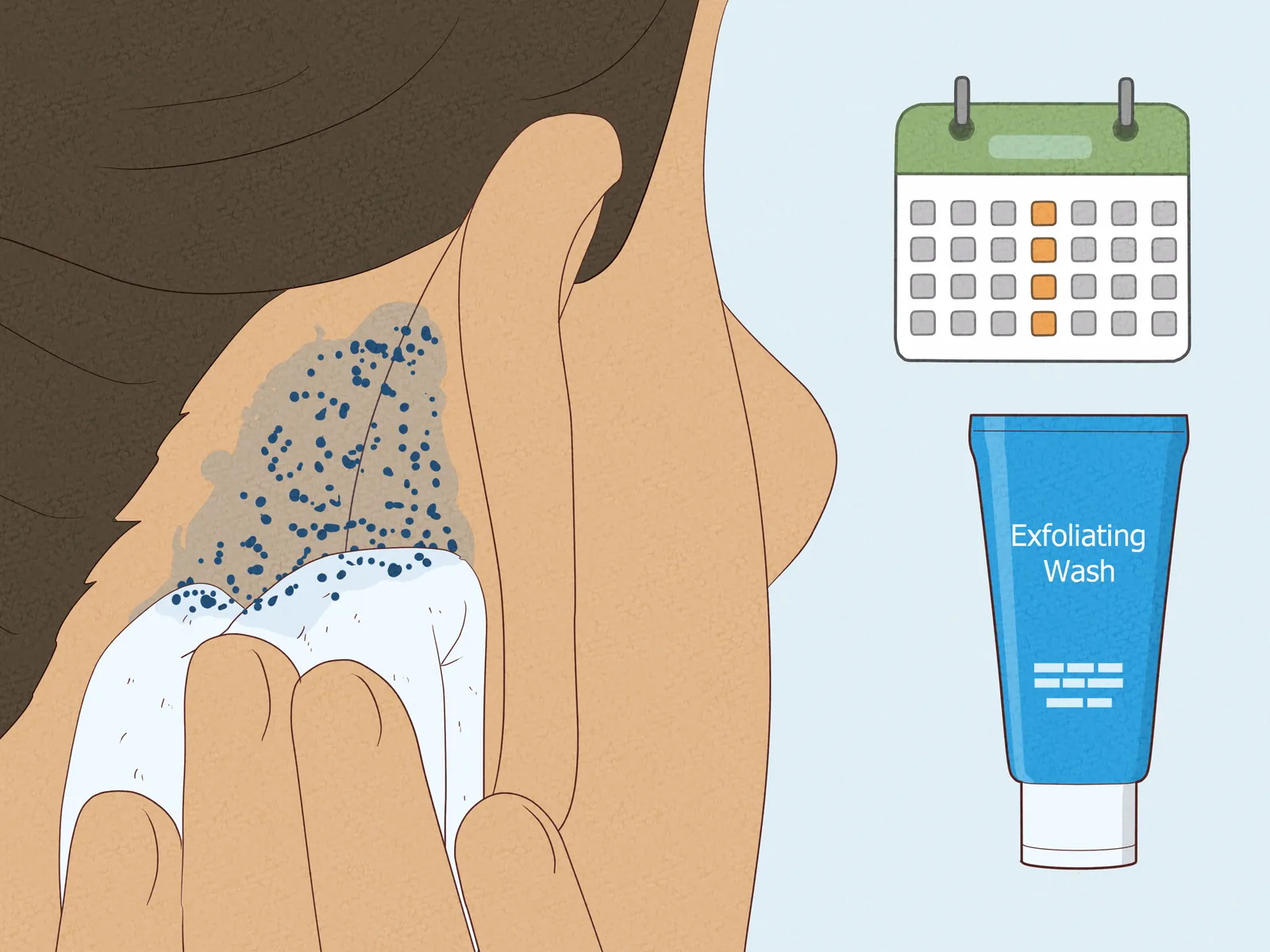
The odor coming from your ear often acts as a signal for what is happening inside the canal. You can use this table to match what you notice with the most likely cause, but remember that persistent pain or discharge requires a doctor’s visit.
| What you notice | What it usually means | What to do first |
|---|---|---|
| Yellow or brown wax | Normal earwax buildup | Gently wipe the outer ear |
| Itchy, flaky skin | Dry or irritated skin | Use a drop of mineral oil |
| White or clear fluid | Possible outer ear infection | Keep the ear dry |
| Thick, colored discharge | Potential bacterial infection | See a medical professional |
| Sharp pain when chewing | Jaw or ear canal issue | Consult your primary doctor |
| Muffled hearing | Deep wax impaction | Visit an urgent care clinic |
Trapped earwax and debris
A blockage of earwax is the most frequent cause of an unpleasant odor because it traps moisture and dead skin cells against the ear canal wall. As these cells break down, they create an environment where bacteria can grow. You can confirm this if you feel a sense of fullness or if your hearing feels slightly muffled in the affected ear.
To address this, you can soften the wax by placing two or three drops of mineral oil or commercial ear drops into the canal. Keep your head tilted for about five minutes to let the liquid reach the blockage. After this time, tilt your head back to let the excess drain onto a clean cloth.
If you have a history of a perforated eardrum or ear surgery, don’t put anything into the canal. This method is for healthy ears only; if you have a known hole in your eardrum, you must avoid any drops. You’ll know it worked if the fullness subsides and the odor fades within two days of consistent care.
Outer ear canal irritation
Irritation of the skin lining the ear canal often leads to an odor when the protective barrier of the skin is broken. This frequently happens if you use cotton swabs or other objects to clean your ears, which pushes debris deeper and causes small scratches.
The primary check for this is to look for redness or soreness around the entrance of the canal. If the skin is broken, it may weep a clear fluid that catches bacteria and causes a smell. To fix this, stop all cleaning attempts immediately to allow the skin to heal naturally.
If the irritation is caused by water trapping, such as after swimming, use a hair dryer on the lowest, coolest setting held at least 12 inches away from your ear to dry the area. You can tell this is healing when the itching stops and the skin returns to its normal color. If the area remains red or swollen after three days, you should stop home care and seek medical advice.
Why your ear smells bad
An infection, often called swimmer’s ear, happens when water or bacteria settle in the ear canal and thrive. This differs from simple wax buildup because it’s usually accompanied by significant pain, swelling, or a feeling of heat in the ear. You can tell this apart from simple wax issues because the pain will increase if you press on the tragus, which is the small bump of cartilage in front of your ear canal.
If you suspect an infection, you shouldn’t attempt to flush the ear with water or oil, as this can make an infection worse. The only effective treatment for a bacterial or fungal infection is prescription medication, such as antibiotic ear drops, which a doctor must provide after an examination.
If you have diabetes or a weakened immune system, you shouldn’t wait to see if the symptoms improve on their own. Visit a clinic immediately if you notice a fever or if the discharge becomes thick and yellow, as these are signs that the infection needs professional treatment.
When to stop and get help
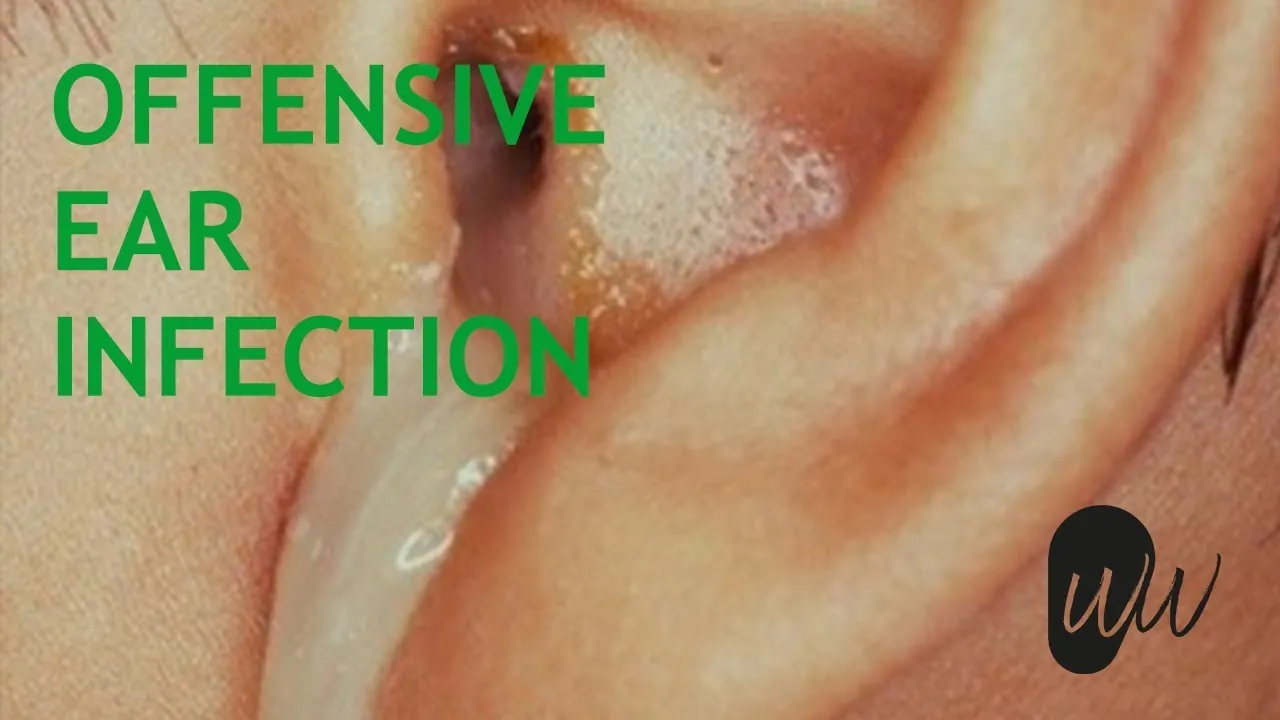
You should stop trying to treat your ear at home and consult a professional if you notice any of the following warning signs:
- Sharp or throbbing pain that keeps you awake at night.
- Persistent fever or chills alongside the ear odor.
- Visible blood or pus draining from the ear canal.
- A sudden loss of hearing that doesn’t improve with cleaning.
- Dizziness or a feeling that the room is spinning.
If you have had surgery on your ear or have a hole in your eardrum, any home treatment carries a risk of permanent damage to your hearing. Professional care is also necessary if you’re unable to clear the blockage after two attempts, as you may need a medical cleaning to avoid injuring the delicate structures inside.
Most people mistake stubborn wax for a simple blockage when they’re actually dealing with an infection. If the ear feels hot to the touch or the skin around the outer canal looks angry and red, stop all irrigation immediately. These symptoms suggest an outer ear infection that water or oil will only aggravate.
If you have diabetes or a compromised immune system, skip home remedies entirely. Even minor irritation can escalate into a serious condition within 48 hours. When in doubt, a quick look with an otoscope at an urgent care clinic prevents the permanent tissue damage caused by aggressive self-cleaning.
Related guides
- How to Use Mineral Spirits on Wood for Cleaning and Prep in 2026
- Can You Cut MDF With a Table Saw: Tips for Clean Results in 2026
- How to Clean Polyurethane Brush: The Best Solvent Methods in 2026
Frequently asked questions
Can I use hydrogen peroxide to clean my ear?
It’s generally not recommended to use hydrogen peroxide unless a doctor suggests it, as it can irritate the sensitive skin of the canal. If your doctor approves it, use a 3% solution diluted with equal parts water. Never use it if you have ear pain or a perforated eardrum.
How long does it take for earwax to soften?
If the wax is very hard, you may need to repeat this process twice a day for up to three days before the wax begins to loosen and exit the ear on its own.
Is it safe to use ear candles?
It isn’t safe to use ear candles, as they have been shown to cause burns and can deposit wax deeper into the ear. The FDA warns that there’s no scientific evidence that these products provide any benefit, and they frequently lead to injuries that require medical attention to fix.
What happens if I leave an ear infection untreated?
Leaving an infection untreated can lead to the spread of bacteria into the surrounding bone or tissue, which is a serious condition. If the infection persists for more than a few days, it can cause temporary hearing loss or damage to the eardrum that may require surgery to correct.
How do I know if my eardrum is perforated?
A perforated eardrum is often signaled by sudden, sharp pain followed by a whistling sound or liquid draining from the ear. If you have any history of ear trauma or sudden hearing changes, don’t put drops in your ear and see a doctor to confirm if the membrane is intact.
Does the smell mean I have a serious disease?
The smell usually indicates a common issue like wax buildup or a minor skin irritation rather than a serious disease. However, if the odor is accompanied by persistent pain or discharge, it must be evaluated by a professional to rule out more complex infections that require prescription treatment.
Conclusion
If the odor persists or you notice discharge, pain, or muffled hearing, it’s best to see a doctor. They’ll look inside with a specialized tool to rule out an infection or a stubborn blockage. Don’t wait too long to get checked out, as you shouldn’t have to deal with this discomfort.