
Clean your filter and check the drain hose if you notice that a dishwasher smells bad because trapped food particles are rotting inside the unit. The most frequent cause is a clogged mesh filter that catches bits of food, grease, and soap scum. When these items sit in warm, damp conditions, they quickly grow bacteria and mold. You should check your filter at least once a month for the best results.
Why your dishwasher smells bad
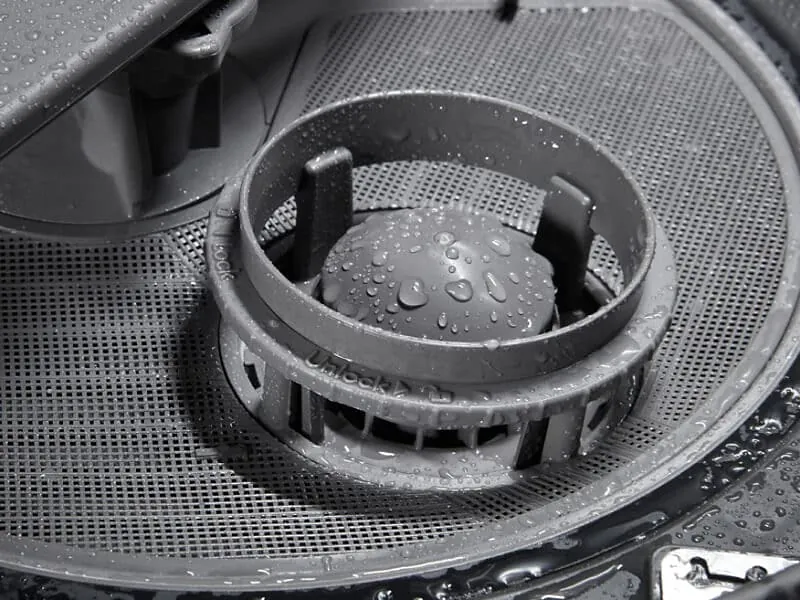
Most people think a dishwasher cleans itself during a cycle, but it often traps debris in hidden areas. When food scraps from plates remain in the bottom, they decompose and release gases that smell like sulfur or garbage. This happens even if you scrape your plates well because grease and tiny crumbs bypass the spray arms and collect in the sump area.
Another common issue is the drain hose. If the hose doesn’t have a high loop or an air gap, dirty sink water can flow back into the dishwasher. This stagnant water sits inside the machine and creates a foul smell that lingers even after a cycle ends.
If you see standing water at the bottom of the tub after a run, your drain is likely blocked. You can verify your specific model’s maintenance needs by checking the official manufacturer cleaning guide for your particular series. If the smell persists after a deep clean, the issue might be a failing internal seal or a damaged hose that needs professional replacement.
Remove and scrub the filter
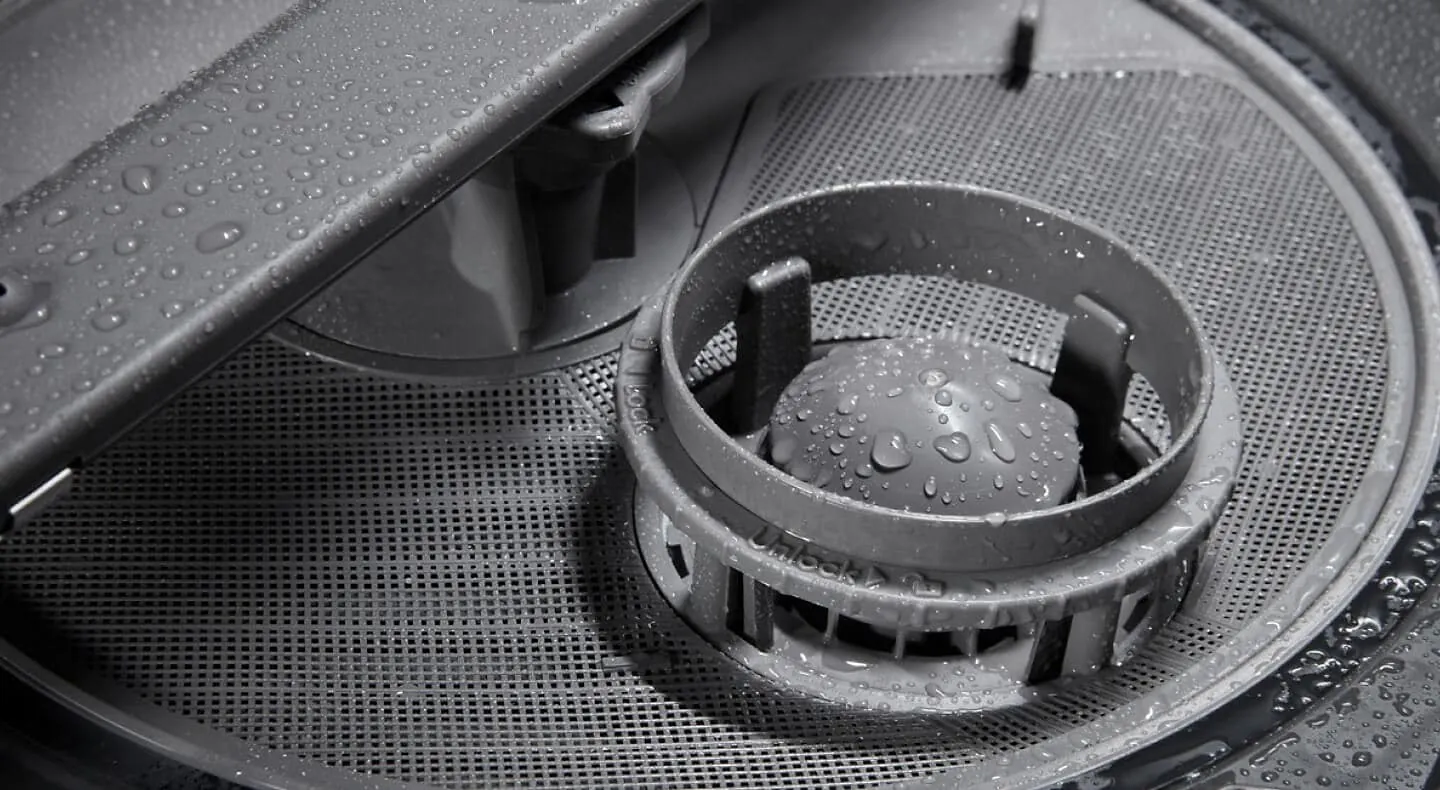
This fix is for owners who have a removable mesh filter at the bottom of the tub. You should perform this step if you see visible debris or if the machine hasn’t been cleaned in over a month. Locate the filter, which is usually a circular piece at the base of the machine, and twist it to unlock it. If you have a locking tab, press it down gently to avoid snapping the plastic.
Once removed, scrub the mesh with a soft brush and hot, soapy water to remove all trapped grease. Don’t use harsh metal scrubbers, as these can damage the fine mesh and let larger food particles pass into the pump. Once the filter is clean, rinse it thoroughly and snap it back into the locked position. If it doesn’t lock properly, the pump may struggle to drain water, which creates a new source of odor.
Run a hot vinegar and baking soda cycle
This method is for removing mineral buildup and soap residue from the internal walls and spray arms. Start by placing a dishwasher-safe cup filled with 2 cups of white vinegar on the top rack of an empty machine. Run a hot water cycle without any detergent or other dishes. The vinegar breaks down the fats and neutralizes the odors stuck on the tub surfaces.
Run a short, hot water cycle to help rinse away the remaining acidity and freshen the interior. This process is safe for most stainless steel and plastic interiors. If you have an older machine with brittle seals, use this method only as frequently as your owner’s manual recommends based on your specific usage to prevent the vinegar from drying out the rubber gaskets. If you smell a chemical scent after this, run one extra rinse cycle with just water.
Check the drain hose for clogs
This fix is for cases where water drains slowly or the smell is constant. You need to inspect the hose that connects your dishwasher to the garbage disposal or the sink drain. Look for any kinks or sharp bends that prevent water from flowing out quickly. If the hose is clear but the smell remains, you may have a blockage inside the disposal connection.
If you aren’t comfortable working under the sink, hire a plumber to inspect the connection. Doing this yourself carries a risk of water leaks if the hose clamp isn’t tightened correctly. If you notice water leaking after you touch the hose, turn off the water supply immediately and call a professional. This task isn’t for you if you don’t have access to the space behind the base cabinets, as it requires moving the entire unit.
Common mistakes that cause odors
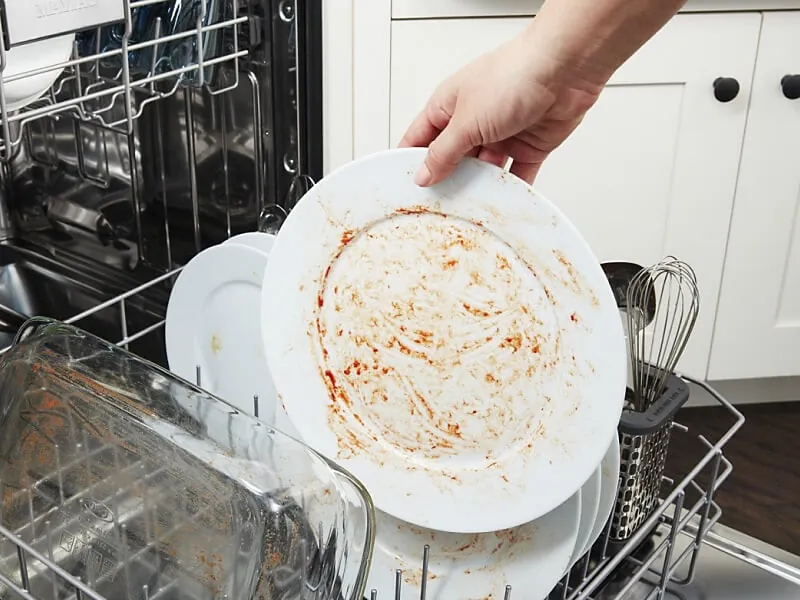
Leaving large chunks of food on dishes causes the filter to clog much faster than normal. Scrape every plate into the trash before loading. Even a single teaspoon of leftover sauce can rot in the filter mesh within forty-eight hours.
Excess soap creates a film on the tub walls that traps bacteria and prevents proper rinsing. Use half the amount recommended on the bottle if you have soft water. If you see suds remaining after the final spin, you’re using too much.
Failing to wipe down the door seal allows mold to grow in the folds where water collects. Clean this rubber gasket weekly with a vinegar solution. If you notice black spots, clean the gasket thoroughly with a mild detergent or a vinegar solution to remove the surface mold.
Low-temperature water can’t melt grease, so it hardens inside the pump. Run a hot cycle at least once every three washes to flush the system.
Keep your machine smelling fresh
Maintaining a clean machine takes only a few minutes each month. The key is to stop the buildup before it turns into a persistent odor problem. Compare your current habits to these simple changes to see where you can improve your routine for better results.
| If you’re doing this | Do this instead | Why |
|---|---|---|
| Rinsing dishes by hand | Scraping food into trash | Dishwashers need some soil to work |
| Using the “Quick” cycle | Using “Normal” or “Heavy” | Longer cycles dissolve grease better |
| Leaving the door closed | Leaving the door cracked | Airflow prevents mold growth |
| Using cheap detergent | Using quality pods or powder | Better enzymes break down food faster |
Related guides
Frequently asked questions
Can I use bleach to remove the smell?
No, you should avoid using bleach in most dishwashers. Bleach can damage stainless steel surfaces and ruin the internal rubber gaskets over time. It can also cause a dangerous chemical reaction if it mixes with any leftover ammonia-based cleaners or acidic soap residue. Stick to white vinegar or specialized dishwasher cleaning tablets to keep your machine safe and free of odors.
How often should I clean the filter?
You should clean the filter based on your usage and the guidelines in your owner’s manual. If you notice a bad smell appearing sooner, inspect the filter immediately. Large families or those who cook heavy meals might need to clean the filter more frequently to prevent grease from building up and causing the dishwasher to smell bad.
Is it safe to use baking soda every week?
No, using baking soda too often isn’t recommended for your dishwasher. Frequent use can lead to a buildup of white, powdery residue on the heating element and the pump. This residue is difficult to remove and can make the machine less efficient. Use a baking soda rinse only when you notice a persistent odor, following the frequency guidelines provided in your owner’s manual.
How long does a dishwasher smell last?
A smell usually fades within one to two cycles after you have removed the source of the odor. If you have cleaned the filter and run a vinegar cycle but the smell remains, the problem is likely hidden deeper in the drain hose or the garbage disposal. If the scent is still present after 48 hours of use, check for standing water or a failing pump.
What happens if I ignore the smell?
Ignoring the smell will lead to a buildup of mold and bacteria that can eventually clog the pump. This blockage prevents the machine from draining properly, which leads to standing, dirty water sitting in the tub. This water can leak onto your floor or damage the motor, turning a simple maintenance task into a costly repair or a total machine failure.
Why does my dishwasher smell like rotten eggs?
A smell like rotten eggs is almost always caused by trapped food debris in the filter or the drain pump. When food sits in the warm water inside the sump, it begins to rot and produces sulfur gas. This is a common sign that the filter needs a deep scrub and the drain hose needs to be checked for proper water flow.
Conclusion
Keeping your machine fresh doesn’t have to be a chore. Once you’ve cleared the debris, try running a hot cycle with a cup of white vinegar to dissolve any hidden buildup. You’ll find that a little routine maintenance keeps your kitchen smelling great and ensures your dishes come out sparkling every time.