
Discovering the lingering cat pee smell in your home is a frustrating experience that requires immediate and systematic intervention. Because feline urine contains high concentrations of uric acid, it doesn’t simply evaporate or disappear with standard household soaps. Instead, it crystallizes, creating a persistent odor that can resurface during humid weather or when the area is damp. To effectively eliminate the scent, you must move beyond masking agents and utilize specific enzymatic cleaners that break down the molecular structure of the urine.
Key Takeaways
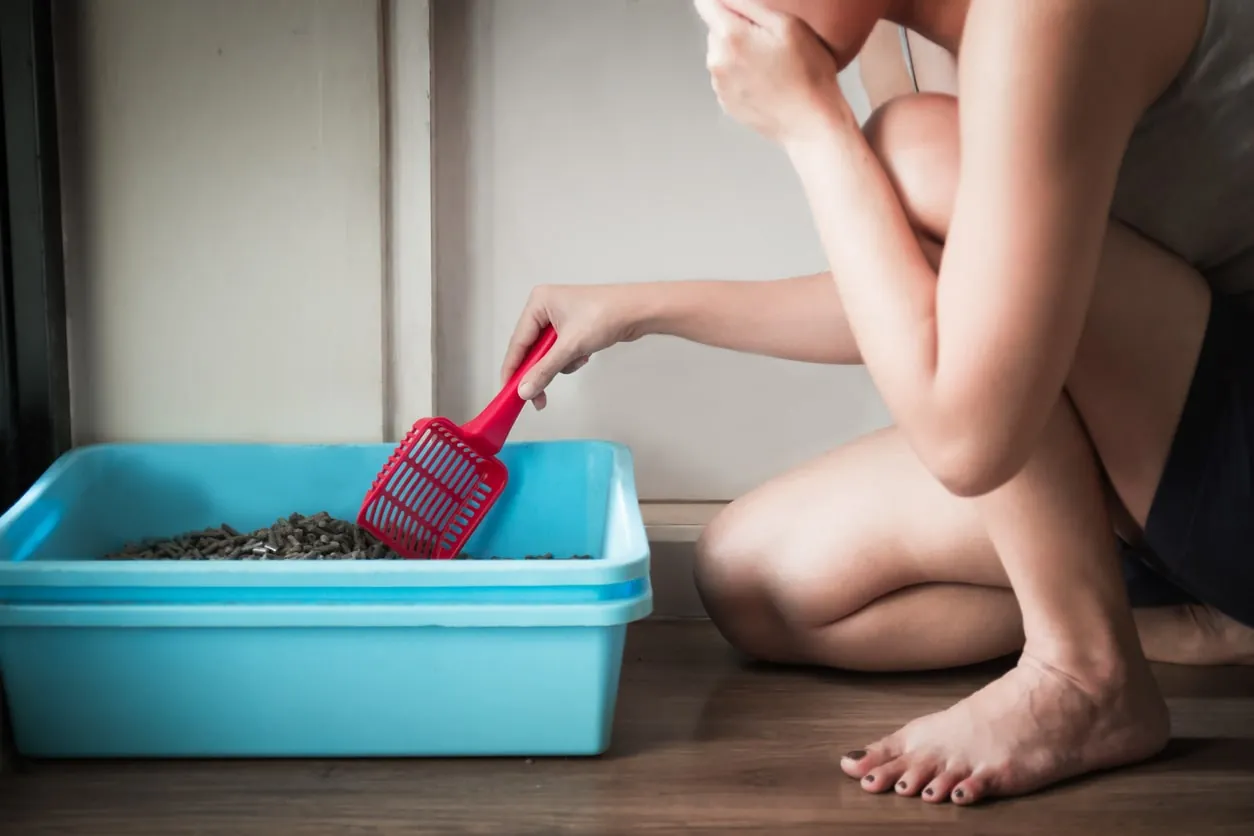
- Use only enzymatic cleaners to break down uric acid crystals in feline urine.
- Avoid ammonia-based cleaning products, as they mimic the scent of cat pee.
- Identify the exact source of the odor using a portable ultraviolet blacklight.
- Blot, never rub, fresh urine stains to prevent pushing the liquid deeper.
- Treat hardwood floors and carpets differently to avoid permanent structural damage.
Why Does Cat Urine Smell So Bad?
Feline urine is significantly more potent than the urine of many other mammals due to the presence of a specific amino acid called felinine. When bacteria in the environment break down this compound, it releases the sharp, ammonia-like odor that characterizes a cat pee smell.
The uric acid crystals within the urine are resistant to water-based cleaners and can remain trapped in porous materials like carpet padding, wood subfloors, and drywall for years. If these crystals aren’t completely neutralized, the scent will reactivate whenever the area becomes moist, making the problem seem like it’s recurring even if your pet hasn’t revisited the spot.
Locating Hidden Urine Sources
Because cats often mark vertical surfaces or corners, the source of the odor isn’t always visible to the naked eye. A high-quality ultraviolet flashlight is the most reliable tool for uncovering these hidden deposits. Under UV light, dried urine will fluoresce, typically appearing as a yellow, neon, or greenish glow.
| Surface Type | Detection Difficulty | Recommended Light Wavelength |
|---|---|---|
| Synthetic Carpet | Low | 365nm – 395nm |
| Hardwood Flooring | Medium | 365nm |
| Drywall/Baseboards | High | 365nm |
| Upholstery | Medium | 365nm – 395nm |
Pro Tip: Darken the room completely and allow your eyes to adjust for several minutes before scanning. Move the light slowly across baseboards, curtains, and furniture legs to catch the faint traces of crystallized deposits that may be invisible in daylight.
Recommended Enzymatic Cleaning Products
Standard detergents and vinegar-based solutions are largely ineffective against the chemical structure of feline urine. You must use products containing specialized enzymes that digest the uric acid. Look for cleaners that explicitly state they’re designed for pet biological waste.
- Nature’s Miracle Advanced Stain and Odor Eliminator.
- Rocco & Roxie Supply Co. Professional Strength Stain and Odor Eliminator.
- Bubba’s Rowdy Friends Pet Stain and Odor Terminator.
- Simple Solution Pet Urine Destroyer.
How to Clean Carpeted Areas
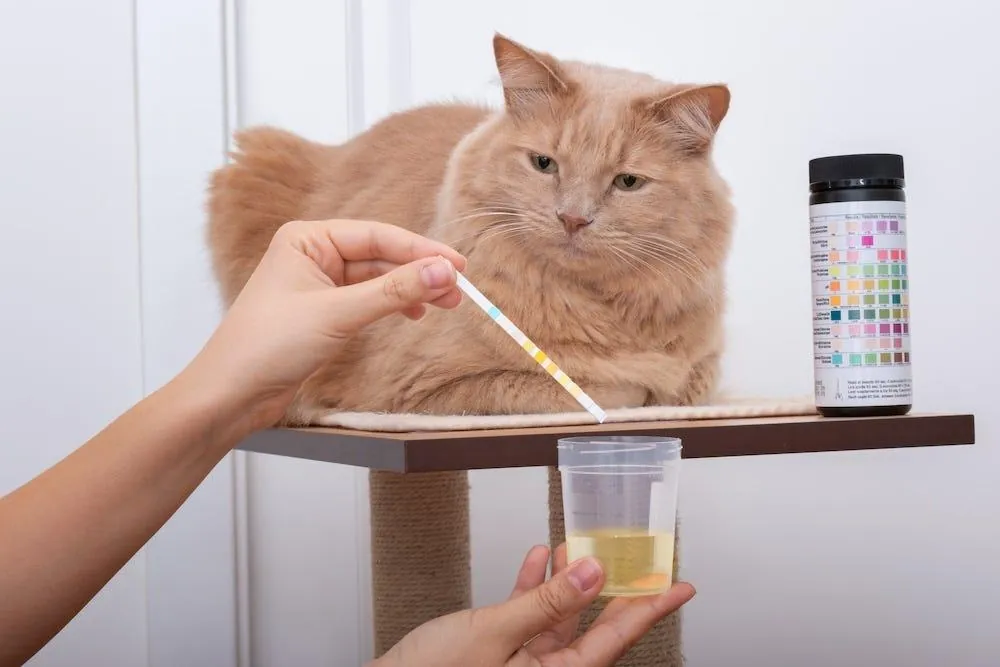
If the urine has soaked into the carpet, you must treat both the surface fibers and the underlying padding. First, blot as much fresh liquid as possible using clean paper towels; applying pressure without rubbing is essential to prevent the fluid from spreading. Next, saturate the area with your chosen enzymatic cleaner, ensuring that the liquid penetrates deep enough to reach the padding. Allow the product to sit for the recommended time—usually 10 to 15 minutes—before blotting the surface again.
Treating Hardwood and Tile Floors
Hardwood floors are particularly porous and can absorb urine deep into the grain. If the odor persists after a surface cleaning, the urine may have reached the subfloor. For hardwood, use a specialized enzymatic cleaner safe for wood finishes, and avoid soaking the floor excessively to prevent warping.
For tile, the grout is the primary culprit. Grout is porous and acts like a sponge for urine. You may need a stiff nylon brush to work the enzymatic solution into the grout lines, letting it dwell for at least 20 minutes before wiping it clean.
Troubleshooting Stubborn Odors
If the smell remains after multiple cleanings, you may be dealing with a deep-seated deposit. In cases involving carpet, the urine may have soaked through to the floorboards beneath. If the odor is coming from the subfloor, you might need to remove the carpet and treat the floorboards directly with a sealing primer.
Use a product like KILZ Restoration or BIN Shellac-Based Primer to encapsulate the odor within the wood. This creates a physical barrier that prevents the persistent scent of crystallized uric acid from escaping into the room.
Why You Should Avoid Ammonia
Many people mistakenly use ammonia-based cleaners to scrub pet messes. This is a significant mistake because ammonia is a primary component of cat urine. By using an ammonia-based cleaner, you’re essentially reinforcing the scent of the urine to your cat.
This can signal to the animal that the area is an acceptable spot for future marking, creating a cycle of behavior that’s difficult to break. Always check the ingredients list on your household cleaners to ensure they’re ammonia-free before applying them to any area your cat has soiled.
Managing Your Cat’s Environment
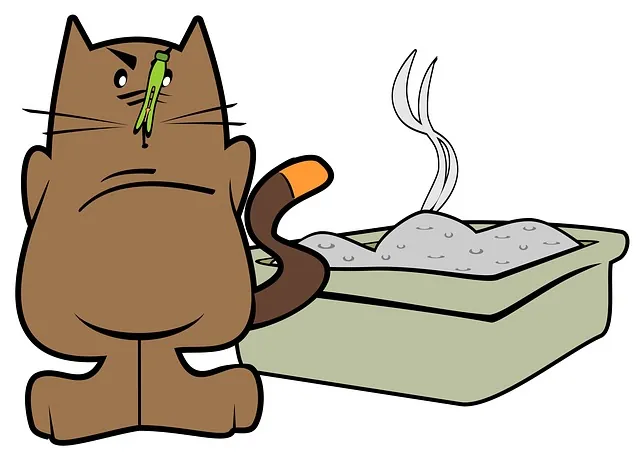
Sometimes, the smell is a symptom of a larger behavioral or health issue. If your cat is consistently missing the litter box, the cause may be medical. A urinary tract infection, bladder stones, or diabetes can cause cats to urinate outside of their designated areas.
If you have ruled out medical issues, evaluate your litter box setup. Ensure you’re using the right type of litter; many cats prefer unscented, clumping clay litter. Furthermore, the American Association of Feline Practitioners suggests that the number of litter boxes in a household should equal the number of cats plus one, placed in quiet, accessible locations.
| Litter Type | Pros | Cons |
|---|---|---|
| Unscented Clay | Familiar texture | Heavy to carry |
| Silica Gel | High absorption | Can be sharp |
| Recycled Paper | Eco-friendly | Less odor control |
| Pine Pellets | Natural scent | Tracking issues |
Warning: Never punish your cat for accidents, as this increases stress and often leads to more frequent marking behaviors. Instead, focus on environmental enrichment and ensuring the cleaning process is thorough enough to remove all traces of the scent.
Related guides
- How to Remove Solid Stain From Wood Deck: Step-by-Step Guide in 2026
- How to Seal Burnt Wood: Step-by-Step Guide for a Clean Finish in 2026
Frequently Asked Questions
Will baking soda remove the smell?
Baking soda is an effective deodorizer for mild surface odors, but it can’t break down the complex uric acid crystals found in cat urine. It may neutralize the smell temporarily, but the underlying chemical source remains. Use baking soda only as a final step after an enzymatic cleaner has fully neutralized the urine deposit to absorb any remaining surface moisture or lingering trace scents.
Can I use a steam cleaner?
Using a steam cleaner on a fresh urine stain is a mistake. The heat from the steam can permanently set the proteins in the urine, effectively “cooking” the odor into the carpet fibers or flooring. Always use enzymatic cleaners at room temperature first to break down the biological components before considering any other cleaning methods. Steam cleaning should only be used after the urine is completely neutralized.
How do I know if the urine is gone?
You’ll know the urine is gone when the area no longer fluoresces under a UV light and the odor doesn’t return when the air is humid or the carpet is damp. If you still smell a faint trace, it’s likely that the enzyme treatment didn’t reach the deepest layer of the padding or subfloor where the majority of the crystals are concentrated.
Is it necessary to replace the carpet?
If the urine has soaked through to the subfloor, carpet replacement is often the only permanent solution. The padding underneath the carpet acts like a giant sponge that’s nearly impossible to rinse clean once it’s saturated with urine. If the odor persists after professional-grade enzymatic treatments, the carpet and padding should be removed and the subfloor treated with a sealant.
How often should I clean the litter box?
You should scoop solid waste daily and perform a full dump and scrub of the litter box at least once every two weeks. If you’re using a non-clumping litter, you may need to clean it more frequently. Keeping the box pristine is the most effective way to prevent your cat from seeking out alternative, less desirable locations to relieve themselves in your home.
Conclusion
Addressing this problem effectively requires patience and the right chemical tools. Start today by purchasing a high-quality enzymatic cleaner and a UV flashlight to perform a thorough inspection of your living space. By systematically neutralizing the uric acid crystals and ensuring your cat’s environment is optimal, you can successfully remove the scent and prevent it from returning to your home.