
It’s common for pet owners to notice that their cat breath smells unpleasant, but this is rarely a normal occurrence. While a slight “fishy” scent might be expected after a meal, persistent foul odors often indicate underlying health issues ranging from minor dental buildup to serious systemic diseases. Understanding the difference between temporary food-related smells and chronic halitosis is the first step in ensuring your feline companion remains healthy, comfortable, and pain-free.
Key Takeaways
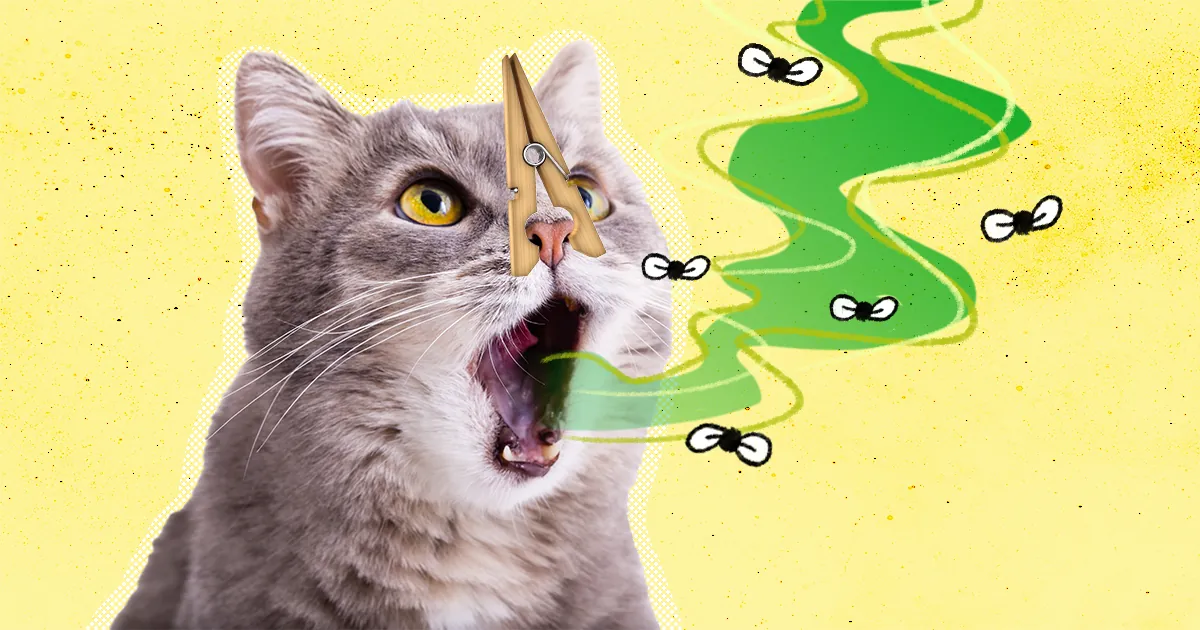
- Persistent bad breath is a primary warning sign of periodontal disease in cats.
- Sudden changes in breath odor can indicate kidney failure, diabetes, or liver issues.
- Daily tooth brushing is the gold standard for preventing plaque and tartar buildup.
- Professional dental cleanings under anesthesia are necessary to address subgingival bacteria.
- Always consult a veterinarian before starting any new dental supplement or oral routine.
Why Is Your Cat’s Breath Smelling?
Feline halitosis is seldom a standalone problem; it’s usually a clinical sign of another pathology. The mouth is a gateway to the body, and the presence of odor-causing bacteria can lead to secondary infections. Identifying the source involves looking at the cat’s age, diet, and overall behavior. If the smell is accompanied by drooling, dropping food, or lethargy, the situation requires immediate medical attention.
Common Oral Causes
The most frequent culprits are found directly within the oral cavity. As plaque hardens into dental tartar, it creates a porous surface that traps bacteria, leading to inflammation of the gums known as gingivitis. If left untreated, this progresses to periodontitis, where the structures supporting the teeth begin to break down.
- Gingivitis: Inflamed, red, or bleeding gums.
- Stomatitis: Severe inflammation of the mucous membranes.
- Tooth Resorption: Painful lesions that expose the tooth pulp.
- Oral Tumors: Growths that can become necrotic and infected.
What Are the Non-Dental Causes?
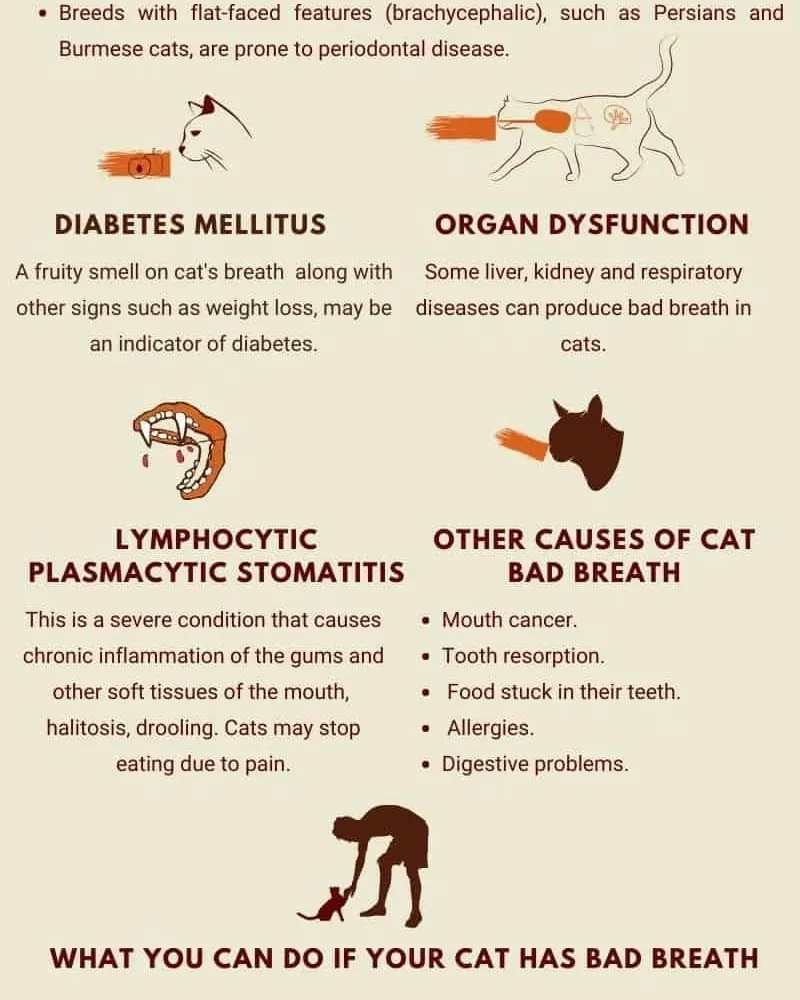
When the mouth itself appears healthy, the odor may be metabolic. The kidneys and liver act as filters for the body; when these organs struggle, toxins build up in the bloodstream and are expelled through the lungs, causing distinct breath odors.
Systemic Health Indicators
| Odor Type | Potential Underlying Condition |
|---|---|
| Ammonia or Urine | Chronic Kidney Disease |
| Sweet or Fruity | Diabetes Mellitus |
| Extremely Foul/Rotten | Liver Disease or Oral Infection |
Warning: If your cat exhibits a sweet, fruity breath odor, take them to a clinic immediately, as this is a classic sign of diabetic ketoacidosis, a life-threatening complication of feline diabetes.
Troubleshooting Your Cat’s Oral Health
To determine the severity of the issue, start with a gentle home examination. Ensure your cat is calm and comfortable before attempting to look inside their mouth. Gently lift the lip to inspect the gums and teeth.
- Check for redness: Bright red lines along the gum line indicate active inflammation.
- Observe the teeth: Look for brown or yellow crusting near the gum line.
- Monitor eating habits: Does your cat tilt their head while chewing? This is a sign of dental pain.
- Check for swelling: Look for lumps on the face or jawline that could indicate a tooth root abscess.
Routine Dental Care Methods
Prevention is significantly cheaper and less stressful than cure. Most veterinarians recommend a multimodal approach to oral hygiene that combines mechanical cleaning with specialized dietary support.
Effective Cleaning Strategies
- Tooth Brushing: Use a soft-bristled brush or a finger brush designed for pets.
- Enzymatic Toothpaste: Use products like Virbac C.E.T. toothpaste, which contains enzymes that break down plaque. Never use human toothpaste, as the fluoride and xylitol are toxic to cats.
- Water Additives: Some brands offer additives that help reduce bacterial load in the oral cavity.
- Dental Diets: Specific kibble textures are designed to scrape plaque off teeth as the cat bites down.
Comparing Oral Care Products
| Product Type | Benefit | Ease of Use |
|---|---|---|
| Enzymatic Toothpaste | Active plaque breakdown | Moderate |
| Dental Treats | Mechanical abrasion | High |
| Oral Gels | Soothes gum inflammation | Low |
| Water Additives | Consistent daily exposure | High |
Pro Tip: If your cat refuses to let you brush their teeth, start by letting them lick the toothpaste off your finger. Associate the taste with a positive reward, like a favorite toy or extra affection, to build trust over several weeks.
Professional Veterinary Dental Procedures
If your cat has significant tartar buildup, brushing won’t remove it. Professional cleaning is required to scale the teeth both above and below the gum line. According to the American Veterinary Medical Association, professional dental cleanings must be performed under general anesthesia to ensure safety and allow for a thorough examination of the entire mouth, including the areas hidden beneath the gum line.
What to Expect at the Vet
- Pre-anesthetic Bloodwork: Ensures the liver and kidneys can process anesthesia safely.
- Full Mouth Radiographs: Essential for identifying issues like tooth root abscesses or bone loss that are invisible to the naked eye.
- Scaling and Polishing: Ultrasonic tools remove hardened calculus.
- Extractions: If teeth are non-viable or causing chronic pain, surgical removal is the standard of care.
Addressing Diet and Hydration
Diet plays a massive role in oral health. Wet food, while hydrating, can sometimes stick to the teeth more than dry kibble. However, simply feeding dry food isn’t a “cure-all” for dental health. Focus on high-quality proteins that support a healthy immune system, which in turn helps the body fight off oral bacteria.
- Hydration: Always provide fresh water to encourage saliva production, which acts as a natural mouth rinse.
- Nutritional Balance: Avoid sugary treats that feed oral bacteria.
- Feeding Schedule: Avoid “free-feeding” if your cat has dental issues, as constant snacking prevents the mouth from resting.
Costs of Dental Maintenance
When budgeting for your cat’s health, consider that dental disease is a progressive condition. Early intervention is significantly less expensive than waiting for a crisis.
| Service Category | Typical Cost Range | Frequency |
|---|---|---|
| Daily Home Supplies | $15 – $40 | Ongoing |
| Annual Dental Exam | $60 – $150 | Yearly |
| Professional Cleaning | $400 – $1,200 | As needed |
| Surgical Extractions | $200 – $800 | As needed |
Related guides
Frequently Asked Questions
Is it normal for my cat’s breath to smell like fish?
A faint, temporary fishy smell after eating fish-based canned food is normal. However, if the smell persists for hours after eating or is very pungent, it likely indicates plaque buildup or gingivitis. If the smell is constant, schedule an oral exam to rule out infection or dental decay.
Can I use human toothpaste to brush my cat’s teeth?
Never use human toothpaste on a cat. Human products often contain fluoride, detergents, and artificial sweeteners like xylitol, all of which are toxic to felines. Always use an enzymatic toothpaste specifically formulated for cats, which is designed to be safe if swallowed and features flavors like poultry or malt that cats find appealing.
How often should I brush my cat’s teeth?
Ideally, you should brush your cat’s teeth daily. Even three times a week can make a significant difference in preventing tartar accumulation. Consistency is more important than duration; a quick thirty-second session every day is far more effective than an occasional, stressful deep cleaning attempt once a month.
Do dental treats really work?
Dental treats can help reduce plaque through mechanical abrasion, but they aren’t a substitute for brushing. Look for treats that carry a seal of approval from veterinary dental organizations, as these have been tested for efficacy. They should be used as a supplement to a comprehensive dental care routine, not as the primary method of cleaning.
When should I worry about my cat’s breath?
You should worry if the breath odor is accompanied by changes in behavior, such as a reduced appetite, drooling, pawing at the mouth, or dropping food while eating. These are clear signs of pain or systemic illness. A foul, rotting smell is a medical indicator that your cat needs a professional veterinary assessment to prevent further health decline.
Conclusion
If your cat’s breath remains foul despite your efforts to maintain hygiene, the most responsible next step is to schedule a professional oral evaluation with your veterinarian. They can perform a safe, thorough examination to identify whether the source is a localized dental infection or a systemic health concern that requires specific medical treatment to resolve.