
You can clear a sulfur smell in house environments by filling dry drain traps with water or cleaning the overflow holes in your sinks. This odor usually happens because sewer gas enters your home through empty pipes or dirty drains. If you notice this smell, check your floor drains or rarely used sinks first. You can find more safety information about sewer gases from the United States Environmental Protection Agency.
Why sulfur smells enter your house
A bad smell often comes from your plumbing system’s P-traps. These are the U-shaped pipes under your sinks and floor drains. They’re designed to hold a small amount of water at all times. This water acts as a seal that stops sewer gases from rising back up into your rooms. If the water evaporates because the drain isn’t used, the seal breaks and lets the gas flow freely.
Another common cause is a blockage in your plumbing vent system. These vents go up through your roof to let air into your pipes, which helps water flow smoothly. If birds or debris block the vent, the pressure can pull water out of your P-traps.
This leaves your pipes open to the air, allowing odors to leak out. If you suspect a vent blockage, it’s best to call a professional plumber. They have the right equipment to check the roof safely and clear the obstruction without damaging your home.
Pour Water Into Dry Drains
You should start by checking every drain in your house, especially those in guest bathrooms, basements, or laundry rooms. If a drain is dry, the sewer gas will escape into the room. Simply pour about one quart of water into each drain to refill the trap. This creates the water seal you need to block the smell.
If you have a floor drain in a basement that you rarely use, the water can evaporate in just a few weeks. To stop this, pour a small amount of mineral oil into the drain after the water. The oil floats on top of the water and prevents it from evaporating too quickly.
Most people make the mistake of using vegetable oil, which eventually turns rancid and attracts pests. Stick to mineral oil to keep the trap clear and odorless. You’ll know this worked if the smell fades within an hour of refilling the traps.
If the odor persists, you may have a deeper leak in your pipes that needs a pro. Check the seals around the drain flange first. If the pipe itself is cracked, no amount of water will stop the gas from entering your home.
Clean Your Sink Overflow Holes

Many bathroom sinks have a small hole near the top of the basin to prevent flooding. Over time, hair, soap, and toothpaste can get stuck inside this channel. This waste rots and creates a strong smell that many people mistake for sewer gas. This fix is for anyone who smells a sulfur odor only when standing near a specific bathroom vanity.
To clean it, use a mild detergent or a specialized enzymatic drain cleaner. Pour this mixture into the overflow hole and let it sit for 15 minutes. Follow it with a kettle of hot, but not boiling, water to flush out the debris.
If you still smell something, use a thin flexible brush to scrub the inside of the hole. If you see black mold or heavy buildup that you can’t reach, a professional plumber can use a specialized cleaning tool to clear the entire overflow passage.
Inspect Your Wax Ring Seal
If you smell sulfur around the base of your toilet, the wax ring seal might be broken. This ring sits between the bottom of your toilet and the drain pipe in the floor. If it fails, sewer gas will leak out every time you flush. This is a common issue in older homes or after a toilet has been bumped or shaken.
This fix is for those who are comfortable using basic hand tools to move a toilet. You must shut off the water, disconnect the supply line, and lift the toilet to replace the old wax ring with a new one. If you have never done this, it’s safer to hire a plumber.
A mistake here can lead to water damage or a leak that’s much harder to fix later. If you see water pooling at the base of the toilet, stop using it immediately and call for help to prevent damage to your floor.
Common Mistakes That Make It Worse
Using harsh chemical drain cleaners often corrodes older metal pipes, creating pinhole leaks that cost thousands to repair. These caustic agents fail to dissolve the organic sludge trapped in your P-trap, which remains the primary source of the odor.
Masking the smell with air fresheners creates a false sense of security. While you enjoy the scent, hydrogen sulfide gas continues to permeate your living space. If you notice the smell persists despite heavy ventilation, don’t assume it’s a temporary drain issue.
Ignoring a persistent sewer odor until it becomes overwhelming invites long-term health risks, including respiratory irritation and headaches. If the smell is isolated to one sink, check the P-trap for a dry seal. If the odor is present throughout the entire home, the issue is likely a blocked roof vent, which requires professional equipment to clear safely.
How To Stop The Smell From Returning
You can keep your home smelling fresh by maintaining your plumbing regularly. The following table shows how to manage your drains to prevent future issues.
| If you’re doing this | Do this instead | Why |
|---|---|---|
| Ignoring unused drains | Pour water monthly | Keeps the P-trap seal active |
| Using heavy chemicals | Use vinegar and soda | Protects pipes from corrosion |
| Blocking vent pipes | Clear roof vents yearly | Prevents vacuum pressure loss |
| Forgetting basement drains | Add oil to the trap | Slows down water evaporation |
Most homeowners make the mistake of relying on scented candles to mask odors, which only compounds the problem by ignoring the underlying trap failure. If you detect a sulfurous scent even after cleaning, check your roof vents for bird nests or debris. These blockages prevent air circulation, forcing sewer gas back into your living space. If you notice the smell only when it rains, your vent system is likely compromised. In that case, schedule a professional inspection immediately.
Related guides
Frequently asked questions
How long does a P-trap stay full?
A P-trap usually stays full for about 3 to 6 months in a dry environment. If your house has high humidity or the drain is in a cool basement, the water may last longer. You should check any drain you haven’t used in over a month to ensure the water seal is still intact and blocking gases.
Is sulfur smell in house dangerous?
Yes, sewer gas can be dangerous if it reaches high concentrations because it contains hydrogen sulfide. While a small amount is mostly an annoyance, long-term exposure to high levels can cause headaches or nausea. If you feel dizzy or notice the smell is very strong, open your windows immediately and leave the area to get fresh air.
Can a dead mouse cause a sulfur smell?
Yes, a dead animal in your walls or vents can produce a smell that’s very similar to sulfur or rotten eggs. If you have checked your drains and the smell remains, look for signs of pests in your attic or crawl space. A professional pest control service can help you find and remove the source safely.
Why does my water smell like sulfur?
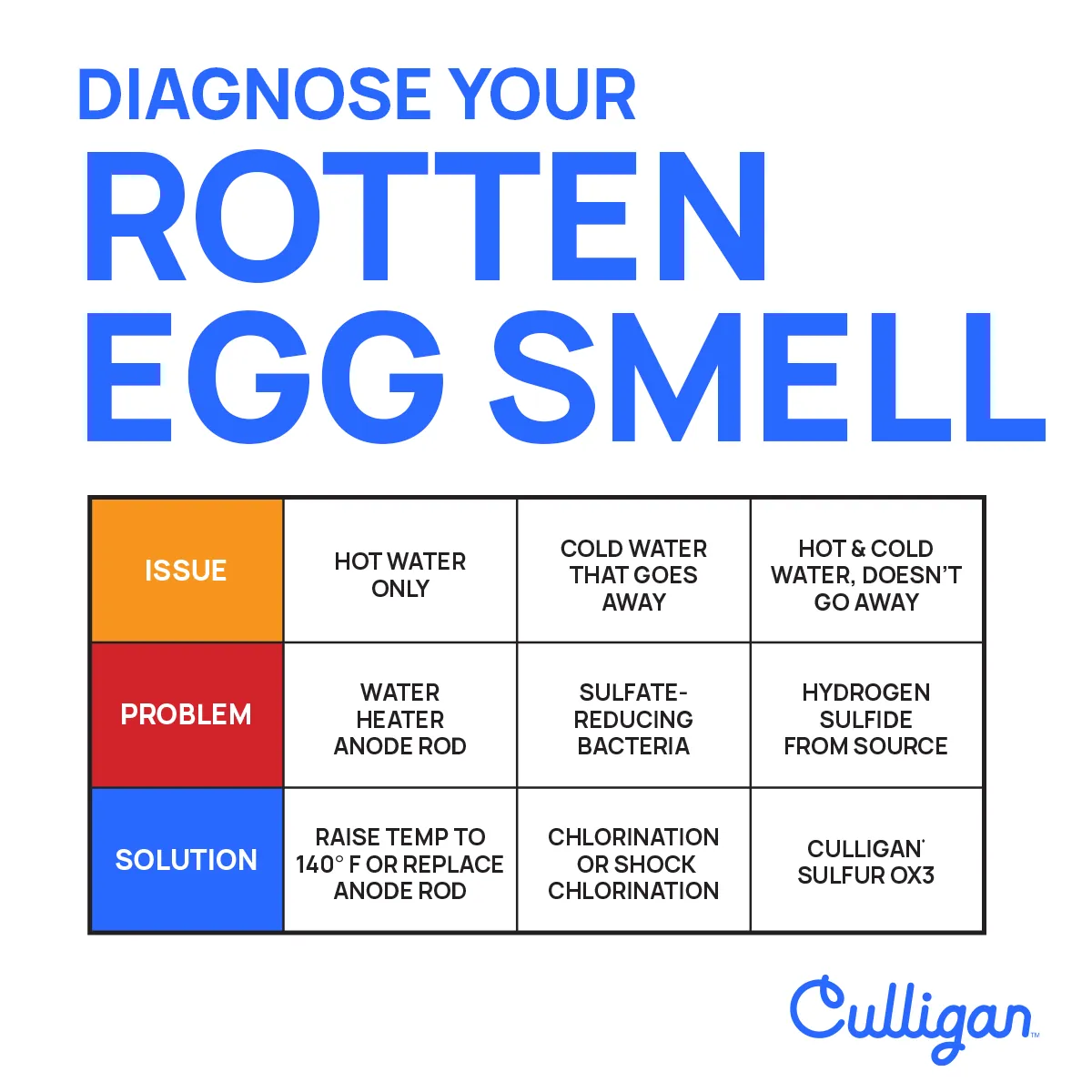
Your water might smell like sulfur if you have bacteria growing in your water heater or your well system. If the smell only comes from the hot water tap, consult a professional to safely sanitize the water heater or replace the anode rod. If the smell is in both hot and cold water, contact a local water quality professional.
How often should I check my drains?
You should check all rarely used drains once every 3 months. If you live in an area with very dry air, check them every month to be safe. Keeping a simple schedule will ensure the traps stay full and prevent sewer gases from entering your living space through the pipes.
Conclusion
If the unpleasant scent lingers after you’ve checked your drains, don’t ignore it. It’s best to call a licensed plumber to inspect your vent pipes for cracks or blockages. They’ll help you ensure your home’s air stays fresh and safe, so you won’t have to worry about these odors anymore.