
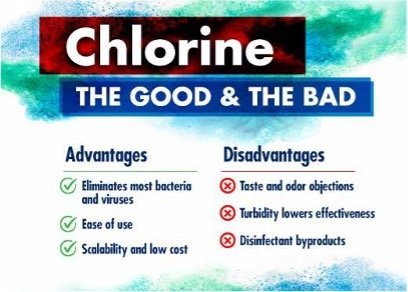
The most common reason your water smells like chlorine is the addition of disinfectants by your local water utility to ensure the liquid is safe to drink. This smell usually indicates that the residual level of chlorine is high enough to be detected by your nose, even if it’s well within the safety limits set by the Environmental Protection Agency.
Why your water smells like chlorine
When you notice a strong chemical scent, it’s helpful to identify if the smell comes from all taps or just one. This table helps you narrow down the source of the odor.
| Problem Type | Best For | Typical Example |
|---|---|---|
| Municipal supply | Whole house issues | Chlorine from city plant |
| Stagnant plumbing | Single tap odor | Old water in pipes |
| Hot water heater | Hot water only | Anode rod reaction |
| Bacterial growth | Sink drain only | Biofilm in the trap |
Municipal Water Treatment
City water treatment plants add chlorine or chloramine to the water supply to kill harmful germs and prevent disease. This chemical stays in the water as it travels through the pipes to your home, which is why you might notice the smell near the tap. If you fill a glass and let it sit for a few minutes, the smell often fades as the gas dissipates into the air.
- It acts as a permanent barrier against bacteria in the distribution system.
- It ensures the water remains free of pathogens until it reaches your home.
- It’s strictly regulated to stay at levels that are safe for human consumption.
If you live very close to the water treatment plant, the concentration of chlorine is often higher than at the end of the line. You can confirm your local water quality by checking the annual water quality report provided by your utility provider.
Stagnant Water in Pipes
Water that sits inside your home’s plumbing for a long time can sometimes develop a stronger odor. This often happens in guest bathrooms or exterior spigots that aren’t used daily. The chlorine levels may decrease over time as the disinfectant reacts with the pipe materials or dissipates.
- It clears out after you run the faucet for 30 to 60 seconds.
- It confirms the issue is internal plumbing rather than the city supply.
- It reduces the chance of sediment buildup in your household pipes.
If you notice this smell only after you have been away from home for a few days, simply run the water for a minute to flush the lines. This is a normal occurrence in most residential homes and doesn’t indicate a mechanical failure.
Hot Water Heater Reactions
Sometimes, the water only smells like chlorine when you turn on the hot tap. While this is often mistaken for chlorine, it’s frequently caused by a reaction between the magnesium anode rod in your water heater and the minerals in your water. If the smell is more like rotten eggs, it’s definitely the anode rod.
- It indicates a chemical reaction inside the water heater tank.
- It occurs more often if you have a water softener installed.
- It requires checking the anode rod for signs of excessive corrosion.
If you suspect this, you can test it by filling a glass with cold water and another with hot water. If the cold water smells fine but the hot water smells strong, the issue is likely the heater. You should contact a plumber to inspect the anode rod if the smell persists after flushing the tank.
Drain and Sink Biofilm
A smell that seems like chlorine might actually be coming from the sink drain rather than the water itself. Over time, hair, soap, and food scraps gather in the drain trap and form a layer of bacteria called biofilm. When you run hot water, the heat releases trapped gases from the drain, which your nose perceives as a chemical smell.
- It’s located entirely within the P-trap of the sink.
- It affects the smell of the air around the sink immediately.
- It’s easily fixed by cleaning the drain and the overflow.
To test this, pour a small amount of water into a clean cup away from the sink. If the water in the cup doesn’t smell, the odor is coming from your drain, not the water supply.
Other Common Water Odors
- Sulfur or Rotten Eggs: This is usually caused by bacteria in your water heater or well system reacting with magnesium or sulfur.
- Musty or Earthy: This often happens in well water systems due to the presence of decaying organic matter in the groundwater.
- Metallic Smell: This typically indicates that your home’s copper or galvanized pipes are beginning to corrode and leach metal into the water.
Choosing Your Next Step
Your decision depends on where and when the smell occurs. If the smell is present at every tap in the house, the source is almost certainly your municipal water supply. If the smell is localized to one room or one specific faucet, focus your efforts on cleaning the drain or flushing that specific line. If the smell only appears when you run hot water, you should inspect your water heater.
These issues are generally independent of one another. You can usually resolve a drain smell with basic household cleaning, while a city water smell is something you simply live with or mitigate using a carbon filter.
Related guides
Frequently asked questions
Can I drink water that smells like chlorine?
Yes, it’s safe to drink because the chlorine levels are controlled by your utility provider. The Environmental Protection Agency sets strict limits on these levels to ensure they don’t harm your health. If the smell is too strong for your preference, you can filter the water or let it sit in an open container for 30 minutes.
How long does it take for the smell to go away?
The smell usually disappears in under 60 seconds if you run the tap to flush the pipes. If you’re filling a glass, the smell will typically fade in 5 to 10 minutes as the chlorine gas leaves the water. If the smell remains after running the tap for several minutes, the source is likely the supply itself.
Is it safe to shower in water that smells like chlorine?
Yes, it’s safe to shower in water with standard levels of chlorine. While the smell might be noticeable due to the steam, the amount of chlorine isn’t high enough to cause skin or eye irritation for most people. If you have very sensitive skin, a showerhead filter can help reduce the amount of chlorine you encounter.
Why does my water smell more in the summer?
Your water may smell more in the summer because utilities often increase chlorine dosages to compensate for faster dissipation and to maintain disinfection levels in warmer water. Utilities often increase the chlorine dosage during warmer months to ensure the water remains disinfected as it travels through the system. This is a standard seasonal adjustment for many water providers.
Does a water filter remove the chlorine smell?
Yes, a filter that uses activated carbon is very effective at removing the chlorine smell from your tap water. These filters work by adsorbing the chlorine molecules as the water passes through the carbon media. You must replace the filter cartridge according to the manufacturer’s schedule to keep the smell from returning.
What happens if the smell gets stronger?
If the smell suddenly becomes much stronger, you should contact your local water utility to report the change. They can check if there was a recent change in treatment levels or a break in the main line. Don’t attempt to modify your home plumbing until you have confirmed if the issue is a city-wide event.
Conclusion
Start by running your cold water tap for one full minute to see if the smell clears. If the water runs clear and loses its odor, you have successfully flushed the stagnant lines in your home. If the smell remains strong even after flushing, call your local water utility’s customer service number to ask if they’re currently performing any maintenance on the local system.