
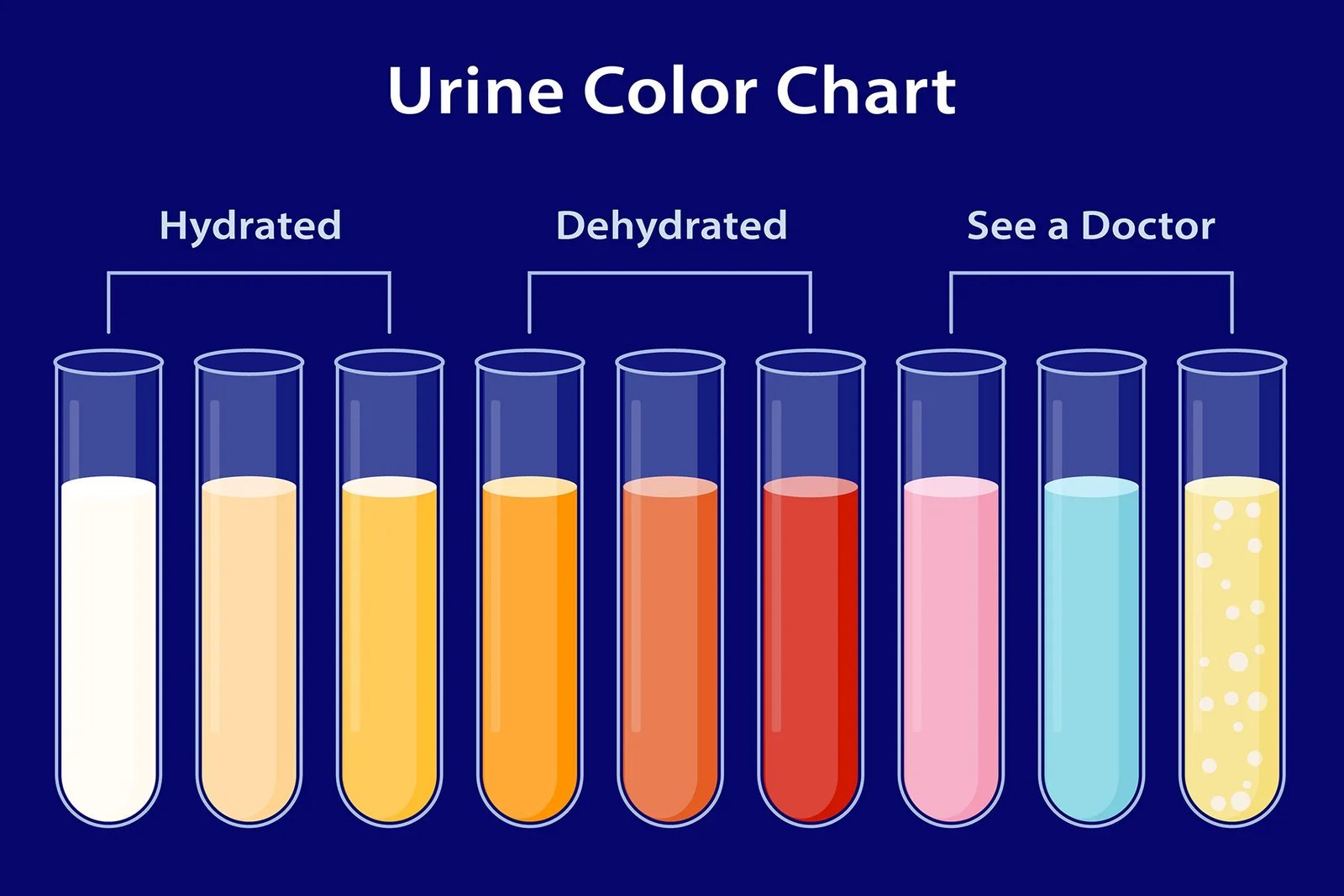
Dehydration, bacterial growth, or certain dietary changes are the most common reasons your urine smells like ammonia. This sharp, pungent odor often indicates that your body is breaking down urea into ammonia more quickly than usual, which frequently happens when your urine is highly concentrated. While occasional changes in scent are normal, persistent or strong smells can signal an underlying condition that requires attention from a healthcare professional to identify the exact cause.
Why your urine smells like ammonia

Identifying the source of a foul smell helps you decide whether you need to increase your fluid intake or schedule a visit to your doctor. This table outlines the primary factors that contribute to changes in urine scent.
| Potential Cause | Why It Happens | Typical Example |
|---|---|---|
| Dehydration | Less water dilutes waste | Dark yellow urine |
| Urinary Tract Infection | Bacteria produce waste products | Burning during urination |
| Diet Changes | High protein or specific foods | Eating excess asparagus |
| Kidney Function | Inefficient waste processing | Chronic health conditions |
| Medication Side Effects | Chemical breakdown in body | Certain vitamin supplements |
Dehydration and concentration
Dehydration is the most frequent reason for a strong scent, as your kidneys conserve water when you don’t drink enough. When you’re dehydrated, your urine becomes highly concentrated with waste products like urea, which naturally converts to ammonia over time. If you drink less than 2 liters of water daily, your urine is likely to be darker and smell stronger than when you’re well-hydrated.
- Increased concentration leads to a more intense odor.
- Drinking more water helps flush out concentrated urea.
- Colorless or pale yellow urine indicates better hydration levels.
If you find that your urine odor improves significantly after increasing your water intake, dehydration was likely the culprit. For those who remain hydrated but notice the smell persists, other factors like diet or infections become more probable causes.
Urinary tract infections
A urinary tract infection occurs when bacteria enter the bladder or urethra, causing the urine to take on an unpleasant, sharp scent. According to the NHS guidance on urinary tract infections, these infections are common and often accompanied by pain or a frequent urge to urinate. If you have a fever, back pain, or blood in your urine, you must contact a doctor immediately as these are signs of a more serious issue.
- Bacteria break down urea, creating an ammonia-like smell.
- Frequent, urgent, or painful urination often accompanies the odor.
- Cloudy or dark urine is a common visual indicator of infection.
If you suspect an infection, don’t try to treat it with home remedies or wait for it to pass. Only a medical professional can confirm an infection through a urine test and provide the correct antibiotics to resolve the issue safely.
Diet and supplement impacts
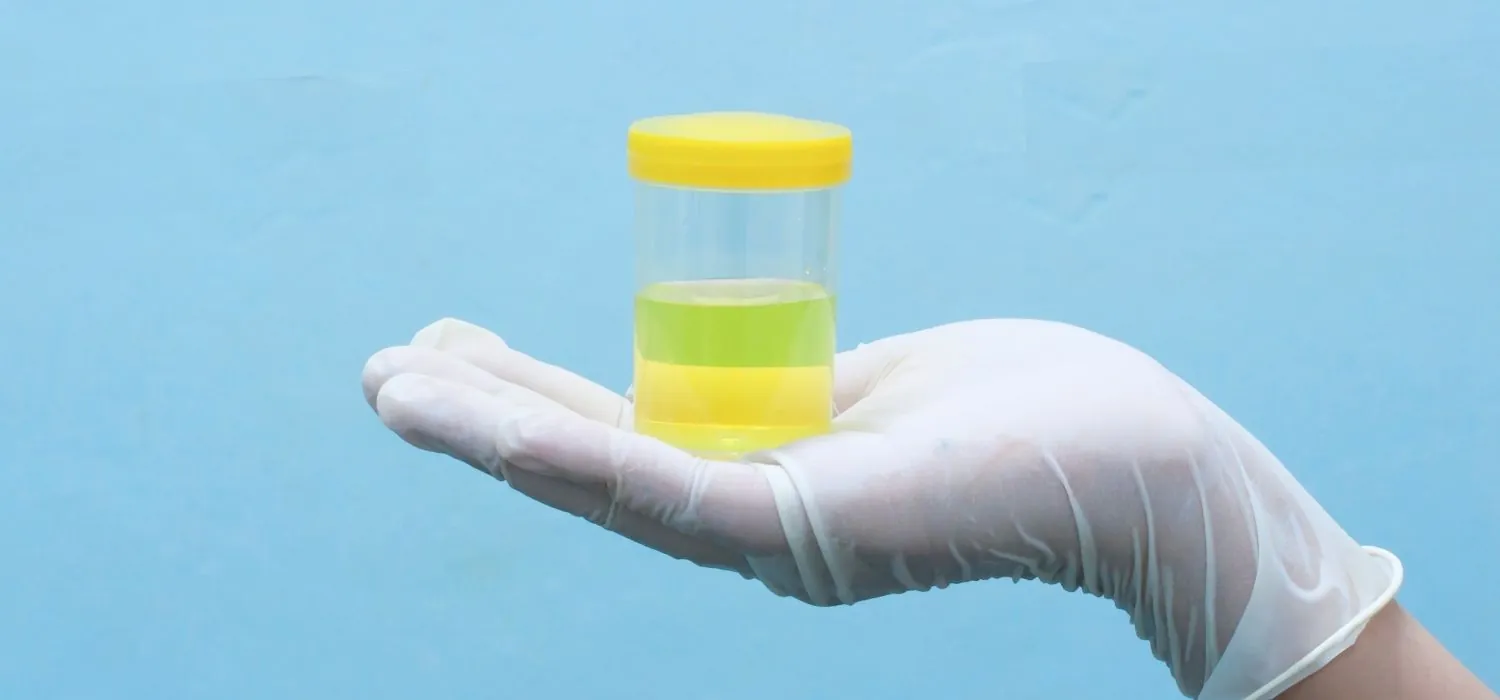
Certain foods and supplements change the chemical makeup of your urine, resulting in a temporary, pungent smell. High-protein diets increase the amount of nitrogen your body excretes, which can create a stronger scent as your kidneys process the extra waste. Similarly, high doses of vitamin B6 or specific herbal supplements can alter the smell of your urine shortly after consumption.
- High protein intake increases urea production.
- Supplements can add concentrated chemicals to your output.
- Strong-smelling foods like asparagus or garlic affect body secretions.
If you recently changed your diet or started a new supplement, try stopping the intake for 48 hours to see if the smell fades. If the odor continues after returning to your normal diet, it’s time to look into other health factors like hydration or potential medical issues.
Medication and medical conditions
Some prescription medications, including certain blood pressure drugs or diuretics, can change the way your body processes waste. These substances may concentrate in the urine or alter its pH, leading to an ammonia-like smell that isn’t related to your hydration or diet. If you’re taking new medication, check the patient information leaflet to see if changes in urine odor are listed as a known side effect.
- Diuretics increase urination and can lead to concentration issues.
- Specific antibiotics may change the chemical composition of urine.
- Chronic conditions like diabetes can sometimes cause sweet or fruity smells.
If you notice a sudden change in odor after starting a new prescription, call your pharmacist or doctor. Never stop taking prescribed medication without professional advice, as this could lead to health complications that are far more serious than a change in urine scent.
Other potential factors
- Vaginal infections: Sometimes the smell isn’t coming from the urine itself but from surrounding tissues, which can be checked by a gynecologist.
- Kidney stones: These can sometimes cause urine to smell different due to inflammation or blockage, requiring a scan or diagnostic test from a specialist.
- Liver issues: Less commonly, specific liver conditions can alter body odors, which a doctor would identify through blood work and physical examination.
How to determine the cause

Deciding what to do depends on whether the smell is accompanied by other physical symptoms. If you’re drinking enough water and have no pain, the issue is often related to diet or recent changes in your supplement routine. If you experience pain, fever, or cloudy urine, these are clear signs that you should stop guessing and consult a medical professional immediately.
If you’re generally healthy, start by increasing your water intake to see if the odor clears within a day or two. If the smell is persistent, it’s better to have a simple urine analysis performed at a clinic to rule out infections. These two paths—hydration for minor changes and professional testing for persistent issues—cover most situations. Always remember that self-diagnosis has limits; if you feel unwell, a doctor’s visit is always the safest choice.
Related guides
Frequently asked questions
Does the smell of ammonia always mean I have an infection?
No, the smell doesn’t always mean you have an infection. It’s very often caused by dehydration, which makes your urine more concentrated, or by specific foods and vitamins. However, if the smell is accompanied by pain or fever, an infection is a possible cause that requires medical testing.
How much water should I drink to stop the smell?
Most adults should aim for about 2 liters of water per day, though this varies based on your activity level and the local climate. If your urine is dark or smells strongly, try increasing your intake by 500 milliliters to see if the odor improves as your hydration levels return to normal.
Is it safe to wait and see if the odor goes away?
It’s generally safe to wait 24 to 48 hours if the only symptom is the smell and you feel otherwise healthy. If you develop symptoms like back pain, burning during urination, or a fever, don’t wait, as these indicate that the issue requires immediate medical attention from a doctor.
Can vitamins cause urine to smell like ammonia?
Yes, high doses of certain vitamins, particularly B-complex supplements, can change the scent of your urine. This happens because your body excretes the excess vitamins through your kidneys. If you recently started a new supplement, try stopping it for a few days to see if the odor returns to normal.
What should I look for in my urine?
You should look for changes in color, clarity, and frequency. Pale yellow urine is normal, while dark, cloudy, or blood-tinged urine is a sign that you should see a doctor. If you notice persistent foam or a foul, sharp smell that doesn’t change with water, consult a healthcare provider.
Does diet change the smell of urine?
Yes, diets high in protein or foods like asparagus, garlic, and onions can change the scent of your urine. This is a normal reaction to the chemicals in these foods as they’re processed by your body. The smell usually disappears once the food has been fully digested and excreted.
Conclusion
Start by tracking your daily water intake for three days to ensure you’re consistently hydrated. If the smell continues after you have reached a healthy hydration level, schedule an appointment with your primary care doctor for a routine urine test. If you notice blood in your urine or experience severe abdominal pain, seek medical help immediately, as these signs indicate that the problem requires professional treatment.