
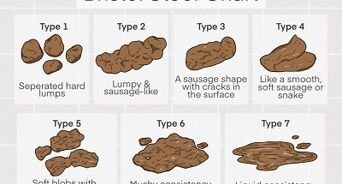
When your poop smells like metal, it’s usually caused by the presence of iron, blood, or specific dietary supplements passing through your digestive system. This metallic odor often indicates that your body is processing substances rich in minerals or that there’s minor irritation in the upper gastrointestinal tract. While it can be alarming, it’s rarely a sign of an emergency unless accompanied by severe pain or persistent black, tarry stools.
Why poop smells like metal

The following table summarizes the most frequent reasons why you might notice a metallic scent in your stool. These are categorized by the nature of the substance causing the change in odor.
| Cause | What it indicates | Typical example |
|---|---|---|
| Iron supplements | High mineral intake | Ferrous sulfate tablets |
| Dietary red meat | High heme iron | Large steak portions |
| Upper GI bleeding | Minor internal irritation | Gastritis or ulcers |
| Bismuth medications | Chemical reaction | Pepto-Bismol |
| Dehydration | Concentrated waste | Low water intake |
Iron supplements
Taking iron pills is the most common reason for a metallic smell in your stool. Your body only absorbs a portion of the iron you consume, and the rest is excreted through your digestive system. This can also turn your stool a dark, greenish-black color. If you’re taking these supplements, the smell is likely a harmless byproduct of the unabsorbed mineral.
- You may notice the smell increases within 24 hours of starting a new supplement.
- The odor typically fades once you finish the course of medication.
- If you take more than the recommended daily dose, the metallic scent may become stronger.
For example, if you take a standard 65mg iron supplement daily, the metallic scent is a expected side effect that doesn’t require medical intervention.
Upper gastrointestinal bleeding
Blood contains iron, and when it’s digested in the upper gastrointestinal tract, it can produce a distinct metallic or copper-like odor in your stool. This happens because the blood is broken down by stomach acid and digestive enzymes before it reaches your colon. According to the Cleveland Clinic digestive health guide, this process often results in stools that appear black and tarry.
- This condition may be caused by small stomach ulcers or inflammation.
- The odor is often described as metallic, earthy, or unusually pungent.
- If the bleeding is heavy, the stools will look like black coffee grounds.
If you see black, sticky stool that looks like tar, you should contact a doctor immediately to rule out a significant bleed.
Dietary factors
Consuming large amounts of red meat can cause a metallic smell because of the high concentration of heme iron. Your digestive system processes this iron differently than plant-based sources, leading to a noticeable change in waste odor. If you eat a large portion of beef or lamb, the scent may persist for one or two bowel movements.
- This is more common after eating red meat twice in a single day.
- The intensity of the smell varies based on how efficiently your body absorbs iron.
- It isn’t a sign of illness, but rather a reflection of your recent diet.
For instance, eating a 12-ounce serving of steak for dinner often leads to a metallic scent in your stool the following morning.
Bismuth subsalicylate
Medications used to treat upset stomachs, such as bismuth subsalicylate, are well-known for changing the color and smell of stool. Bismuth reacts with sulfur in your saliva and digestive tract, which can sometimes produce a metallic or chemical odor. This is a temporary effect that stops as soon as you stop taking the medication.
- It frequently turns stool a dark gray or black color.
- The odor is distinct from the smell of iron supplements.
- It’s a standard chemical reaction that isn’t harmful to your digestive health.
If you take two tablets of bismuth subsalicylate to settle your stomach, expect these changes to last for about 48 hours after your last dose.
Other potential factors
Beyond the primary causes, other factors can contribute to changes in stool odor:
Dehydration concentrates waste products, intensifying natural digestive odors into a sharper, metallic scent. If your urine is dark yellow rather than pale straw, you’re likely dehydrated enough to alter your stool’s profile. Drink an extra sixteen ounces of water daily to see if the odor normalizes within forty-eight hours.
Kidney function also plays a subtle role. If your kidneys struggle to filter metabolic waste, these compounds can exit through other channels, creating an ammonia-like smell. This rarely happens in isolation. If you notice persistent swelling in your ankles or unexplained fatigue, consult a physician immediately.
High-sulfur foods like broccoli, eggs, and garlic often trigger a rotten egg scent. However, some individuals perceive this as a sharp, chemical odor. If the smell persists for more than three days after removing these specific foods from your diet, the cause likely lies elsewhere.
How to identify the cause
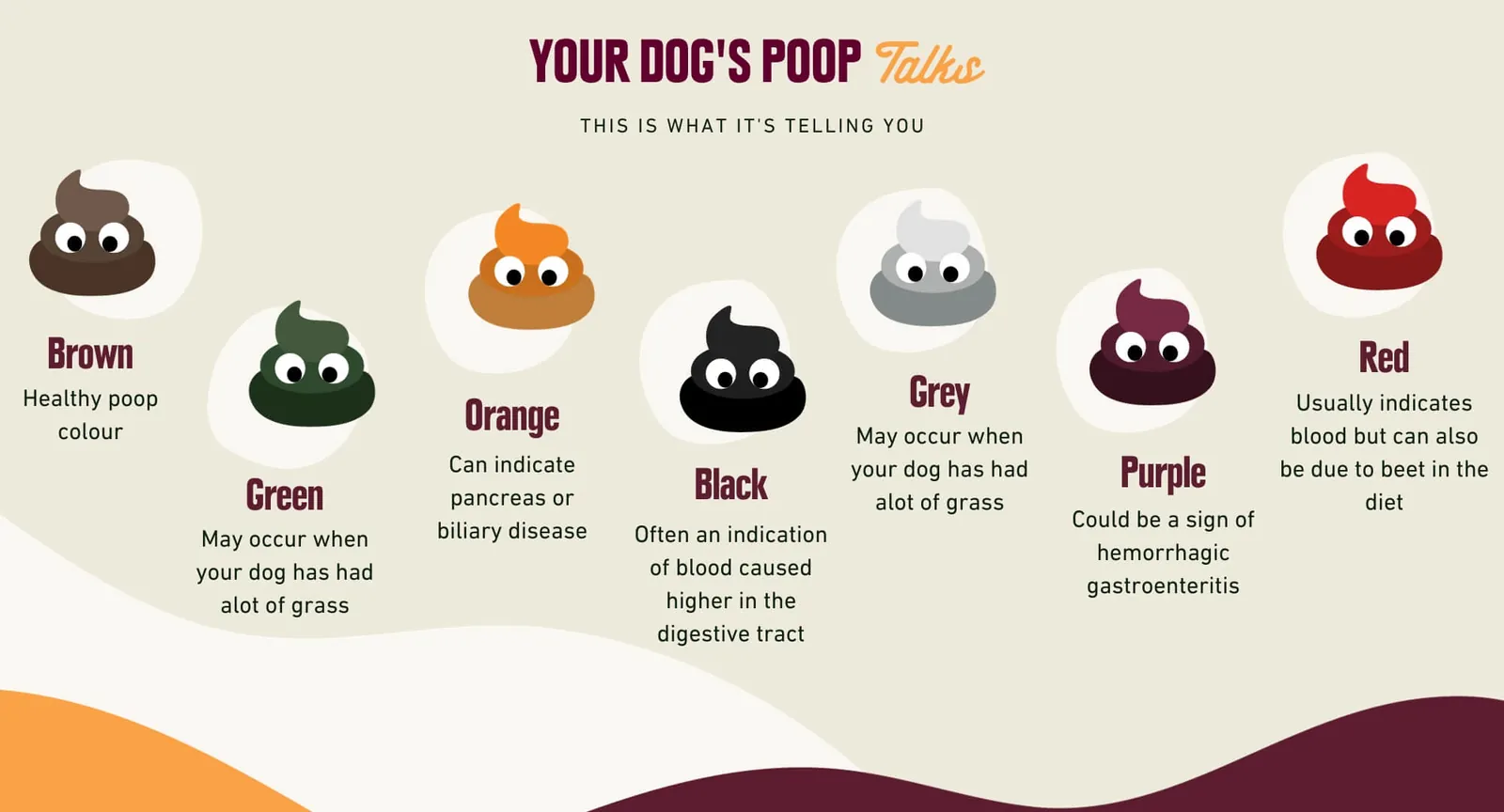
Deciding which cause applies to you depends on your recent history and the physical appearance of your stool. If you’re currently taking iron supplements or bismuth, these are the most likely culprits. These substances react with sulfur compounds in your gut to produce a distinct, pungent odor that’s harmless.
If you have recently eaten a high-protein meal, wait 24 hours to see if the smell resolves. Protein digestion releases ammonia and hydrogen sulfide; if the scent lingers beyond a day, your digestive system may be struggling to break down complex amino acids efficiently.
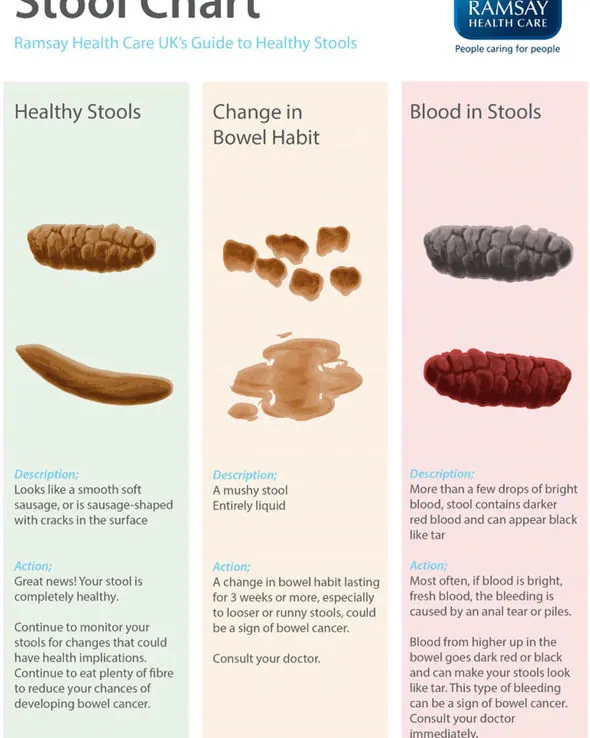
If you aren’t taking medications and haven’t changed your diet, monitor your stool for changes in texture or color. A metallic smell accompanied by persistent abdominal pain, dizziness, or tarry black stools indicates internal bleeding. In these cases, stop home monitoring immediately. You must consult a healthcare provider to rule out gastrointestinal ulcers or other serious conditions.
Related guides
Frequently asked questions
Does a metallic smell always mean I have internal bleeding?
No, a metallic smell is most commonly caused by iron supplements or high-protein diets. Internal bleeding typically presents with black, tarry, or sticky stool. If your stool looks normal in texture and color, the smell is likely dietary or related to medication you’re currently taking.
How long does the metallic smell last after stopping iron supplements?
The metallic smell usually disappears within 48 to 72 hours after your last dose of iron. It takes time for the remaining minerals to pass through your digestive system. If the smell persists longer than three days after you stop, consult a doctor to check for other causes.
Is it safe to ignore a metallic smell if I feel fine?
Yes, if you feel fine and have no other symptoms, it’s generally safe to monitor the situation. Ensure you’re drinking enough water and note if the smell correlates with specific foods or medications. If you develop pain or see blood, seek professional medical advice immediately.
Can vitamins cause my poop to smell like metal?
Yes, multivitamins that contain high levels of iron or minerals can cause a metallic smell. Check the label of your supplement to see the amount of iron per serving. Many standard multivitamins contain enough iron to change the odor of your stool, especially if taken on an empty stomach.
What happens if I have a metallic smell and stomach pain?
If you have a metallic smell along with persistent stomach pain, you should see a doctor. This combination can indicate gastritis or an ulcer, which may require medical treatment. Don’t wait for symptoms to worsen; a quick checkup can rule out serious digestive issues.
Does drinking more water help get rid of the smell?
Yes, staying hydrated helps your body process waste and dilute the substances causing the odor. While it may not eliminate the metallic scent if you’re taking iron supplements, it will keep your digestive system functioning regularly. Aim for the amount of water recommended by your doctor for your activity level.
Conclusion
Start by reviewing any medications or supplements you have taken in the last 48 hours. If you find a match, the metallic smell should fade naturally once you stop the intake. If you have no obvious cause and notice your stool is black, sticky, or you experience abdominal pain, see a primary care physician to rule out internal issues.