
Changes in your diet, specific medications, or a bacterial imbalance in your gut often explain why your poop smells like sulfur. This intense odor usually points to the production of hydrogen sulfide gas during digestion, which happens when your body breaks down high-sulfur foods or when bacteria in your intestines work faster than usual. While occasional changes are normal, persistent foul odors combined with other symptoms may require a visit to a medical professional for testing.
Why your poop smells like sulfur
| Cause | Best for | Example |
|---|---|---|
| High-sulfur diet | Identifying food triggers | Eating broccoli or eggs |
| Medications | Checking side effects | Taking iron supplements |
| Gut bacteria | Assessing digestive health | Recent antibiotic use |
| Infections | Tracking symptoms | Giardia or parasites |
| Malabsorption | Monitoring nutrient intake | Difficulty digesting fats |
Dietary triggers
High-sulfur foods are the most frequent cause of an unpleasant, rotten-egg smell in your stool. When you consume large amounts of these foods, your digestive system produces more hydrogen sulfide gas as a byproduct. If you notice the smell, try tracking your intake of these items for three days to see if the odor decreases when you remove them from your meals.
- Cruciferous vegetables like broccoli, cauliflower, and Brussels sprouts.
- High-protein foods including red meat, eggs, and dairy products.
- Alliums such as onions, garlic, and leeks.
- Dried fruits and certain nuts that contain natural sulfur compounds.
For example, if you eat a large serving of roasted Brussels sprouts for dinner, you might notice the change in odor the following morning. If the smell persists for more than a week after changing your diet, it’s time to look at other factors.
Medication and supplement effects
Certain drugs and mineral supplements can alter the chemical balance of your digestive tract, leading to a noticeable sulfur scent. Iron supplements are particularly well-known for changing both the color and the odor of bowel movements. If you started a new medication recently, check the patient information leaflet that comes in the box for side effects related to digestion or stool changes.
- Iron pills often cause darker, foul-smelling stools due to how the mineral oxidizes.
- Antibiotics can disrupt the normal balance of gut flora, allowing odor-producing bacteria to thrive.
- Some laxatives speed up digestion, which may not allow enough time for nutrients to be fully absorbed.
If you’re taking prescription medication, don’t stop or change your dose without talking to your doctor first. For non-prescription supplements, try pausing them for a few days to see if the odor returns to normal levels.
Bacterial and parasitic infections
Infections in the digestive tract can significantly change the smell of your stool because they interfere with normal absorption. The National Institute of Diabetes and Digestive and Kidney Diseases identifies parasites like Giardia as a common cause of foul-smelling, fatty, or watery stools. These infections often come from contaminated water or food and require specific medical treatment to clear.
- Persistent diarrhea that lasts longer than 48 hours is a warning sign of an infection.
- Abdominal cramping or bloating often accompanies the change in odor.
- Unexplained weight loss suggests that your body isn’t absorbing nutrients properly.
If you have a fever, blood in your stool, or severe pain, you should stop trying to treat this at home. These symptoms indicate a condition that needs professional diagnosis, such as a bacterial infection or an inflammatory bowel disease.
Malabsorption and digestive conditions
When your body can’t properly break down fats or sugars, the undigested food ferments in the colon and creates strong odors. This often happens if you have a condition like lactose intolerance or celiac disease, where the body struggles to process specific nutrients. If you only experience the smell after eating dairy or bread, you may have a sensitivity rather than an infection.
- Fatty, floating, or greasy stools often point to a problem with fat digestion.
- Frequent bloating and gas after meals suggest your system is struggling with specific sugars.
- Unexplained fatigue can be a sign that you aren’t getting the nutrients you need.
If you suspect a food sensitivity, keep a food diary for one week to record what you eat and how your digestion feels afterward. If the symptoms continue despite your changes, a doctor can run blood or stool tests to rule out chronic conditions.
Other potential factors
-
Dehydration: When water intake drops, the colon absorbs more fluid from stool to maintain systemic balance. This leaves waste dehydrated, hard, and prone to lingering in the digestive tract. Aim for a baseline of 2.5 liters daily; if your urine is darker than pale straw, you may be dehydrated, which can lead to harder stool and potentially more concentrated odors.
-
Alcohol intake: Alcohol acts as a potent gut irritant that accelerates transit time. Because your body prioritizes metabolizing ethanol, it often bypasses the complete digestion of other nutrients. If you notice persistent issues after drinking, limit intake to one standard glass per sitting to prevent this systemic disruption.
-
Stress: Chronic anxiety triggers the “fight or flight” response, which redirects blood flow away from the gut. This slows motility, allowing bacteria to ferment waste longer than normal. If your digestion stalls during high-pressure weeks, prioritize fiber-rich snacks to keep your system moving at a consistent pace.
How to choose between causes

To determine the cause of the odor, look at your recent lifestyle changes and the duration of the symptoms. If you recently started a new supplement or changed your diet to include more protein and sulfur-rich vegetables, your habits are the likely culprit. In this case, simply reducing those specific foods or pausing the supplement for a few days should resolve the issue.
If the smell persists despite these changes, or if you have symptoms like diarrhea, fever, or weight loss, the cause is likely medical. These signs mean you should seek professional help rather than trying to manage the problem with diet alone. These causes are often distinct, but it’s possible to have a combination of a dietary trigger and a mild underlying sensitivity.
Related guides
Frequently asked questions
Can stress cause poop to smell like sulfur?
Yes, high stress levels can change how your gut functions and alter the balance of bacteria in your intestines. When your digestion slows down or speeds up due to anxiety, the fermentation process changes, which often results in a stronger or different odor than your usual baseline.
How long does it take for diet changes to fix the smell?
It usually takes 48 to 72 hours for your digestive tract to process new food choices and return to its normal state. If you have removed a specific trigger, such as high-sulfur vegetables, you should notice the odor fading within this three-day window as your system clears.
Is it safe to ignore a sulfur smell?
It’s safe to wait a few days if the smell is the only symptom and you have recently changed your diet or supplements. However, you shouldn’t ignore it if it lasts longer than a week or if you experience pain, fever, or blood in your stool.
What happens if I have an infection?
If you have an infection like Giardia, your body can’t absorb nutrients properly, which leads to foul-smelling, watery, or greasy stool. You’ll need a medical professional to perform a stool test and provide the correct antibiotics or antiparasitic medication to clear the infection and stop the symptoms.
Does it matter if the stool is a different color?
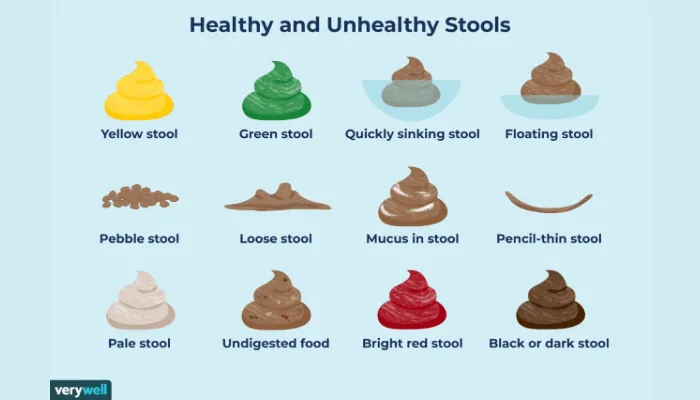
Yes, a change in color combined with a sulfur smell often indicates a medical issue or the effect of a supplement. For example, black or tarry stools can signal bleeding, while pale or clay-colored stools may point to issues with your liver or gallbladder that require immediate medical attention.
How do I know if I have malabsorption?
You likely have malabsorption if you notice that your stool is consistently greasy, floats, or if you’re losing weight without trying. This means your body is failing to break down fats or sugars, and you should see a doctor to discuss testing for conditions like celiac disease or pancreatitis.
Conclusion
Start by tracking your diet and any new supplements for three days to see if the sulfur smell disappears. If the odor goes away, you have identified your trigger and can adjust your habits accordingly. If the smell continues, or if you develop fever, severe pain, or blood in your stool, stop your home monitoring and contact your doctor for a professional evaluation.