
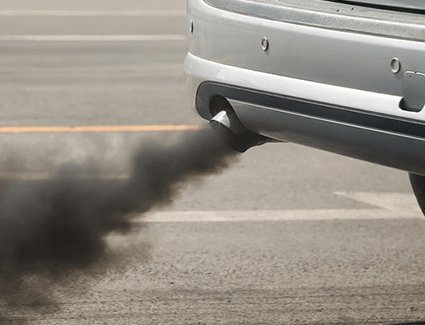
You must stop driving immediately because a car exhaust smell inside the cabin indicates that dangerous carbon monoxide is leaking into your personal space. This gas is colorless and odorless, meaning you can’t rely on your senses to detect how much is present. If you smell fumes, open your windows, turn off the engine, and exit the vehicle to fresh air right away.
What to do when you smell exhaust inside
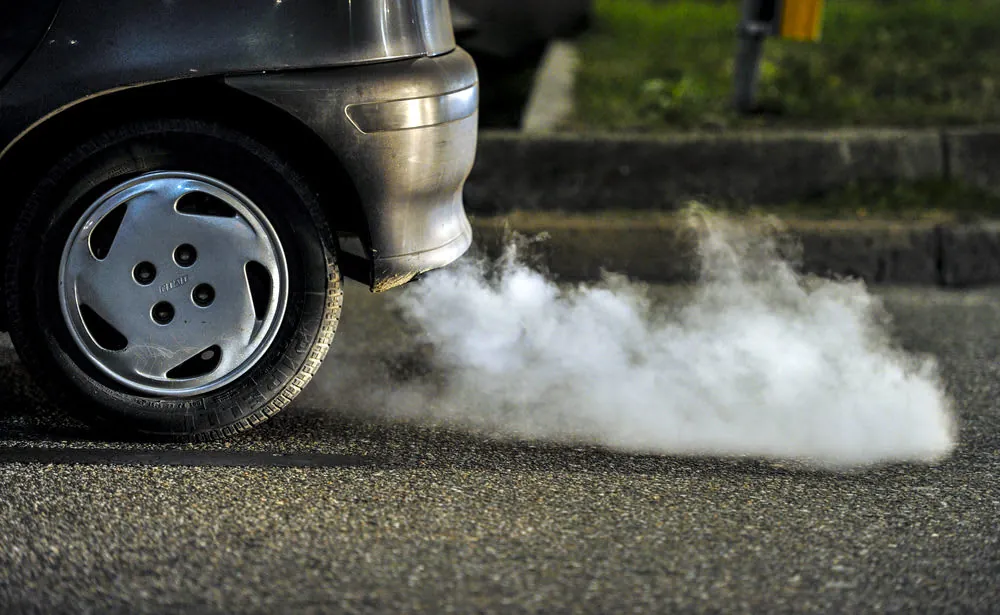
If you notice this smell while driving, act quickly to prevent health risks from toxic fumes. Don’t ignore the scent, as it’s a clear sign of a breach in your vehicle’s exhaust system or cabin seals.
Open all windows fully to vent the cabin air immediately. If the smell persists or worsens when you accelerate, you likely have a manifold leak. If the scent only appears when you’re idling, look for a hole in your muffler or tailpipe.
Turn off the engine as soon as you find a safe place to stop. Exit the vehicle and move to a well-ventilated area away from traffic. Don’t attempt a roadside repair, as carbon monoxide is odorless and can cause lightheadedness within minutes.
Keep the engine off until a professional inspects the vehicle. Never rely on air fresheners to mask the odor, as this costs you the early warning sign of a potentially fatal leak.
Why fumes enter the cabin
A car exhaust smell inside the cabin happens because gases escape the exhaust system before they reach the rear of the vehicle. Under normal conditions, the exhaust pipe carries these gases safely away. If there’s a leak in the manifold, the pipe, or the gasket, the fumes get trapped under the chassis.
The most common way these gases enter is through holes in the floor, damaged trunk seals, or rusted-out body panels. If your vehicle has a faulty tailgate seal, the vacuum effect created while driving pulls exhaust directly into the back of the car. This is particularly dangerous because carbon monoxide interferes with your body’s ability to carry oxygen, causing dizziness or loss of consciousness.
If you smell fumes while idling in traffic, the leak is likely near the engine manifold or the front section of the exhaust pipe. If the smell only appears at highway speeds, check the rear seals and the trunk weatherstripping. Air pressure at high speeds forces gas through these gaps.
Drivers often mistake this for a simple nuisance, but it’s a mechanical failure. Ignoring a hairline crack in the exhaust manifold can cost you more than just repairs; it allows toxic buildup to accumulate in seconds. If you feel lightheaded, open all windows immediately and pull over. Don’t rely on the cabin air recirculation button, as it doesn’t filter carbon monoxide.
Check these, cheapest first

Check the trunk seal
Inspect the rubber weatherstripping around your trunk or tailgate. If the rubber is dry, cracked, or missing, it allows fumes to enter. A good seal should be soft and hold against the frame. If it’s flat or torn, it needs immediate replacement to stop the draft.
Inspect the floorboards
Look under your floor mats for rust holes or missing body plugs. These small gaps allow air from underneath the car to flow directly into the cabin. If you see daylight through the floor, you have found a major entry point for exhaust gases.
Examine the exhaust pipe
Look at the underside of the vehicle for black soot marks or holes in the metal. Soot indicates a leak where gas is escaping before reaching the tailpipe. If the pipe is loud or vibrating, it likely has a crack that needs professional welding or a full part replacement.
Check the window seals
Inspect the rubber seals around your doors and windows for gaps. If these seals are old, they might not close tightly against the frame. A loose seal creates a path for outside air to enter, potentially pulling in exhaust fumes from the road.
The fix for leaks
The repair for a leak depends on where the exhaust is escaping. If the problem is a damaged exhaust gasket or a small hole in the pipe, a mechanic can often seal it with high-heat exhaust tape or replace the specific gasket.
For larger holes in the pipe, you’ll likely need to have a new section of the exhaust system welded into place. If the issue is a failed trunk or door seal, you can simply purchase a new rubber gasket and press it into the frame channel yourself.
You’ll know the fix has held when the smell disappears completely after a long drive with the windows up and the ventilation system set to pull in fresh outside air. If the smell returns within a week, it means the leak is likely further up the exhaust system, such as at the engine manifold, where heat and pressure are much higher. A return of the smell indicates the initial repair didn’t cover the full extent of the damage.
Where this stops being a DIY job
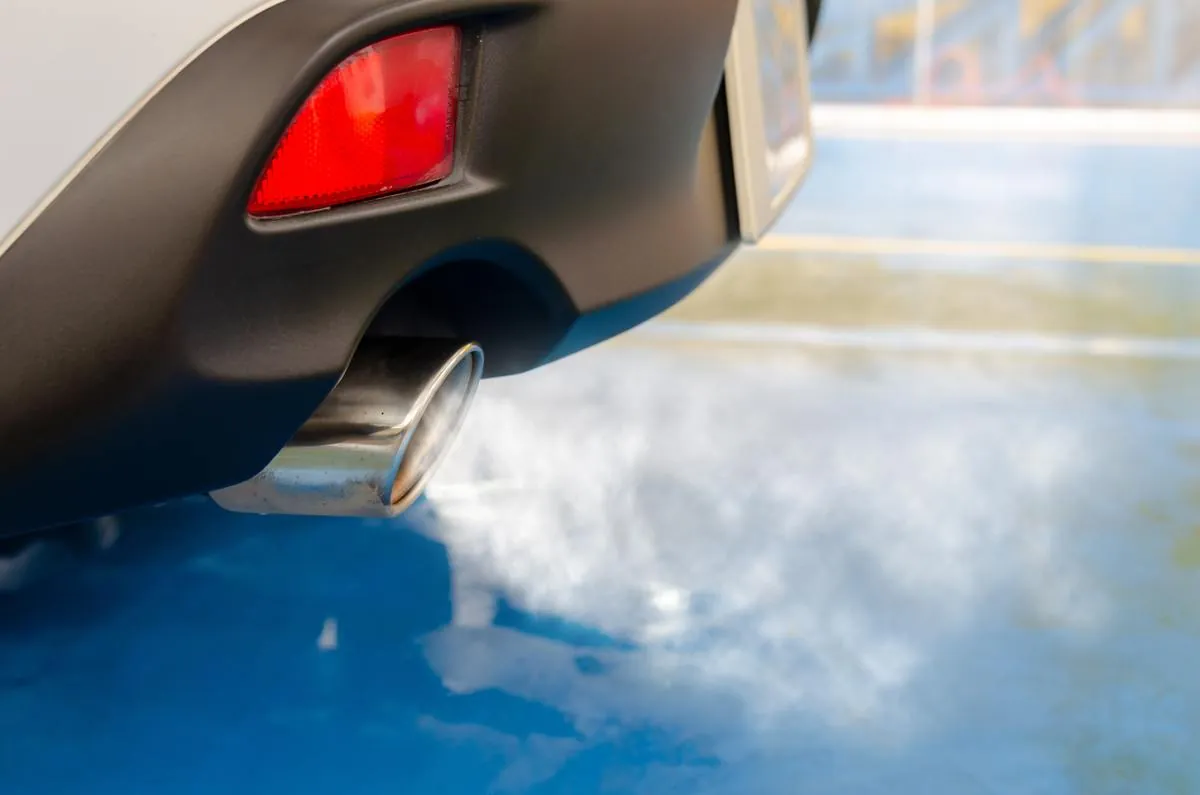
You must stop your DIY efforts if the leak is located at the engine manifold or involves the catalytic converter. These areas require specialized tools to reach and carry a high risk of damaging the engine block if bolts snap during removal. Furthermore, replacing these parts often requires a lift to access the underside of the engine safely.
If your car is making a loud ticking noise during acceleration, the manifold gasket is likely blown. Take the vehicle to a certified mechanic who has the proper equipment to test for leaks and replace high-pressure exhaust components. They will first use a smoke machine to find the exact source of the leak, which is a test you can’t perform at home.
Check for rust on the manifold bolts before you begin. If the threads are orange and flaking, stop immediately. A broken bolt inside the cylinder head requires machine shop work that’s far more expensive than the repair itself. If you can reach the leak with a standard wrench, proceed. If you need a torch or an impact driver to clear the path, you have crossed the line into professional territory.
Related guides
- How to Fix a Hole in a Gun Stock: Step-by-Step Repair Guide in 2026
- How to Fix Polyurethane Mistakes: A Step-by-Step Repair Guide in 2026
Frequently asked questions
Is it safe to drive with an exhaust smell?
It isn’t safe to drive because carbon monoxide can build up to lethal levels inside your car in minutes. You should never ignore this warning sign, as you may lose alertness or consciousness while operating the vehicle. Always treat this as an emergency and have the car towed to a shop.
How long does an exhaust repair take?
A simple repair like replacing a rubber seal takes about 30 minutes, but replacing a section of the exhaust pipe can take 2 to 4 hours. The time depends on the complexity of the exhaust route and whether the bolts are rusted. Ask your mechanic for an estimate after they see the car.
Can a bad catalytic converter cause this smell?
A bad catalytic converter typically produces a rotten egg smell rather than a standard exhaust odor. This happens when sulfur builds up inside the converter due to a rich fuel mixture. If you smell sulfur, have your engine’s fuel system checked immediately to prevent the converter from overheating and causing a fire.
What happens if I ignore the smell?
If you ignore the smell, you risk carbon monoxide poisoning, which causes headaches, nausea, and dizziness. Long-term exposure to even small amounts of exhaust fumes can lead to chronic health issues. Additionally, an exhaust leak will cause your engine to run poorly and may eventually lead to failing an emissions test.
Does it matter if I only smell it at idle?
It matters a lot because the exhaust gas gathers around the car when it isn’t moving. If you only smell it at idle, the leak is likely near the engine manifold or the front section of the exhaust system. If you smell it while driving, the leak is likely in the center or rear section of the exhaust system.
Why does my car smell like gas inside?
A gasoline smell inside the car usually means there’s a leak in the fuel lines or the fuel tank itself. This is a fire hazard that’s different from an exhaust leak, but it’s equally dangerous. Don’t drive the vehicle and have it inspected by a professional mechanic immediately.
Conclusion
Your safety is the top priority, so don’t ignore these warning signs. Since these leaks often stem from a cracked manifold or a rusted pipe, you shouldn’t risk another trip. Call a trusted mechanic today to schedule an inspection. It’s better to be cautious than to deal with hidden dangers later.