

A dirty cabin air filter is the most common reason you might find your car heater smell bad when you turn on the fan. It’s safe to keep driving, but you should fix it soon to improve the air quality inside your vehicle. You can confirm this by checking the filter behind your glove box for trapped dust, leaves, or mold growth.
Troubleshooting common heater smells in your car
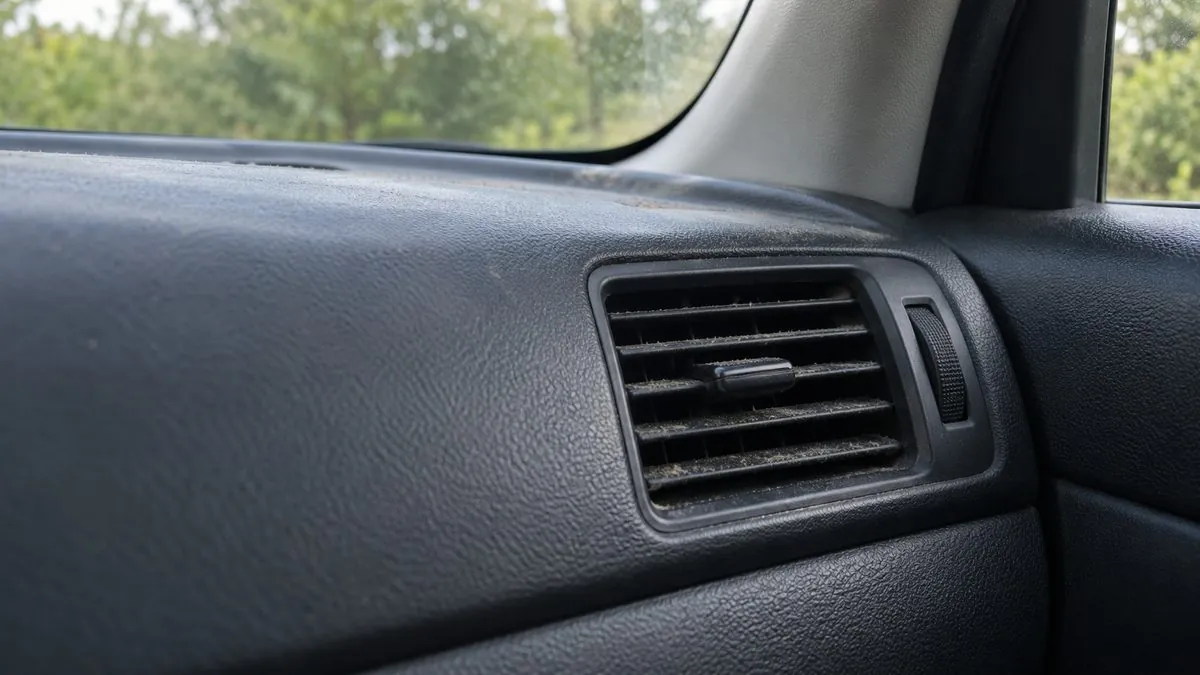
If your car heater smells bad, it usually means debris or moisture is trapped somewhere in the air system. You can use this table to match what you notice to the likely cause.
| What you notice | What it usually means | What to do first |
|---|---|---|
| Musty or damp smell | Mold on the evaporator | Run heater on high |
| Sweet, syrupy scent | Leaking engine coolant | Check the reservoir level |
| Burning rubber smell | Worn drive belt | Inspect engine bay belts |
| Exhaust or gas fumes | Exhaust system leak | Check for loose clamps |
| Dusty or stale air | Dirty cabin filter | Replace the filter |
| Rotting food smell | Rodent nest in vents | Inspect the cabin filter |
Most drivers mistake a sweet, syrupy scent for a minor nuisance, but this often signals a failing heater core. If you notice your windshield fogging up while the smell persists, pull over immediately. A leaking core can spray hot coolant onto your feet, causing severe burns.
If you smell mildew, check your drain tube. It often clogs with leaves or debris, trapping standing water inside the housing. If the water doesn’t drain, mold will return within days regardless of how high you run the heat.
Finally, distinguish between a burning smell and an electrical one. A rubbery odor suggests a slipping belt, but a sharp, acrid scent indicates melting plastic or shorted wiring. If you smell ozone or burning plastic, turn off the climate control and disconnect the battery to prevent a potential fire.
Clogged or dirty cabin air filter
A blocked filter prevents proper airflow and traps organic matter that starts to decay over time. As you run the heater, the warm air forces the odor from the rotting leaves or dust directly into the cabin. This happens most often in older vehicles or cars parked outside under trees for long periods.
To check this, open your glove box and remove the access panel to reach the filter tray. If the filter looks grey, black, or has debris like twigs and leaves, it needs a replacement. Most manufacturers recommend changing this part every 12,000 to 15,000 miles, but you should adjust this interval if you drive on dirt roads frequently.
Once you install a new filter, the smell should fade within a few minutes of running the fan. If the odor persists, the issue lies deeper in the ventilation system. The cost of a new filter is usually low, but ignoring it can lead to reduced airflow and potential damage to the blower motor.
Mold growth on the evaporator core

Moisture often collects on the evaporator core when you use the air conditioning, which creates a perfect home for mold. When you switch to the heater, the warm air passes over this damp, moldy surface and carries the scent into your car. This is a common issue in humid climates where condensation can’t dry out properly after you turn the engine off.
You can often fix this by running the heater on its highest setting for 10 minutes with the windows cracked open. This process helps dry out the moisture and kills the surface mold. If you want a more permanent solution, use a specialized automotive evaporator cleaner to flush the system according to the product instructions.
If you notice a consistent damp smell every time you start the car, the drain tube for the evaporator might be blocked. You’ll need to locate the tube under the car and ensure it isn’t clogged with mud or debris.
Leaking engine coolant in the heater core
A sweet, syrupy smell is a major red flag that your heater core is leaking hot engine coolant. The heater core acts like a small radiator that warms the air; if it develops a pinhole leak, the coolant evaporates into the cabin. This is distinct from other smells because it’s sugary and often accompanied by foggy windows that are hard to clear.
Check your coolant reservoir under the hood to see if the fluid level is dropping over time. If the level is low and you smell that sweet scent, don’t ignore it, as coolant is toxic and the leak will get worse. A leaking heater core isn’t a simple DIY fix because it’s usually hidden deep inside the dashboard.
This cause differs from the others because it involves a liquid leak rather than trapped debris. If you see coolant pooling on the passenger side floor mat, you have confirmed the leak. Stop using the heater immediately to prevent further fluid loss and potential engine overheating until you can take the car to a professional.
When to seek professional repair
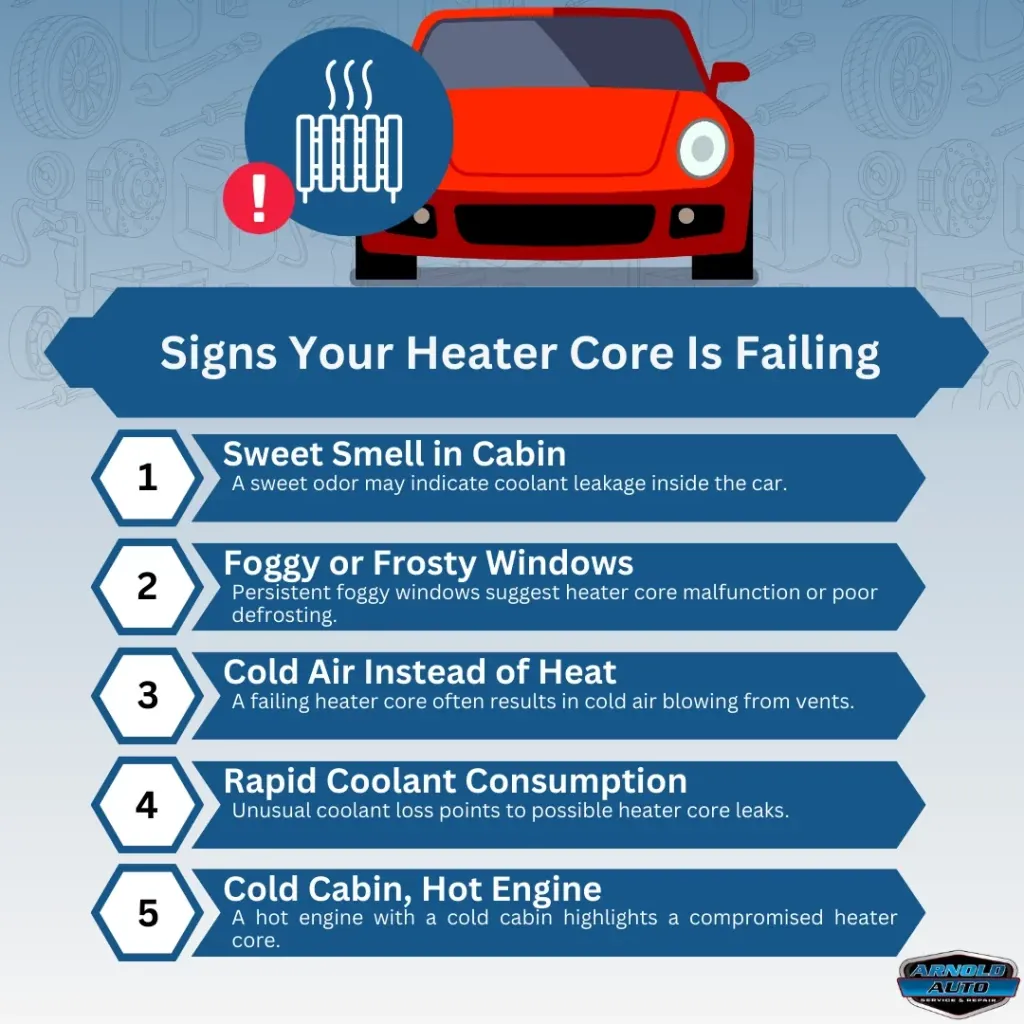
You should stop trying to fix the heater yourself if you notice any of the following signs. These issues require specialized tools or access to sensitive components that can be dangerous to handle.
- Coolant is leaking onto the cabin floor, which risks damaging electrical wiring under the carpet.
- The windows fog up instantly when the heater is on, indicating a dangerous loss of coolant.
- You hear loud grinding or clicking noises from the dash when you change the temperature settings.
- The smell of raw gasoline or exhaust fumes is present, as this indicates a potential fire or carbon monoxide risk.
If you aren’t comfortable taking apart your dashboard to reach the heater core, contact a mechanic. They have the training to test for pressure leaks without causing damage to the surrounding interior trim.
Related guides
- How to Fix Polyurethane Mistakes: A Step-by-Step Repair Guide in 2026
- Dog Smells Like Fish From Back End: Causes and Solutions
- How to Fix a Hole in a Gun Stock: Step-by-Step Repair Guide in 2026
Frequently Asked Questions
Why does my car heater smell like burning plastic?
A burning plastic smell usually means an electrical component or wire insulation is overheating near the blower motor. Turn off the heater immediately and check the fuse box for any signs of melted plastic. If the smell continues, have a technician inspect the wiring to prevent a potential vehicle fire.
How do I know if my heater core is broken?
You’ll know the heater core is broken if you smell a sweet, syrupy odor and notice a thin film of moisture on the inside of your windshield. Check your engine coolant level regularly; if it drops without a visible external leak, the heater core is the most likely culprit.
Is it safe to drive if my car heater smells bad?
It’s safe to drive if the smell is just dust or old leaves, but you should stop driving if the smell is sweet or like exhaust fumes. Sweet smells indicate a coolant leak, while exhaust smells indicate a risk of carbon monoxide entering the cabin. Get these checked by a mechanic immediately.
How long does it take to clean the vents?
Cleaning the vents with a professional foam spray takes about 20 to 30 minutes. You must follow the instructions on the can exactly, as you need to reach the evaporator core for the process to be effective. If you only spray the outer vents, the smell will return very quickly.
Does the cabin filter model matter?
The cabin filter model matters because it must be the exact size specified for your vehicle’s make and year. If the filter is too small, air will bypass it and carry dust into the car; if it’s too large, the tray won’t close. Check your owner’s manual for the specific part number.
What happens if I ignore a moldy heater?
Ignoring a moldy heater leads to poor air quality and potential respiratory irritation for passengers. Over time, the moisture can also cause rust or electrical corrosion behind the dashboard. It’s much cheaper to replace a filter or clean the evaporator than it’s to repair a damaged heater core or blower motor.
Conclusion
If the unpleasant odor persists after you have replaced the filter, it’s time to have a professional inspect your cooling system for a leaking heater core. Don’t ignore a sweet, syrupy scent, as that often signals a more serious mechanical issue. Getting it checked early will keep your cabin comfortable.