

When your breath smells like metal, it’s often a sign of issues ranging from simple oral hygiene to systemic health conditions like kidney or liver stress. This metallic taste or odor is frequently linked to chemical imbalances in your saliva, blood-borne compounds escaping through your lungs, or direct irritation of the mouth tissues. Identifying the source requires you to look for other symptoms like bleeding gums, changes in diet, or recent medication shifts.
Common causes of metallic breath
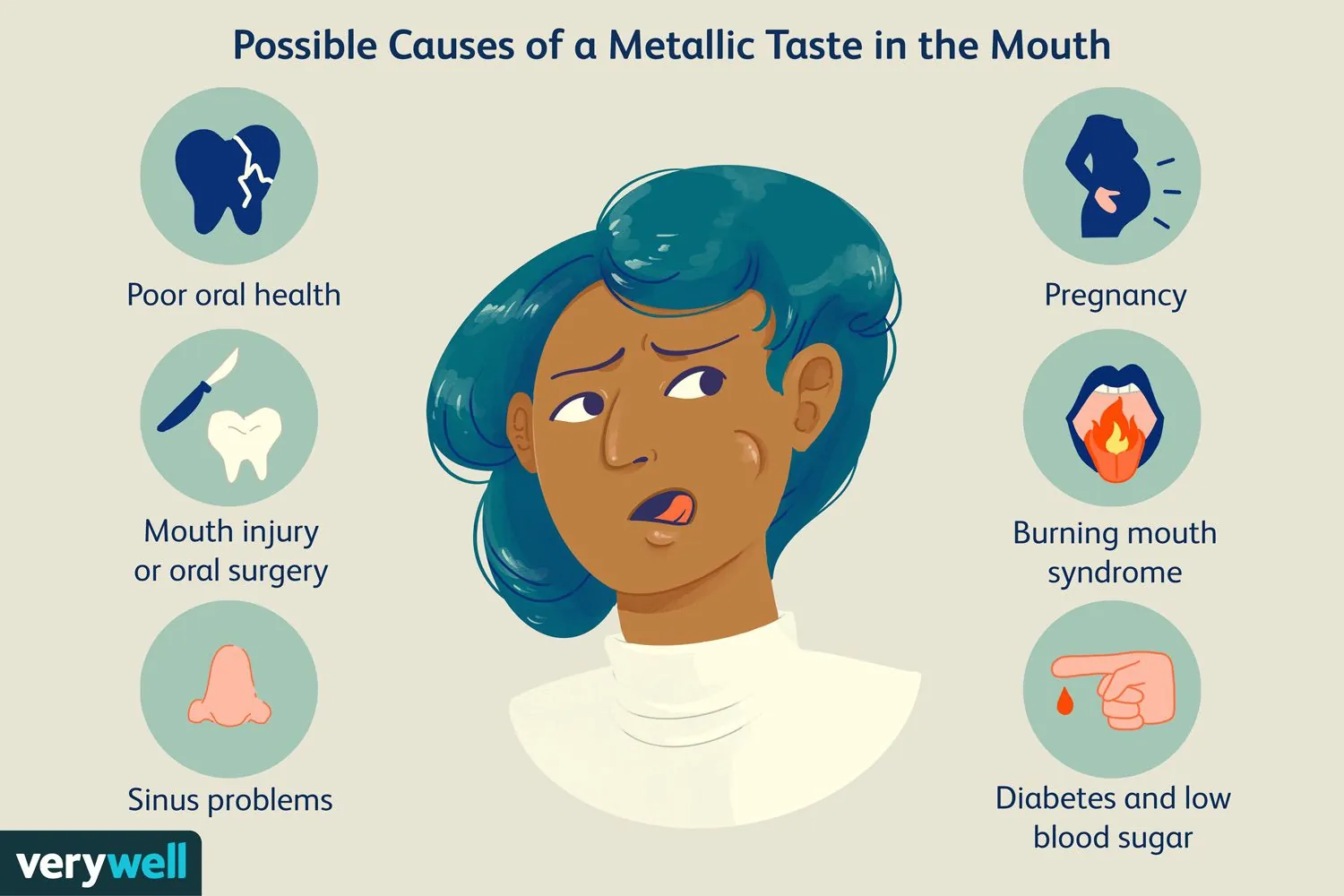
| Potential Cause | Best For Identifying | Concrete Example |
|---|---|---|
| Gum disease | Checking for inflammation | Swollen or red gums |
| Kidney issues | Monitoring waste buildup | Ammonia-like metallic scent |
| Medication side effects | Reviewing recent prescriptions | Antibiotics or blood pressure pills |
| Sinus infections | Detecting drainage patterns | Thick mucus in throat |
| Nutritional deficiency | Checking dietary intake | Low zinc or iron levels |
Gum disease and oral health
Inflammation of the gum tissue, known as gingivitis or periodontitis, is the most common reason for a metallic scent in your mouth. When bacteria build up along the gum line, they create pockets that trap food and produce sulfur-based compounds. If you have bleeding gums, the iron in your blood can leave a distinct, sharp metallic tang that’s easily noticed when you exhale.
- Removes trapped debris that harbors odor-causing bacteria.
- Reduces the frequency of bleeding episodes during brushing.
- Lowers the bacterial load that causes tissue inflammation.
If you notice blood on your toothbrush or see bright red gums, you likely have an active infection. A simple check is to floss between your back molars; if the floss comes out smelling foul or shows blood, your gums are the primary suspect.
Medication and supplement interactions
Many prescription drugs and over-the-counter supplements can alter your saliva chemistry, leading to a persistent metallic odor. This happens because the body processes these substances and excretes metabolic byproducts through the lungs. If you recently started a new regimen, this is often the culprit for sudden changes in your breath.
- Adjusts the chemical profile of your saliva.
- Triggers a sensory distortion known as dysgeusia.
- Increases dry mouth, which concentrates odor-causing compounds.
If you’re taking blood pressure medication, lithium, or certain antibiotics, check the patient information leaflet that came with your pills. For those on multiple medications, keep a log of when the taste is strongest. If it occurs only after taking a specific pill, discuss a potential dosage adjustment with your doctor.
Chronic kidney or liver strain

When the kidneys struggle to filter toxins from the blood, urea builds up and breaks down into ammonia, which can make your breath smell like metal or urine. This is a serious systemic indicator that requires professional evaluation rather than home management. If you feel tired, have swelling in your ankles, or notice a persistent metallic taste that doesn’t go away with brushing, your internal organs may be under stress.
- Identifies when systemic waste isn’t being cleared.
- Signals a need for blood chemistry panels.
- Highlights the difference between oral and internal causes.
If you have a known history of diabetes or high blood pressure, you’re at a higher risk for kidney-related issues. This isn’t a condition you can treat with mouthwash or better brushing; if you suspect organ strain, you must see a primary care physician for a blood test. Never attempt to mask this specific odor, as it’s a vital warning sign your body is providing.
Sinus and respiratory infections
Infections in the sinus cavities can cause a buildup of mucus that drips into the back of the throat, creating a metallic smell. This is often caused by bacteria that thrive in stagnant fluid, releasing gases that you smell every time you breathe out. If you have a stuffy nose or a recent cold, this is the most probable cause of your symptoms.
- Clears trapped mucus from the nasal passages.
- Reduces the bacterial growth in the throat area.
- Helps distinguish between sinus and oral odors.
A quick test is to close your mouth and exhale through your nose; if the odor is stronger than when you exhale through your mouth, the issue is likely in your sinuses. If you have had these symptoms for more than 10 days, or if you have a fever, it’s time to visit an urgent care clinic. Avoid using strong nasal sprays for more than 3 days, as they can cause a rebound effect that worsens the congestion.
Other potential causes
- Dehydration: A lack of fluids reduces saliva flow, which allows minerals and bacteria to accumulate on your tongue and teeth.
- Acid reflux: Stomach acid can travel up the esophagus, leaving a metallic or sour taste that changes the smell of your breath.
- Heavy metal exposure: While rare, breathing in or ingesting lead or mercury can cause a persistent metallic taste and smell.
How to identify why your breath smells like metal

You can determine the source of your metallic breath by checking three specific areas: your mouth, your nose, and your recent habits. If you floss and see blood, the issue is your gums; if you have a stuffy nose and the smell is stronger when breathing nasally, the issue is your sinuses. If neither of those applies, check your medicine cabinet for new prescriptions started in the last few weeks.
If you have ruled out oral hygiene and sinus issues, the remaining possibility is a systemic issue related to your diet or organ function. Never attempt to ignore a metallic smell that persists for more than two weeks, as it rarely resolves without identifying the underlying trigger. You can either address the hygiene or medication change directly, or you must seek professional medical advice to run the necessary blood tests.
Related guides
Frequently asked questions
Can poor dental hygiene cause metallic breath?
Yes, poor hygiene is a leading cause of metallic breath because it allows plaque to harden into tartar. This buildup irritates the gums and causes them to bleed, releasing iron-rich blood that smells metallic. If your gums bleed when you brush, you should schedule a professional cleaning to remove the hardened plaque.
How long does medication-induced metallic breath last?
This side effect typically lasts as long as you’re taking the medication, though it may fade after the first 7 to 14 days as your body adjusts. If the smell is severe or bothersome, consult your doctor about switching to a different drug or adjusting the timing of your dose.
Is metallic breath a sign of a serious illness?
It can be, particularly if it’s accompanied by fatigue, swelling, or changes in urine color, which may indicate kidney or liver issues. If the metallic smell persists despite excellent oral hygiene and no changes in medication, you should see a doctor to check your blood chemistry and organ function.
Does diet affect the smell of my breath?
Yes, diets high in certain minerals or low in specific nutrients like zinc can lead to a metallic taste and smell. If you have recently changed your diet or started taking new vitamin supplements, try pausing them for a few days to see if the scent improves.
How do I know if my sinus infection is causing it?
You can confirm a sinus source by checking if the smell is stronger when you exhale through your nose than through your mouth. If you also have thick nasal discharge or facial pressure, your metallic breath is likely a result of trapped bacteria in your sinus cavities.
Can acid reflux make my breath smell metallic?
Yes, acid reflux can push stomach enzymes and acids into your throat, creating a distinct metallic or acidic odor. If you notice this happening most often after eating or when lying down, you should discuss lifestyle changes or antacids with your healthcare provider to manage the reflux.
Conclusion
Start by brushing and flossing thoroughly to see if the metallic smell fades within 24 hours of improved hygiene. If the odor continues, keep a daily note of any new symptoms or medications to help a doctor find the cause. If you notice swelling in your legs or sudden changes in your energy, stop waiting and call your primary care doctor immediately.