
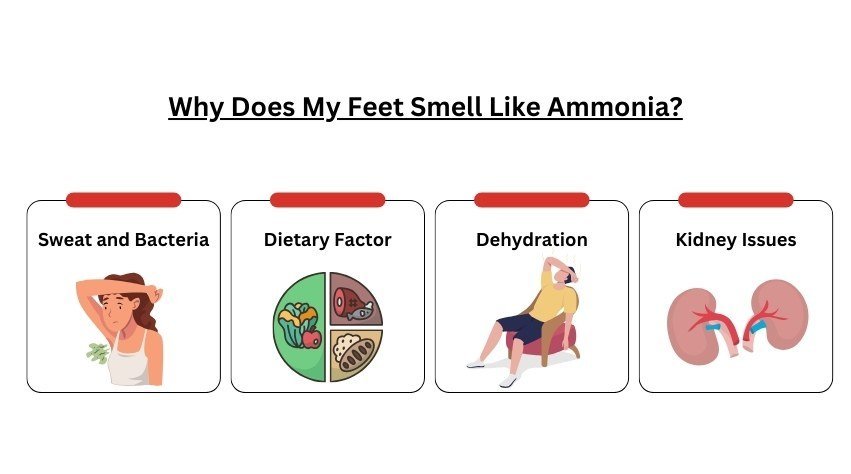
When your breath smells like ammonia, it’s often a sign that your body is breaking down protein for energy instead of using carbohydrates. This process, known as ketosis, releases ketones that your lungs exhale, which can sometimes be confused with other breath odors. If you’re on a strict low-carb diet, this is usually harmless, but it can also indicate that your kidneys aren’t filtering waste products from your blood effectively. You should monitor other symptoms like fatigue or nausea to see if your body needs more carbohydrates.
Tracking causes when breath smells like ammonia
Identifying the root cause of this odor helps you decide if you need to change your diet or consult a medical professional. The table below outlines why this smell happens and what it represents.
| Cause | Best for identifying | Key example |
|---|---|---|
| Ketosis | Low-carbohydrate diets | Eating under 50g carbs |
| Dehydration | Checking fluid intake | Dark or low urine output |
| Kidney strain | Measuring waste buildup | High protein intake levels |
| Poor hygiene | Identifying oral bacteria | Plaque buildup on teeth |
| Dry mouth | Checking saliva production | Medications causing oral dryness |
Ketosis from low-carbohydrate dieting
This occurs when your body shifts its primary fuel source from glucose to stored fat. When you restrict your daily intake to very low levels of carbohydrates, typically below 50 grams for most adults, your liver begins producing ketones. These chemicals circulate through your bloodstream and are eventually expelled through your breath.
- Provides a clear indicator that your body is burning fat stores for fuel.
- Shows that your current metabolic state has shifted away from glucose reliance.
- Signals that your body is processing higher amounts of protein or fat.
If you find this odor persists after you increase your complex carbohydrate intake to a moderate level, the smell is likely not diet-related. For example, a person following a strict keto plan may notice this scent within 3 to 5 days of starting their regimen.
Dehydration and oral chemical buildup
When you don’t drink enough water, your body can’t effectively dilute and flush out urea, which is a nitrogen-rich waste product. This creates a more concentrated environment in your bloodstream, eventually leading to a noticeable ammonia-like scent on your breath.
- Helps identify if your total daily fluid intake is below your needs.
- Signals that your kidneys are struggling to process waste without enough water.
- Highlights the need for more frequent hydration throughout your waking hours.
You can test this by checking the color of your urine; if it’s consistently dark yellow, you’re likely dehydrated. For instance, a person working in a hot environment who forgets to drink for 6 hours will often experience a sharp, metallic, or ammonia-like breath odor as their body struggles to maintain fluid balance.
Reduced kidney function

Kidneys are responsible for filtering urea and other waste products from your blood to be excreted in urine. When these organs don’t function at their peak, waste accumulates in the body, and the lungs try to assist by exhaling these compounds as ammonia.
- Suggests that your blood urea nitrogen levels may be higher than normal.
- Indicates that your body’s internal filtration system isn’t clearing toxins efficiently.
- Points toward a need for blood work to assess your current health markers.
If you have a history of diabetes or high blood pressure, you must treat this symptom as a warning sign. You should stop attempting to self-diagnose and schedule an appointment with a primary care physician to run a standard metabolic panel.
Oral hygiene and bacteria
Sometimes the odor isn’t coming from your blood chemistry at all, but from specific bacteria living in your mouth. These organisms break down food particles and proteins, releasing ammonia as a byproduct of their metabolism.
- Removes the odor by clearing hidden food particles between your teeth.
- Reduces the population of odor-causing bacteria through consistent daily brushing.
- Addresses gum inflammation that provides a breeding ground for these microbes.
If you brush your teeth thoroughly and use floss, but the smell returns within an hour, the source is almost certainly internal rather than oral. For instance, a person who misses their nightly flossing routine may wake up with a strong ammonia scent because bacteria had 8 hours to break down trapped proteins in the gum line.
Other potential factors
- Medication side effects: Certain drugs, especially those that cause dry mouth or alter kidney filtration, can change how your breath smells. If you recently started a new prescription, check the manufacturer’s insert for warnings regarding oral health or kidney function.
- Excessive protein intake: Consuming more protein than your body can utilize forces the liver to break down the excess into nitrogenous waste. If you recently doubled your daily protein consumption to build muscle, your body may be struggling to process the increased nitrogen load.
Choosing the right path forward

You can decide your next step by looking at your current habits and physical state. If you’re currently following a restrictive diet or have recently increased your exercise intensity, your breath odor is likely a result of ketosis and should resolve once your body adapts or you increase your carbohydrate intake.
If you aren’t on a restrictive diet and you feel persistent fatigue, swelling in your ankles, or changes in your urination frequency, you must treat this as a potential medical issue and speak with a doctor. These two conditions, metabolic adaptation and kidney strain, are the most common reasons for this scent. Picking one path means acknowledging whether your lifestyle choices are the likely trigger or if your body is signaling a deeper systemic issue that requires professional diagnostic testing.
Related guides
Frequently asked questions
Can dehydration cause my breath to smell like ammonia?
Yes, dehydration often causes this smell because your body lacks the water needed to dilute and properly process nitrogenous waste products. When your fluid levels are low, your kidneys can’t flush urea as effectively, leading to a buildup that your lungs eventually exhale as ammonia gas.
How long does ammonia breath last after starting a keto diet?
It typically lasts for the first 1 to 2 weeks of your diet while your body adjusts to burning fat instead of glucose. Once your metabolism stabilizes or you introduce a few more complex carbohydrates, the odor usually fades as your body becomes more efficient at processing ketones.
Is it safe to ignore ammonia breath if I feel fine?
It isn’t recommended to ignore it, as it serves as a sign that your body is managing its waste or fuel sources differently than usual. Even if you feel fine, you should track your fluid intake and diet for 3 days to see if the smell disappears.
Does high protein intake cause ammonia breath?
Yes, consuming excessive protein can cause this odor because your body must break down the surplus protein, which releases nitrogen as a byproduct. If your kidneys can’t process this nitrogen quickly enough, it circulates in your blood and is eventually released through your lungs as ammonia.
When should I see a doctor for ammonia breath?
You should see a doctor if the odor persists for more than 7 days despite drinking plenty of water and eating a balanced diet. You should also seek help immediately if you experience secondary symptoms like persistent fatigue, nausea, swelling, or changes in your usual bathroom habits.
Does oral hygiene fix ammonia breath?
Oral hygiene only fixes the odor if the cause is localized bacteria or trapped food particles in your mouth. If you brush and floss thoroughly but the smell returns shortly after, the source is internal and likely related to your blood chemistry or kidney filtration process.
Conclusion
Start by tracking your daily water intake and carbohydrate consumption for three days to see if the smell changes. If you improve your hydration and adjust your diet but the scent remains strong, make an appointment with your doctor for a blood test. If you develop sudden swelling, severe fatigue, or pain in your side, stop waiting and seek professional medical help immediately.