
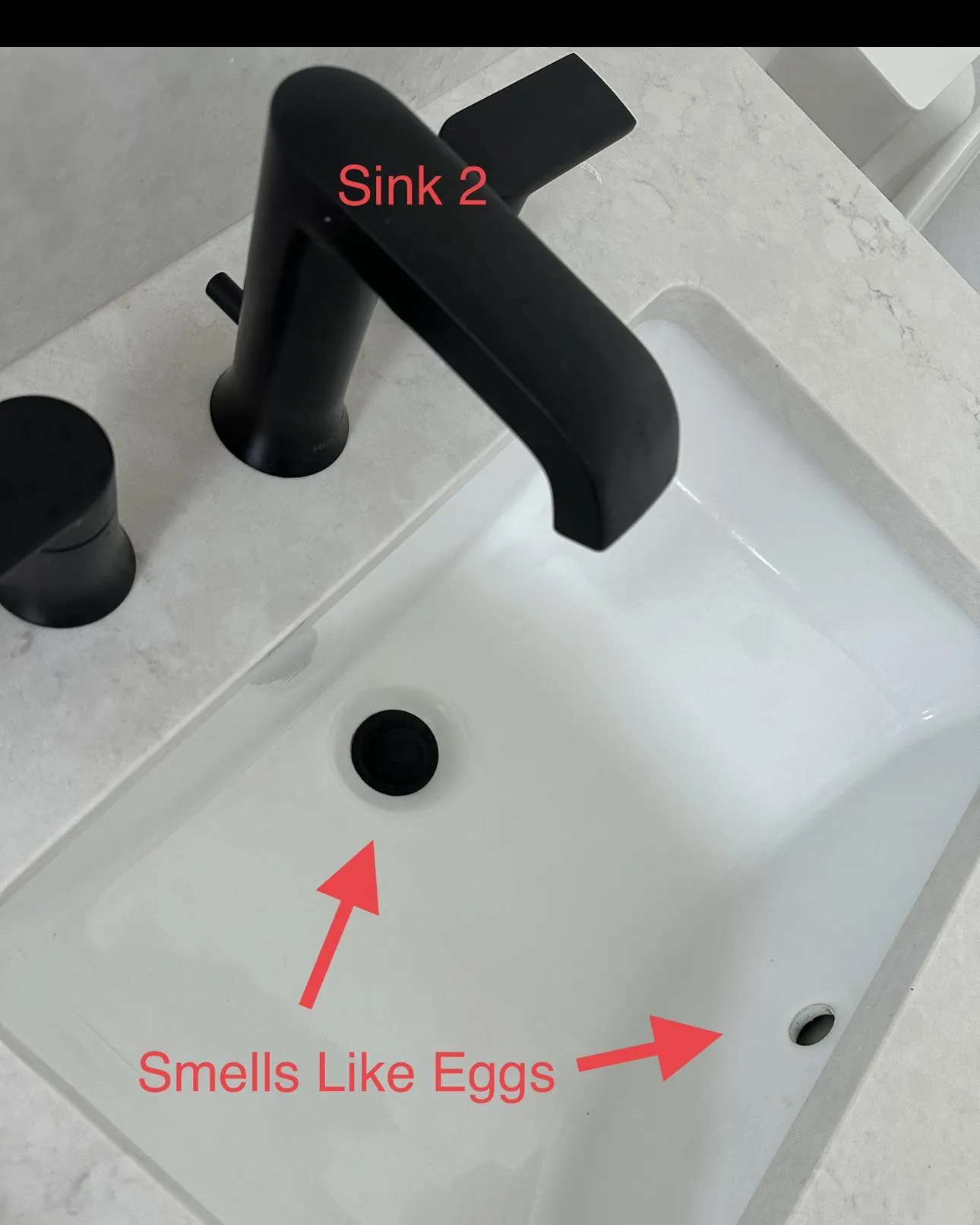
The first thing to check is a dry P-trap. When the curved pipe under your sink loses its water seal, sewer gas rises through the drain and makes the sink smell like rotten eggs. Running the tap for a few seconds usually refills the trap and clears the smell right away.
Why your sink smells like rotten eggs
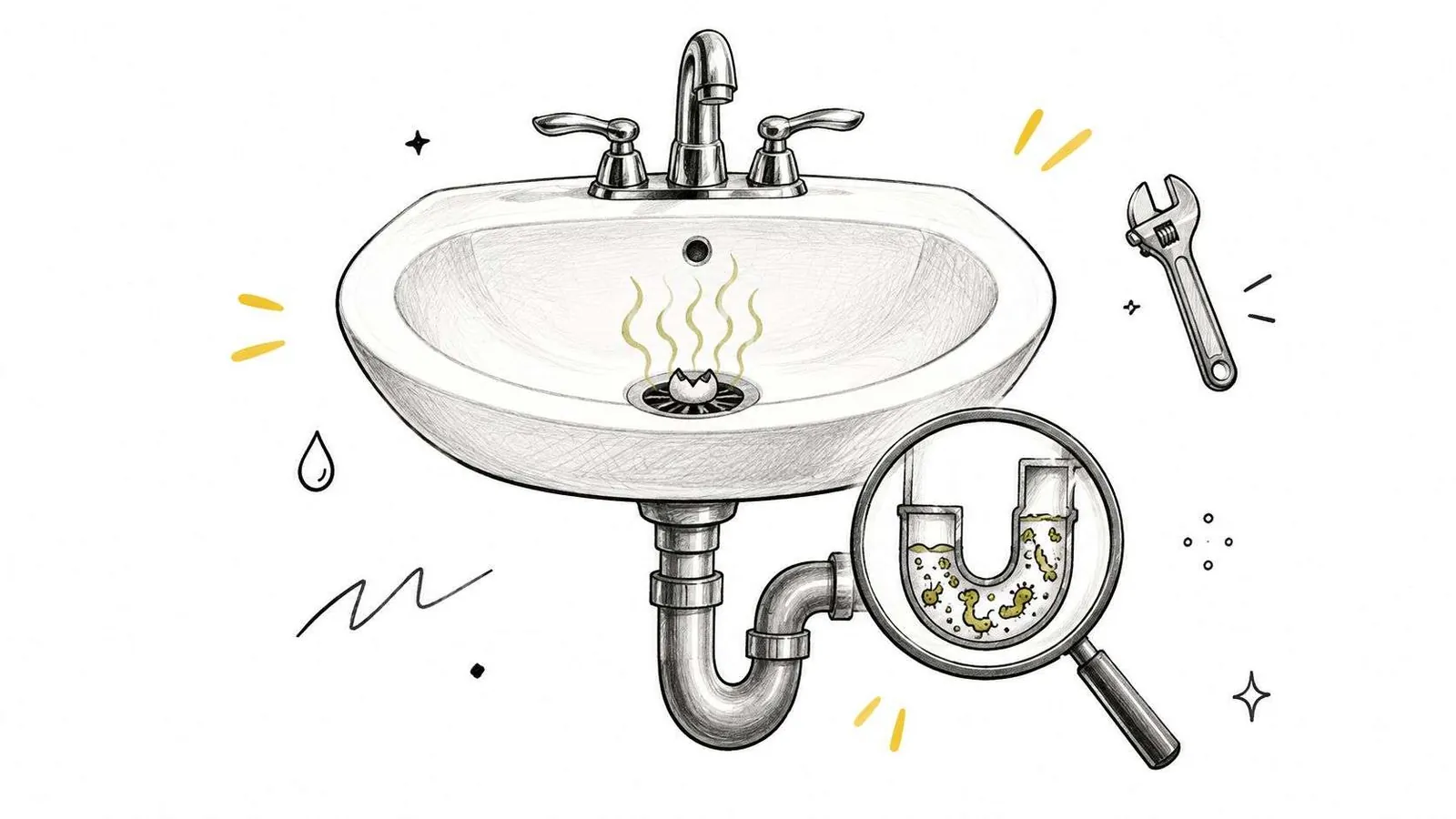
A rotten egg smell from a sink usually means hydrogen sulfide gas is escaping from the drain. This gas forms when bacteria break down organic matter—food scraps, grease, hair, and soap scum—that sits in the drain or the P-trap.
If water hasn’t run down that drain for at least two weeks, the water in the U-shaped P-trap can evaporate. This leaves an open path for sewer gas to drift directly into your room. To test this, pour a quart of water down the drain; if the smell vanishes within an hour, evaporation was the culprit.
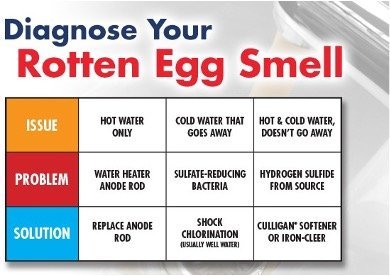
A partially blocked drain also lets waste sit and decay instead of washing away. If you notice the odor only when using hot water, the problem likely resides inside your water heater’s anode rod rather than the pipes.
In these cases, flushing the drain will provide no relief. Instead, you may need to replace the anode rod with a powered (impressed current) anode or a different material to mitigate the reaction. If the smell persists after a deep cleaning, assume a venting issue in your home’s main plumbing stack.
Run hot water down the drain
This fix is for a drain that hasn’t been used recently and has lost its water seal. Turn the tap on and let hot water run for about one minute. The water refills the P-trap under the sink and blocks sewer gas from rising. You’ll know it worked when the smell fades within a few minutes and doesn’t come back the next time you use the sink.
If the trap keeps drying out, the drain may not be used often enough; run water through it once a week. This fix needs no tools or training, but if the smell returns within a day, move to the next step.
Most people mistakenly assume that a drain smell always indicates a clog. If the water drains quickly but the odor persists, the issue is almost certainly the trap seal. If the water drains slowly, however, you likely have a blockage that requires a snake or chemical treatment. Don’t pour bleach down the drain, as it can damage your pipes and fail to clear the underlying trap issue.
Clean the drain and P-trap
This fix is for an active drain where food, grease or hair has built up inside the pipe. Pour half a cup of baking soda down the drain, followed by half a cup of white vinegar. Let it sit for fifteen minutes, then flush with a kettle of hot water.
If the water still drains slowly, the clog is likely trapped in the P-trap itself. Place a bucket under the pipe to catch the standing water. Loosen the slip nuts by hand or with channel-lock pliers. If the pipe doesn’t budge, don’t force it; you risk cracking the plastic or stripping the threads.
Once removed, scrub the interior with a bottle brush to clear the sludge. Reassemble the trap and run water for two minutes to confirm the seal is tight. If you see a bead of water forming at the threads, tighten the nut only a quarter-turn more. Overtightening often cracks the washer, which forces a full replacement of the trap assembly.
Call a plumber for sewer line problems
This is the fix for harder cases where the smell comes from deeper in the drainage system—a cracked drain pipe, a blocked vent stack, or a sewer line issue affecting more than one sink. It’s worth the cost when several drains smell at once, when gurgling sounds come from the pipes, or when cleaning the trap doesn’t help.
A plumber can run a camera down the line and find the break or blockage without tearing up the floor. If you see water backing up into a basement floor drain or a shower when you flush the toilet, stop using all water immediately. This indicates a main line blockage that will force sewage into your home if you continue to run taps.
Don’t attempt to open drain lines inside walls yourself. A mistake there can cause water damage that costs far more than a service call. If the smell persists after a professional cleaning, ask for a smoke test to pinpoint hidden cracks in the vent system.
What not to do with a smelly sink
Pouring bleach down the drain is a common mistake that costs you more in the long run. Bleach is too caustic for older PVC or metal pipes, often causing brittle cracks or corroded seals. It also fails to penetrate the thick, organic sludge where odor-causing bacteria thrive.
Ignoring the smell is equally counterproductive. A dry P-trap or a partial blockage will never resolve itself; it only signals that your water seal has evaporated or a vent pipe is clogged. If you continue to use the sink while the trap is dry, you’re effectively pumping sewer gas directly into your home.
If you can’t identify the source within five minutes of inspection, don’t attempt to dismantle pipes located inside the wall. That’s a licensed plumber’s job. If the leak is under the cabinet, tighten the slip nuts by hand. If the smell persists behind the drywall, call a professional immediately.
Keep the drain from smelling again
| If you’re doing this | Do this instead | Why |
|---|---|---|
| Letting food scraps wash down the drain | Scrape plates into the bin first | Less waste means less decay inside the pipe |
| Letting rarely used drains sit dry | Run water down each drain weekly | Keeps the P-trap seal full and blocks sewer gas |
| Rinsing grease and oil down the sink | Wipe pans with a paper towel and bin it | Grease hardens in the pipe and traps rotting waste |
| Waiting until the smell returns | Flush the drain monthly with hot water | Stops buildup before bacteria can grow in it |
Related guides
Frequently asked questions
Why does only the hot water smell like rotten eggs?
This usually points to the water heater, not the drain. Bacteria inside the tank can react with the anode rod and create hydrogen sulfide gas. A plumber can flush the tank or replace the rod.
Can I use bleach to fix a smelly sink?
No. Bleach can damage pipes and it doesn’t remove the buildup that creates the smell. Baking soda, vinegar and hot water are safer and more effective.
How long should I run water to refill the P-trap?
About one minute of running water is usually enough to refill the trap under a standard sink. If the smell comes back quickly, the trap may be leaking or the drain may be blocked.
Is it safe to take the P-trap apart myself?
Yes, if you can reach the trap under the sink and you have a bucket ready for the water inside. Never open drain pipes inside walls — call a plumber for those.
What happens if I ignore the smell?
The cause won’t go away on its own. A dry trap keeps letting sewer gas into the room, and a blockage can grow until the sink stops draining completely.
When should I call a plumber?
Call when more than one drain smells, when you hear gurgling from the pipes, or when cleaning the trap doesn’t clear the smell within a day or two. Those signs point to a problem deeper in the drainage system.
Conclusion
A dry P-trap is the most common reason a sink smells like rotten eggs, and running the tap for about a minute usually fixes it. If the smell returns or affects several drains, the problem is deeper in the pipework and a plumber is the right next step.