

Sulfur-reducing bacteria in your gut break down protein and release hydrogen sulfide gas. That’s what makes a fart smell like rotten eggs. Most people pass gas between 13 and 21 times a day, and some of it will always carry that smell. The exact number changes from person to person depending on what they eat and how their digestion works. You can check your own pattern against the National Institute of Diabetes and Digestive and Kidney Diseases guide to gas.
Why your fart smells like rotten eggs
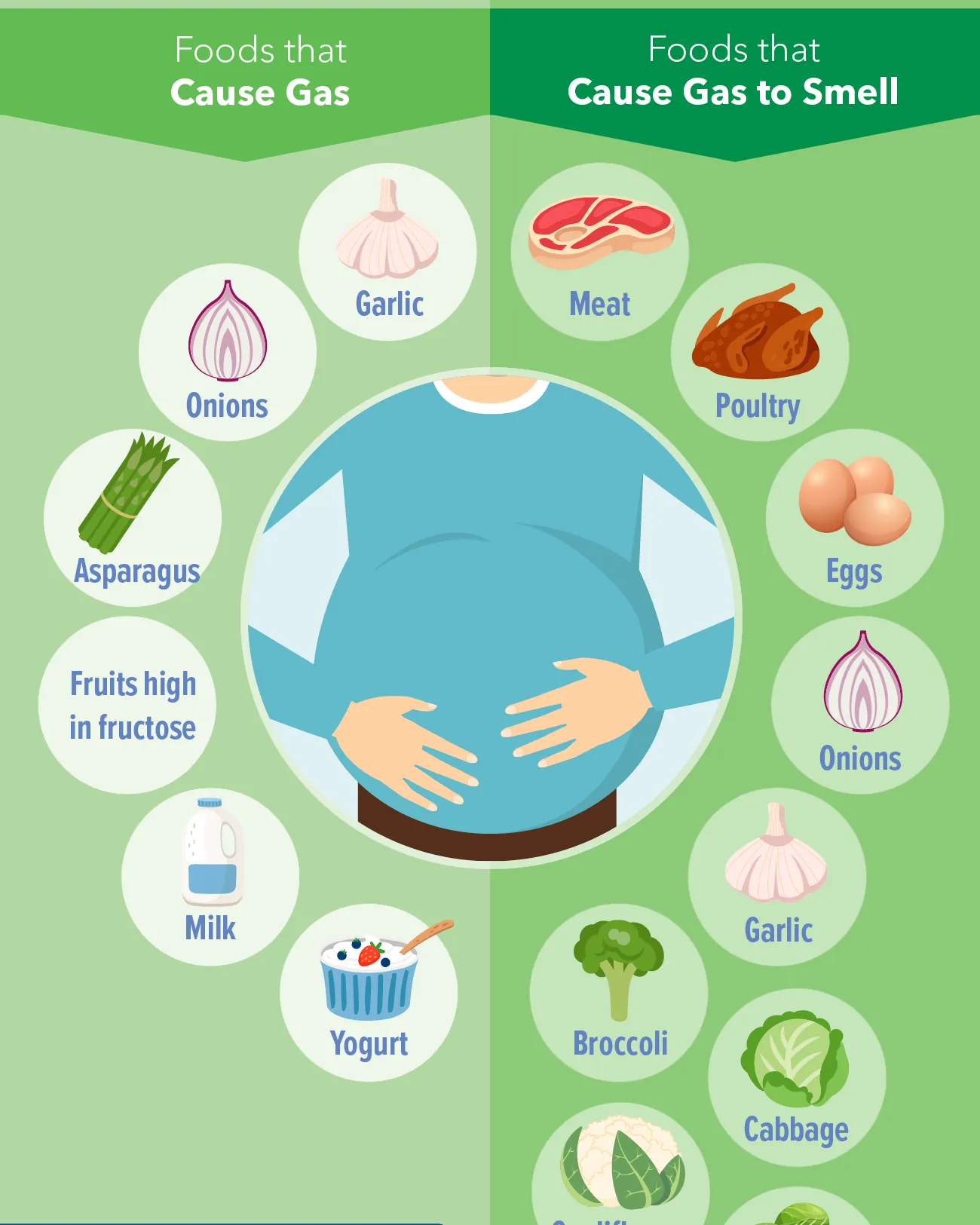
Several things can make your gas smell worse than usual. The list below ranks them from most common to least likely.
| Cause | What it means | Example |
|---|---|---|
| Sulfur-rich foods | Foods high in sulfur feed gas-producing bacteria | Eggs, meat, broccoli, cauliflower |
| Food intolerance | Your body can’t fully digest a certain food | Lactose intolerance, gluten sensitivity |
| Constipation | Stool sits in the colon longer, giving bacteria more time | Fewer than three bowel movements a week |
| Gut infection | Bacteria or parasites change how you digest food | Giardia, small intestinal bacterial overgrowth |
| Medication side effects | Some drugs change gut bacteria or slow digestion | Antibiotics, some pain relievers |
| Swallowed air | Extra air leaves the body as gas | Drinking through a straw, chewing gum |
The checks below are ones you can do safely at home. None of them involves opening anything, taking anything apart, or using a tool. If a check points to a medical problem, stop and see a clinician.
- Keep a food and symptom diary for one week. Write down what you eat and when the smelly gas happens. If eggs, meat, or cruciferous vegetables line up with the smell, those foods are the likely cause.
- Try removing one suspected food at a time for two to three weeks. If the smell fades, bring that food back and watch whether the smell returns.
- Note your bowel movements. Going fewer than three times a week with hard or dry stool suggests constipation is giving bacteria more time to work.
- Watch for other symptoms. Fever, vomiting, blood in the stool, or unexplained weight loss means you shouldn’t manage this at home.
You shouldn’t keep self-checking if you have severe abdominal pain, ongoing diarrhea, blood in your stool, or weight loss you can’t explain. Those are signs to see a doctor or a gastroenterologist rather than keep trying home checks.
Foods high in sulfur
Sulfur-rich foods feed the bacteria that make hydrogen sulfide gas. That’s why eggs, meat, and cruciferous vegetables often make gas smell like rotten eggs. Cutting back on these foods usually reduces the smell within a few days to a couple of weeks, depending on how often you ate them.
- Eggs — high in sulfur; cutting back often reduces the smell quickly
- Red meat and poultry — protein feeds sulfur-reducing bacteria
- Broccoli, cauliflower, cabbage, and Brussels sprouts — cruciferous vegetables contain sulfur compounds
- Garlic and onions — strong-smelling foods that can make gas more noticeable
- Dried beans and lentils — fiber and sugars that bacteria ferment
If you remove several sulfur foods at once, you won’t know which one was responsible. Remove one at a time instead, and keep the others in your diet so you can tell the difference.
Food intolerances

Lactose intolerance means your body doesn’t make enough lactase, the enzyme that breaks down milk sugar. Undigested lactose reaches the colon, where bacteria ferment it and release gas. Gluten sensitivity and other intolerances work the same way: the food you can’t digest becomes fuel for gas-producing bacteria.
You can spot a pattern by noting what you ate before the smelliest episodes. If dairy consistently precedes the smell, lactose intolerance is a likely explanation. A clinician can confirm it with a hydrogen breath test or by guiding you through an elimination diet. Don’t cut out whole food groups for months without professional advice, because you could miss nutrients you need.
Constipation and slow digestion
When stool stays in the colon longer than usual, bacteria have more time to break it down and release sulfur gases. That’s why constipation often comes with worse-smelling gas. Going fewer than three times a week, passing hard or dry stool, or feeling like you can’t empty fully are signs of constipation.
Drinking more water, eating more fiber gradually, and walking regularly can help move things along. Increase fiber slowly over a week or two; adding it all at once can make gas worse before it gets better.
Gut infections and medication effects
An infection such as giardia or small intestinal bacterial overgrowth changes how you digest food and can make gas smell foul. Antibiotics can also change the balance of gut bacteria, sometimes allowing gas-producing types to grow. Other medications slow digestion, which gives bacteria more time to work.
If your smelly gas started after a course of antibiotics or alongside diarrhea, fever, or stomach cramps, contact a clinician. Don’t stop a prescribed medication on your own just because of gas.
How to choose what to try first

Start with the food diary. It costs nothing and shows you whether sulfur foods line up with the smell. If eggs, meat, or cruciferous vegetables are the pattern, cut back on those first. If your bowel movements are fewer than three a week, work on constipation with water, gradual fiber, and walking before blaming food. If you recently took antibiotics or have other symptoms like fever or weight loss, skip the home steps and see a clinician.
You can combine these steps — changing what you eat while also drinking more water and walking more. Picking one food to cut back on doesn’t mean you have to give up all sulfur foods forever.
Related guides
Frequently asked questions
Can certain foods make farts smell like rotten eggs?
Yes. Sulfur-rich foods such as eggs, meat, broccoli, cauliflower, garlic, and onions feed bacteria that release hydrogen sulfide gas. Cutting back on one of these foods for two to three weeks usually shows whether it’s the cause.
Why does my gas smell worse when I am constipated?
Stool that stays in the colon longer gives bacteria more time to break it down and release sulfur gas. Going fewer than three bowel movements a week often means smellier gas until things move again.
How long does it take for the smell to improve after changing your diet?
Most people notice a change within a few days to two weeks after cutting back on a trigger food. The exact time depends on how often you ate that food and how quickly your digestion moves.
Is smelly gas ever a sign of something serious?
It can be. Fever, vomiting, blood in the stool, ongoing diarrhea, or unexplained weight loss alongside smelly gas means you should see a clinician rather than treat it at home.
What happens if I keep eating sulfur foods?
You’ll likely keep passing gas that smells like rotten eggs, because the bacteria keep producing hydrogen sulfide. It isn’t harmful by itself, but it can be socially uncomfortable.
Does swallowed air make gas smell worse?
Swallowed air itself is mostly odorless. It increases how much gas you pass, but the rotten-egg smell comes from sulfur foods and gut bacteria, not from air.
Is it safe to cut out dairy or gluten on my own?
Trying dairy-free for two to three weeks is usually safe to test lactose intolerance. Cutting out gluten or multiple food groups for longer should be done with a clinician so you don’t miss nutrients.
What to do next
Start a one-week food and symptom diary today, then cut back on one suspected sulfur food for two to three weeks. If your body odor persists, rotate to a different sulfur source like cruciferous vegetables or red meat. Expect the smell to fade within fourteen days if that specific food was the primary trigger.
Watch for the return of the odor when you reintroduce the item. If the scent surges back within forty-eight hours, you have identified your culprit.
Most people fail by cutting out every potential trigger simultaneously, which makes it impossible to isolate the true offender. This mistake leaves you restricted for months without a clear answer. If you experience fever, blood in your stool, or unexplained weight loss, stop home care and see a clinician immediately.