
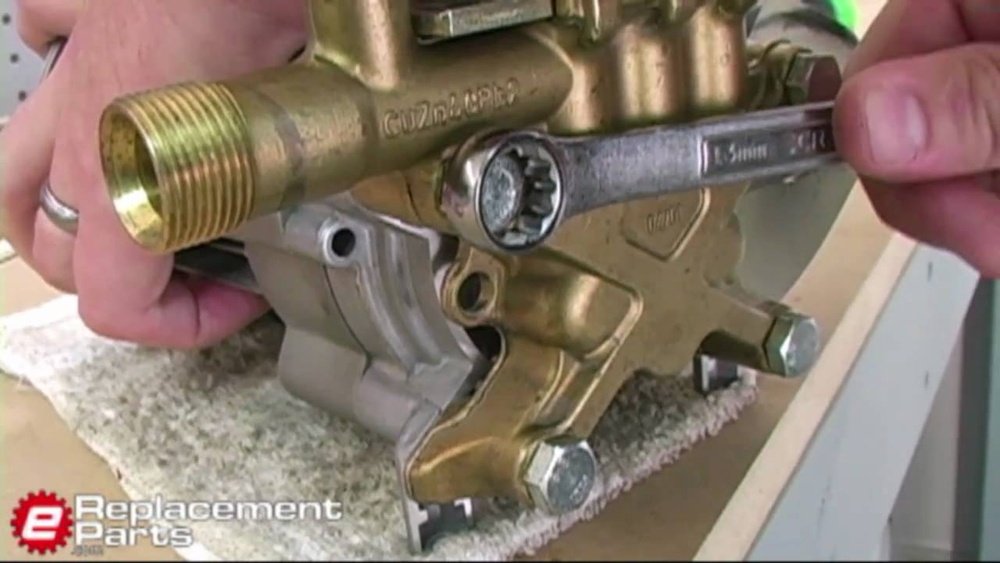
A sputtering engine, a jammed mechanism, or a flickering light are all frustrating signs that something isn’t working as it should. When your pressure washer, a tool designed for powerful cleaning, suddenly fails to deliver, it can be equally disheartening. The pressure washer pump not working is a common, yet often perplexing, issue that can bring your cleaning projects to an abrupt halt. Understanding the potential causes, from simple user errors to more complex mechanical failures, is crucial for getting your equipment back in action.
This guide will equip you with the knowledge to diagnose and potentially resolve a non-functioning pressure washer pump. We’ll explore the typical reasons why a pump might fail, offering step-by-step troubleshooting advice that prioritizes safety and efficiency. Whether you’re dealing with a no-start situation, a loss of pressure, or unusual noises, this comprehensive resource aims to help you identify the culprit and find a solution, saving you time and money on unnecessary repairs.
Key Takeaways
- Low Water Supply is a primary culprit; ensure the inlet hose is clear, the water source is adequate, and the inlet filter is clean.
- Air in the System can prevent the pump from priming; proper bleeding procedures are essential.
- Blocked Nozzles or Hoses restrict water flow, reducing or eliminating pressure.
- Pump Oil Issues (low level, wrong type, or contamination) can lead to pump damage and failure.
- Worn or Damaged Pump Components like seals, pistons, or valves require professional attention or replacement.
- Engine or Motor Problems can prevent the pump from receiving the necessary power to operate.
- Safety First: Always disconnect the power source and relieve pressure before performing any maintenance.

Credit: www.cleanertimes.com
Understanding How A Pressure Washer Pump Works
Before diving into troubleshooting, it’s beneficial to grasp the fundamental principles of how a pressure washer pump operates. Most residential and light commercial pressure washers utilize a positive displacement pump, typically a plunger or piston pump. These pumps work by physically trapping a volume of fluid and forcing it through a discharge opening.
The process generally involves these key stages:
- Intake Stroke: As a piston (or plunger) retracts, it creates a vacuum within a cylinder. This vacuum draws water from the inlet hose through an intake valve.
- Discharge Stroke: The piston then moves forward, compressing the water trapped in the cylinder. This compression forces the intake valve to close and the discharge valve to open, expelling the high-pressure water into the outlet hose.
- Repetition: This cycle repeats rapidly, driven by the engine or electric motor, to generate a continuous, high-pressure water stream.
The pump’s performance is directly linked to the engine’s or motor’s RPM (revolutions per minute). A higher RPM generally translates to higher pressure. The pump head is where the magic happens, containing the pistons, valves, and seals that create the pressurized water.
Understanding this basic mechanism helps in pinpointing where a failure might be occurring.
Common Reasons For A Pressure Washer Pump Not Working
When your pressure washer pump refuses to cooperate, the issue often stems from one of several common problems. Identifying the specific symptom can often lead you directly to the cause.
No Water Output Or Very Low Pressure
This is perhaps the most common complaint. The engine or motor might be running, but no water, or only a trickle, is coming out.
Engine Runs, But No Water (or Very Little)
This symptom points to a failure in the water intake or the pump’s ability to create suction.
Insufficient Water Supply
Pressure washers require a significant and consistent water supply. If the water source is inadequate, the pump can’t draw enough water to operate effectively, or it may run dry, causing damage.
- Check the Inlet Hose: Ensure the garden hose connected to the pressure washer’s inlet is fully open at the spigot and is not kinked or crushed. A restricted water flow at the source will starve the pump.
- Water Source Capacity: Verify that your water spigot can supply at least the minimum GPM (gallons per minute) recommended by the pressure washer manufacturer. For many consumer-grade machines, this is around 5 GPM. A standard garden hose might not deliver this volume.
- Inlet Filter Blockage: Most pressure washers have a filter screen at the water inlet to prevent debris from entering the pump. If this filter is clogged with sediment, sand, or debris, it will severely restrict water flow. Regular cleaning of the inlet filter is crucial maintenance.
Air In The System (loss Of Prime)
Pressure washer pumps need to be “primed”, meaning they need to be filled with water and free of air, to create suction. Air in the pump head prevents it from developing pressure.
- Improper Startup Procedure: If the pressure washer is started before water is flowing freely through the pump, air can be trapped inside. Always ensure the water supply is on and water is running from the wand (before pulling the trigger) before starting the engine or motor.
- Leaking Inlet Fittings: Even a small leak in the connection between the garden hose and the pressure washer inlet can allow air to be drawn into the system, breaking the prime. Check and tighten all connections.
- Air in the Outlet Hose: While less common for preventing initial operation, air trapped in the high-pressure hose can sometimes affect performance. Some machines have a manual unloader valve that can be used to bleed air.
Blocked Inlet Or Outlet Components
Obstructions anywhere in the water path can prevent proper operation.
- Clogged Inlet Filter: As mentioned, a dirty inlet filter is a prime suspect.
- Kinked Hoses: Both the inlet garden hose and the high-pressure outlet hose can cause issues if kinked or severely bent.
- Blocked Nozzle: The spray nozzle is designed to create restriction, but if it becomes clogged with debris (scale, sand, dirt), it can prevent sufficient water flow and pressure buildup. Try removing the nozzle and running the machine briefly to see if pressure returns. Clean or replace clogged nozzles regularly.
Pump Makes Noise But No Water
Unusual noises, such as grinding, knocking, or whining, often indicate mechanical problems within the pump itself or issues with the power source.
Low Pump Oil Level Or Contaminated Oil
Many axial cam and triplex plunger pumps require lubrication and cooling from a specific type of pump oil.
- Check the Oil Level: Most pumps have a sight glass or a dipstick to check the oil level. If it’s low, the pump’s internal components may not be adequately lubricated, leading to increased friction, noise, and potential damage.
- Use the Correct Oil: Always use the type of oil recommended by the pressure washer manufacturer. Using the wrong type (e.g., motor oil instead of specialized pump oil) can lead to poor lubrication and seal degradation.
- Contaminated Oil: Water or debris in the pump oil can significantly reduce its effectiveness and cause wear. If the oil appears milky or contains particles, it should be drained and replaced.
Worn Or Damaged Pump Seals
The seals within the pump head are critical for maintaining pressure. If they are worn, cracked, or degraded, water can leak past them, reducing output and potentially causing cavitation (the formation and collapse of vapor bubbles, which can damage the pump).
- Symptoms: This often manifests as low pressure, but can also be accompanied by a noticeable internal leak sound or even visible water seeping from the pump housing.
- Repair: Replacing pump seals typically requires disassembling the pump head and is often a job best left to experienced DIYers or professionals.
Damaged Pump Components (plungers, Valves, Bearings)
Internal components can wear out or break over time.
- Plungers/Pistons: If a plunger or piston is cracked, scored, or stuck, it won’t be able to create the necessary suction or pressure.
- Valves: Intake and discharge valves can become stuck, broken, or worn, preventing proper water flow.
- Bearings: The bearings that support the pump shaft can fail, leading to grinding noises and eventually seizing the pump.
- Diagnosis: These issues often require a full disassembly of the pump to diagnose and repair.
Pump Overheats
Overheating is a serious sign that the pump is working too hard or not being adequately cooled, which can lead to rapid damage.
Running Dry
As mentioned, operating the pump without sufficient water flow is a primary cause of overheating. The water not only acts as the medium being pumped but also as a coolant for the pump’s internal components. Running dry essentially causes the pump to pump air, which doesn’t dissipate heat effectively.
Restricted Water Flow
Any blockage that reduces the volume of water passing through the pump (clogged filter, kinked hose, blocked nozzle) forces the pump to work harder to maintain pressure. This increased workload generates excess heat.
Internal Leaks
Significant internal leaks (e. g. , due to worn seals) mean the pump is constantly recirculating water internally, generating heat without effectively moving water externally.
Using The Pressure Washer Indoors Or In Poorly Ventilated Areas
While the water flow helps cool the pump, the engine or motor also generates heat. Operating in an enclosed space can trap this heat, contributing to overheating.
Faulty Unloader Valve
The unloader valve is a safety device that bypasses water back to the inlet side of the pump when the trigger gun is released. If it fails to function correctly, water may be continuously bypassed, causing excessive heat buildup.
Engine Or Motor Issues Affecting Pump Operation
The pump itself is only one part of the system. If the power source is not functioning correctly, the pump won’t work.
Electric Pressure Washers
- Power Cord/Outlet Issues: Ensure the pressure washer is plugged into a properly grounded outlet with adequate amperage. Check the power cord for damage.
- Motor Overload/Overheating: Electric motors have thermal protection. If the motor overheats, it may shut down or reduce power. This could be due to issues with the pump itself (too much load) or the motor’s internal components.
- Faulty Switch or Capacitor: Electrical components like the power switch or start capacitor can fail, preventing the motor from starting or running.
Gas Pressure Washers
- Engine Not Running Properly: The engine must be running at the correct RPM for the pump to function. Issues like carburetor problems, spark plug issues, fuel delivery problems, or a governor malfunction can cause the engine to run too slowly or stall.
- Engine Overheating: An overheating engine can lose power, affecting the pump’s performance.
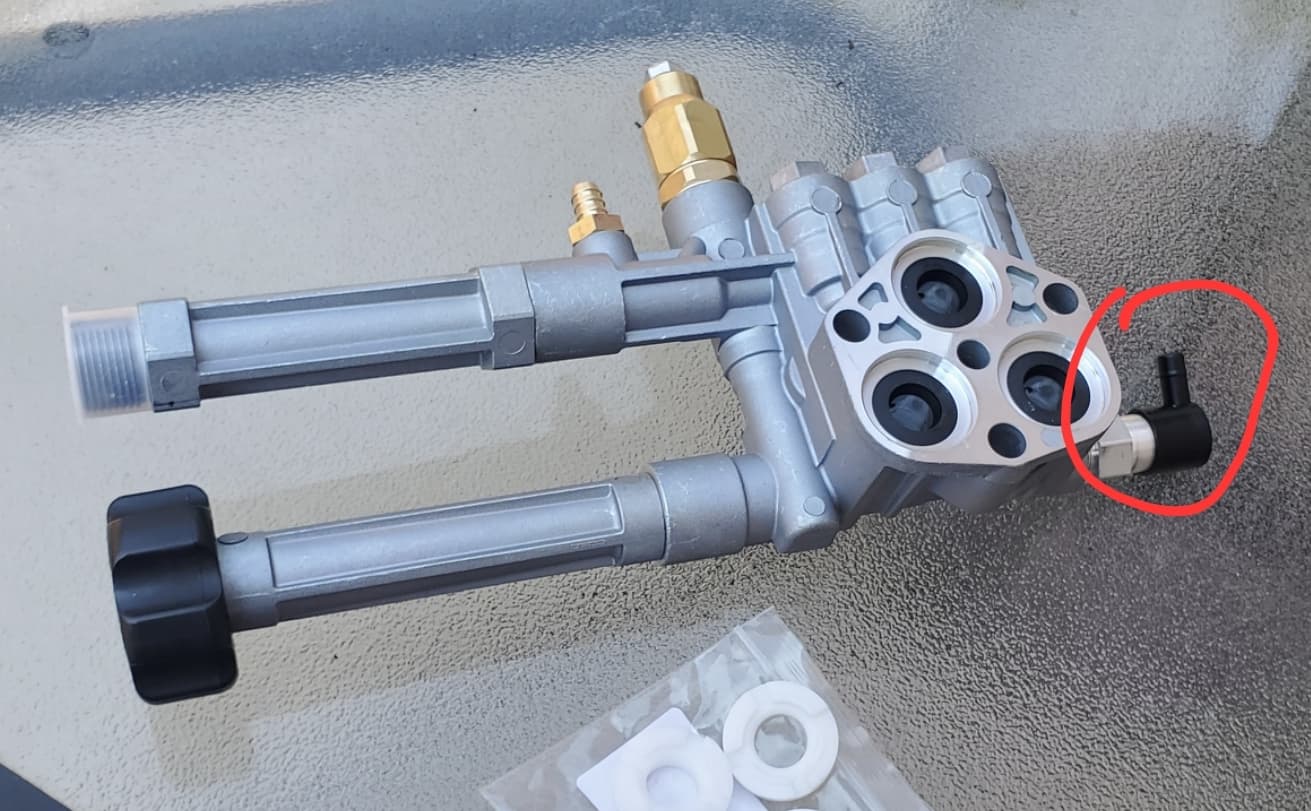
- Clutch or Belt Issues (if applicable): Some pressure washers use a belt drive or clutch system between the engine and pump. If the belt is loose, broken, or the clutch is malfunctioning, the pump won’t be driven.
Credit: pressurewashingresource.com
Troubleshooting Steps: A Practical Guide
When your pressure washer pump isn’t working, follow these systematic steps to diagnose and resolve the issue. Always prioritize safety: disconnect the power source (unplug electric models, turn off gas engines) and relieve any residual pressure by squeezing the trigger gun before performing maintenance.
Step 1: Verify Basic Connections And Water Supply
This is the most crucial first step, as many issues stem from simple supply problems.
- Check Water Source: Ensure the main water spigot is fully open.
- Inspect Inlet Hose: Unroll the garden hose completely. Check for kinks, cuts, or severe damage. Ensure it’s securely connected to both the spigot and the pressure washer inlet.
- Clean the Inlet Filter: Disconnect the garden hose from the pressure washer. Locate the inlet filter (usually a small screen inside the water inlet connection). Carefully remove it (you might need pliers) and rinse it thoroughly under running water. Check for any tears or damage to the screen itself. Reinstall it securely.
- Test Water Flow: With the inlet filter cleaned and reinstalled, reconnect the garden hose. Turn on the water spigot. Let water run freely through the hose and out the pressure washer inlet connection for about 30 seconds to flush out any remaining air and debris.
Step 2: Prime The Pump Correctly
Proper priming is essential for suction.
- Ensure Water is Flowing: With the water supply on, squeeze the trigger gun on the spray wand. Water should flow out at low pressure. Let it run for about 15-30 seconds to expel air.
- Start the Engine/Motor: Once water is flowing steadily from the wand, start the gas engine or plug in and turn on the electric motor.
- Check for Prime: If the pump is primed, you should hear the engine/motor speed up slightly as the pump engages and starts building pressure. The water flow from the wand should become a strong, high-pressure stream.
Step 3: Inspect The High-pressure Hose And Spray Wand
Obstructions in the output side can also cause pressure loss.
- Check the High-Pressure Hose: Inspect the entire length of the high-pressure hose for any visible damage, bulges, or kinks. Ensure both ends are securely connected.
- Inspect the Spray Wand and Nozzle:
- Disconnect the high-pressure hose from the spray wand.
- Remove the nozzle tip from the end of the wand.
- Inspect the nozzle tip for any blockage (e.g., debris, mineral deposits). Use a small wire or pin to clear any obstructions. Many pressure washers come with a small cleaning tool for this purpose.
- Check the connection point on the wand where the nozzle attaches for any debris.
- Reconnect the hose and nozzle, then re-test. If pressure returns, the nozzle was the issue.
Step 4: Check Pump Oil (gas Pressure Washers)
For gas-powered pressure washers with pumps that require oil, this is a critical step.
- Locate the Oil Cap/Dipstick: Refer to your owner’s manual to find the oil fill port.
- Check Oil Level: Remove the dipstick or unscrew the cap. Wipe it clean, reinsert it fully, and then remove it again to check the level. It should be within the indicated range.
- Inspect Oil Condition: Look at the oil. Is it clean and clear, or is it milky (indicating water contamination) or black and gritty (indicating wear or debris)?
- Add or Change Oil: If the level is low, add the manufacturer-recommended type and amount of pump oil. If the oil is contaminated or very dirty, you’ll need to drain the old oil and refill with fresh oil. Draining usually involves removing a drain plug at the bottom of the pump housing.
Pro Tip: When changing pump oil, it’s good practice to also clean the oil fill screen if your pump has one.
Step 5: Examine The Unloader Valve And Detergent System
The unloader valve regulates pressure, and the detergent system can sometimes cause issues.
- Unloader Valve: This component is usually located near the pump head. While diagnosing a faulty unloader valve can be complex, check for obvious signs of damage or leaks around it. Some unloader valves have an adjustment screw, but tampering with it without understanding its function can be dangerous.
- Detergent System: If your pressure washer uses a detergent siphon tube or an onboard tank, ensure the tube is submerged in the detergent solution and that the filter on the end of the tube is not clogged. Blockages in the detergent system itself are unlikely to prevent the pump from working entirely, but they can affect performance.
Step 6: Listen For Specific Sounds
The sounds your pressure washer makes can offer clues.
- Grinding/Screeching: Often indicates bearing failure or internal pump damage.
- Knocking: Could be a loose component, a damaged piston/plunger, or cavitation.
- Whining: Might be related to the pump oil level or air in the system.
Step 7: Consider Engine/motor Issues (gas/electric)
If the pump appears to be receiving water but still isn’t producing pressure, the problem might lie with the power source.
- Gas Engines: Check for proper fuel supply, a clean air filter, a good spark plug, and ensure the engine is running at full throttle. If the engine seems weak or is sputtering, it won’t drive the pump effectively.
- Electric Motors: Ensure you’re using an adequate extension cord (heavy gauge, short length) if needed. Check the power outlet. If the motor hums but doesn’t spin, or trips a breaker, there could be an electrical fault or the pump is seized.

Credit: www.youtube.com
When To Call A Professional
While many pressure washer issues can be resolved with basic troubleshooting, some problems require specialized knowledge and tools. You should consider seeking professional help if:
- You suspect internal pump damage (e.g., broken pistons, cracked pump housing).
- You’ve tried all the basic troubleshooting steps and the pump still isn’t working.
- You’re uncomfortable with disassembling the pump head or engine components.
- The issue involves complex electrical problems with an electric pressure washer.
- The pump is making severe grinding or knocking noises.
A qualified pressure washer repair technician can accurately diagnose complex mechanical failures, source replacement parts, and perform repairs safely. Attempting extensive repairs without the necessary expertise can lead to further damage or personal injury.
Maintenance Tips To Prevent Pump Failure
The best way to avoid a pressure washer pump not working scenario is through diligent preventative maintenance. Regular care can significantly extend the life of your equipment and ensure reliable performance.
After Each Use
- Flush the System: Run fresh water through the pump for a minute or two to clear out any remaining dirt, debris, or chemicals.
- Relieve Pressure: Squeeze the trigger gun to release any residual pressure in the system.
- Disconnect: Turn off the engine/motor and disconnect the power and water sources.
- Clean Exterior: Wipe down the exterior of the machine to remove dirt and grime.
Regular Maintenance (monthly Or As Per Manufacturer’s Schedule)
- Clean Inlet Filter: This is arguably the most important regular maintenance task. A clogged filter is a leading cause of pump issues.
- Check Pump Oil: Ensure the oil level is correct and the oil is clean. Change the oil annually or as recommended by the manufacturer.
- Inspect Hoses and Connections: Look for wear, cracks, or leaks in the high-pressure hose, garden hose, and all fittings.
- Check Spray Nozzles: Ensure they are clean and free of blockages.
Seasonal Storage (if Applicable)
- Pump Saver/Antifreeze: If you live in an area with freezing temperatures, it’s crucial to prepare your pressure washer for storage. Run a pump saver solution (available at most hardware stores) through the pump to prevent internal components from freezing and cracking. This solution often contains antifreeze and corrosion inhibitors. Follow the product instructions carefully.
- Drain Fuel (Gas Engines): For gas engines, it’s recommended to either drain the fuel tank completely or add a fuel stabilizer before long-term storage to prevent fuel degradation.
- Store Properly: Store the pressure washer in a clean, dry location, protected from extreme temperatures.
Comparison: Common Pressure Washer Pump Issues And Solutions
To help illustrate the troubleshooting process, here’s a table summarizing common problems, their likely causes, and the corresponding solutions.
| Symptom | Likely Cause(s) | Troubleshooting Steps | When to Seek Professional Help |
|---|---|---|---|
| No water output / Very low pressure | Insufficient water supply, air in system, clogged inlet filter, blocked nozzle/hose, faulty unloader valve | Check water source, inspect/clean inlet filter, prime pump correctly, check hoses for kinks, clean/replace nozzle, test without nozzle. | Persistent low pressure after basic checks, suspected unloader valve failure. |
| Pump makes noise but no water | Low/contaminated pump oil, worn seals, damaged internal components (pistons, valves), air in system | Check pump oil level/condition, ensure proper priming, listen for specific noises (grinding=bearings, knocking=internal damage). | Grinding, knocking, or persistent noises; suspected internal damage. |
| Pump overheats | Running dry, restricted water flow, internal leaks, faulty unloader valve, poor ventilation | Ensure adequate water supply, check for blockages, verify unloader valve function (if possible), operate in open area. | Rapid overheating, persistent overheating despite adequate water flow. |
| Engine/Motor runs, but no pump action | Issues with power source (engine problems, electrical faults), drive system failure (belt/clutch), pump seized | Verify engine/motor is running correctly at proper RPM, check drive belt tension/condition, listen for motor strain. | Suspected seized pump, engine/motor electrical faults, drive system damage. |
Understanding Pressure Washer Pump Types
The type of pump your pressure washer uses can influence troubleshooting and maintenance. The two most common types are:
Axial Cam Pumps
- Design: These pumps are characterized by a rotating disc (cam) that pushes pistons back and forth. They are often directly coupled to the engine or motor shaft.
- Commonality: Widely used in many electric and some smaller gas-powered pressure