
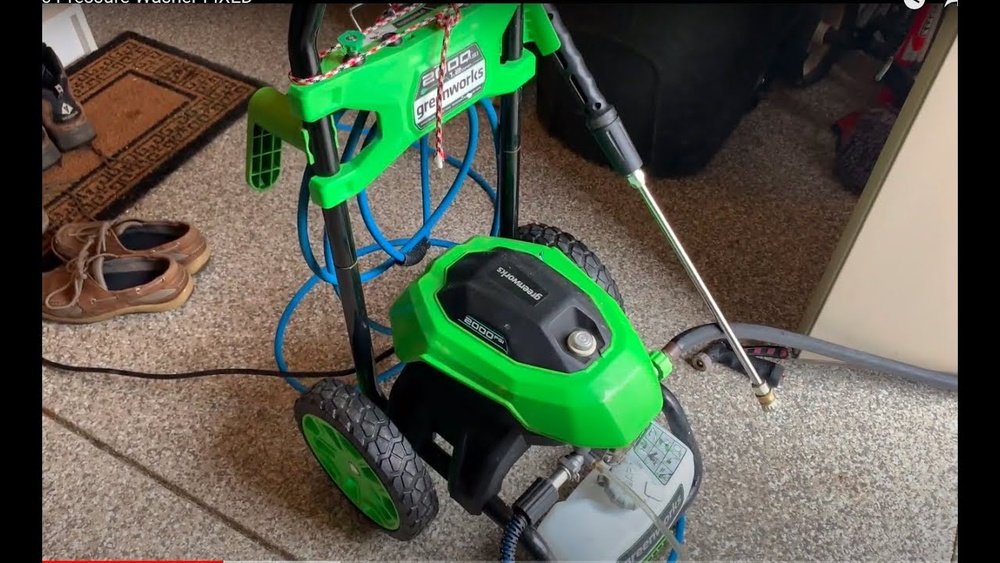
When your Greenworks pressure washer fails to start or perform as expected, it can be a frustrating experience, especially when you have cleaning tasks that require immediate attention. These machines are designed for efficiency and power, making them invaluable tools for everything from washing cars and decks to cleaning siding and driveways. However, like any mechanical equipment, they can encounter issues. Understanding the common problems and their solutions is key to getting your Greenworks pressure washer back up and running quickly.
This comprehensive guide will walk you through the most frequent reasons why a Greenworks pressure washer might not be working, covering both electric and gas models. We’ll explore troubleshooting steps for power issues, water flow problems, starting difficulties, and pressure fluctuations.
By systematically addressing each potential cause, you can diagnose the problem and implement the necessary fixes, saving you time and the expense of unnecessary repairs or replacements.
Key Takeaways
- Power Source Issues: For electric models, check the power outlet, extension cord, and GFCI reset. For gas models, inspect the fuel level, spark plug, and carburetor.
- Water Supply Problems: Ensure the water source is adequate, the inlet hose is free of kinks, and the filter is clean.
- Starting Difficulties: For gas engines, verify fuel-to-air mixture, choke setting, and oil levels. For electric models, ensure the unit is properly primed.
- Low Pressure: Check for blockages in the nozzle, hose, or filter. Inspect for leaks and ensure the engine or motor is running at optimal speed.
- Safety Features: Understand how safety features like low-oil shutdown (gas) or GFCI protection (electric) might be preventing operation.
- Maintenance is Crucial: Regular cleaning of filters, spark plugs, and proper fuel storage can prevent many common issues.

Credit: www.youtube.com
Troubleshooting Power Issues On Electric Greenworks Pressure Washers
Electric pressure washers offer convenience and ease of use, but they are entirely dependent on a stable power supply. When your electric Greenworks pressure washer won’t turn on, the initial investigation should focus on the electrical components. These issues are often the simplest to resolve with basic checks.
Checking The Power Outlet And Extension Cord
The most fundamental reason an electric device won’t power on is a lack of electricity reaching it. Start by verifying that the power outlet you are using is functional. Plug in another small appliance, like a lamp or a phone charger, to confirm the outlet is live. If the outlet is dead, you may need to check your home’s circuit breaker or fuse box.
If the outlet is working, the next suspect is the extension cord. Not all extension cords are created equal, and using an undersized or damaged cord can prevent your pressure washer from receiving sufficient power, or even cause it to shut down as a safety measure. Greenworks pressure washers, especially higher-powered models, require heavy-duty extension cords rated for outdoor use and capable of handling the amperage draw. Look for cords labeled for 12-gauge or 10-gauge wire, and ensure they are rated for at least 15 amps. Inspect the cord for any cuts, nicks, or damaged prongs. A frayed cord is a fire hazard and should be replaced immediately.
Understanding Gfci Protection
Many electric pressure washers, including Greenworks models, are equipped with a Ground Fault Circuit Interrupter (GFCI) for safety. This is a crucial safety device designed to shut off power if it detects an imbalance in the electrical current, which can happen if water comes into contact with electrical components. You’ll often find a GFCI button (usually labeled “Test” and “Reset”) directly on the power cord of the pressure washer or at the outlet itself.
If your pressure washer suddenly stops working, or won’t start at all, check the GFCI. Press the “Reset” button firmly. If it clicks and stays in, power should be restored. If it trips again immediately, there might be a more serious electrical issue with the pressure washer itself or a fault in the GFCI mechanism. In some cases, the GFCI outlet in your home might have tripped; check your main electrical panel for any tripped breakers.
Inspecting The Power Switch And Internal Components
If the outlet, extension cord, and GFCI are all functioning correctly, the issue might lie within the pressure washer’s own power switch or internal wiring. First, ensure the power switch on the unit is in the “On” position. Sometimes, it can be accidentally bumped or not fully engaged.
For more advanced troubleshooting, you might need to inspect the internal wiring. This step requires a degree of electrical knowledge and caution. If you are not comfortable working with electrical components, it’s best to consult the Greenworks user manual or contact their customer support. However, a visual inspection might reveal loose wires or signs of damage. Ensure all connections are secure. If you suspect a faulty motor or internal switch, professional repair might be necessary.

Credit: www.youtube.com
Diagnosing Starting Problems On Gas Greenworks Pressure Washers
Gas-powered Greenworks pressure washers offer more portability and power, but their internal combustion engines introduce a new set of potential starting issues. Unlike electric models, a gas engine requires a precise blend of fuel, air, and spark to ignite.
Fuel And Oil Levels
The most basic, yet often overlooked, reason a gas engine won’t start is a lack of fuel or oil.
- Fuel: Ensure the fuel tank is filled with fresh gasoline. Stale gasoline, typically older than 30 days, can degrade and cause starting problems due to gumming up the fuel system. Always use gasoline with an octane rating recommended in your owner’s manual, and avoid using E85 or gas with more than 10% ethanol, as this can damage engine components.
- Oil: Many gas pressure washers have a low-oil shutdown sensor. This safety feature prevents the engine from running without sufficient oil, which could cause catastrophic damage. Check the oil level using the dipstick and add the recommended type and amount of oil if it’s low.
The Spark Plug And Ignition System
The spark plug is vital for igniting the fuel-air mixture in the engine cylinder. If the spark plug is fouled, damaged, or not receiving a strong spark, the engine will not start.
- Removal and Inspection: Carefully remove the spark plug using a spark plug wrench. Inspect it for signs of wear, carbon buildup, or damage to the electrode.
- Cleaning and Gap Adjustment: If it appears dirty, you can try cleaning it with a wire brush and carb cleaner. Ensure the gap between the electrodes is set to the manufacturer’s specifications (found in your manual).
- Testing for Spark: Reconnect the spark plug wire to the plug, but keep the plug itself grounded against the engine block (use insulated pliers to hold it). Have someone pull the starter cord while you observe. You should see a strong, blue spark jumping across the electrode. A weak or yellow spark indicates an issue with the ignition coil or other ignition components, which may require professional attention.
- Replacement: If the spark plug is damaged or shows significant wear, it’s best to replace it with a new one that matches the specifications in your manual.
Carburetor Issues
The carburetor is responsible for mixing the right amount of fuel and air for combustion. If the carburetor is dirty, clogged, or misadjusted, it can prevent the engine from starting or running smoothly. This is particularly common if the pressure washer has been stored for an extended period with fuel left in the tank.
- Fuel Stoppage: Over time, fuel can leave deposits and varnish in the carburetor’s tiny passageways, restricting fuel flow.
- Cleaning: For minor clogs, you can try using a carburetor cleaner spray. For more stubborn blockages, the carburetor may need to be removed, disassembled, cleaned thoroughly with specialized solvents, and reassembled. If you are not experienced with carburetor repair, it’s advisable to seek professional help or consult a service manual.
- Primer Bulb: Many gas pressure washers have a primer bulb. Pressing this several times before starting helps draw fuel into the carburetor. If the primer bulb is cracked or doesn’t seem to be working, it will hinder starting.
Air Filter And Fuel Lines
A clogged air filter restricts airflow to the engine, preventing proper combustion. Check the air filter, typically located in a housing on the side of the engine. If it’s dirty, clean or replace it according to the manufacturer’s instructions. A dirty air filter is a common culprit for poor performance and starting issues.
Inspect the fuel lines for any kinks, cracks, or blockages. Ensure the fuel shut-off valve (if present) is in the “On” position.

Credit: www.youtube.com
Addressing Water Flow And Pressure Problems
Once you’ve confirmed your Greenworks pressure washer is receiving power (electric) or its engine is running (gas), the next common set of problems relates to water flow and pressure output. Low pressure or no water flow can stem from issues with the water supply, blockages, or leaks.
Water Supply And Inlet Hose
The pressure washer is only as good as the water supply it receives.
- Water Source: Ensure your water source (e.g., garden hose bib) is turned on fully and providing adequate water flow. Most pressure washers require a minimum water flow rate of 3-5 gallons per minute (GPM). A low flow rate from your faucet will result in low pressure from the washer.
- Inlet Hose: Check the inlet hose connecting the water source to the pressure washer. Ensure it’s not kinked, twisted, or crushed, as this restricts water flow. Also, make sure the hose is securely attached to both the faucet and the pressure washer inlet.
- Water Filter: Most Greenworks pressure washers have an inlet water filter (usually a mesh screen) located where the garden hose connects to the unit. This filter prevents debris from entering the pump and causing damage. If this filter is clogged with sediment or debris, it will severely restrict water flow. Remove the filter and clean it thoroughly under running water.
Nozzle And High-pressure Hose Issues
Blockages can occur at various points in the water path.
- Nozzle: The nozzle tip is the most common place for a blockage. Tiny particles of dirt or mineral deposits can clog the small opening. Try clearing the nozzle with a thin wire or a dedicated nozzle cleaning tool. Many pressure washers come with a small brush for this purpose. Ensure you are using the correct nozzle for the task; some high-pressure nozzles can be easily blocked if used incorrectly or if debris gets into them.
- High-Pressure Hose: While less common, debris can also get lodged within the high-pressure hose itself. If you suspect a blockage, disconnect the hose from both the pump and the spray gun and try to flush it with water.
- Unloader Valve: The unloader valve regulates water flow and pressure. If it’s stuck or malfunctioning, it can lead to low pressure or inconsistent output. This is a more complex component to diagnose and often requires professional attention.
Leaks In The System
Leaks can significantly reduce the pressure output of your pressure washer.
- Hose Connections: Check all connections for leaks: where the garden hose connects to the inlet, where the high-pressure hose connects to the pump and spray gun, and around the spray gun itself. Tighten any loose fittings.
- Hose Damage: Inspect the high-pressure hose for any cuts, abrasions, or bulges, which indicate internal damage and potential leaks. A damaged hose should be replaced immediately for safety reasons, as they can burst under pressure.
- Pump Seals: Internal leaks within the pump seals can also cause pressure loss. If you notice water leaking directly from the pump housing, it may indicate a worn seal that requires pump repair or replacement.
Common Issues With Greenworks Pressure Washer Spray Guns And Wands
The spray gun and wand assembly are your primary interface with the cleaning power of the pressure washer. Problems here can manifest as low pressure, inconsistent spray, or the inability to spray altogether.
Trigger Lock And Safety Latch
Most spray guns feature a trigger lock or safety latch to prevent accidental spraying. Ensure this safety mechanism is fully disengaged before attempting to squeeze the trigger. Sometimes, the lock can get stuck or not fully release, making it seem like the gun isn’t working. Try manipulating the lock a few times to free it up.
Clogged Spray Gun Or Wand
Similar to the nozzle, the spray gun and wand can also become clogged.
- Spray Gun Inlet: Debris can enter the spray gun through the high-pressure hose connection. Check the inlet screen on the spray gun for any blockages.
- Wand Passage: The wand itself has an internal passage. If a significant blockage occurs further up the system, it could affect the spray gun’s operation. Flushing the wand from both ends (if possible) can help clear minor obstructions.
Worn O-rings And Seals
Over time, the O-rings and seals within the spray gun and wand can wear out. This can lead to internal leaks, reducing the pressure that reaches the nozzle and causing a weak or inconsistent spray. If you notice water leaking from the handle of the spray gun or where the wand connects to the gun, worn seals are a likely cause. Replacing these seals is often a straightforward repair that can restore proper function.
Internal Valve Issues
The spray gun contains internal valves that control water flow when the trigger is engaged. If these valves become worn or are obstructed by debris, they may not open or close properly. This can result in either a constant dribble of water or a complete failure to spray, even when the trigger is pulled.
Diagnosing and repairing internal gun valves usually requires disassembly and is best handled by experienced users or professionals.
Maintaining Your Greenworks Pressure Washer For Longevity
Preventive maintenance is the most effective way to avoid issues with your Greenworks pressure washer. Regular care ensures optimal performance and significantly extends the life of the machine.
Cleaning Filters Regularly
As mentioned, the inlet water filter is critical. Make it a habit to clean this filter after every few uses, or more often if you’re using a water source prone to debris. A clogged filter is a primary cause of low pressure and can put undue strain on the pump. Some models may also have additional filters, such as within the spray gun or on the engine’s air intake. Consult your owner’s manual for specific filter locations and cleaning instructions.
Proper Fuel Management (gas Models)
For gas-powered models, fuel management is paramount.
- Fresh Fuel: Always use fresh gasoline. If you store gasoline, use a fuel stabilizer to prevent it from degrading.
- Storage: If storing the pressure washer for more than a month, it’s best to run the engine dry of fuel to prevent carburetor gumming. Alternatively, drain the fuel tank and carburetor.
- Ethanol Concerns: Be mindful of ethanol content in gasoline, as higher concentrations can damage seals and internal components over time.
Engine Oil And Spark Plug Care (gas Models)
Regularly check and change the engine oil according to the manufacturer’s recommended schedule. Using the correct type and grade of oil is essential for engine lubrication and cooling. Inspect the spark plug periodically. Cleaning it or replacing it if it shows signs of wear can prevent starting issues and ensure efficient combustion.
Winterization And Storage
Proper winterization is crucial if you live in a climate with freezing temperatures.
- Flush the System: Run fresh water through the pump to flush out any remaining dirty water.
- Pump Saver: Use a pressure washer pump saver or RV antifreeze. This fluid prevents water from freezing inside the pump, which could cause cracks and severe damage. Follow the product’s instructions for application.
- Storage Location: Store the pressure washer in a clean, dry place, protected from extreme temperatures and moisture.
General Cleaning And Inspection
After each use, rinse off any dirt or debris from the exterior of the pressure washer. Inspect hoses, connections, and the spray gun for any signs of wear or damage. Keeping the machine clean and visually inspecting it regularly can help you spot potential problems before they escalate.
Understanding Safety Features That Might Prevent Operation
Greenworks, like all reputable manufacturers, incorporates various safety features into their pressure washers to protect both the user and the equipment. While essential, these features can sometimes be the reason a unit isn’t working, leading users to believe there’s a malfunction when it’s actually a safety mechanism engaging.
Gfci Protection (electric Models)
As discussed earlier, the Ground Fault Circuit Interrupter (GFCI) is a critical safety feature on electric pressure washers. Its primary function is to prevent electric shock by quickly cutting power if it detects an electrical imbalance, typically caused by water intrusion. If the GFCI on the power cord or outlet trips, the pressure washer will immediately stop working. Resetting the GFCI is the first step in troubleshooting. If it repeatedly trips, it signals a potential electrical fault within the unit or a problem with the power source, and further investigation or professional help is needed.
Low-oil Shutdown Sensor (gas Models)
Gasoline engines on pressure washers are often equipped with a low-oil shutdown sensor. This is a vital protective feature designed to prevent engine damage due to insufficient lubrication. If the oil level in the engine drops below a safe operating threshold, the sensor will automatically shut down the engine. If your gas Greenworks pressure washer won’t start or stops running unexpectedly, checking the oil level is a primary troubleshooting step. Ensure the oil is filled to the manufacturer’s recommended level.
Thermal Overload Protector (electric Models)
Some electric pressure washers have a thermal overload protector. This feature is designed to shut off the motor if it overheats due to prolonged use, restricted water flow, or other operational stresses. If the motor gets too hot, the protector will trip, stopping the unit. Once the motor cools down sufficiently (usually after 15-30 minutes), the protector may reset, allowing the pressure washer to be restarted. If the unit repeatedly overheats, it indicates an underlying issue such as insufficient water supply, a clogged filter, or a problem with the motor itself that needs addressing.
Water Filter And Low Water Flow Protection
While not always a direct “safety feature” in the same vein as electrical or engine protection, many pumps are sensitive to low water flow or debris. If the inlet water filter is severely clogged, or if the water supply pressure is too low, the pump can be starved of water. This can lead to overheating, cavitation (formation of vapor bubbles that can damage pump components), and reduced performance. Some advanced units might have sensors that detect low water flow and shut down the pump to prevent damage. Ensuring a robust water supply and a clean inlet filter is essential for both performance and the longevity of the pump.
Frequently Asked Questions
My Greenworks Electric Pressure Washer Won’t Turn On At All. What’s The First Thing I Should Check?
The very first things to check are the power source. Ensure the power outlet is working by plugging in another appliance. Then, inspect your extension cord for damage and ensure it’s rated for the amperage of your pressure washer. Finally, locate and press the “Reset” button on the GFCI (Ground Fault Circuit Interrupter) on the power cord or outlet. If any of these are faulty, it will prevent the unit from powering on.
My Greenworks Gas Pressure Washer Is Running, But There’s No Water Coming Out. What Could Be The Problem?
If the engine is running but no water is dispensing, the issue is likely with the water supply or a blockage. Check that the water source is fully open and providing adequate flow. Ensure the inlet hose is not kinked. Crucially, remove and clean the inlet water filter at the connection point to the pressure washer. Also, check the nozzle tip for any clogs and clear it if necessary.
The Pressure From My Greenworks Pressure Washer Seems Much Lower Than Usual. What Should I Do?
Low pressure can be caused by several factors. Start by checking for blockages in the nozzle tip and cleaning it. Inspect the high-pressure hose and all connections for any leaks. Ensure the inlet water filter is clean and that your water source is providing sufficient flow. If the unit is a gas model, confirm the engine is running at full throttle. A worn unloader valve or internal pump seals could also be the cause, which may require professional service.
How Often Should I Change The Oil In My Gas Greenworks Pressure Washer?
Refer to your specific Greenworks pressure washer’s owner’s manual for the exact oil change interval, as it can vary by model. Generally, for most gas engines, an oil change is recommended after the first 5 hours of use (initial break-in period) and then every 50-100 hours of operation or annually, whichever comes first. Using the correct type and grade of oil is crucial for engine health.
My Electric Greenworks Pressure Washer Keeps Tripping The Gfci. What Does This Mean?
A GFCI (Ground Fault Circuit Interrupter) tripping repeatedly indicates an electrical fault. This could be due to water getting into the motor housing, a short in the power cord, a faulty switch, or an issue within the motor itself. While you should always try resetting it, if it trips again immediately, do not continue to try and reset it. This is a safety mechanism to prevent electrical shock. It’s advisable to stop using the unit and consult the owner’s manual for specific troubleshooting steps or contact Greenworks customer support for assistance.
When your Greenworks pressure washer encounters issues, remember that most problems have straightforward solutions. By systematically working through potential causes, from simple power and water supply checks to more involved maintenance and safety feature considerations, you can often diagnose and fix the problem yourself.
Regular maintenance, such as cleaning filters, managing fuel correctly, and inspecting for wear, plays a significant