
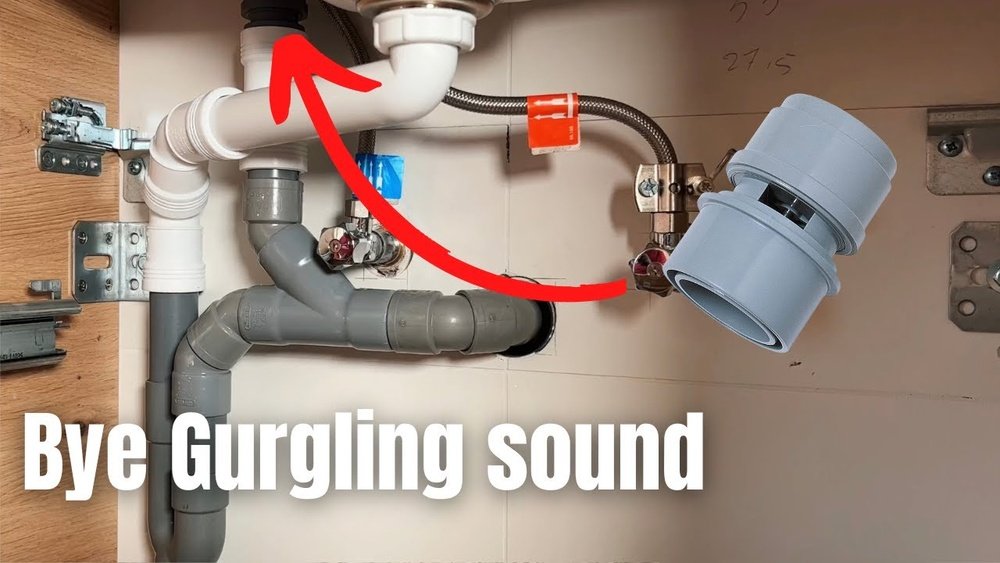
The dreaded gurgling sound emanating from your kitchen sink can be more than just an annoyance; it’s often a clear indicator of a plumbing problem brewing beneath the surface. This unsettling noise, reminiscent of a stomach rumbling or a choked drain, typically signifies an issue with your drainage system’s air pressure or a partial blockage. Ignoring it can lead to slow drains, unpleasant odors, and potentially more severe plumbing emergencies down the line. Understanding the root causes and how to address them is crucial for maintaining a healthy and functional kitchen.
This comprehensive guide will equip you with the knowledge to diagnose and fix that gurgling kitchen sink. We’ll explore the common culprits, from simple vent stack issues to more complex drain clogs, and provide step-by-step solutions you can tackle yourself.
By the end, you’ll be well-prepared to silence that disruptive gurgle and ensure your kitchen plumbing runs smoothly.
Key Takeaways
- Gurgling sounds in a kitchen sink usually indicate a venting problem or a partial blockage in the drainpipe.
- The plumbing vent system allows air into the pipes, preventing vacuum locks and enabling smooth water flow. Blocked vents disrupt this process, causing gurgling.
- Common causes of blocked vents include debris like leaves, nests, or even snow and ice accumulation on the roof.
- Partial clogs in the P-trap or further down the drain line can trap air, leading to gurgling as water tries to force its way through.
- Simple DIY solutions involve checking and clearing the vent stack, and using plungers or drain snakes to address minor clogs.
- For persistent or severe issues, it’s advisable to call a professional plumber.
- Regular maintenance, such as occasional flushing with hot water and baking soda, can help prevent future gurgling.
Understanding Your Kitchen Sink’s Plumbing System
Before we dive into troubleshooting, it’s essential to grasp the basic workings of your kitchen sink’s plumbing. Your sink is connected to a network of pipes that carry wastewater away from your home. This system relies on two key components: the drain pipes and the vent pipes.
The Role Of Drain Pipes
The drain pipes are responsible for transporting water and waste from your sink, shower, or toilet to the main sewer line or septic tank. These pipes are typically made of PVC, cast iron, or copper and are designed with a specific downward slope to facilitate gravity-driven flow. A crucial element within the drain system is the P-trap, a U-shaped section of pipe located directly beneath your sink. The P-trap’s primary function is to hold a small amount of water, creating a water seal that prevents sewer gases from entering your home and causing unpleasant odors.
The Importance Of The Vent System
The vent system, often overlooked, is equally vital for proper drainage. It’s a network of pipes that extends from your drainpipes up through your roof. The primary purpose of the vent system is to allow air into the drainage system. As water flows down the drain, it creates a vacuum. Without a vent, this vacuum would suck water out of the P-traps, allowing sewer gases to escape into your home. The vent pipe equalizes the air pressure within the system, ensuring that water flows smoothly and that the P-trap’s water seal remains intact.
When you hear gurgling from your kitchen sink, it’s often a sign that this delicate balance of air pressure and water flow has been disrupted.

Credit: www.robinsonsplumbingservice.com
Common Causes Of A Gurgling Kitchen Sink
The unsettling gurgle is a symptom, and like any symptom, it points to an underlying cause. Identifying this cause is the first step toward a permanent fix. Most gurgling issues stem from either a problem with the vent system or a blockage in the drain line.
Issues With The Plumbing Vent Stack
The vent stack is the vertical pipe that runs from your plumbing system up to the roof. Its opening on the roof is crucial for allowing fresh air in and sewer gases out.
- Obstructions: The most frequent culprit for vent issues is an obstruction. Leaves, twigs, bird nests, or even snow and ice can accumulate in the vent opening on your roof, blocking the flow of air. This blockage creates a vacuum effect as water drains, causing the water to struggle and gurgle as it tries to push past the obstruction. In my experience, checking the roof vent is often the quickest way to resolve a gurgling sink.
- Improper Venting: In some cases, especially in older homes or after renovations, the plumbing system might not have been vented correctly. This can lead to chronic air pressure problems and consistent gurgling sounds, even without a visible blockage.
- Cracked or Damaged Vents: While less common, a cracked vent pipe can sometimes allow water to enter the vent system, or it can compromise the air pressure balance.
Partial Clogs In The Drain Line
A complete blockage will usually result in no drainage at all, but a partial clog is a prime suspect for gurgling. These clogs don’t completely stop water flow but significantly impede it, creating turbulence and trapping air.
- P-Trap Blockages: The P-trap, due to its U-shape, is a common spot for debris to accumulate. Grease, food particles, hair, and other waste can build up here, creating a partial obstruction. As water attempts to drain, it can push air back up through the trap, causing the gurgling sound.
- Main Drain Line Obstructions: If the clog is further down the line, in the main horizontal drainpipe or even the vertical stack, it can affect multiple fixtures. However, a localized clog can still cause gurgling specifically in the kitchen sink as air is forced back up the pipe. Grease buildup is a particularly notorious cause of main drain line clogs.
- Roots Intrusion: For homes with underground sewer lines, tree roots can infiltrate the pipes, causing partial blockages and significant damage over time. This is a more serious issue that often requires professional intervention.
Other Less Common Causes
While less frequent, other factors can contribute to sink gurgling:
- Sewer Line Issues: Problems with the main sewer line connecting your home to the municipal system or septic tank can manifest as gurgling in lower-level fixtures like kitchen sinks.
- Faulty Fixtures: In rare instances, a malfunctioning sink stopper or drain assembly might contribute to air pressure issues.

Credit: www.youtube.com
Troubleshooting Steps: Diagnosing The Gurgle
Before reaching for the phone to call a plumber, several troubleshooting steps can help you pinpoint the source of the gurgling sound. These methods range from simple visual checks to more involved manual clearing.
Checking The Sink Drain And P-trap
The most accessible part of your drainage system is the sink drain and the P-trap beneath it.
- Visual Inspection: Remove the sink stopper and visually inspect the drain opening. Use a flashlight to look down into the pipe for any obvious debris.
- Manual Removal of Debris: If you see visible gunk or hair, try to remove it with a bent coat hanger or a pair of pliers. Be gentle to avoid damaging the pipes.
- Inspect the P-Trap: Place a bucket underneath the P-trap to catch any water and debris. Loosen the slip nuts connecting the trap to the wall pipe and the tailpiece from the sink. Carefully remove the U-shaped section. Clean out any accumulated sludge, grease, or foreign objects. Reassemble the trap, ensuring the slip nuts are tightened securely but not overly so, and run water to check for leaks.
Testing The Vent System
The vent system is crucial, and problems here are common causes of gurgling.
- Accessing the Roof Vent: This step requires caution and should only be attempted if you are comfortable working at heights. Safely access your roof and locate the vent pipe opening. It’s usually a PVC pipe sticking a few feet above the roofline.
- Clearing Obstructions: Carefully remove any leaves, debris, or nests you find. You can use a garden hose to flush out the vent pipe, ensuring the water flows freely down. If the opening is blocked by ice, wait for it to melt or carefully use a mild de-icer.
- Checking for Airflow: With the sink’s water running, try to feel for air movement coming from the vent opening. A strong airflow indicates the vent is likely clear.
Using A Plunger And Drain Snake
If you suspect a partial clog but can’t access the P-trap or clear the vent, plungers and drain snakes are your next best tools.
- The Plunger Method:
- Ensure there’s enough water in the sink to cover the plunger’s rubber cup.
- If you have a double sink, block the other drain with a wet rag to create a seal.
- Place the plunger firmly over the drain opening, creating a tight seal.
- Pump the plunger vigorously up and down for about 15-20 seconds.
- Quickly pull the plunger away to break the seal.
- Repeat the process several times. The forceful suction and pressure can dislodge partial clogs.
- The Drain Snake (Auger):
- Feed the snake’s cable into the drain opening.
- When you encounter resistance, you’ve likely hit the clog.
- Crank the handle to rotate the snake’s head, breaking up or snagging the obstruction.
- Slowly pull the snake back out, cleaning off any debris.
- Repeat as necessary until the clog is cleared. You may need to remove the P-trap to feed the snake directly into the pipe behind it.

Credit: mytrustedexpert.com
Diy Solutions For A Gurgling Sink
Once you’ve identified the likely cause, you can proceed with DIY solutions. Remember to always prioritize safety and consult a professional if you’re unsure.
Clearing A Blocked Vent Stack
If your troubleshooting points to a blocked vent stack, here’s how to address it:
Step-by-step Vent Clearing
- Safety First: Ensure you have a stable ladder and wear appropriate footwear. If your roof is steep or you’re uncomfortable, skip this step and call a professional.
- Locate the Vent Opening: Find the PVC pipe extending from your roof. It’s usually near the kitchen or bathroom plumbing.
- Remove Visible Debris: Use your hands or a small trowel to clear away leaves, twigs, or any other obstructions from the top of the pipe.
- Flush with Water: Connect a garden hose to a nearby outdoor spigot and run water down the vent pipe. If the blockage is minor, the water should flow freely. If it backs up, the obstruction is deeper.
- Use a Plumber’s Snake (Optional): If flushing doesn’t work, you can carefully feed a plumber’s snake down the vent pipe from the roof. Rotate the snake to break up the clog. This can be tricky and requires careful handling to avoid damaging the pipe or losing the snake.
- Check Airflow: After clearing, run water in your sink. You should no longer hear gurgling, and the water should drain freely.
Pro Tip: Consider installing a vent guard or cap on your roof vent pipe. These inexpensive devices prevent debris from entering while allowing air to pass through, significantly reducing the risk of future blockages.
Tackling Clogs With Plungers And Snakes
When the issue lies within the drain pipes, these tools can be effective.
Effective Plunging Techniques
- Choose the Right Plunger: A cup plunger is generally suitable for sinks. Ensure it has a good seal.
- Create a Seal: Fill the sink with enough water to cover the plunger cup. For double sinks, seal the other drain.
- Forceful Action: Apply firm, steady pressure with the plunger. The key is the up-and-down motion that creates both pressure and suction.
- Persistence: Repeat the plunging process for several minutes. Sometimes, it takes multiple attempts to dislodge a stubborn clog.
Using A Drain Snake Effectively
- Access Point: For sink clogs, you’ll often get better results by removing the P-trap and inserting the snake directly into the pipe leading to the wall.
- Gentle Insertion: Feed the snake cable slowly into the pipe. Avoid forcing it, which could damage the pipes.
- Break or Retrieve: Once you feel resistance, turn the handle to rotate the snake. This will either break up the clog or hook onto it, allowing you to pull it out.
- Clean Up: After removing the clog, run hot water down the drain to flush away any remaining debris. Clean your snake thoroughly.
Natural And Chemical Drain Cleaners: Pros And Cons
While DIY methods are often preferred, you might consider drain cleaners. However, they come with significant caveats.
Natural Cleaning Methods
- Baking Soda and Vinegar: Pour about 1/2 cup of baking soda down the drain, followed by 1/2 cup of white vinegar. The mixture will fizz. Let it sit for 30 minutes to an hour, then flush with hot water. This can help break down minor grease and grime.
- Boiling Water: Pouring a kettle of boiling water down the drain can help melt away grease buildup. Be cautious with PVC pipes, as excessive heat can damage them.
Chemical Drain Cleaners
- Effectiveness: Chemical cleaners can be effective at dissolving clogs, particularly those caused by hair or grease.
- Risks:
- Pipe Damage: Many harsh chemicals can corrode metal pipes over time and damage PVC.
- Environmental Impact: They are often harmful to the environment.
- Safety Hazards: They can cause severe burns if they come into contact with skin or eyes.
- Ineffectiveness: They may not work on all types of clogs and can sometimes solidify further down the pipe, creating a worse problem.
- Plumber Danger: If chemicals don’t clear the clog, they remain in the pipes, posing a hazard to plumbers who may need to work on them.
Warning: Always follow the manufacturer’s instructions precisely if you choose to use a chemical drain cleaner. Never mix different chemical cleaners, as this can create toxic fumes. It’s generally advisable to exhaust other options before resorting to chemical cleaners.
When To Call A Professional Plumber
There are certain situations where attempting a DIY fix can do more harm than good, making it essential to call a professional.
Signs You Need A Plumber
- Persistent Gurgling: If you’ve tried the DIY methods and the gurgling persists, it suggests a more complex issue like a deep clog, main line problem, or improper venting that requires expert tools and knowledge.
- Multiple Fixtures Affected: If gurgling or slow draining is occurring in multiple sinks, toilets, or showers in your home, it likely indicates a blockage in the main sewer line.
- Sewage Odors: Strong sewage smells, especially when combined with gurgling, can signal a serious vent or sewer line problem.
- Water Backups: If wastewater is backing up into your sink or other fixtures, it’s a clear sign of a significant blockage that needs immediate professional attention.
- Lack of Confidence or Tools: If you’re uncomfortable working with plumbing, lack the necessary tools (like a powerful drain auger), or suspect a major issue, it’s always best to let a professional handle it.
What A Plumber Can Do
Professional plumbers have specialized equipment, such as video inspection cameras, that can precisely locate blockages and assess pipe condition. They also have powerful hydro-jetting equipment that can effectively clear even the toughest clogs without damaging pipes. For vent issues, they can accurately diagnose problems with the entire venting system and make necessary repairs or modifications.
Preventative Maintenance For Your Kitchen Sink
The best way to deal with a gurgling sink is to prevent it from happening in the first place. Regular maintenance can keep your drains clear and your vent system functioning optimally.
Regular Cleaning Habits
- Avoid Pouring Grease Down the Drain: This is perhaps the single most important preventative measure. Pour grease into a disposable container and discard it in the trash.
- Use a Sink Strainer: A good quality strainer will catch food particles and debris before they enter the drain. Empty the strainer regularly.
- Run Hot Water Regularly: After washing greasy dishes, run hot water down the drain for a minute or two to help flush away any residue.
- Occasional Baking Soda Flush: Once a month, pour about 1/2 cup of baking soda down the drain, followed by hot water. This helps keep the pipes clean and fresh.
Maintaining The Vent System
- Seasonal Roof Checks: If you have easy and safe access to your roof, perform a visual check of your vent pipe opening at least twice a year, especially after autumn when leaves fall heavily, or in spring when debris can accumulate.
- Address Drainage Issues Promptly: If you notice any slow draining, don’t wait for it to become a major clog. Address it early with plunging or snaking.
Understanding Your Plumbing System
Educating yourself about your home’s plumbing, including the location of your main shut-off valve and the general layout of your drain and vent pipes, can be invaluable in emergencies.
Common Scenarios And Solutions
Let’s look at a few typical scenarios that lead to a gurgling kitchen sink and the most effective solutions.
Scenario 1: Gurgling Only When The Dishwasher Runs
This is a classic indicator that the dishwasher is draining into the same line as the sink, and there’s a partial clog or venting issue affecting that shared line.
- Diagnosis: The dishwasher pumps water forcefully. If it causes gurgling, the drain is struggling to keep up, often due to a clog or inadequate venting for that specific branch of the drain system.
- Solution: The most likely fix is to clear the partial clog in the drain line between the sink and the main stack, or to ensure the vent serving this line is clear. Using a drain snake from the sink’s P-trap is often effective.
Scenario 2: Gurgling Occurs When Flushing A Toilet
If flushing a toilet causes your kitchen sink to gurgle, it points to a problem further down in the main drain line or the main vent stack serving multiple fixtures.
- Diagnosis: The act of flushing a toilet sends a significant volume of water and air through the system. If this causes gurgling in the sink, it means the main line is partially blocked, and the displaced air and water are being forced back up the nearest available opening, your sink drain.
- Solution: This almost always requires a professional plumber. They can use video inspection to locate the blockage in the main sewer line and employ methods like hydro-jetting to clear it. DIY attempts with a standard drain snake are unlikely to reach or effectively clear a main line clog.
Scenario 3: Gurgling And Slow Draining With No Obvious Cause
You’ve plunged, snaked, and checked the P-trap, but the gurgling and slow draining persist.
- Diagnosis: This suggests a deeper clog, a problem with the main vent stack (perhaps an obstruction high up or a design flaw), or an issue with the main sewer line.
- Solution: At this point, calling a professional plumber is the most sensible course of action. They have the tools and expertise to diagnose and resolve complex plumbing issues that are beyond basic DIY capabilities.
Comparison Of Diy Vs. Professional Solutions
Choosing between a DIY fix and hiring a professional depends on the complexity of the problem, your comfort level, and the potential risks involved.
| Feature | DIY Solutions (Plunger, Snake, P-Trap Cleaning) | Professional Plumber Services |
|---|---|---|
| **Cost** | Low (cost of tools) | Higher (service call fee + labor) |
| **Time Investment** | Can be time-consuming | Usually quicker resolution |
| **Effectiveness** | Good for minor clogs and accessible issues | Effective for all types of clogs and issues |
| **Risk of Damage** | Moderate (if done incorrectly) | Low (professionals have proper tools) |
| **Tools Required** | Basic household tools, plunger, drain snake | Advanced equipment (cameras, hydro-jetters) |
| **Best For** | Simple P-trap clogs, minor drain obstructions | Main line clogs, vent issues, complex problems |
| **Potential for Error** | Higher | Lower |
For minor, easily accessible issues like a clogged P-trap or a slight blockage you can reach with a snake, DIY can save money and provide a sense of accomplishment. However, for anything more complex, involving the main sewer line, or if you lack confidence, the expertise and equipment of a professional plumber are invaluable.
It’s often more cost-effective in the long run to hire a pro for serious issues than to risk causing further damage.
Frequently Asked Questions
What Does It Mean When My Kitchen Sink Gurgles?
A gurgling kitchen sink typically indicates either a partial blockage in the drainpipe or an issue with your plumbing vent system. The gurgling sound occurs as air is forced back up the pipe when water tries to drain past an obstruction or when the vent system can’t equalize air pressure properly.