
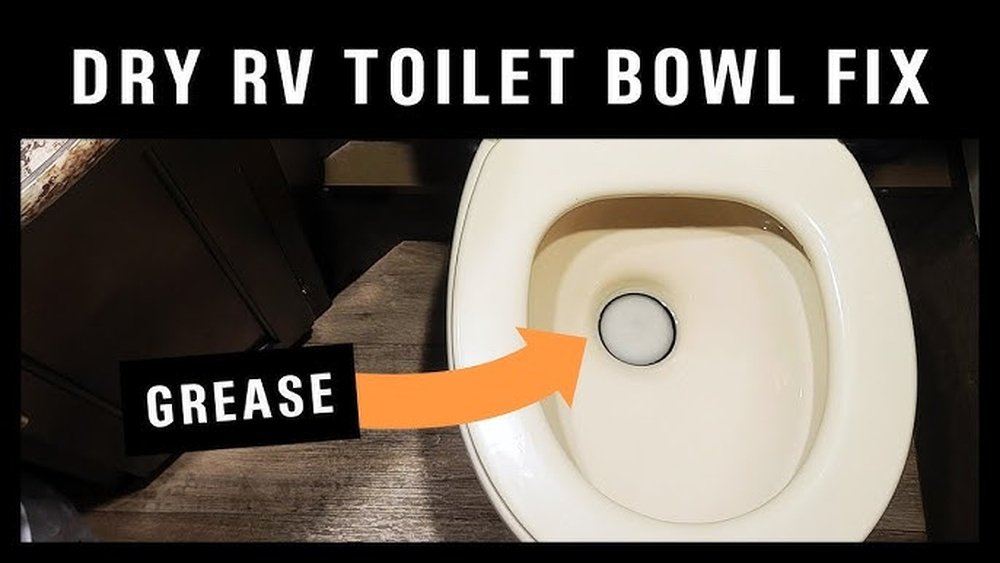
The RV toilet is a marvel of mobile living, offering convenience and sanitation far from traditional plumbing. However, when this essential fixture stops working, it can quickly turn a dream vacation into a frustrating ordeal. Whether it’s a clogged bowl, a malfunctioning flush, or an unpleasant odor, understanding the common issues and their solutions is crucial for any RVer.
This guide aims to equip you with the knowledge to diagnose and fix most RV toilet problems, ensuring your travels remain comfortable and hassle-free.
Key Takeaways
- Clogs are common: Most RV toilet malfunctions stem from clogs, often caused by improper waste disposal or using the wrong type of toilet paper.
- Flush system issues: Problems with water flow, the flush pedal, or the water pump can prevent flushing.
- Odor control is vital: Proper use of black tank treatments and regular maintenance are key to preventing foul smells.
- Regular maintenance prevents problems: A proactive approach to cleaning and inspecting your RV toilet and black tank system can save you from major headaches on the road.
- Understand your toilet type: Different RV toilets (gravity flush, macerator, Dometic/Thetford models) have specific troubleshooting steps.

Credit: www.youtube.com
Understanding Your Rv Toilet System
Before diving into troubleshooting, it’s essential to grasp how RV toilets function. Unlike household toilets that rely on a large municipal sewer system, RV toilets are self-contained units connected to a black water tank. This tank stores waste until it can be properly disposed of at an RV dump station. Most RV toilets fall into a few main categories:
- Gravity Flush Toilets: These are the most common type. They use a foot pedal to release water from the freshwater tank into the bowl and to open a valve (often called a “sewer blade”) that allows waste to drop into the black tank. They rely on water pressure from the RV’s freshwater system.
- Macerator Toilets: These toilets grind solid waste into a finer slurry before pumping it out. This allows for longer hose runs and smaller diameter hoses when dumping, and can even pump waste uphill. They are typically more powerful but also more complex and prone to mechanical failure if misused.
- Specialty Brands (e.g., Dometic, Thetford): While these brands manufacture various models, many operate on the gravity flush principle with specific design elements for RV use. Understanding your specific model’s manual is always recommended.
The black tank itself is a critical component. It’s usually located beneath the RV floor and is connected to the toilet via a pipe. It has a vent pipe to allow air in and out, preventing vacuum formation, and a drain pipe with a valve for emptying.
The proper functioning of the toilet is directly tied to the health and functionality of the entire black tank system.
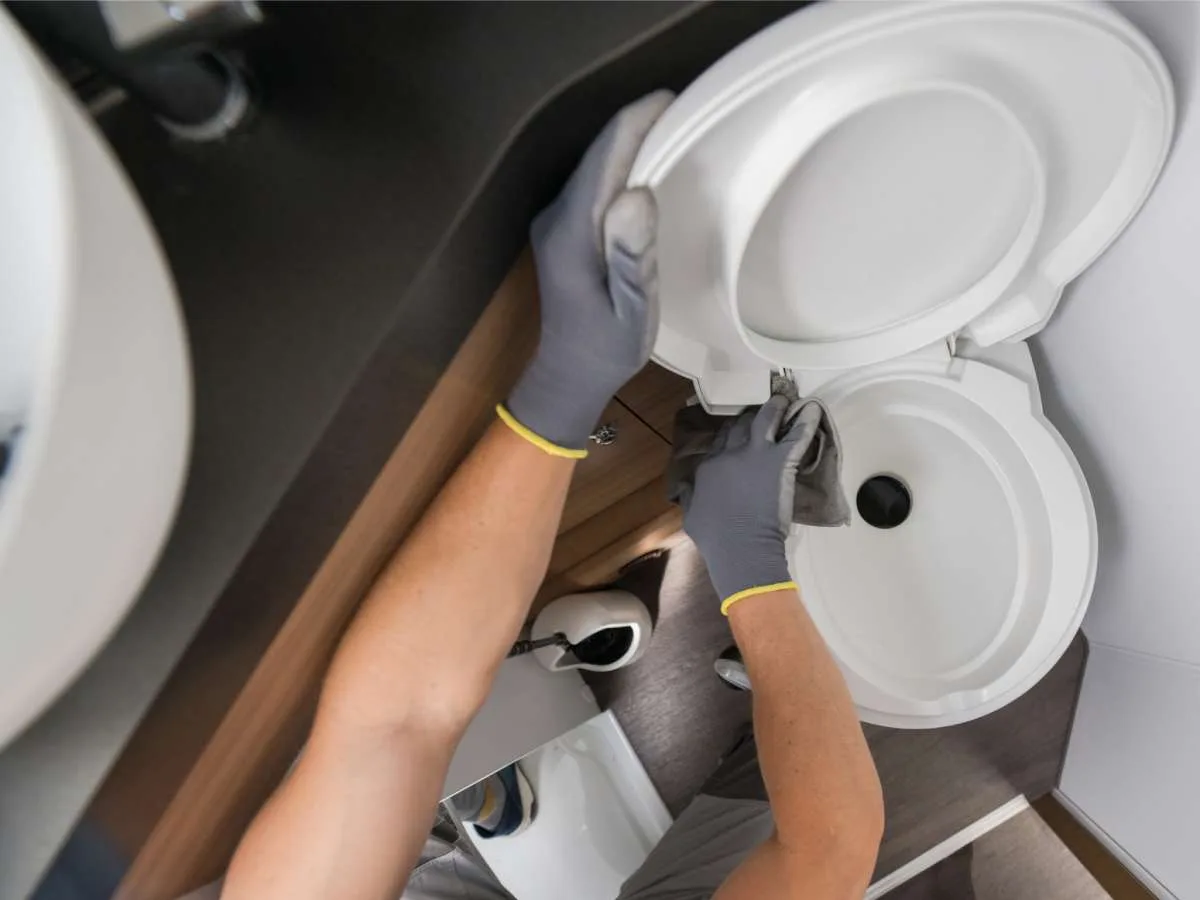
Credit: rv-roadtrips.thefuntimesguide.com
Common Rv Toilet Problems And Solutions
When your RV toilet isn’t working, it’s usually due to one of several recurring issues. Identifying the specific symptom is the first step towards a swift resolution.
Clogged Toilet Bowl
This is perhaps the most frequent and frustrating problem RVers face. A clogged bowl prevents waste from entering the black tank, making the toilet unusable.
Causes Of Clogs
- Too Much Toilet Paper: RV-specific toilet paper is designed to break down quickly. Using regular household toilet paper, which is thicker and slower to dissolve, is a primary culprit. Even with RV-specific paper, using excessive amounts can lead to clogs.
- Improper Waste Disposal: Flushing items other than human waste and RV toilet paper, such as paper towels, feminine hygiene products, wipes, or excessive food scraps, will almost certainly cause a blockage.
- Accumulation in the Black Tank: Over time, waste and paper can build up and solidify in the black tank, especially if the tank isn’t properly flushed or if too much water is not used during flushing.
- Low Water Level in Bowl: If the water level in the toilet bowl is too low, it won’t provide enough pressure to push waste through the valve and into the black tank.
Troubleshooting And Clearing Clogs
- Add Water: Pour several gallons of water directly into the toilet bowl. This can help soften the blockage.
- Use a Toilet Brush or Plunger: A standard toilet plunger can be effective, but ensure it creates a good seal around the drain opening. For RV toilets, a flange plunger or a specific RV toilet plunger might be more suitable. Gently work the plunger to dislodge the clog. A toilet brush can also help break up immediate blockages.
- RV Toilet Wand/Closet Auger: If plunging doesn’t work, an RV toilet wand (a flexible hose that connects to your freshwater supply and snakes into the toilet) or a closet auger (a plumber’s snake) can be used. Carefully insert the wand or auger into the toilet drain and work it to break up or pull out the obstruction. Be gentle to avoid damaging the toilet or the valve.
- Chemical Treatments: For stubborn clogs, RV-specific chemical treatments designed to break down waste and paper can be poured into the toilet. Follow the product instructions carefully, as some require time to work and may need the addition of water.
- Refrigerate and Thaw: In extreme cases, some RVers suggest letting the black tank freeze overnight, then thawing it. The expansion and contraction can sometimes break up blockages. This is a last resort and requires specific conditions.
Pro Tip: Always use RV-specific toilet paper. It’s formulated to disintegrate rapidly, preventing clogs.
No Water Or Weak Flush
If your toilet doesn’t flush, or the flush is weak, the issue likely lies with the water supply or the flush mechanism itself.
Causes Of No Water/weak Flush
- Low Freshwater Tank Level: The RV’s freshwater tank might be empty or very low, meaning there’s no water to flush with.
- Water Pump Malfunction: The RV’s water pump might not be running, or it could be faulty, failing to supply water pressure to the toilet.
- Air in Water Lines: If the freshwater tank was recently refilled, air pockets can get trapped in the lines, temporarily disrupting water flow.
- Clogged Water Strainer: The water pump often has a small strainer to catch debris. If this gets clogged, it restricts water flow.
- Faulty Flush Pedal Assembly: The foot pedal assembly controls both the water release and the opening of the black tank valve. If the internal mechanism is broken or out of adjustment, it won’t function correctly.
- Closed Water Shut-off Valve: Some RVs have a shut-off valve for the toilet’s water supply. This might have been accidentally closed.
Troubleshooting No Water/weak Flush
- Check Freshwater Tank: Ensure your freshwater tank has an adequate supply of water.
- Listen for Water Pump: Turn on a faucet elsewhere in the RV. If you don’t hear the water pump cycle on, or if it runs continuously without supplying water, there’s an issue with the pump or its power supply.
- Bleed Air from Lines: If you suspect air in the lines, run several faucets in the RV until water flows smoothly.
- Inspect Water Strainer: Locate the water pump and check its intake strainer for debris. Clean it if necessary.
- Examine Pedal Assembly: Check the foot pedal for any visible damage or if it feels loose or stuck. Sometimes, a simple adjustment or cleaning of the linkage can resolve the issue.
- Verify Water Shut-off Valve: Locate the water line leading to the toilet and check for any inline shut-off valves. Ensure they are fully open.
Odors From The Black Tank
Unpleasant odors are a common complaint, often indicating a problem with the black tank’s venting or management.
Causes Of Odors
- Dry or Low Water Seal: The toilet creates a water seal in the bowl, which acts as a barrier against odors from the black tank. If the water seal is low or the tank is too full, odors can escape.
- Improper Venting: The RV’s black tank has a vent pipe that allows gases to escape outside the vehicle. If this vent is blocked (e.g., by debris, insect nests, or improper installation), gases can build up and force their way back into the RV.
- Lack of Black Tank Treatment: Chemical treatments are essential for breaking down waste and controlling odors in the black tank. Without them, bacteria proliferate, leading to strong smells.
- Tank Not Emptying Properly: If the black tank isn’t completely emptied during dumping, residual waste can contribute to odors.
- Leaking Seals: A leak in the toilet seal or the connection to the black tank can allow odors to escape into the RV.
Managing And Eliminating Odors
- Maintain Water Seal: Ensure there’s always a sufficient water level in the toilet bowl after flushing. If it drops too low, add water.
- Use Black Tank Treatments: Regularly add a high-quality RV black tank treatment to the toilet after flushing. These treatments contain enzymes or bacteria that break down waste and control odors. Follow product instructions for dosage.
- Proper Venting Check: Inspect the black tank vent pipe (usually on the RV roof) for any obstructions.
- Complete Tank Draining: Ensure the black tank valve is fully opened and that the tank is thoroughly flushed (if your system allows) when dumping.
- Regular Cleaning: Periodically clean the black tank itself with a tank cleaning solution or by using a powerful flush system.
Example: Many RVers find success with treatments containing enzymes, which are more environmentally friendly and effective over time compared to harsh chemical treatments. Brands like Happy Camper or Camco TST are popular choices.
Leaking Toilet
Leaks can occur from various parts of the RV toilet system, from the bowl itself to the connections with the black tank.
Common Leak Points
- Water Supply Line: The hose connecting the RV’s water system to the toilet can develop cracks or loose fittings.
- Flush Pedal Seal: The seal around the flush pedal assembly can wear out, allowing water to leak into the RV floor.
- Toilet Base Seal (Wax Ring or Gasket): The seal between the bottom of the toilet and the flange connected to the black tank can fail. This is common in mobile installations and can lead to water and odor leaks.
- Black Tank Valve: The valve for the black tank itself might be leaking, allowing waste to drip out.
- Cracked Bowl or Tank: Though less common, the toilet bowl or the black tank itself can develop cracks.
Troubleshooting And Repairing Leaks
- Identify the Source: Carefully inspect the toilet and surrounding area while the water system is pressurized and after flushing. Use paper towels to detect moisture.
- Tighten Fittings: Check all water supply line connections and tighten them if loose.
- Replace Seals: If the leak is at the flush pedal or the base of the toilet, the seals will likely need replacement. This often involves removing the toilet from its mounting. For the base seal, a new wax ring or rubber gasket will be required.
- Repair/Replace Valve: If the black tank valve is leaking, it might be possible to replace the seal or the entire valve assembly.
- Professional Help: For cracked bowls or tanks, or if you’re uncomfortable with disassembly, it’s best to seek professional RV repair services.
Maintenance For A Healthy Rv Toilet System
Preventative maintenance is key to avoiding most RV toilet problems. A little effort goes a long way in ensuring your toilet functions reliably.
Regular Cleaning Schedule
- Daily: Flush with plenty of water after each use. Ensure the water seal is maintained.
- Weekly: Add RV toilet paper and a black tank treatment after dumping. If you’re using the RV extensively, you might need to add treatment more frequently.
- Monthly (or after each trip): Thoroughly flush the black tank. If possible, use a dedicated tank flushing system (like a wand or a built-in spray system) to rinse the tank walls.
Black Tank Maintenance
- Use RV Toilet Paper: As mentioned, this is crucial.
- Avoid Non-Flushable Items: Never put anything other than human waste and RV toilet paper into the toilet.
- Don’t Let Tank Fill Completely: Try to dump the black tank when it’s about two-thirds to three-quarters full. This ensures sufficient liquid to help break down waste.
- Use Tank Treatments: Always use a quality black tank treatment. These help break down solids, prevent odors, and keep sensors clean.
- Flush the Tank: After dumping, a thorough flush of the black tank is essential. This removes residual waste and paper that can harden over time. Some RVs have built-in flush systems; others require a separate tank flushing wand.
Water System Checks
- Winterization/De-winterization: Properly winterize your RV’s plumbing system to prevent freezing and damage. Follow de-winterization procedures carefully in the spring.
- Water Filter: If your RV has a water filter, replace it according to the manufacturer’s recommendations. A clogged filter can reduce water pressure to the toilet.
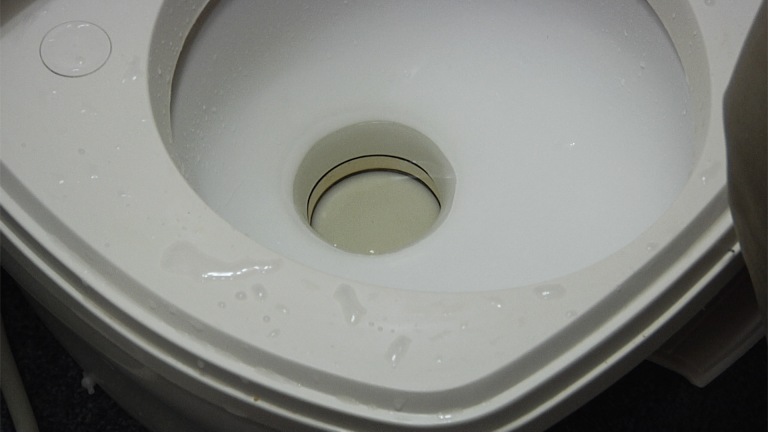
Credit: www.rvrepairclub.com
Understanding Different Rv Toilet Types
While many troubleshooting steps are universal, understanding the specific type of RV toilet you have can be highly beneficial.
Gravity Flush Toilets
These are the workhorses of RV plumbing. They are relatively simple, relying on gravity and water pressure.
- Pros: Simple design, fewer moving parts, generally reliable.
- Cons: Can clog easily if not maintained, require sufficient water pressure, not ideal for long hose runs or pumping uphill.
- Troubleshooting Focus: Clogs, water pressure issues, pedal mechanism.
Macerator Toilets
These use a powerful grinder and pump system.
- Pros: Can grind waste into a fine slurry, allowing for smaller hoses and longer discharge distances, can pump waste uphill.
- Cons: More complex, require electricity to operate the macerator pump, can be noisy, more expensive, can be damaged by hard objects.
- Troubleshooting Focus: Electrical issues for the pump, grinding mechanism, clogs specific to the macerator system.
Dometic 300 Series Vs. Other Dometic/thetford Models
Dometic and Thetford are leading manufacturers. The Dometic 300 series, for instance, features a polypropylene bowl and a rimless design for easier cleaning.
- Dometic 300 Series: Known for its durability and ease of cleaning. Troubleshooting often involves checking the flush mechanism and ensuring proper waste disposal.
- Other Models: Many other Dometic and Thetford toilets operate on similar principles, but specific parts and maintenance schedules may vary. Always refer to your model’s manual.
Comparison of RV Toilet Types
| Feature | Gravity Flush Toilet | Macerator Toilet |
|---|---|---|
| **Mechanism** | Water pressure & gravity | Grinding and pumping system |
| **Waste Disposal** | Direct drop to black tank | Ground slurry pumped out |
| **Hose Size** | Standard 3″ RV hose | 1″ to 2″ flexible hose |
| **Pumping Ability** | Gravity only | Can pump uphill and long distances |
| **Power Required** | None (uses water pressure) | Requires 12V DC power |
| **Noise Level** | Moderate | Can be noisy due to grinding |
| **Clog Resistance** | Moderate (prone to paper clogs) | Higher (grinds solids), but can clog |
| **Cost** | Generally lower | Generally higher |
| **Maintenance** | Simpler, focus on flushing & seals | More complex, electrical & pump focus |
Advanced Troubleshooting And When To Call A Professional
While many RV toilet issues can be resolved with DIY methods, some problems require more specialized knowledge or tools.
Black Tank Sensor Issues
RV black tanks often have sensors to indicate the fill level. These sensors can become unreliable due to buildup on their surface.
- Cause: Waste, paper, or mineral deposits can coat the sensors, giving false readings (e.g., showing a full tank when it’s empty).
- Solution: Using RV tank cleaning solutions or specialized sensor cleaners can help dissolve buildup. Driving with a few gallons of water and some cleaning solution in the tank can also help dislodge deposits. Mechanical cleaning of the sensors from inside the tank is also an option but requires more effort.
Water Pump System Problems
If you have no water pressure to any fixture, the issue might be with the RV’s main water pump or its associated plumbing.
- Troubleshooting: Check the pump’s fuse or circuit breaker. Ensure the pump is receiving power. Check the pump’s intake and outlet lines for blockages or leaks. Some pumps have an internal pressure switch that might need adjustment or replacement.
Valve Malfunctions
The valves that control the emptying of the gray and black tanks are critical. If these valves are stuck, broken, or leaking, it can cause significant problems.
- Stuck Valves: Sometimes, the gate valve can become stuck due to dried waste or corrosion. A good tank flush and treatment might help, or the valve might need manual intervention or replacement.
- Leaking Valves: As mentioned earlier, a leaking valve needs repair or replacement. This can often be done without removing the entire tank.
When To Seek Professional Help
- Persistent Clogs: If you’ve tried multiple methods and the clog remains, a professional might have specialized tools or be able to access the blockage more effectively.
- Major Leaks: Significant leaks, especially those involving the tank itself or multiple plumbing connections, are best handled by an RV technician.
- Electrical Issues: If the problem involves the macerator pump’s electrical system or the RV’s water pump, an RV technician can diagnose and repair electrical faults safely.
- Complex Valve Replacements: While some valve replacements are DIY-friendly, others can be more involved and may require professional expertise.
- Uncertainty: If you’re unsure about any step in the troubleshooting process, or if you don’t have the necessary tools, it’s always safer and more efficient to call a professional RV service center.
Frequently Asked Questions
Why Does My Rv Toilet Smell Even After Using Treatments?
This Can Happen For Several Reasons. The Most Common Is A Dry Water Seal In The Toilet Bowl, Allowing Odors From The Black Tank To Escape. Ensure You Always Have A Sufficient Water Level After Flushing. Another Possibility Is A Blocked Vent Pipe On Your Rv’s Roof, Which Prevents Gases From Escaping Properly. Lastly, If The Black Tank Treatment Isn’t Strong Enough, Or If The Tank Is Not Dumped And Flushed Regularly, Odors Can Still Develop. Consider Using A More Potent Treatment Or Increasing The Frequency Of Tank Flushes.
Can I Use Regular Toilet Paper In My Rv Toilet?
It Is Strongly Discouraged. Regular Household Toilet Paper Is Designed To Hold Together Longer And Does Not Break Down As Quickly As Rv-specific Toilet Paper. This Can Lead To Severe Clogs In Your Rv’s Toilet And Black Tank System. Always Opt For Toilet Paper Specifically Labeled As Rv-safe Or Septic-safe, As It Is Engineered To Disintegrate Rapidly.
How Often Should I Dump And Flush My Rv’s Black Tank?
You Should Aim To Dump Your Black Tank When It Is About Two-thirds To Three-quarters Full. This Ensures There’s Enough Liquid To Help Break Down Waste And Paper Effectively. After Dumping, It’s Crucial To Flush The Tank Thoroughly. This Can Be Done Using A Dedicated Tank Flushing System (like A Wand That Attaches To A Hose Or A Built-in Spray Nozzle) To Rinse The Tank Walls And Sensors. Regular Flushing Helps Prevent Odors And Sensor Malfunctions.
My Rv Toilet Isn’t Getting Any Water. What Could Be The Problem?
Several Issues Can Cause A Lack Of Water. First, Check If Your Rv’s Freshwater Tank Is Low Or Empty. If The Tank Is Full, Listen For Your Rv’s Water Pump; If You Don’t Hear It Running, It Might Be Off, Have Lost Power (check Fuses/breakers), Or Be Faulty. Air In The Water Lines Can Also Cause Temporary Issues; Running A Faucet Until Water Flows Smoothly Can Resolve This. Lastly, Check For Any Shut-off Valves On The Water Line Leading Specifically To The Toilet, As These May Have Been Accidentally Closed.
What Is The Best Way To Clear A Stubborn Clog In My Rv Toilet?
For Stubborn Clogs, Start By Adding Plenty Of Water To The Bowl To Help Soften The Blockage. Then, Try Using A Good Quality Rv Toilet Plunger, Ensuring A Tight Seal. If That Fails, A Closet Auger (plumber’s Snake) Or An Rv Toilet Wand, Which Uses Water Pressure To Dislodge The Clog, Can Be Effective. For Very Tough Clogs, Rv-specific Chemical Treatments Designed To Break Down Waste And Paper Can Be Used, But Always Follow The Product Instructions Carefully And Allow Adequate Time For Them To Work. If These Methods Don’t Resolve The Issue, It May Be Time To Call A Professional Rv Technician.
Troubleshooting an RV toilet that isn’t working can seem daunting, but by understanding the common causes and implementing regular maintenance, most issues can be prevented or resolved efficiently. From simple clogs to more complex plumbing problems, a systematic approach, combined with the right tools and products, will help keep your RV’s most essential amenity functioning smoothly.
Remember that using RV-specific products and adhering to best practices for waste disposal are fundamental to a trouble-free experience on the road.