
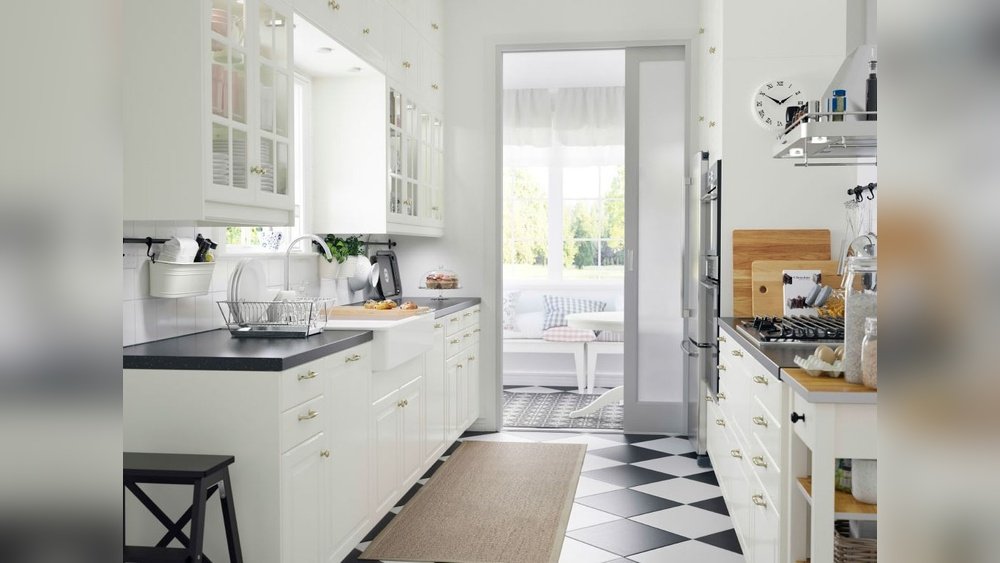
The allure of a beautiful, functional kitchen is undeniable, and for many homeowners, IKEA kitchen cabinets represent an accessible entry point to achieving that dream. Renowned for their affordability, modularity, and stylish designs, IKEA kitchens have become a staple in homes worldwide. But beneath the sleek finishes and clever storage solutions lies a fundamental question for many potential buyers: what are IKEA kitchen cabinets actually made of? Understanding the materials used is crucial for assessing durability, longevity, maintenance requirements, and environmental impact. This deep dive will explore the core components of IKEA’s popular SEKTION cabinet system, examining the different types of wood, particleboard, laminate, and foil finishes that contribute to their overall construction and aesthetic appeal.
Key Takeaways
- Core Construction: IKEA kitchen cabinets, primarily the SEKTION system, are largely constructed from particleboard and fiberboard, often coated with laminates, foils, or melamine.
- Solid Wood Components: While not the primary structural material for carcases, solid wood is used for visible elements like doors, drawer fronts, and sometimes decorative trim, offering a premium look and feel.
- Finishes Matter: The exterior finish (foil, laminate, paint, wood veneer) significantly impacts the cabinet’s appearance, durability, and how it should be cleaned and maintained.
- Durability Factors: The density of the particleboard, the quality of the laminate/foil, and the construction method all play a role in the cabinet’s resistance to moisture, scratches, and general wear and tear.
- Environmental Considerations: IKEA emphasizes sustainability, using recycled materials, certified wood, and low-VOC finishes in many of their cabinet components.
- Cost vs. Material: The material choices directly influence the lower price point of IKEA cabinets compared to custom or high-end solid wood alternatives.

Credit: erinzubotdesign.com
Understanding The Sektion System: Ikea’s Cabinet Backbone
IKEA’s current kitchen cabinet system, known as SEKTION, replaced the older AKURUM system in 2015. SEKTION is designed for maximum flexibility and customization, allowing users to create unique layouts tailored to their specific kitchen space and needs. The core of the SEKTION system consists of cabinet boxes, doors, drawer fronts, shelves, and various internal organizers. While the exterior components like doors and drawer fronts often feature a variety of materials and finishes, the underlying cabinet carcases are typically made from a combination of engineered wood products.
Cabinet Carcase Construction
The primary material for the SEKTION cabinet boxes is particleboard. This engineered wood product is made by compressing wood particles (sawdust, wood chips, shavings) with a synthetic resin or binder under high pressure and temperature. IKEA sources its particleboard from certified sustainable forests, and it often contains a significant percentage of recycled wood.
- Particleboard: This forms the bulk of the cabinet carcase, the sides, top, bottom, and back panels. It’s chosen for its cost-effectiveness, stability, and ability to hold screws well, which is crucial for assembling the modular units. The density and quality of the particleboard can vary, influencing its weight-bearing capacity and resistance to moisture. IKEA uses a specific grade of particleboard that balances these factors for everyday use.
- Fiberboard (MDF/HDF): In some instances, particularly for thinner back panels or specific components, IKEA might use Medium-Density Fiberboard (MDF) or High-Density Fiberboard (HDF). These are also engineered wood products, but they are made from finer wood fibers, creating a denser, smoother surface than particleboard. MDF and HDF are known for their excellent workability and smooth finish, making them ideal for applications where a precise fit or a paintable surface is needed.
- Moisture Resistance: It’s important to note that standard particleboard and MDF are susceptible to moisture damage. While IKEA applies finishes to protect the surfaces, prolonged exposure to water or high humidity can cause swelling and degradation. This is why proper installation, ventilation, and care are essential for the longevity of IKEA cabinets, especially in areas prone to moisture like under sinks.
Structural Integrity And Assembly
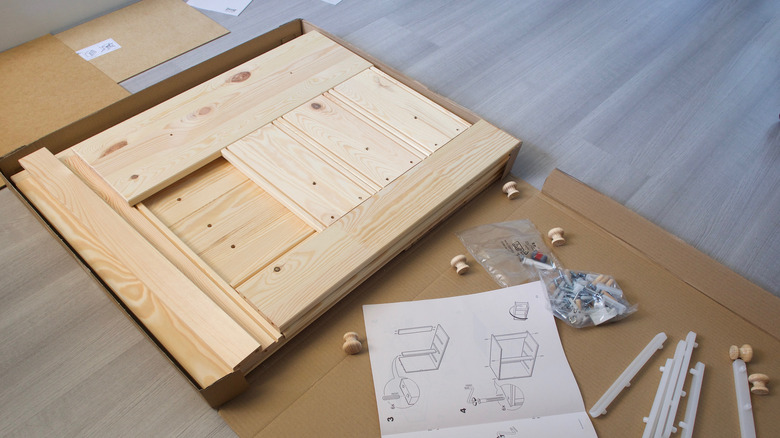
The SEKTION system relies on a robust assembly method to ensure structural integrity. The cabinet boxes are typically joined using cam lock fasteners and dowels. These methods allow for relatively easy assembly and disassembly, which is a hallmark of IKEA furniture. The back panels are often secured with small nails or screws, adding rigidity to the overall structure. The design prioritizes a balance between ease of assembly for the end-user and the strength required to support shelves, drawers, and the weight of kitchenware.
Exploring Ikea Cabinet Finishes: From Foil To Veneer
The most visible aspect of any kitchen cabinet is its finish. IKEA offers a wide array of finishes for its doors and drawer fronts, each providing a distinct look, feel, and level of durability. These finishes are applied over the core particleboard or fiberboard structure.
High Gloss / High Gloss Foil
High gloss finishes are a popular choice for a modern, sleek aesthetic. IKEA achieves this look primarily through high gloss foil.
- Foil: This involves wrapping a thin layer of plastic film, often with a printed decorative layer, around the core material (usually particleboard or MDF). The foil is then heated and pressed to create a smooth, seamless surface. High gloss foils reflect light significantly, making kitchens appear brighter and more spacious.
- Pros: Offers a very smooth, reflective surface; relatively affordable; available in a wide range of colors.
- Cons: Can be prone to scratching and showing fingerprints; edges can be susceptible to chipping if impacted; repairs can be difficult.
- Maintenance: Requires gentle cleaning with a soft, damp cloth. Avoid abrasive cleaners or sponges that can dull the finish or cause scratches.
Laminate Finishes
Laminates offer a durable and versatile option for cabinet fronts. IKEA uses different types of laminates depending on the desired look and performance.
- Standard Laminate: This typically consists of layers of paper impregnated with melamine resin, fused together under heat and pressure. A decorative layer provides the color or pattern. Laminates are known for their resistance to scratches, stains, and heat.
- Pros: Highly durable; resistant to scratches, stains, and heat; easy to clean; available in various textures and patterns (e.g., wood grain, solid colors).
- Cons: Can sometimes look less “natural” than wood veneer; edges might be visible depending on the construction method.
- Structure Laminate: Some IKEA doors feature a “structure laminate” which mimics the texture of wood grain or other natural materials. This adds a tactile element to the visual appeal, making the cabinets feel more realistic and less like a simple plastic coating.
Painted Finishes
For a classic look, IKEA offers cabinet doors with a painted finish. This usually involves applying paint to an MDF or particleboard substrate.
- Painted MDF: MDF is an excellent substrate for painting due to its smooth, uniform surface. IKEA paints are typically applied in a controlled factory environment, ensuring a consistent and durable finish.
- Pros: Offers a rich, deep color; can be matte or satin; provides a seamless look; generally more resistant to chipping than foil.
- Cons: Can be more expensive than foil or basic laminate; deep scratches can be difficult to repair invisibly; requires careful cleaning to avoid damage.
- Maintenance: Similar to high gloss, use a soft, damp cloth and mild detergent. Avoid harsh chemicals.
Wood Veneer
For a premium, natural wood look, IKEA utilizes wood veneers.
- Wood Veneer: This involves a thin layer of real wood (like ash, oak, or birch) applied over a substrate, typically particleboard or MDF. This provides the aesthetic of solid wood at a lower cost and with greater stability.
- Pros: Offers the authentic look and feel of real wood; each piece has unique grain patterns; can be sanded and refinished (though this is complex on cabinetry).
- Cons: More expensive than foil or laminate; can be susceptible to fading from direct sunlight; requires careful maintenance to preserve the natural wood finish.
- Maintenance: Typically requires cleaning with a damp cloth and occasional conditioning with a wood-specific polish, following IKEA’s specific care instructions for the veneer type.
Melamine Surfaces
Melamine is another common material used for finishes, especially on the interior surfaces of cabinets and sometimes on the exterior of more budget-friendly options. It’s a durable thermosetting plastic known for its resistance to stains and wear.
- Melamine: Similar in application to foil, melamine is a resin-impregnated paper that is bonded to the substrate. It offers good durability and is easy to clean. Often used for the interior of cabinets and shelves due to its practicality and cost.

Credit: chrislovesjulia.com
Materials For Doors And Drawer Fronts: Beyond The Carcase
While the carcase forms the structural box, the doors and drawer fronts are the most prominent visual elements. IKEA offers a vast selection, utilizing various materials and finishes to cater to different styles and budgets.
Solid Wood Doors
While less common for the entire SEKTION system due to cost, IKEA does offer some doors and drawer fronts made from solid wood or featuring solid wood components. These are typically the most premium and expensive options.
- Solid Wood: Often used for specific door styles (e.g., traditional shaker styles), solid wood (like oak, birch, or pine) provides a classic look and feel. Each piece has unique grain patterns and natural variations.
- Pros: Highest aesthetic appeal; durable and long-lasting; can be painted or stained; feels substantial.
- Cons: Most expensive option; can be susceptible to warping or cracking with significant changes in humidity; heavier than engineered wood options.
- Examples: IKEA’s EKESTAD series has featured solid oak doors with a stained finish, offering a robust and traditional appearance.
Veneered Doors
As mentioned earlier, veneer doors combine the look of real wood with the stability of engineered boards.
- Veneered Particleboard/MDF: A thin layer of real wood is glued onto a substrate. This is a cost-effective way to achieve a natural wood look.
- Pros: Authentic wood appearance at a lower cost; more stable than solid wood.
- Cons: The veneer layer is thin and can be damaged; repairs are difficult.
- Examples: IKEA’s HÄGGEBY or VEDDINGE door styles might utilize veneers or foil finishes designed to mimic wood grain.
Foil-wrapped Doors
These are among the most common and affordable options.
- Foil-Wrapped MDF/Particleboard: A decorative foil (often printed to resemble wood, solid color, or textured finish) is wrapped around the edges and surfaces of an MDF or particleboard core.
- Pros: Wide variety of designs and colors; affordable; relatively easy to clean.
- Cons: Edges can be prone to peeling or chipping over time, especially with moisture exposure; can look less premium than painted or veneered options.
- Examples: The LERHYTTAN collection offers various finishes, some of which are foil-wrapped in different colors and styles, from matte black to light grey.
Painted Doors
Painted doors offer a smooth, consistent color finish.
- Painted MDF: MDF is ideal for painting due to its smooth surface. The paint provides a durable, uniform color.
- Pros: Consistent color; smooth finish; available in various colors (often matte or satin).
- Cons: Can be more expensive than foil; deep scratches are hard to repair.
- Examples: The AXSTAD matte collection, available in colors like matte white and matte dark grey, features painted MDF doors for a sleek, contemporary look.
Glass Doors
For display cabinets or to add visual lightness, IKEA offers glass-fronted doors.
- Framed Glass Doors: These typically consist of a frame (made from various materials like painted MDF or veneer) with glass panels inserted. The glass itself can be clear, frosted, or patterned.
- Pros: Adds visual interest and allows for display of items; can make a kitchen feel more open.
- Cons: Requires keeping the contents tidy; glass can break; frames need cleaning.
Credit: www.housedigest.com
Comparison: Ikea Cabinet Materials Vs. Alternatives
Understanding IKEA’s material choices becomes clearer when compared to other kitchen cabinet options available on the market. The primary trade-off for IKEA’s affordability is the extensive use of engineered wood products rather than solid wood for the carcases.
| Feature | IKEA Cabinets (SEKTION System) | Custom Solid Wood Cabinets | Semi-Custom Cabinets (e.g., KraftMaid, Merillat) |
|---|---|---|---|
| **Carcas Material** | Primarily **particleboard** and **MDF/HDF**, finished with foil, laminate, or melamine. | **Solid wood** (e.g., oak, maple, cherry, birch) for boxes and fronts. | Often **plywood** or high-quality **particleboard/MDF** for carcases; solid wood or veneers for doors. |
| **Door/Drawer Fronts** | Wide variety: foil, laminate, painted MDF, veneer, some solid wood accents. | **Solid wood**, stained or painted. | Solid wood, veneers, painted MDF. |
| **Durability** | Good for typical use; susceptible to prolonged moisture. Finishes vary in scratch resistance. | Excellent; highly durable if maintained. | Very good; generally more durable than IKEA particleboard carcases. |
| **Cost** | **Most affordable**. | **Most expensive**. | Mid-to-high range. |
| **Moisture Resistance** | Moderate; requires careful management, especially around sinks. | Good, but can warp/swell with extreme humidity. | Generally better than IKEA particleboard due to plywood carcases. |
| **Customization** | High modularity, but limited to IKEA’s sizes and finishes. | **Unlimited**; built to exact specifications. | High degree of customization in sizes, styles, and finishes. |
| **Assembly** | DIY-friendly flat-pack. | Professional installation usually required. | Often requires professional installation. |
| **Environmental** | Focus on sustainable sourcing, recycled content, low-VOC finishes. | Can be sustainable if sourced responsibly; natural material. | Varies by manufacturer; many offer eco-friendly options. |
Example Scenario: The Moisture Challenge
Consider a kitchen with a common issue: a leaky pipe under the sink.
- IKEA Cabinets: If a leak occurs and isn’t immediately addressed, the particleboard carcase of an IKEA cabinet can absorb water, swell, and become structurally compromised. The laminate or foil finish might bubble or peel. Repair might involve replacing the entire cabinet box.
- Custom Solid Wood/Plywood Cabinets: While solid wood can also be damaged by water, high-quality plywood carcases found in semi-custom or custom cabinets are generally more resistant to moisture absorption and swelling than IKEA’s particleboard. Prompt cleanup can often prevent significant damage.
This highlights that while IKEA cabinets offer excellent value, understanding their material limitations is key to ensuring their longevity, particularly in high-moisture areas.
Sustainability And Environmental Impact
IKEA places a strong emphasis on sustainability across its product lines, and kitchen cabinets are no exception. Their approach involves responsible sourcing, efficient manufacturing, and minimizing environmental impact.
Responsible Wood Sourcing
A significant portion of the wood fiber used in IKEA’s particleboard and MDF comes from certified sustainable forests. IKEA aims for all wood used in its products to be either recycled or sourced from forests that are managed responsibly, meeting criteria set by organizations like the Forest Stewardship Council (FSC).
- FSC Certification: Products with FSC certification guarantee that the wood comes from responsibly managed forests that provide environmental, social, and economic benefits. IKEA has been a major user of FSC-certified wood for many years.
Recycled Materials
IKEA actively incorporates recycled materials into its products. The particleboard used in SEKTION cabinets often contains a substantial percentage of wood waste from other manufacturing processes or post-consumer recycled wood. This reduces the demand for virgin timber and diverts waste from landfills.
Low-voc And Safer Chemicals
Volatile Organic Compounds (VOCs) are chemicals emitted into the air from products and can impact indoor air quality. IKEA has committed to phasing out hazardous chemicals and reducing the use of VOCs in its products. The finishes, adhesives, and binders used in their cabinets are designed to meet stringent environmental and health standards.
This includes using water-based lacquers and low-emission particleboard.
Product Lifespan And Circularity
While not always the focus for budget-friendly kitchens, IKEA’s design philosophy also considers the product lifecycle. The modularity of the SEKTION system allows for easier replacement of individual parts (like a damaged door) rather than the entire kitchen. This can extend the usable life of the kitchen components.
IKEA also explores initiatives related to furniture take-back and refurbishment, contributing to a more circular economy.
Durability, Maintenance, And Longevity
The durability and longevity of IKEA kitchen cabinets are directly tied to their materials and how they are cared for. While they are built for everyday use, they require specific maintenance practices to ensure they last.
Factors Affecting Durability
- Material Quality: The density and quality of the particleboard or MDF used for the carcase play a role. Higher density generally means better screw-holding power and resistance to sagging under load.
- Finish Type: High gloss foils are prone to scratching, while painted finishes can chip. Laminates and melamine generally offer good scratch and stain resistance. Wood veneers require protection from UV light and moisture.
- Edge Banding: The quality of the edge banding (the material applied to the exposed edges of panels) is critical. Poorly applied or damaged edge banding can allow moisture to seep into the core material.
- Hardware: The quality of hinges and drawer runners (provided by partners like Blum) significantly impacts the user experience and long-term functionality. IKEA generally uses high-quality hardware.
- Assembly: Correct assembly according to IKEA’s instructions is crucial. Properly tightened fasteners and correctly installed back panels contribute significantly to the cabinet’s rigidity and load-bearing capacity.
Maintenance Guidelines
- Cleaning: For most IKEA cabinets (foils, laminates, painted), regular cleaning with a soft, damp cloth is sufficient. A mild detergent can be used for tougher spots, but avoid abrasive cleaners, scouring pads, or harsh chemicals (like ammonia or bleach), as these can damage the finish. Always wipe dry after cleaning.
- Moisture Management: This is perhaps the most critical aspect. Wipe up spills immediately. Ensure good ventilation, especially around the dishwasher and sink areas. Use moisture-resistant mats under the sink and in front of the dishwasher.
- Heat: Avoid placing heat-generating appliances (like kettles or toasters) directly on countertops adjacent to cabinet edges, as prolonged heat exposure can damage finishes.
- Sunlight: Direct, prolonged sunlight can cause fading, particularly on wood veneer and some painted finishes.
- Hardware Care: Hinges and drawer runners may require occasional cleaning and lubrication as per the manufacturer’s (often Blum’s) recommendations.
Expected Lifespan
With proper installation and diligent maintenance, IKEA kitchen cabinets can last 10-15 years or even longer for the carcases and well-maintained doors. The modular design also allows for easier upgrades; for instance, you could replace just the doors and drawer fronts after 10 years to refresh the kitchen’s look without replacing the entire cabinet structure. However, in high-traffic or high-moisture environments, or with less careful use, visible wear and tear might appear sooner.
Real-world Examples And Considerations
To truly understand the materials, consider how they perform in different kitchen scenarios.
Example 1: The Busy Family Kitchen
A family with young children will put their kitchen through its paces. Constant use, spills, and the occasional accidental bump are inevitable.
- Materials Choice: In this scenario, opting for laminate or painted MDF doors with robust particleboard carcases would be advisable. These finishes tend to be more forgiving with scratches and easier to wipe clean than high gloss foils or delicate wood veneers. The SEKTION system’s ability to replace individual doors means a scratched door front can be swapped out without a complete renovation.
- Longevity: With regular cleaning and prompt attention to spills, these cabinets can easily last through the demanding years of childhood and beyond. The key is consistent, gentle maintenance.
Example 2: The Rental Property Kitchen
For landlords or those outfitting a rental property, cost-effectiveness and ease of maintenance are paramount.
- Materials Choice: IKEA’s foil-finished doors on standard particleboard carcases represent a highly cost-effective solution. The finishes are available in a wide range of neutral colors that appeal to many renters. The ease of assembly also keeps installation costs down.
- Longevity: While perhaps not as durable as higher-end options under heavy, long-term use, these cabinets provide a functional and attractive kitchen for a reasonable period. If a door or drawer front gets significantly damaged, it’s relatively inexpensive to replace. The focus here is on providing good value and a clean aesthetic for potential tenants.
Example 3: The Design-conscious Homeowner
Someone prioritizing aesthetics might lean towards IKEA’s more premium finishes.
*