
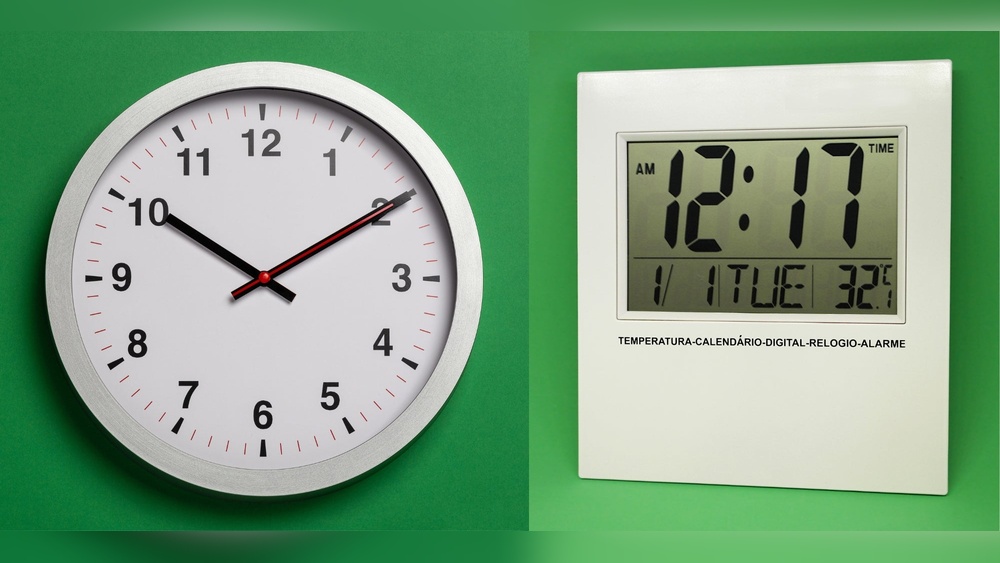
Have you ever stopped to think about the clock you rely on every day? Whether it’s hanging on your wall or sitting on your desk, the choice between an analog and a digital clock might seem simple.
But which one truly fits your lifestyle and helps you keep track of time better? You’ll discover the surprising differences between analog and digital clocks. By the end, you’ll know exactly which type suits your needs—and why it matters more than you might think.
Keep reading to find out which clock will make your time management easier and more effective.
Analog Clock Basics
Analog clocks have been a part of daily life for centuries. They show time using hands that move around a dial. These clocks are simple yet effective tools for telling time.
Understanding the basics of analog clocks helps appreciate their design and function. Let’s explore how they work and what makes them popular.
Design And Components
Analog clocks usually have three main parts: the face, the hands, and the movement. The face displays numbers or marks. The hands point to hours, minutes, and sometimes seconds. The movement powers the hands to move smoothly or tick.
Materials vary from wood and metal to plastic. The design can be classic or modern, depending on style and purpose.
How Analog Clocks Work
Inside, gears connect the hands to a power source. This source can be a battery or a spring. The gears control the speed of each hand. The hour hand moves slowly, and the minute hand moves faster. The second hand, if present, moves in small steps or smoothly.
This mechanical system keeps time accurate and easy to read.
Common Styles And Features
Analog clocks come in many styles. Wall clocks are large and easy to see. Desk clocks are small and portable. Some clocks have loud ticking sounds, while others are silent.
Features can include glow-in-the-dark hands, alarms, or decorative elements. These options make analog clocks suitable for homes, offices, and schools.
Digital Clock Essentials
Digital clocks are a common part of daily life. They show time using numbers instead of hands. Understanding their key features helps choose the right clock for any space. Digital clocks come in many forms, with different displays and functions. Their design also varies to fit personal taste and needs.
Display Types And Technology
Most digital clocks use LED or LCD screens. LED displays are bright and easy to read in dark rooms. LCD screens save energy and work well in daylight. Some clocks have backlit screens that adjust to light levels. High-tech models show time, date, and temperature clearly. The numbers can be large or small, depending on the design.
Functionality And Features
Digital clocks offer many functions beyond telling time. Alarm settings help wake up on schedule. Some include snooze buttons for a few extra minutes of sleep. Other features show the date and day of the week. Certain models connect to the internet for automatic time updates. Some even have timers and stopwatches for extra use.
Popular Designs
Digital clocks come in styles from simple to modern. Minimalist designs focus on clear number displays. Others use colorful lights or unique shapes for decoration. Travel clocks are small and easy to carry. Wall-mounted digital clocks often feature large digits for easy viewing. Some designs blend with home décor while staying practical.
Accuracy And Reliability
Accuracy and reliability are key factors in choosing a clock. People want clocks that show the correct time and work well over time. Both analog and digital clocks have strengths and weaknesses in these areas. Understanding these differences helps pick the right clock for your needs.
Timekeeping Precision
Digital clocks usually offer better timekeeping precision. They use quartz crystals to keep time. Quartz crystals vibrate at a constant rate, which helps keep digital clocks accurate. Analog clocks also use quartz movements but can lose or gain a few seconds daily. Mechanical analog clocks may be less precise due to their moving parts. Digital clocks often display exact seconds, making them easier to read for precise timing.
Power Sources And Battery Life
Digital clocks often use batteries or electricity. Battery life varies depending on the model and features like backlighting or alarms. Some digital clocks need frequent battery changes. Analog clocks mostly use small batteries that last longer because they have fewer features. Mechanical analog clocks work without batteries but need winding. Power interruptions can affect digital clocks, causing time resets, while analog clocks usually keep running without power.
Durability Factors
Analog clocks are typically more durable due to their simple design. They have fewer electronic parts that can fail. Mechanical analog clocks can last decades with proper care. Digital clocks have more electronic components that may break or become outdated. They can be sensitive to moisture and impact. Some digital clocks use plastic cases that wear out faster. Overall, analog clocks tend to be more reliable in tough conditions.
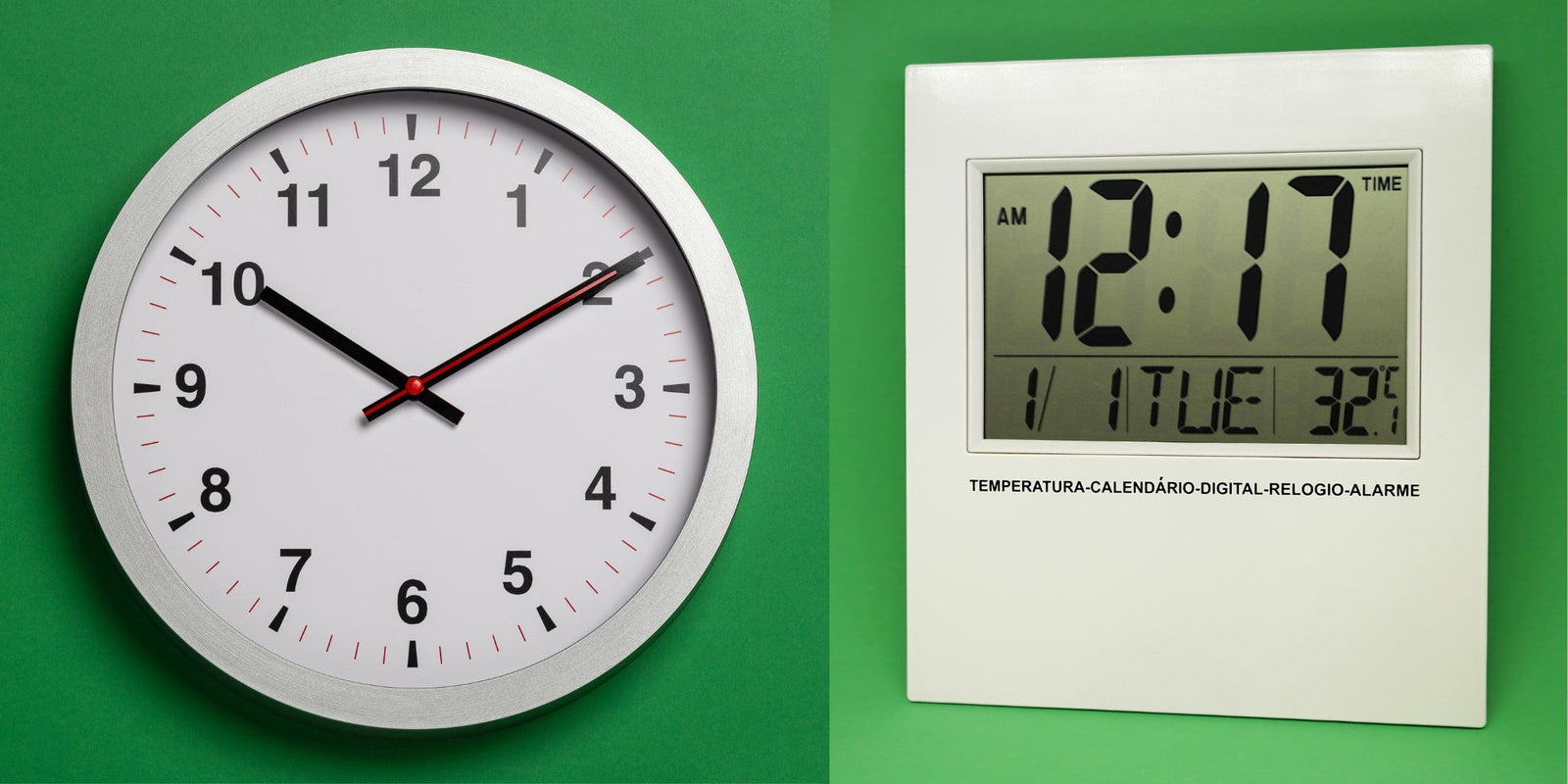
Credit: www.premierclocks.com
Ease Of Use
Ease of use is a key factor when choosing between analog and digital clocks. It affects how quickly and comfortably you can tell the time. It also influences how simple it is to set or adjust the clock. Let’s examine these aspects closely.
Reading The Time
Analog clocks show time with hour and minute hands on a dial. Some people find this visual and natural. It helps them see how much time has passed or is left.
Digital clocks display numbers directly, such as 3:45. This is straightforward and fast to read. It leaves little room for confusion, especially for young learners or those with vision issues.
Setting And Adjusting
Setting an analog clock means moving the hands manually. It can take a moment to turn the dial to the exact time. Some find this less precise but more tactile.
Digital clocks often have buttons for setting hours and minutes. This can be quicker and more exact. Some models even reset automatically, reducing user effort.
User Accessibility
Analog clocks might be harder for people with poor eyesight or cognitive difficulties. The hands and numbers can blur together.
Digital clocks offer clear, large digits. They can also include features like backlighting or voice announcements. These help users with different needs access time easily.
Aesthetic Appeal
The look of a clock can change a room’s feel. Aesthetic appeal matters for many buyers. Both analog and digital clocks offer unique visual styles. This section explores how each type fits with decor, customization, and trends.
Decor And Style Compatibility
Analog clocks often bring a classic or vintage vibe. They fit well in traditional and cozy rooms. Their round faces and hands add charm and warmth.
Digital clocks have a modern, sleek look. They suit minimalistic and tech-inspired spaces. Sharp numbers and clean lines create a futuristic feel.
Choosing a clock depends on the room’s style. Analog clocks blend with wood and soft textures. Digital clocks pair well with metal and glass.
Customization Options
Analog clocks come in many shapes, sizes, and colors. You can find ornate frames or simple designs. Some even have unique hand shapes or vintage faces.
Digital clocks offer features like color-changing displays. Some allow you to adjust brightness or show extra info. Custom text or alarm sounds add a personal touch.
Customization helps clocks match personal taste and room mood. Both types offer choices, but in different ways.
Trends And Preferences
Analog clocks remain popular for their timeless appeal. People like their nostalgic and artistic look. They often become focal points in rooms.
Digital clocks grow in popularity for convenience and style. Younger users prefer their clean displays and smart features. They suit busy, modern lifestyles.
Trends shift with time, but both clock types hold value. Personal preference guides the final decision.
Cost And Maintenance
Cost and maintenance play a big role in choosing between analog and digital clocks. Both types have different price points and upkeep needs. Understanding these differences helps you pick the best clock for your budget and lifestyle.
Price Range Comparison
Analog clocks often cost less than digital ones. Simple models start at a very low price. Fancy designs or brands may cost more. Digital clocks can be cheap but often cost more due to extra features. Bright displays and alarms add to the price. Overall, analog clocks fit smaller budgets better.
Upkeep And Repairs
Analog clocks need occasional battery changes and cleaning. Their moving parts may wear out over time. Repairs might require a clock specialist. Digital clocks usually need battery changes too. They have fewer moving parts, so repairs are rare. But fixing electronics can be costly if broken. Digital clocks need less daily care.
Long-term Investment
Analog clocks can last many years with proper care. Their timeless style can stay in fashion longer. Digital clocks offer more functions but may become outdated fast. Technology changes quickly, making some models obsolete. Choose analog for durability and classic looks. Pick digital for features and modern design.
Suitability For Different Settings
Choosing between an analog and digital clock depends on where you want to use it. Each type has features that fit certain places better. Understanding which clock suits a setting helps in picking the right one. This section looks at how analog and digital clocks work in homes, offices, and outdoor travel.
Home Use
Analog clocks add a classic touch to home decor. Their round faces and moving hands bring warmth to rooms. People often find analog clocks easier to read at a glance in living rooms or kitchens. Digital clocks are great for bedrooms. They show clear numbers, which help with waking up on time. Some digital clocks come with alarms and night lights, making them practical for home use.
Office And Workspaces
Digital clocks fit well in modern offices. They display exact time, including seconds, which helps with punctuality. Employees can check the time quickly without guessing. Analog clocks work well in creative spaces or meeting rooms. They create a relaxed atmosphere and help manage time visually. Both types support productivity but serve different moods and needs.
Outdoor And Travel
Digital clocks are very useful for travel. They often include extra features like timers and world time zones. Their bright displays are easy to see in the dark or bright sunlight. Analog clocks can be less practical outdoors. They may be harder to read quickly and lack extra functions. Yet, some people prefer analog watches for style and simplicity when traveling.
Special Features And Innovations
Special features and innovations have transformed both analog and digital clocks. These changes make clocks more useful and interesting. They go beyond just telling time.
Advances in technology add new functions. These features improve user experience. They also help clocks fit better into modern homes and lifestyles.
Smart Clocks And Connectivity
Smart clocks connect to Wi-Fi and other devices. They show weather updates, news, and reminders. Voice control lets users set alarms and check time hands-free.
Some smart clocks sync with phones and calendars. This keeps schedules organized and easy to access. Analog clocks rarely offer this type of connectivity.
Alarms And Additional Functions
Digital clocks often include multiple alarms and snooze options. They may have built-in radios or music players. Some models even track sleep patterns or play soothing sounds.
Analog clocks usually have simple alarm features. Their bells or buzzers are loud but less customizable. Digital clocks provide more control and variety in alarms.
Energy Efficiency
Many digital clocks use LED or LCD screens that save energy. Battery life varies, but some last for months on one set. Solar-powered analog clocks use natural light to stay running.
Energy-efficient clocks reduce costs and environmental impact. Both types have models designed to be eco-friendly. Choosing the right clock can help save power at home.
Choosing The Right Clock
Choosing the right clock is important for your space and daily routine. The right clock can help you keep track of time easily. It also adds to the look of your room. Picking between an analog and digital clock depends on your needs and style.
Assessing Your Needs
Think about how you use a clock daily. Do you prefer seeing hands move or numbers change? Analog clocks show time with hands on a dial. Digital clocks show time in numbers. Consider if you need a clear view from far away. Also, decide if you want an alarm or other features.
Matching Style With Function
Choose a clock that fits your room’s design. Analog clocks often look classic or vintage. Digital clocks usually appear modern and simple. Match the clock to your furniture and walls. The clock should feel like part of the room. Function and style must work together.
Making The Final Decision
Weigh your needs and style choices. Think about which clock fits your daily habits. Consider where you will place the clock. Check the size and brightness of the display. Pick the clock that feels right for you. Trust your choice and enjoy better timekeeping.

Credit: www.premierclocks.com
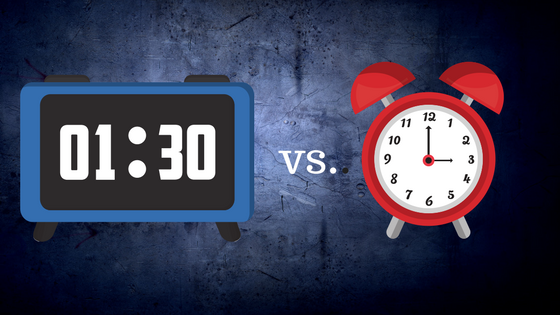
Credit: executivefunctioningsuccess.com
Frequently Asked Questions
What Is The Main Difference Between Analog And Digital Clocks?
Analog clocks show time with hands on a dial. Digital clocks display time with numbers.
Which Clock Type Is Easier To Read For Children?
Digital clocks are often easier for children to read because numbers are clear. Analog clocks require learning how to read the hands.
How Do Power Sources Differ For Analog And Digital Clocks?
Analog clocks often use batteries or mechanical winding. Digital clocks usually run on batteries or electricity.
Which Clock Type Is More Accurate For Timekeeping?
Digital clocks tend to be more accurate because they use electronic timekeeping. Analog clocks may lose or gain time slowly.
Can Analog Clocks Work Without Electricity?
Yes, many analog clocks work without electricity using mechanical parts. Digital clocks generally need batteries or power to function.
Conclusion
Choosing between analog and digital clocks depends on your needs and style. Analog clocks offer a classic look and help with learning time. Digital clocks show time clearly and often include extra features. Both types serve their purpose well in different settings.
Consider what fits your space and daily routine best. Timekeeping can be simple or detailed, based on your choice. Either way, both clocks help you stay on track throughout the day.