
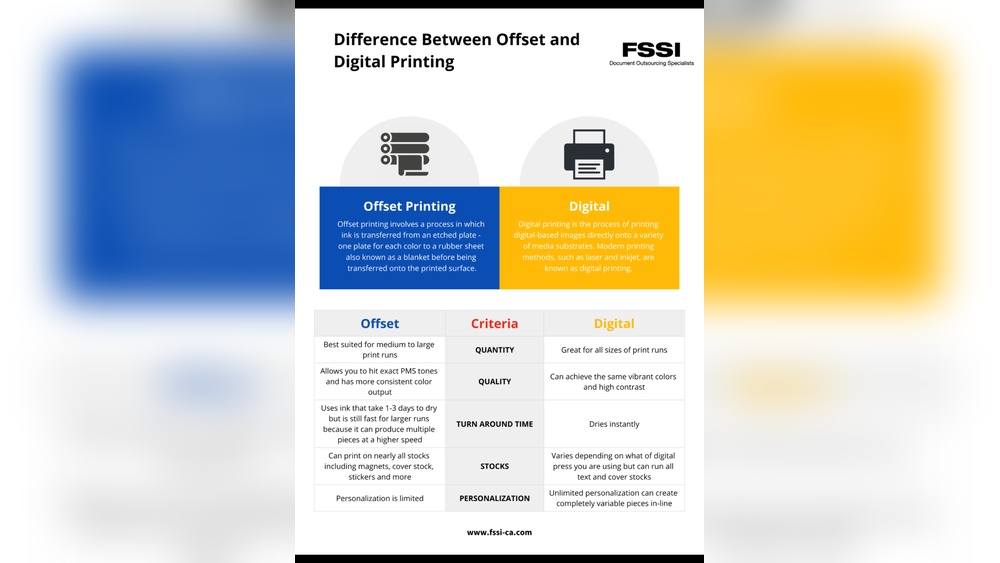
When it comes to printing your designs, you might be wondering which method is best for you: offset or digital printing? Choosing the right option can save you time, money, and frustration.
You want your prints to look sharp, colors to pop, and the process to fit your needs perfectly. This guide will help you understand the key differences between offset and digital printing so you can make a confident choice. Keep reading to find out which printing method suits your project and budget the best.
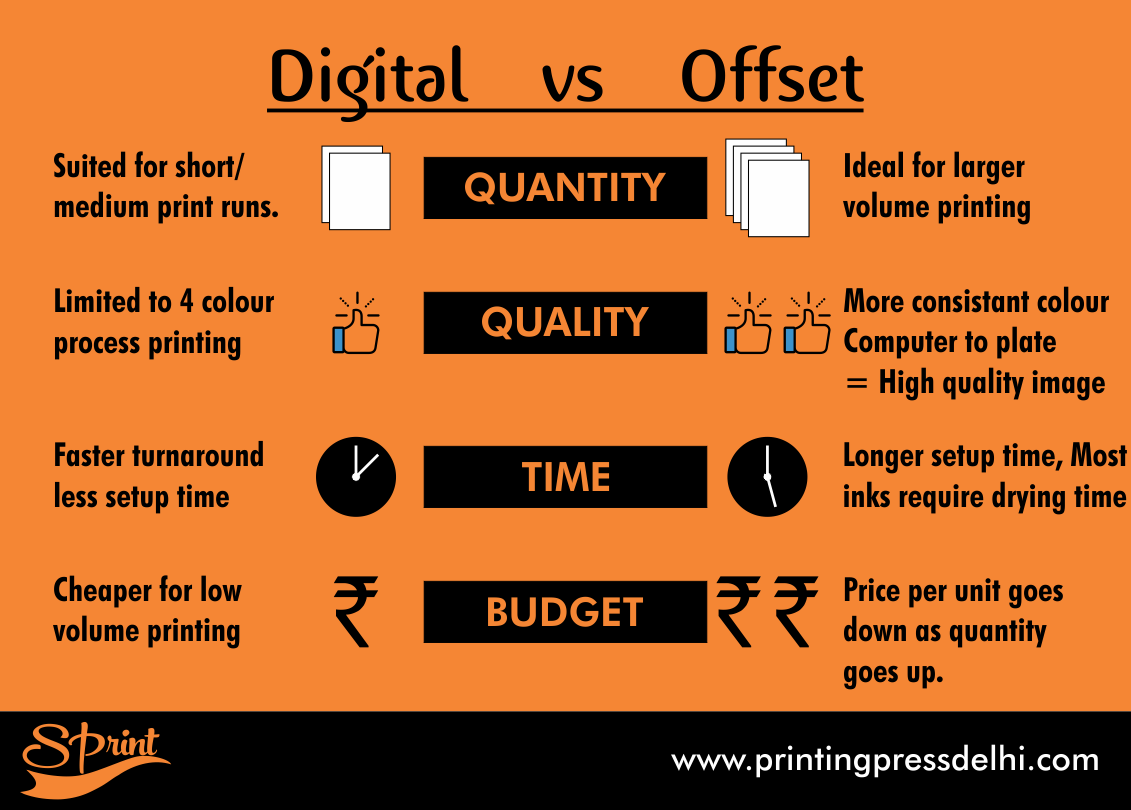
Credit: printingpressdelhi.com
Offset Printing Basics
Offset printing is a popular printing method used for high-quality prints. It works by transferring an image from a plate to a rubber blanket, then onto the paper. This process helps create sharp and clear images.
Many businesses use offset printing for their large print jobs. It is reliable and cost-effective for mass production. The colors are consistent, and the print quality stays high.
How Offset Printing Works
First, an image is etched onto a metal plate. The plate gets wet and then inked. The ink sticks only to the image area. The plate transfers the image to a rubber blanket. The blanket presses the image onto paper. This indirect method protects the plate and creates sharp prints.
Common Uses Of Offset Printing
Offset printing suits large print runs like books and magazines. It is ideal for brochures, flyers, and newspapers. Many companies use it for packaging and labels. The method works best for jobs needing many copies.
Benefits Of Offset Printing
Offset printing offers high image quality and color accuracy. It handles large volumes with low cost per unit. The process works on many paper types and sizes. It also produces consistent results across all prints.
Digital Printing Essentials
Digital printing is a popular choice for many printing needs. It uses technology to print images directly from a computer file. This method is fast and flexible. It works well for short runs and quick turnarounds.
Understanding the basics of digital printing helps you choose the right method. Below are key points about how it works, where it is used, and its benefits.
How Digital Printing Works
Digital printing uses inkjet or laser printers. It prints images directly onto paper or other materials. There is no need for printing plates like in offset printing. The process starts with a digital file, such as a PDF. This file sends the image to the printer. The printer then applies ink or toner to the material in layers. This method allows for fast setup and less waste.
Typical Applications Of Digital Printing
Digital printing is great for short runs and customized jobs. It is common for business cards, flyers, and brochures. Personalized marketing materials often use digital printing. It also works well for labels and packaging. Small posters and photo prints are other typical uses. The ability to print variable data makes it ideal for direct mail campaigns.
Advantages Of Digital Printing
Digital printing offers fast turnaround times. It requires less setup than offset printing. This reduces costs for small print jobs. It allows easy customization of each print. Quality has improved and is good for most purposes. There is minimal waste of ink and paper. It supports on-demand printing, which reduces inventory needs. This method suits businesses that need flexibility and speed.
Cost Comparison
Cost plays a big role in choosing between offset and digital printing. Each method has different expenses depending on the project size and details. Understanding these costs helps you pick the best option for your needs.
Setup And Production Costs
Offset printing requires high setup costs. Making printing plates takes time and money. The process needs more preparation before printing starts. This cost stays the same no matter the number of prints.
Digital printing has low setup costs. It does not use plates. Files go directly to the printer. This makes it faster and cheaper to start printing small jobs.
Cost Efficiency For Small And Large Runs
Digital printing is best for small runs. The cost per print stays steady. You pay less upfront and can print fewer copies. It is good for tests, samples, or personalized prints.
Offset printing is cheaper for large runs. The cost per print drops as quantity grows. Once the setup is paid, printing more copies costs less. It suits big orders with consistent designs.
Quality Differences
Quality is a key factor when choosing between offset and digital printing. Both methods have unique traits that affect the final print look. Understanding these differences helps pick the right printing type for each project.
Print quality depends on how sharp the images look and how true the colors appear. The type of paper or material used also impacts the output quality. Let’s explore these aspects in detail.
Image Resolution And Color Accuracy
Offset printing offers high image resolution. It produces crisp and clear details. This method uses plates, which help create sharp images with smooth gradients. Color accuracy is strong in offset printing. It uses precise color mixing and layering. This results in consistent and vibrant colors.
Digital printing works well for simple images and quick jobs. It prints directly from digital files. The resolution depends on the printer’s technology. Some digital printers can match offset quality for small runs. Color accuracy varies but is improving with new technology. It may not always match the depth and consistency of offset printing.
Material Compatibility
Offset printing handles a wide range of materials. It works well on coated, uncoated, and textured papers. It also prints on plastic, metal, and other surfaces. This makes it ideal for many commercial uses. The inks used in offset printing bond strongly to different materials, ensuring durability.
Digital printing is best for standard papers and some specialty materials. It may struggle with very rough or thick surfaces. Some digital printers use special inks for materials like fabric or vinyl. These inks are designed to stick well and resist fading. Material choices for digital printing are growing but still more limited than offset.
Turnaround Time
Turnaround time is a key factor in choosing between offset and digital printing. It affects how fast you get your printed materials. Understanding the time differences helps plan projects better. Each printing method has unique speed traits that impact delivery.
Speed Of Production
Digital printing is faster for small runs. It requires less setup, so printing starts quickly. This means jobs can finish in hours or a day. Offset printing takes longer to set up. Plates must be made, which slows the start. Large orders print faster with offset once setup is done. The production speed depends on the job size.
Impact On Project Deadlines
Digital printing suits tight deadlines and quick changes. It allows for last-minute edits without delay. Offset printing suits projects with more time available. It ensures high quality but needs early planning. Missed deadlines can happen if setup takes too long. Choosing the right method helps meet time goals.

Credit: www.jukeboxprint.com
Customization And Flexibility
Customization and flexibility play a big role in choosing between offset and digital printing. Both methods offer unique benefits. Understanding how each handles changes and personal touches helps make the right choice for your project.
Variable Data Printing
Digital printing allows variable data printing with ease. Each printed piece can have different text or images. This works well for personalized marketing materials, like postcards or flyers. Offset printing does not support this type of customization. It uses fixed plates, so every print looks the same. Digital printing saves time and money for small batches with unique details.
Design Changes And Proofing
Design changes are easier with digital printing. Proofs can be made quickly and cheaply before the full run. This helps catch mistakes early and avoid waste. Offset printing requires making new plates for any change. This adds cost and delays the process. Small design tweaks are more flexible and faster with digital printing. It suits projects that need frequent updates or tests.
Environmental Impact
Printing methods affect the environment in different ways. Choosing the right process helps reduce harm. Both offset and digital printing have unique impacts on nature. Understanding these impacts can guide better decisions.
Ink And Material Waste
Offset printing often creates more waste. It requires plates and large ink quantities. Unused ink and cleaning fluids add to waste. Paper waste is also higher due to setup runs.
Digital printing uses ink more efficiently. It prints only what is needed. This reduces leftover ink and materials. Less paper waste occurs since no setup sheets are needed.
Energy Consumption
Offset presses use more energy during setup. The process involves multiple steps before printing. Energy use is higher for small print runs. Large runs become more efficient over time.
Digital printers use less energy overall. They start printing immediately without setup. Energy savings are clear for short runs. This makes digital printing greener for small jobs.

Credit: www.sunprinting.com
Choosing The Right Method
Choosing the right printing method can shape the success of your project. It affects cost, look, and timing. Understanding key factors helps you pick offset or digital printing wisely. This guide covers project size, budget, quality, finishing, and delivery time. Use these points to decide what fits your needs best.
Project Size And Budget
Large print runs usually favor offset printing. It becomes cheaper per copy as quantity grows. Small orders suit digital printing better. Digital has low setup costs and no minimums. Budget limits also guide the choice. Offset needs more upfront investment. Digital offers lower start costs but higher unit prices.
Desired Quality And Finishing
Offset printing delivers sharp, rich colors and smooth gradients. It excels in high-quality images and fine details. Digital prints can vary in quality but improve fast. Digital is good for simple graphics and photos. For special finishes like embossing or foil, offset is best. Digital printing has fewer finishing options.
Delivery Time Considerations
Digital printing is faster for small jobs and proofs. It requires less setup and can print on demand. Offset printing takes longer due to plate making and setup. Large runs take more time but printing itself is quick. Choose digital for tight deadlines and quick changes. Offset suits projects with flexible schedules.
Frequently Asked Questions
What Is The Main Difference Between Offset And Digital Printing?
Offset printing uses plates to transfer images, while digital printing prints directly from a file. Offset is best for large runs; digital suits small jobs.
Which Printing Method Is Cheaper For Small Print Runs?
Digital printing is usually cheaper for small quantities due to less setup time. Offset printing has higher setup costs but lowers per unit price for large orders.
How Does Print Quality Compare Between Offset And Digital Printing?
Offset printing generally offers higher image quality and color accuracy. Digital printing quality has improved but may show slight differences in fine details.
Can Digital Printing Handle Custom Designs Better Than Offset?
Yes, digital printing easily handles custom designs and variable data. Offset printing is less flexible and best for consistent, repeated images.
Which Printing Method Is Faster For Urgent Print Jobs?
Digital printing is faster because it requires minimal setup. Offset printing takes longer due to plate preparation but is efficient for large volumes.
Conclusion
Choosing between offset and digital printing depends on your project needs. Offset printing suits large runs with consistent quality. Digital printing works best for small orders and quick turnarounds. Cost and time matter a lot in this choice. Think about your budget, quantity, and speed requirements.
Both methods have clear strengths and weaknesses. Understanding these helps you pick the right printing style. Make your decision based on what fits your goals the best. Simple and smart choices lead to great results.