
Are you curious about what really sets film and digital movies apart? Whether you’re a casual viewer or a budding filmmaker, understanding the differences can change the way you experience movies.
From the look and feel to the way they’re made, film and digital each have unique qualities that affect your viewing experience. Keep reading to discover which style might be right for you and why it matters more than you think.
Image Quality Comparison
Comparing image quality between film and digital movies reveals unique strengths. Both mediums capture visuals differently. Each offers distinct textures, colors, and details. Understanding these differences helps appreciate their artistic value and technical aspects.
Resolution And Detail
Film captures images with tiny grains that create natural detail. It can record very high resolution, especially on 35mm or larger formats. Digital cameras use pixels to form images. High-end digital cameras now match or exceed film resolution. But film still holds subtle details in complex scenes.
Color Reproduction
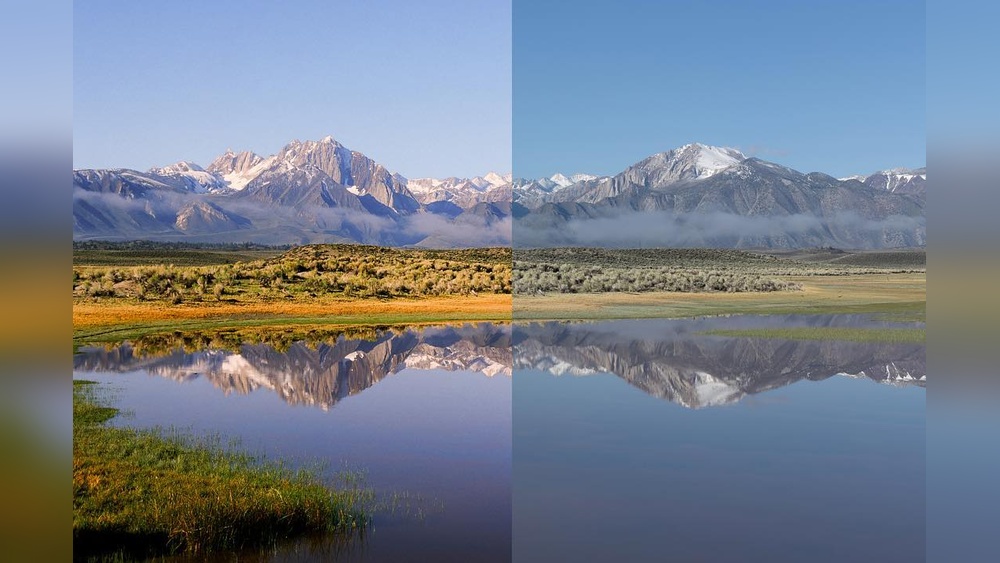
Film produces rich, organic colors with smooth gradients. It handles skin tones and natural colors well. Digital cameras offer more control over color settings. Colors can be adjusted easily in post-production. Some digital images may look sharper but less warm than film.
Dynamic Range
Dynamic range means the ability to show details in bright and dark areas. Film has a wide dynamic range, preserving highlights and shadows nicely. Digital sensors have improved dynamic range greatly. Some high-end digital cameras now rival film’s ability to capture light and shadow.
Grain Versus Noise
Film grain appears as a natural texture adding character to images. It varies with film type and exposure. Digital noise occurs in low light or high ISO settings. Noise often looks harsher and less appealing than grain. Many filmmakers prefer grain for its artistic feel.

Credit: www.youtube.com
Production Process Differences
The production process of film and digital movies shows clear differences. Each method affects how movies are shot, edited, and how much they cost. These differences shape the final look and feel of the movie.
Shooting Techniques
Film cameras use physical rolls of film to capture images. This limits the number of shots and requires careful planning. Digital cameras record images on memory cards, allowing more takes and instant review. Digital shooting offers more flexibility on set.
Editing Workflow
Editing film involves physically cutting and splicing film strips. This process takes longer and needs special equipment. Digital editing uses software to cut and arrange clips on a computer. It speeds up the process and allows easy changes.
Cost And Time Implications
Film production costs include buying and developing film stock. This adds to the budget and extends production time. Digital production reduces material costs and speeds up shooting and editing. It often fits better with tight budgets and schedules.
Aesthetic And Artistic Impact
The choice between film and digital affects a movie’s look and feel deeply. Each format offers unique qualities that shape the story’s visual style. The aesthetic and artistic impact influences how audiences connect with the movie. It also guides creative decisions for directors and cinematographers.
Texture And Depth
Film creates a natural grain that adds texture to images. This grain gives a sense of depth and richness. Digital images appear cleaner and sharper but can lack this organic feel. The subtle imperfections in film contribute to its charm. Digital allows more control over clarity and detail. Both textures serve different artistic purposes.
Emotional Tone
Film often delivers a warmer, nostalgic tone. It can evoke feelings tied to past memories or classic cinema. Digital tends to produce cooler and more neutral colors. This can make scenes feel more modern or realistic. Filmmakers choose a format based on the mood they want. The medium itself helps set the emotional atmosphere.
Filmmaker Preferences
Many directors love film for its timeless look. They appreciate its ability to capture light naturally. Others prefer digital for its flexibility and ease of use. Digital allows quick edits and immediate feedback. Some filmmakers combine both formats for unique effects. Personal style and project goals guide their choice.
Technical Challenges And Advantages
Choosing between film and digital movies involves understanding their technical challenges and benefits. Each format has unique demands in equipment, editing, and storage. These factors shape how filmmakers work and how audiences experience movies.
Equipment And Maintenance
Film cameras need physical reels and special handling. They require regular cleaning and careful storage. Digital cameras use sensors and memory cards. They need software updates and battery care. Film gear can be bulky and heavy. Digital equipment tends to be lighter and more compact. Film requires a dark room or lab for developing. Digital footage can be viewed instantly on screens.
Post-production Flexibility
Film editing involves cutting and splicing physical strips. This process takes more time and skill. Digital editing uses software, allowing quick changes and effects. It offers more options for color grading and corrections. Film has a unique grain and texture that many prefer. Digital images can sometimes look too clean or artificial. Both formats can produce high-quality results with the right tools.
Archiving And Preservation
Film reels can last many decades if stored well. They need cool, dry conditions to avoid damage. Digital files can be copied easily but may become corrupted. Technology changes can make digital formats obsolete. Proper backup and migration are crucial for digital storage. Film is physical and tangible, which some find reassuring. Digital archives require constant attention to remain accessible.
Audience Experience
The audience experience differs greatly between film and digital movies. Each format offers unique qualities that affect how viewers connect with the story and visuals. This section explores key aspects shaping the audience’s experience in both formats.
Visual Authenticity
Film has a grainy texture that many find charming and real. It captures light in a way that creates depth and warmth. Digital movies often look sharper and cleaner but can feel less natural. Some viewers prefer film for its organic look. Others enjoy digital’s crisp and clear images. The choice changes how the story feels on screen.
Screening Environments
Films usually play in traditional theaters with large, bright screens. This setup enhances the film’s unique qualities. Digital movies can show in various places, from cinemas to home setups. Digital screens adapt well to different lights and sizes. This flexibility changes how people watch and enjoy movies. The environment shapes the overall mood and immersion.
Viewer Perceptions
Many viewers see film as a classic, artistic choice. It feels like watching history in motion. Digital movies seem modern and accessible. Some think digital lacks the soul of film. Others appreciate digital’s convenience and consistency. These opinions affect how audiences value each format. Personal taste plays a big role in the viewing experience.

Credit: www.youtube.com
Future Trends In Cinema
The world of cinema keeps changing with new ideas and tools. Filmmakers explore fresh ways to tell stories. The future of movies blends old and new technology. This mix creates exciting chances for filmmakers and viewers alike.
Emerging Technologies
Virtual reality (VR) and augmented reality (AR) are entering cinema. These tools make movies feel more real and interactive. AI helps in editing, color grading, and visual effects. High-resolution cameras capture stunning images with great detail. These tech advances improve movie quality and storytelling.
Hybrid Approaches
Some films combine film and digital methods. Directors use film for its look and digital for editing ease. This blend offers creative freedom and cost savings. Hybrid movies keep the charm of film with digital’s convenience. It offers the best of both worlds for filmmakers.
Industry Adoption
Studios and filmmakers invest in new movie technology. Streaming services push digital formats for fast delivery. Independent creators often prefer film for its unique style. Big studios adopt hybrid methods to reduce costs. The industry adapts quickly to meet audience demands.

Credit: www.vox.com
Frequently Asked Questions
What Are The Main Differences Between Film And Digital Movies?
Film movies use physical film to record images, while digital movies use electronic sensors. Film often has a grainy look, and digital is clearer. Each has its own style and feel.
Which Format Offers Better Image Quality, Film Or Digital?
Digital movies usually provide sharper and cleaner images. Film can have more natural colors and texture but may show grain. Quality depends on equipment and skill.
Is Shooting On Film More Expensive Than Digital?
Yes, film is generally more costly due to film rolls and processing. Digital saves money with reusable memory cards. Costs vary by project size.
How Does The Editing Process Differ For Film Versus Digital?
Digital editing is faster and easier with computers. Film editing requires physical cutting and splicing of film strips. Digital allows more effects and changes.
Do Filmmakers Prefer Film Or Digital For Artistic Reasons?
Some directors like film for its classic look and feel. Others choose digital for convenience and flexibility. Preference depends on the story and style desired.
Conclusion
Both film and digital movies have unique strengths and weaknesses. Film offers a classic look with rich textures and colors. Digital provides convenience, quick editing, and easier sharing. Choosing depends on personal taste and project needs. Each method shapes the final story differently.
Embrace what suits your style and goals best. The art of filmmaking continues to grow with both options.