
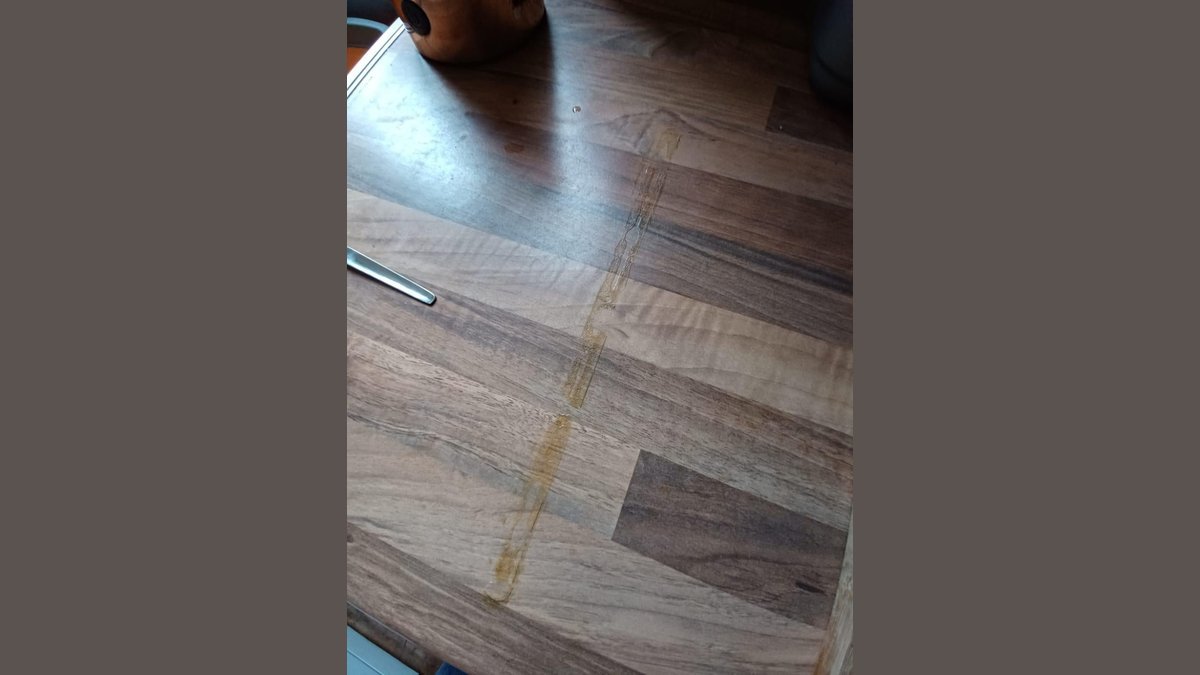
You can remove gorilla glue from wood by carefully scraping the excess with a plastic chisel and softening the remaining residue with a rag dampened in acetone. This task typically takes 30 to 60 minutes depending on the glue thickness, and the cost is limited to the price of a small can of solvent and a few basic tools. It’s a task that needs care to avoid damaging the wood finish, and you must have a well-ventilated space before starting to ensure your safety.
Tools to remove glue from wood
| Item | How much | Why it’s needed | A substitute |
|---|---|---|---|
| Acetone | 2-4 ounces | Dissolves glue bond | Nail polish remover |
| Plastic scraper | 1 unit | Removes excess glue | Old credit card |
| Clean rags | 2-3 pieces | Wipes away residue | Paper towels |
| Sandpaper | 1 sheet | Smooths final surface | Fine steel wool |
| Safety glasses | 1 pair | Protects from splashes | none — don’t swap this |
When selecting acetone, ensure the bottle is labeled 100% pure. Lower concentrations often contain oils that leave a greasy film, forcing you to clean the surface twice.
If you’re working on finished wood, skip the scraper entirely. Metal or hard plastic edges will gouge the grain, creating a repair job more difficult than the glue itself. Use a soft cotton cloth dampened with acetone to gently lift the adhesive instead.
Always test your solvent on an inconspicuous area first. If the finish clouds or turns tacky, stop immediately. You’re likely dealing with a lacquer or shellac base that requires mineral spirits rather than acetone.
Never use paper towels for the final wipe if you intend to paint or stain the area. They shed microscopic fibers that get trapped in the finish, ruining the texture. Stick to lint-free microfiber or old t-shirt scraps for professional results.
Safety and preparation
- Open all nearby windows and doors to ensure constant airflow, as acetone vapors can be irritating or harmful in enclosed spaces.
- Put on your safety glasses and nitrile gloves to prevent skin contact and keep solvent out of your eyes during the process.
- Test a small, hidden area of the wood with your acetone first to ensure it doesn’t strip the stain or finish.
- Cover any nearby carpet or delicate surfaces with a heavy drop cloth to catch any drips or debris that fall during scraping.
- Avoid using metal scrapers on soft woods like pine, as they often gouge the surface and create permanent marks that require sanding.
Removing the adhesive safely
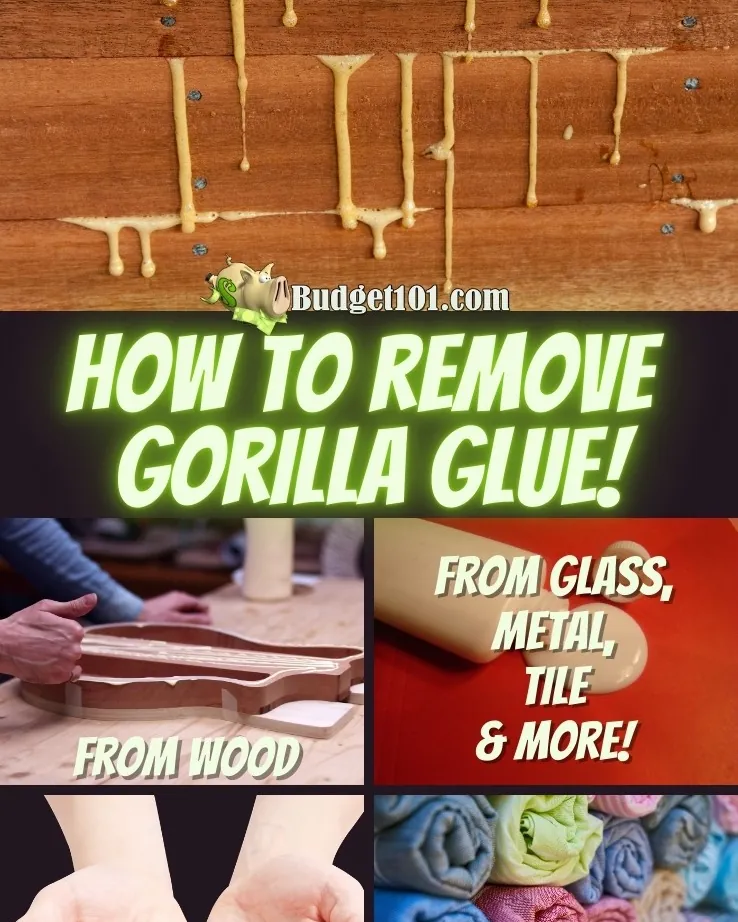
- Use your plastic scraper to gently lift the hardened glue bead away from the wood surface by applying light, steady pressure at a 45-degree angle. If the glue is thick, take off only the top layer at a time to prevent pulling up wood fibers or grain.
- Dampen a clean, lint-free rag with a small amount of acetone, ensuring it’s wet but not dripping, and press it firmly against the remaining glue spot for 60 seconds. This dwell time is necessary to soften the cured polyurethane adhesive without flooding the surrounding wood grain.
- Wipe the softened glue away using a clean section of the rag, moving in the direction of the wood grain to avoid scratching the surface. If the glue doesn’t lift easily, repeat the dampening process for another 60 seconds, but don’t exceed three applications on finished wood.
- Check the wood surface under bright light to see if any hazy residue remains after the glue has been wiped away from the contact area. If you see a dull patch, you have likely removed the finish along with the glue, which will require a light sanding and touch-up.
- Allow the area to air dry completely for 15 minutes before touching it to ensure the solvent has fully evaporated from the wood pores. If the surface feels tacky, allow it to air dry completely, as the tackiness is likely due to the solvent not having fully evaporated.
- Sand the area lightly with 220-grit sandpaper if the wood feels rough or if you accidentally removed some of the protective finish. Use only enough pressure to level the surface, as aggressive sanding will change the wood profile and make the repair visible against the original surrounding finish.
- Apply a small amount of matching wood stain or furniture wax to the treated spot if the removal process left a noticeable light patch. Test your color match on a scrap piece of wood first, as the Gorilla Glue technical data sheet notes that the adhesive is designed for high-strength bonding and may penetrate deeper than surface finishes.
- Wipe away any excess stain or wax immediately with a clean cloth to blend the repair into the rest of the wood surface. Let the area cure for 24 hours before placing any heavy objects back on the surface to ensure the new finish has fully hardened.
Signs of a successful removal
The surface should feel smooth to the touch, and there should be no visible lumps or raised edges where the glue previously sat. If you wipe the area with a clean, dry cloth and it snags, you haven’t removed all the adhesive and must repeat the softening process. A successful result looks uniform, with the wood grain appearing clear and consistent across the entire board.
If the wood looks cloudy or has a white film, this often means the acetone has reacted with the existing varnish or lacquer. This is a common mistake when users leave the solvent on for too long, which forces the finish to dissolve. If you notice this, stop immediately and allow the area to dry. You’ll likely need to reapply a fresh coat of finish to restore the original luster and color.
Troubleshooting the cleanup
| What happened | Why | What to do |
|---|---|---|
| Wood feels sticky | Solvent residue | Wipe with water |
| Finish turned white | Solvent damage | Sand and refinish |
| Glue stays hard | Cured too long | Repeat solvent soak |
| Wood fibers lift | Scraped too hard | Sand surface smooth |
| Stain color fades | Acetone exposure | Apply new stain |
If the wood remains tacky after a water wipe, you likely used a solvent with a high wax content. Switch to a pure mineral spirit wash to lift the remaining film.
White spots often indicate moisture trapped under the finish rather than solvent damage. Test this by placing a warm iron over a dry cloth on the spot for ten seconds. If the white haze vanishes, you have successfully evaporated trapped moisture from the finish. If the haze persists, the finish has chemically degraded and requires sanding.
When fibers lift, you have likely removed too much material. Stop scraping immediately. Use 220-grit sandpaper to level the grain before applying a sealer. If you ignore this step, the finish will appear uneven and rough to the touch. Always sand in the direction of the grain to avoid permanent scratches.
How often to perform this cleanup
You should perform this removal only when glue spills occur, as frequent exposure to acetone can dissolve or damage wood finishes. The frequency depends entirely on your workspace habits and the amount of glue used during your projects. If you find yourself needing to remove glue often, consider using a thinner application nozzle or a smaller bead size to minimize the squeeze-out.
The main factor that changes this interval is the type of finish on your wood; polyurethane finishes are more resistant to solvent damage than shellac or oil-based waxes. Always check the manufacturer’s guide on your specific wood finish before applying any chemicals. If you’re unsure about your finish type, perform a test in an inconspicuous area, such as the underside of a table or the back of a cabinet, to see if the solvent causes any immediate discoloration.
Related guides
Frequently asked questions
Can I use vinegar to remove gorilla glue?
No, vinegar isn’t effective at dissolving cured polyurethane glue, and it may damage the wood finish due to its acidic nature. You must use a solvent specifically designed for high-strength adhesives, such as acetone, to break down the chemical bonds safely. If you don’t have acetone, it’s better to wait until you can purchase it rather than using household cleaners that might permanently stain or warp the wood grain.
Does acetone ruin wood if left on too long?
Yes, acetone will soften and remove most wood finishes, including lacquer and varnish, if it remains in contact with the surface for more than two minutes. You must work in short, controlled bursts and wipe the surface immediately to prevent deep penetration into the wood fibers. If you accidentally spill a large amount, soak it up with a paper towel and wipe the area with a damp cloth to dilute the chemical.
Is it safe to scrape glue without solvent?
No, scraping dry glue without softening it first is dangerous because it often pulls up chunks of the wood surface, creating deep gouges. You should always use a softening agent like acetone to weaken the bond between the glue and the wood before attempting to lift the adhesive. This simple step prevents the wood from splintering and keeps the surface level for your final finish or stain application.
How long does it take for glue to fully cure?
Gorilla glue typically reaches its full strength after 24 hours, though it can be removed much more easily if you catch the spill within the first 60 minutes. If you wait the full 24 hours, the adhesive becomes much more resistant to solvents and will require more patience during the removal process. Always prioritize cleaning spills immediately to ensure the easiest removal and the least amount of surface damage to your furniture.
What happens if I sand the glue instead of using solvent?
Sanding the glue directly often results in an uneven surface and ruins the surrounding finish because the glue is much harder than the wood. You’ll likely end up with a low spot or a depression in the wood that’s very difficult to repair without professional tools. Always remove the bulk of the glue with a plastic scraper and solvent before using any abrasive materials to level the final surface.
Does the wood type affect the removal process?
Yes, soft woods like pine and cedar are much more porous and prone to damage from solvents than hardwoods like oak or maple. You must use less acetone on softwoods and keep the dwell time to a minimum to avoid damaging the underlying wood structure. Always perform a spot test on a hidden area of the specific wood species before applying any chemicals to the visible parts of your project.
Conclusion
Cleaning up these adhesives requires patience and the right materials to ensure the wood remains undamaged. By following the steps above and testing your methods on hidden areas, you can restore your wood surfaces effectively. Always store your chemicals in a cool, dry place away from heat sources to ensure they remain safe and effective for your next project.