
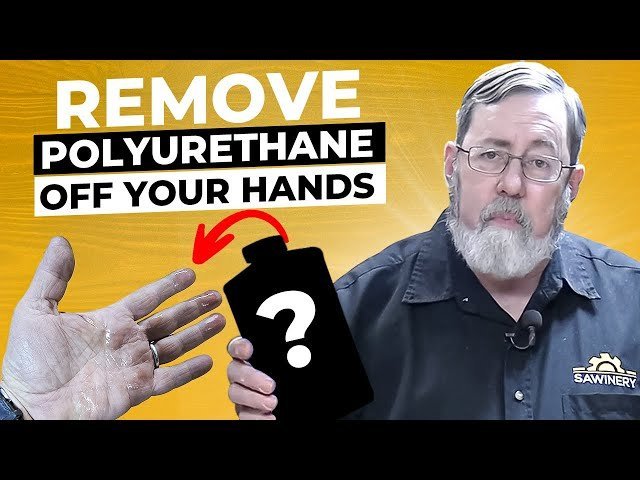
You can remove wet polyurethane by wiping it off immediately with a dry cloth, while dried polyurethane requires gentle mechanical abrasion or a solvent like mineral spirits. Cleaning polyurethane off your hands is essential because letting it cure on your skin can cause irritation or lead to dermatitis if you’re sensitive to isocyanates. If you finish the job quickly, the damage remains minimal. However, if you ignore the hardened residue, you may need several days of washing for the skin to naturally shed the product.
Safety guidelines for polyurethane on your hands

Different substances interact with your skin in various ways. Always check the product label for specific safety warnings regarding skin contact before you start.
| Situation | Safe? | Why |
|---|---|---|
| Wet polyurethane | Yes | Wipes off with dry cloth |
| Tacky polyurethane | With care | Needs mild vegetable oil rub |
| Hardened polyurethane | With care | Requires gentle mechanical abrasion |
| Irritated, cracked skin | No | Solvents cause further damage |
| Sensitive skin | No | Chemicals may trigger reaction |
| Large area coverage | No | Risk of systemic exposure |
If you encounter hardened residue, resist the urge to use harsh paint thinners or acetone. These solvents strip your skin’s natural lipid barrier, leading to chemical burns or dermatitis. Instead, apply a warm mineral oil compress for ten minutes to soften the bond before using a fine-grit pumice stone.
You can distinguish between safe and hazardous removal by checking for skin integrity. If your skin is intact, mechanical abrasion is acceptable. If you notice redness, swelling, or open fissures, stop immediately. Applying friction to compromised skin invites secondary infections that require medical intervention.
Most users fail by rushing the process, which leads to tearing the top layer of the epidermis. If the residue doesn’t lift after two minutes of gentle rubbing, stop and reapply the oil. Patience here prevents the scarring that often follows aggressive scraping.
Understanding the Risks of Skin Contact
The primary risk of polyurethane exposure is contact dermatitis, an inflammatory skin condition caused by direct exposure to chemicals. Polyurethane finishes often contain residual isocyanates during the curing process. These compounds are potent sensitizers that can cause skin rashes, swelling, and respiratory issues if you’re repeatedly exposed.
The likelihood of a severe reaction depends on your personal sensitivity and the duration of contact. If you have healthy, intact skin, a single accidental exposure is rarely dangerous. However, if you have existing cuts, eczema, or sensitive skin, the chemicals can penetrate the barrier more easily. This increases the chance of a localized allergic reaction or chemical burn.
If your skin feels tight or develops a sudden, persistent itch, you’re likely experiencing early-stage sensitization. At this point, even brief future contact can trigger a full-blown immune response. If you notice these symptoms, stop all contact with the product immediately and consult a healthcare professional.
Never use harsh industrial solvents like acetone or paint strippers to clean your hands. These substances strip away your natural skin oils, leaving your hands vulnerable to infection and cracking. If the polyurethane has already hardened, your safest path is waiting for your skin to naturally exfoliate.
If you must remove it, use a mild abrasive like a pumice stone or a salt scrub rather than chemical solvents. If the residue covers more than ten percent of your hand surface, use a barrier cream containing dimethicone before you begin your next project. This creates a physical shield that prevents chemical absorption.
If you work with these materials daily, wear nitrile gloves with a minimum thickness of 0.11 millimeters. Thinner, disposable latex gloves offer no protection, as isocyanates permeate them in less than five minutes.
When to Stop Cleaning
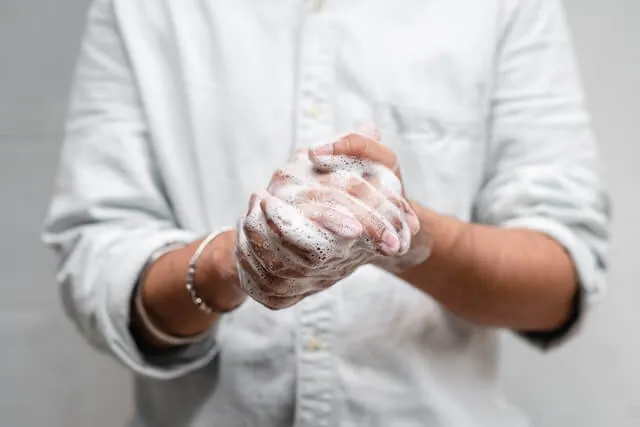
If you notice any of these signs, stop your removal efforts immediately and wash the area with mild soap and water.
Burning or stinging sensations on the skin indicate that the cleaning agent is damaging your protective barrier. If the pain persists for more than ten minutes after rinsing, assume the chemical has penetrated the dermis.
Visible cracking or bleeding means the skin is too compromised for further scrubbing or solvent use. At this stage, you risk secondary infection; apply a sterile bandage and leave the remaining residue to a professional.
Sudden swelling or hives suggest an allergic reaction that requires medical attention. If you struggle to breathe, skip the sink and go directly to the emergency room.
Numbness or tingling in the fingertips may indicate nerve irritation from harsh chemical exposure. Don’t wait for these sensations to fade on their own.
Dizziness or lightheadedness means you’re inhaling toxic fumes while working. Move to fresh air instantly and stay there until your heart rate stabilizes.
If the area of contact is larger than your palm, or if you feel unwell, don’t attempt further DIY removal. Contact a poison control center or seek medical advice immediately. Professional staff have access to specific neutralizers that prevent long-term tissue damage.
The Safer Way to Remove Polyurethane
Wipe away excess wet finish immediately using a dry paper towel or a clean rag. Avoid using solvents like mineral spirits or acetone, as these strip natural oils and force chemicals deeper into your pores.
Apply a small amount of vegetable oil or baby oil to your skin if the finish is tacky. Rub the oil into the residue for 60 seconds to help break down the bond. This lubrication allows you to peel the film gently rather than scraping it, which prevents micro-tears in your skin.
Wash your hands with warm water and mild dish soap to remove the oil and residue. If the finish is partially dry, use a pumice stone or a gentle exfoliating scrub. Apply light pressure in circular motions; if you feel stinging, you’re abrading the skin rather than the polyurethane. Stop immediately to avoid infection.
Apply a thick, unscented moisturizing cream to your hands once finished to restore the skin barrier.
If the polyurethane is fully cured, don’t force it off. Attempting to pry off hardened plastic will tear healthy skin cells, leading to painful irritation. The finish will naturally flake away as your skin cells renew over the next 48 to 72 hours. If you must remove it for professional reasons, soak your hands in warm, soapy water for ten minutes to soften the edges before gently using a soft-bristled nail brush.
If the Polyurethane Has Already Hardened
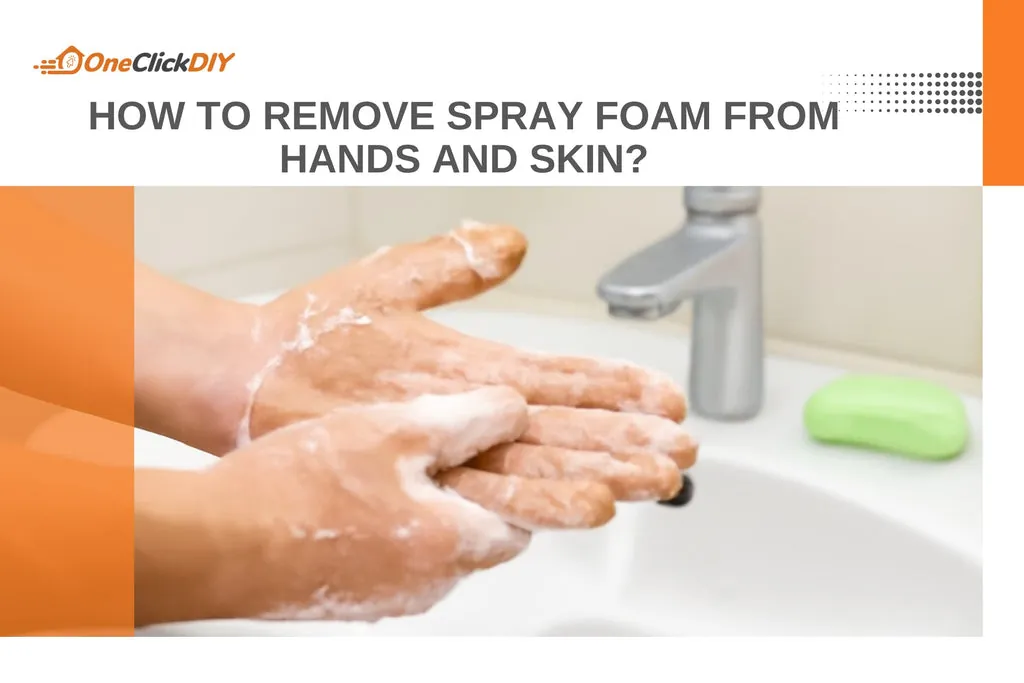
If you find that the product has already cured on your skin, the most effective approach is patience. Avoid the temptation to use a knife or razor blade to scrape the material off, as this almost always results in cuts or skin abrasions. If you break the skin, you create a direct pathway for bacteria, which can lead to painful infections.
Instead, soak your hands in warm, soapy water for 10 minutes to soften the top layer of your skin. After soaking, use a pumice stone with light, circular pressure to lift the edges of the hardened polyurethane. If the material doesn’t budge, leave it alone. The body naturally sheds dead skin cells, and the finish will come off on its own within a few days.
If the polyurethane is stuck to hair, don’t pull. Apply a small amount of mineral oil or petroleum jelly to the area and let it sit for five minutes. The oil breaks the bond between the resin and the hair shaft, allowing you to slide the residue off gently.
If you have underlying health conditions like diabetes or compromised immune function, be extra careful. Any break in the skin can become a serious problem. If you see signs of infection, such as pus, heat, or spreading redness, stop all home treatment and visit a doctor. Professionals can safely remove the material without risking further damage to your skin.
Never use harsh chemical solvents like acetone or paint thinner on your skin to speed up the process. These strip away your natural protective oils, causing severe dryness or chemical burns that are far more painful than the polyurethane itself.
Related guides
Frequently asked questions
How long does it take for polyurethane to come off naturally?
It typically takes 48 to 72 hours for the product to shed naturally through your skin’s normal turnover process. This assumes your skin is healthy and you aren’t reapplying the finish. If you have dry skin, the process may take slightly longer, while regular washing and moisturizing will help the flakes detach more quickly during your daily routine.
Is it safe to use nail polish remover to clean my hands?
No, it isn’t safe to use nail polish remover or acetone on your skin because it removes natural oils and can cause severe dryness. Using harsh solvents frequently leads to contact dermatitis and cracked skin, which makes you more prone to infections. Stick to vegetable oil or mild soap to protect your skin barrier while removing the residue.
Why do my hands feel tight after getting polyurethane on them?
Your hands feel tight because the polyurethane is curing and shrinking as it dries against your skin. This creates a mechanical pulling sensation on the surface of your skin cells. It isn’t an allergic reaction, but the physical tension can cause small fissures if you move your hands excessively while the finish is hardening.
Does it matter if I leave the dried finish on my skin?
It doesn’t matter for most people, provided you don’t have sensitive skin or a history of allergic reactions to chemicals. If you’re prone to skin sensitivities, leaving the hardened resin on your skin for an extended period increases the risk of developing a contact allergy. If you feel no irritation, you can safely wait for it to peel away.
Can I use a scrub brush to get it off?
You can use a soft-bristled scrub brush, but avoid stiff or wire brushes that can damage the skin. A soft brush combined with warm soapy water helps lift the edges of the polyurethane without causing micro-tears. If you feel any pain or see your skin turning bright red, stop using the brush immediately and allow your skin to rest.
What should I do if my skin starts to itch?
You should wash your hands thoroughly with cool, running water and mild soap to remove any remaining chemical traces. The itching is a sign of irritation, so avoid all further contact with the product until the sensation stops. Apply a fragrance-free moisturizer to soothe the area, and seek medical help if the itching turns into a spreading rash or blisters.
Conclusion
Once your skin is clean, remember to apply a thick, fragrance-free moisturizer to restore its natural barrier. Your hands will feel dry after using solvents, so don’t skip this step. Taking care of your skin today ensures you’ll be ready for your next project without any lingering irritation or discomfort.