

You can maintain your tools and extend their life by cleaning acrylic paint brushes with cool water and mild soap immediately after use. This process takes about 5 to 10 minutes per session. The cost is minimal, as it requires only basic household supplies you likely already own. It’s a medium-difficulty task because you must be gentle to avoid damaging the delicate bristles. You must have a clean sink and soft cloth ready before you start to prevent paint from drying on the hair.
Essential supplies for brush maintenance
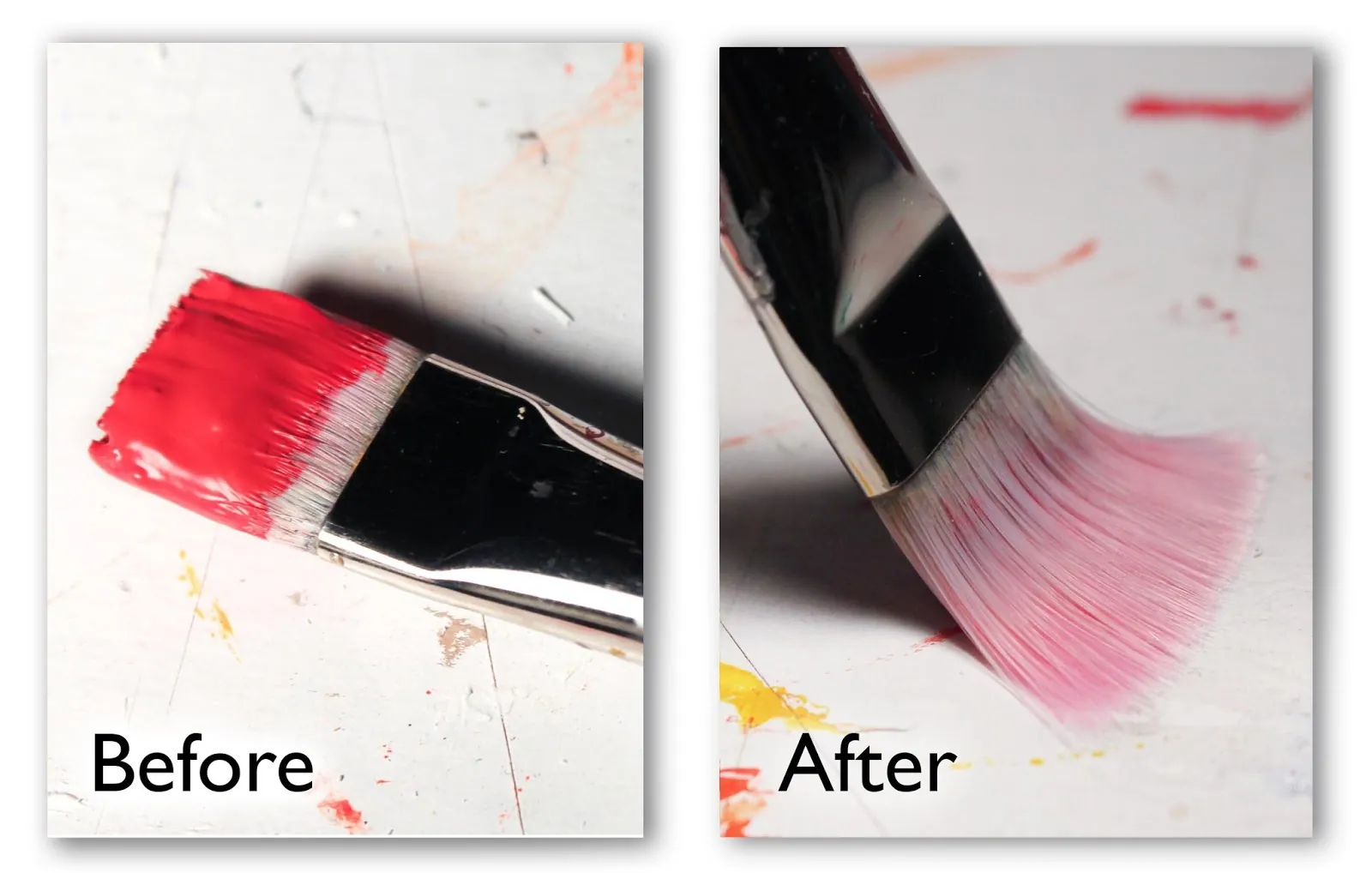
Gathering the right items prevents damage to your bristles and ensures the paint is fully removed. Using the wrong tools, such as harsh solvents, can dissolve the glue holding the brush together.
| Item | How much | Why it’s needed | A substitute |
|---|---|---|---|
| Mild soap | 1 teaspoon | Breaks down acrylic binder | Dish soap |
| Cool water | 1 basin | Rinses paint away | None — don’t swap |
| Paper towels | 3 sheets | Removes excess moisture | Clean cotton cloth |
| Shallow bowl | 1 unit | Holds cleaning solution | Plastic container |
| Brush comb | 1 unit | Removes dried pigment | Fine-tooth plastic comb |
Never use hot water, as it softens the epoxy setting that secures the bristles to the ferrule. If you see bristles shedding during a rinse, the water is too hot.
Most beginners make the mistake of standing brushes upright in the basin. This bends the tips permanently. Always lay them flat or hang them bristle-side down to maintain their shape.
If you’re cleaning natural hair brushes, swap the dish soap for a dedicated conditioning brush cleaner. Dish soap strips the natural oils, making the hair brittle over time. Use the comb only when the bristles are saturated with soap to avoid snapping dry, stiff hairs. If the water turns cloudy, replace it immediately to prevent paint residue from settling back into the base.
Preparing your workspace for cleaning
Clear a space near your sink and remove any clutter that could get wet or stained during the process. If you’re working on a porous surface like wood, lay down a plastic drop cloth first to prevent permanent pigment rings.
Ensure the water temperature is cool. Hot water softens the epoxy glue in the ferrule, which leads to immediate bristle shedding. If you can comfortably hold your hand under the stream, the temperature is safe for the brush.
Lay out your paper towels on a flat, dry surface where the brushes will rest while they air dry. Arrange them so the brush heads hang slightly off the edge of the counter, preventing the bristles from bending or drying in a distorted shape.
If you lack a dedicated sink, use a portable basin. This prevents heavy pigment loads from settling in your home plumbing traps, which can cause clogs over time. If you use a basin, let the sediment settle for an hour before carefully pouring the clear water down the drain and disposing of the thick sludge in your trash.
Cleaning your paint brushes step by step
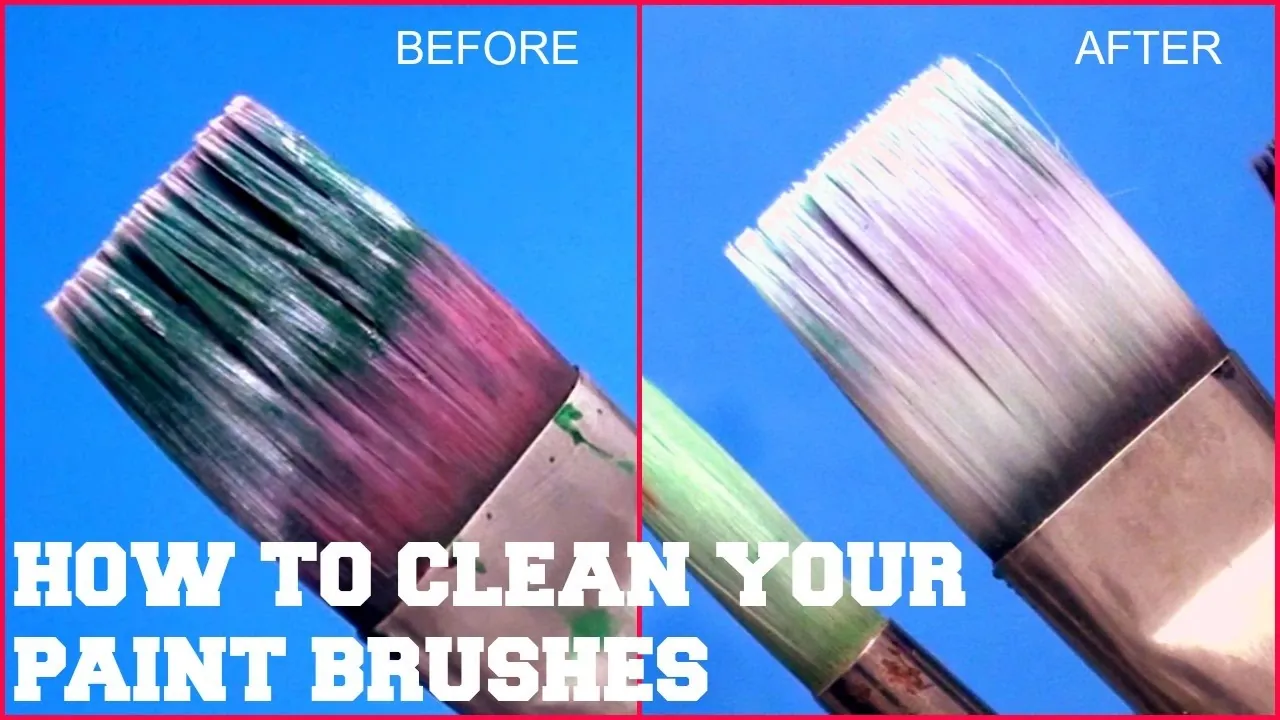
- Wipe the excess paint off the bristles using a dry paper towel while the paint is still wet to minimize the amount of material entering your water supply.
- Fill your bowl with 2 cups of cool water and add 1 teaspoon of mild soap, mixing it gently until you see small bubbles form on the surface.
- Dip the brush into the soapy water and swirl it gently against the bottom of the bowl for 30 seconds to work the soap into the base of the bristles.
- Rinse the brush under a slow stream of cool tap water, using your fingers to massage the bristles from the base toward the tip to release trapped pigment.
- Repeat the dipping and rinsing process until the water runs completely clear, which usually takes 2 to 3 minutes per brush depending on how much paint was trapped.
- Comb through the bristles starting from the ferrule and moving toward the tip to remove any hidden paint clumps that might have settled near the metal band.
- Gently shake the brush to remove excess water, then reshape the bristles with your fingers so they return to their original, natural point or flat edge.
- Lay the brushes flat on your paper towels, ensuring the bristles hang off the edge of the table or are supported so they don’t bend while drying.
- Allow the brushes to air dry for at least 6 to 8 hours in a well-ventilated area before you store them upright in a jar or container.
How to confirm your brushes are clean
You can tell your brushes are clean when the bristles feel soft and pliable rather than stiff or clumped. If you see any remaining pigment near the ferrule, or if the bristles feel crunchy when you gently flex them, they need another round of cleaning. A clean brush should return to its original shape immediately after you bend it slightly.
If you notice the hair is splayed or the metal ferrule is loose, it often means the brush was left in water for too long during a previous cleaning session. Never leave brushes sitting in a jar of water while you work, as this ruins the shape and destroys the handle finish.
Always store your brushes with the bristles facing up or lying completely flat. If the hair is stained but the water runs clear and the bristles are soft, the brush is clean, as some acrylic pigments will permanently tint synthetic hair without affecting performance.
Troubleshooting common cleaning issues
| What happened | Why | What to do |
|---|---|---|
| Paint hardened | Left out too long | Soak in brush cleaner |
| Bristles splayed | Improper drying position | Reshape while damp |
| Shedding hairs | Hot water damage | Replace the brush |
| Sticky residue | Soap not rinsed | Rinse under running water |
| Dull bristles | Harsh cleaning agents | Use mild soap only |
If your brush feels stiff after cleaning, you likely left soap deep in the ferrule. A quick rinse isn’t enough; gently massage the base of the bristles under warm water until the suds run perfectly clear.
When bristles lose their shape, hang the brush upside down to dry. Never stand it upright in a jar, as gravity pulls moisture into the glue, causing the head to wobble or fall off entirely.
If you’re using natural hair brushes, avoid dish soap. It strips the natural oils, making the bristles brittle and prone to snapping. Use a dedicated brush soap or a gentle conditioning shampoo instead. If the bristles remain splayed after reshaping, the brush has reached its end of life and will no longer hold a clean edge.
How often to clean your brushes
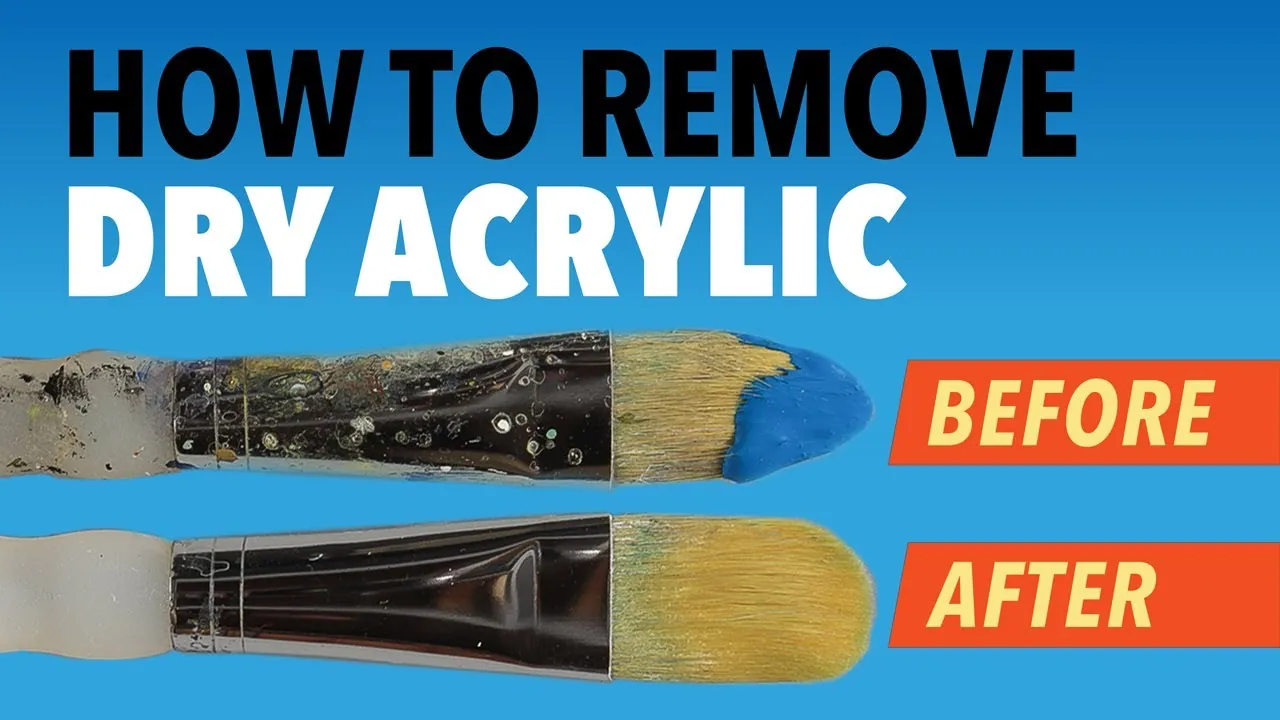
You should clean your brushes immediately after every painting session to ensure the acrylic polymer doesn’t cure on the bristles. The interval for cleaning is dictated primarily by the type of paint and the duration of your work. If you use heavy-body acrylics, they will dry much faster than fluid acrylics, requiring you to rinse the brush every 15 minutes of active use.
If you’re working in a dry or hot climate, the paint will harden on your tools significantly faster than in a humid environment. You must adjust your cleaning frequency based on the ambient temperature and the speed at which your specific brand of paint skins over. If you notice the brush becoming stiff while you’re still painting, stop and rinse it immediately to prevent permanent damage to the synthetic filaments.
Related guides
Frequently asked questions
Can I leave my brushes in water while I paint?
You shouldn’t leave brushes in water for more than 10 minutes, as this will permanently bend the bristles and weaken the glue in the ferrule. Instead, keep a damp paper towel nearby to wipe the brush off between color changes. If you must stop for a longer break, wash the brush fully and lay it flat on a paper towel until you’re ready to start painting again.
How long does it take for brushes to dry?
Brushes typically take 6 to 8 hours to dry completely when laid flat in a well-ventilated room. You can check if they’re dry by gently touching the center of the bristle bundle near the ferrule to ensure no moisture remains. If you store them before they’re fully dry, you risk mold growth or handle rot, which can ruin the wood and loosen the metal band.
Is it safe to use dish soap for cleaning?
It’s safe to use mild dish soap, provided it doesn’t contain harsh degreasers or bleach that could strip the natural oils from the brush hair. Choose a gentle, pH-neutral soap to ensure the synthetic fibers remain soft and flexible. If you use a heavy-duty soap, your brushes may become brittle and start to break or shed after only a few uses, which shortens their overall lifespan.
What happens if I use hot water?
Hot water will soften the adhesive inside the metal ferrule, which causes the bristles to shed or fall out of the brush entirely. Always use cool or lukewarm water to maintain the integrity of the handle and the brush head. If you accidentally used hot water and see loose hairs, check the ferrule for a sticky residue, which indicates that the internal glue has started to melt.
Does it matter if the bristles are stained?
It doesn’t matter if the bristles are stained, as long as they’re soft and free of dried paint buildup. Many acrylic pigments are highly pigmented and will tint synthetic hair permanently after the first use. Focus on the texture of the bristles rather than the color; if the brush feels stiff or has hard lumps of paint, it needs a more thorough cleaning with a dedicated brush soap.
How many times can I reuse a brush?
You can reuse a high-quality acrylic brush for many years by cleaning it after every session and storing it correctly. Longevity depends on the wear of the tips and the tension of the synthetic filaments. Replace the tool once the bristles fray or lose their sharp edge, as they will no longer provide the precision required for your work.
How do I remove dried acrylic paint?
You can remove dried acrylic paint by soaking the bristles in a specialized brush cleaner for 30 minutes, then gently combing out the softened pigment. Never use sharp tools like knives or razors to scrape the paint off, as this will cut the hair and ruin the brush. If the paint is fully cured and won’t soften after one soak, the brush is likely beyond repair and should be replaced.
Conclusion
Once your brushes are dry, store them flat or with the bristles pointing upward to keep their shape perfect. Taking care of your equipment today means you won’t have to worry about replacing them tomorrow. You’ll find that your next painting session feels much smoother when your tools are ready to go.