
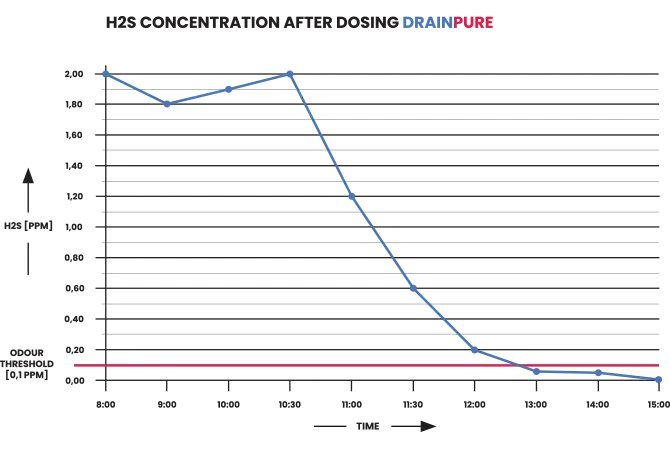
A house smells like sewer when it rains because rainwater pushes air up through a drain trap that has gone dry or a vent that’s blocked. The most common cause is a floor drain, sink, or shower trap that has lost its water seal, letting sewer gas rise into the room whenever rain changes the pressure in the pipes. Pour water down every drain in the house to ensure all traps are full; if the smell persists, the source is likely a different drain or a vent issue.
Why your house smells like sewer after rain
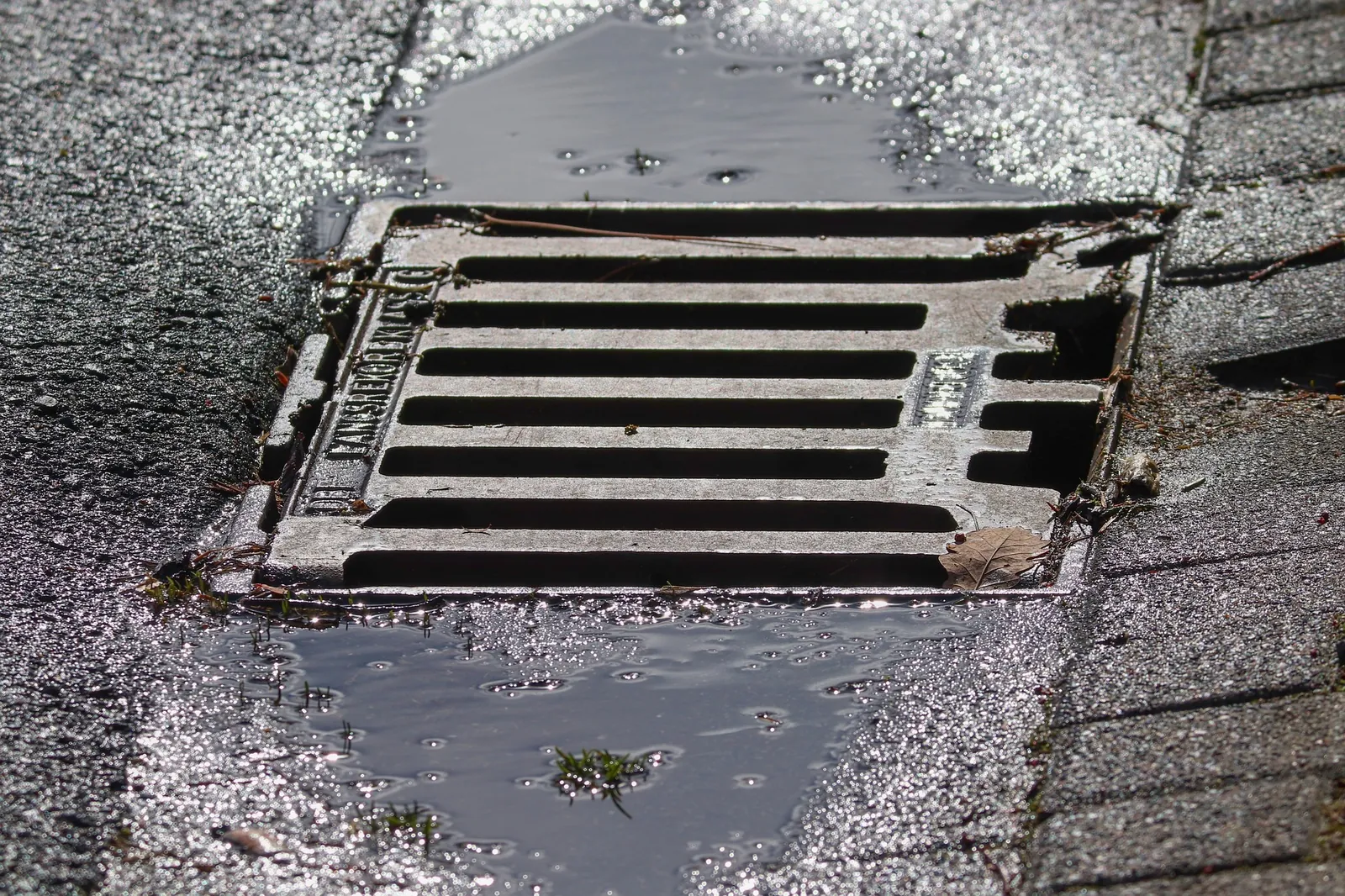
Sewer gas enters your home through three usual routes. First, a drain trap dries out. Traps are the U-shaped pipes under sinks, showers, and floor drains that hold a little water to block gas from coming back up. If a fixture isn’t used for at least three weeks, the water evaporates and the seal breaks. Pour a quart of water into any rarely used drain to reset this barrier.
Second, a vent stack on the roof gets blocked by leaves, a bird’s nest, or ice. Vents let air move through the drain system; when they clog, rain changes the pressure and forces gas out through the weakest trap instead of up the roof. If the smell only appears during heavy downpours, a professional roofer must clear the stack.
Third, a cracked drain pipe or a loose toilet seal lets gas escape at a joint you can’t see. Rainwater saturates the ground around the pipe and pushes the gas toward any opening. If the odor persists after you have flushed your traps and cleared your vents, hire a plumber to perform a smoke test. This process reveals hidden leaks that allow sewer gas to seep into your walls.
Pour water down each drain
This fix is for the dry trap, which is the cause most of the time. Go to every sink, shower, tub, and floor drain — including basement and utility sinks — and pour about a quart of water down each one. Wait an hour and smell the room again. If the odor fades, the trap in that fixture had dried out and the water seal is back.
For drains you rarely use, add a teaspoon of cooking oil on top of the water. The oil floats and slows evaporation so the seal lasts longer. If you see bubbles forming in the standing water after you pour, you have a negative pressure issue, not just a dry trap.
If the smell comes back within a day or two, that trap is losing water to a leak or the vent is still blocked. You must then check the roof vent for bird nests or debris. A blocked vent pulls the water out of the trap every time you flush a toilet elsewhere. If the water level remains stable but the smell persists, the wax ring under your toilet has likely failed.
Clear the roof vent
This fix handles a blocked vent stack, which is a different lever than refilling a trap. Find the vent pipe sticking up through your roof—usually a 3- or 4-inch pipe near the bathroom stack. From a ladder, look down the opening for leaves, a nest, or debris, and pull out anything you can reach safely.
Don’t climb onto a wet or steep roof; if you can’t reach the opening from a secure ladder, stop. A clear vent lets air move freely so rain pressure doesn’t force sewer gas back into the house.
If your drains gurgle when you flush, the blockage is likely deep in the stack rather than just at the top. In this case, feed a plumber’s snake down the pipe to dislodge the obstruction.
After clearing it, run water down the drains and check whether the smell returns after the next rain. If you aren’t comfortable on a ladder, call a plumber. Roof work carries a real fall risk, and a service call is cheaper than an emergency room visit for a fracture.
Call a plumber for hidden leaks
This is the fix for harder cases: a cracked drain line, a failed wax seal under the toilet, or a broken joint behind a wall. It costs more and takes longer, but it’s worth it when you have refilled every trap and cleared the vent and the smell still returns after every rain.
A plumber can run a camera through the drain line or fill the system with smoke to find the exact break. If you see water stains on the ceiling or notice the smell worsens when the wind blows, the issue is likely a vent pipe crack rather than a main drain break.
Don’t try to open walls or dig up a drain pipe yourself. A mistake here can flood the house or break a line you can’t repair. If the odor is strong, constant, or comes with slow drains and gurgling sounds, call a licensed professional. They carry the specialized equipment needed to pinpoint the breach without tearing your entire home apart.
Don’t do this to a smelly drain
Pouring bleach down the drain is a common mistake that causes more harm than good. The harsh chemicals degrade rubber pipe seals and gaskets over time, leading to slow leaks behind your walls. Bleach also fails to address the root cause of odors, which is often a dry trap or a blocked vent pipe.
Never ignore a basement floor drain simply because it sees little traffic. These traps evaporate within weeks, allowing sewer gas to bypass the water barrier and enter your home. Pour a quart of water into the drain once a month to maintain the seal.
Avoid using a drain snake deep in your lines if you’re inexperienced. You risk cracking brittle, aging pipes, transforming a minor smell into an expensive, destructive flood.
What to do instead when it rains
| If you’re doing this | Do this instead | Why |
|---|---|---|
| Letting guest-bathroom sinks sit unused | Run water in every drain once a week | Keeps the trap seal full so gas can’t rise |
| Climbing onto a wet roof to clear the vent | Use a ladder from the ground or call a plumber | Wet roofs are slippery and a fall can cause serious injury |
| Masking the smell with air freshener | Find the dry trap or blocked vent and fix it | Air freshener hides the warning but leaves the gas coming in |
| Waiting for the smell to go away on its own | Pour water in drains after every heavy rain | A dry trap stays open until someone refills it |
Frequently asked questions
Why does my house smell like sewer when it rains?
Rain changes air pressure in the drain system, and if a trap is dry or a vent is blocked, that pressure pushes sewer gas up through the drain and into your home.
Can I fix a sewer smell myself?
Yes. Start by pouring water down every drain and checking the roof vent opening for debris you can reach safely from a ladder.
How long does the smell last after rain?
It usually clears within a few hours once the pressure equalizes, but it will return after every rain until the dry trap or blocked vent is fixed.
Is sewer gas dangerous in the house?
It can be. Sewer gas contains methane and hydrogen sulfide, which are harmful in high concentrations, so a strong or constant smell should be checked by a plumber.
What happens if I ignore it?
The gas keeps entering your home each time it rains, and a cracked pipe or failed seal can get worse and lead to water damage or a backup.
Is it safe to pour bleach down a smelly drain?
No. Bleach can damage pipe seals and won’t fix a dry trap or a blocked vent; plain water is the safer first step.
Conclusion
The smell comes and goes with the rain because the pressure in your pipes changes with the weather, so the same dry trap or blocked vent will keep letting gas in until you seal it. Start with water in every drain and a look at the roof vent, and call a plumber if the odor returns after the next storm.