
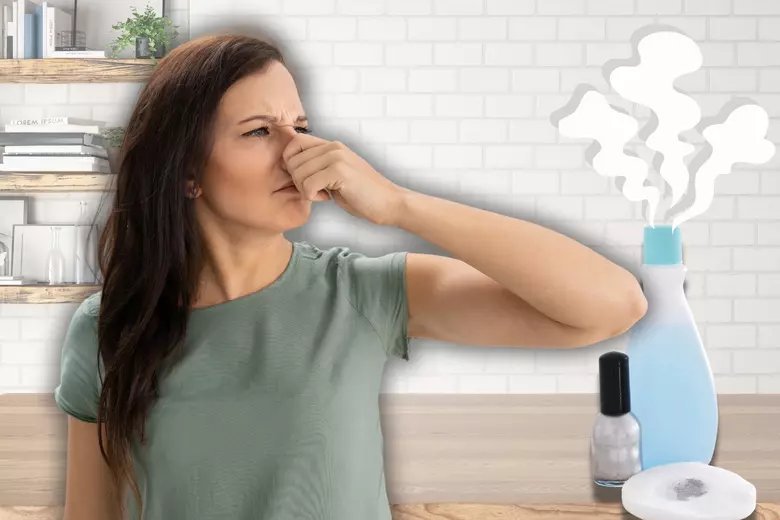
When your house smells like nail polish remover, you’re usually smelling acetone or a solvent with a similar sharp, fruity chemical odor. That scent can come from something as ordinary as an open bottle of polish remover, or it can point to a refrigerant leak, old paint, or even an electrical problem. Because some sources are harmless while others need fast action, you need to identify the cause before you simply open a window and hope it goes away.
Key Takeaways

- Check for open or spilled nail polish remover, acetone, nail polish, or glue first — these are the most common and easiest causes to fix.
- If you smell it near your refrigerator, air conditioner, or heat pump, treat it as a possible refrigerant leak and call a licensed HVAC technician.
- A fishy or acetone-like scent near outlets, switches, or appliances can mean overheating wiring — shut off the circuit and call an electrician.
- Ventilate the house while you investigate, but don’t ignore a strong odor that has no obvious source.
- If anyone feels dizzy, nauseous, or short of breath, leave the house and seek medical attention.
Common Causes When Your House Smells Like Nail Polish Remover
Household Products and Spills
The most likely explanation is something you already own. Acetone-based nail polish remover, nail polish itself, certain adhesives, and some paint thinners all release strong vapors. An uncapped bottle, a spilled container, or a rag soaked in remover can fill a room quickly. Bathrooms, bedrooms, and craft areas are the usual spots.
Look under sinks, inside vanity drawers, and in laundry rooms. Check trash cans for discarded cotton balls or tissues soaked in remover. If you find an open container, seal it tightly, move it outside, and wash any fabric that absorbed the liquid.
Pro Tip: Place a shallow dish of baking soda near the area after cleaning to help absorb lingering odors.
Refrigerant Leaks from Cooling Equipment
Refrigerants used in air conditioners, heat pumps, and refrigerators can smell sweet or chemically similar to acetone when they escape. If the odor is strongest near your AC vents, refrigerator, or heat pump, a leak is possible. Refrigerant leaks aren’t something to handle yourself — the gas is hazardous, and repairing the sealed system requires specialized tools and certification.
Turn off the equipment if you suspect a leak, open windows, and contact a licensed HVAC technician. Don’t attempt to recharge the system or patch refrigerant lines on your own.
Electrical Overheating
Overheating wires, failing light fixtures, or overloaded outlets can release odors that people describe as chemical, fishy, or like nail polish remover. This often happens when insulation melts or components burn out inside walls or appliances. The smell may come and go as equipment cycles on and off.
If the odor is strongest near an outlet, switch, or appliance, turn off power to that area at the breaker panel and call an electrician. Don’t keep using the fixture or outlet until it has been inspected.
Fresh Paint, Stain, or New Materials
Oil-based paints, stains, polyurethane, and some adhesives contain solvents that smell like acetone. If you recently painted a room, refinished furniture, or installed new flooring, the odor may simply be off-gassing. This is usually temporary, though it can linger for days or weeks in poorly ventilated spaces.
Increase airflow with fans and open windows. Keep children and pets out of freshly painted rooms until the smell fades.
Where to Check First
Start with the rooms where the smell is strongest. Use this checklist to work through the most likely sources in order.
| Area to Check | What to Look For | Likely Cause |
|---|---|---|
| Bathroom vanity | Open nail polish remover, cotton balls, spilled bottles | Acetone vapors |
| Bedroom dresser | Nail polish, glue, craft supplies | Solvent odor |
| Kitchen | Refrigerator, under-sink chemicals | Refrigerant leak or cleaner |
| Living room | Air vents, heat pump, electronics | Refrigerant or electrical issue |
| Utility room | Furnace, water heater, washer | Gas leak or appliance problem |
| Outlets and switches | Warm plates, buzzing, discoloration | Overheating wiring |
If you find nothing after checking these spots, consider whether anyone in the household recently used paint, stain, or strong cleaning products.
Health and Safety First
Acetone and similar solvent vapors can irritate the eyes, nose, and throat. In higher concentrations, they may cause headaches, dizziness, or nausea. Children, pets, and people with asthma or chemical sensitivities are more vulnerable.
Open windows and run exhaust fans while you investigate. If the smell is strong and you can’t find the source, leave the house and call a professional. Don’t light candles, use gas stoves, or operate electrical switches near a strong chemical odor, because some vapors are flammable.
Warning: If you suspect a gas leak or smell rotten eggs alongside the chemical odor, evacuate immediately and call your gas utility or emergency services from outside the house.
When It Might Be a Gas Leak

Natural gas itself is odorless, but utility companies add a sulfur-like scent so leaks are detectable. Sometimes people describe the combined smell of gas and odorant as chemical or sweet rather than purely rotten. If you hear a hissing sound near a gas appliance, see dead houseplants near a gas line, or notice the smell near a stove or furnace, treat it as an emergency.
Leave the building, avoid flipping light switches or using phones inside, and call your gas company or emergency services from outside.
How to Get Rid of the Smell
Once you have removed or sealed the source, clear the air with these steps:
- Open windows on opposite sides of the house to create cross-ventilation.
- Run bathroom and kitchen exhaust fans.
- Place fans in windows blowing outward to pull contaminated air outside.
- Wash fabrics that absorbed the odor, including curtains, clothing, and upholstery.
- Replace HVAC filters if the smell circulated through the system.
- Clean hard surfaces with mild soap and water.
Avoid simply spraying air freshener over the problem. That masks the scent without removing the source, and it can mix with chemical vapors to create an even more unpleasant mixture.
Products That May Help
If the source is gone but the smell lingers, these options can help:
- Baking soda in open containers absorbs odors in small spaces.
- Activated charcoal bags work well in closets, bathrooms, and near trash cans.
- HEPA air purifiers with carbon filters can reduce airborne chemicals and vapors.
- Simmering citrus peels or vinegar on the stove adds a fresh scent without harsh chemicals.
Don’t rely on these products to fix a refrigerant leak, electrical fault, or gas leak. They address odor only after the real problem has been solved.
Costs You Might Face
Depending on the cause, fixing the problem can range from free to several hundred dollars.
| Issue | Typical Cost Range | Who to Call |
|---|---|---|
| Sealing or discarding nail polish remover | $0–$15 | Yourself |
| HVAC refrigerant leak repair | $200–$1,500 | Licensed HVAC technician |
| Electrical outlet or wiring repair | $100–$400 | Licensed electrician |
| Professional carpet or upholstery cleaning | $100–$300 | Cleaning service |
| Whole-house air duct cleaning | $300–$700 | Duct cleaning company |
These are typical ranges, not exact quotes. Prices vary by region and the severity of the problem.
Prevention Tips

Store acetone-based products in sealed containers inside a locked cabinet, away from heat sources. Keep rags soaked with polish remover or paint thinner in a metal container with a lid, and dispose of them according to local hazardous-waste guidelines.
Schedule annual HVAC maintenance so technicians can check refrigerant lines and electrical connections before they fail. Have an electrician inspect older homes if you notice warm outlets, flickering lights, or burning smells. Install carbon monoxide and natural gas detectors near sleeping areas and fuel-burning appliances.
Related guides
Frequently Asked Questions
Is a nail polish remover smell dangerous?
It depends on the source and strength. A small amount from an open bottle is usually just irritating, but strong vapors can cause headaches, dizziness, or nausea. If you feel unwell or can’t find the source, leave the house and get fresh air.
Can a refrigerator leak smell like acetone?
Yes. Refrigerant escaping from a refrigerator, air conditioner, or heat pump can produce a sweet, chemical odor similar to nail polish remover. This requires a licensed technician to repair.
Should I call 911 for this smell?
Call emergency services if anyone has trouble breathing, loses consciousness, or if you suspect a gas leak. Evacuate first and call from outside. For a mild odor with no symptoms, you can investigate safely before deciding whether to call a technician.
How long does the smell last after a spill?
A minor spill may clear within a few hours with good ventilation. Larger spills absorbed into carpet or furniture can last days or weeks until the material is cleaned or removed.
Will air fresheners fix the problem?
No. Air fresheners mask odors but don’t remove the source. If the smell comes from a leak or electrical issue, covering it up can delay a needed repair and create a safety risk.
Conclusion
Fix the source first, then ventilate thoroughly. If you can’t locate the odor or it returns after cleaning, contact a licensed HVAC technician or electrician to inspect your home.