

A rotten egg smell from your tap usually means that bacteria inside the tank are reacting with the magnesium anode rod. You can fix hot water heater smells by replacing that rod with one made of aluminum or zinc, which stops the chemical reaction. This is the most common cause for homes with well water or low-usage tanks.
Why your water smells like rotten eggs
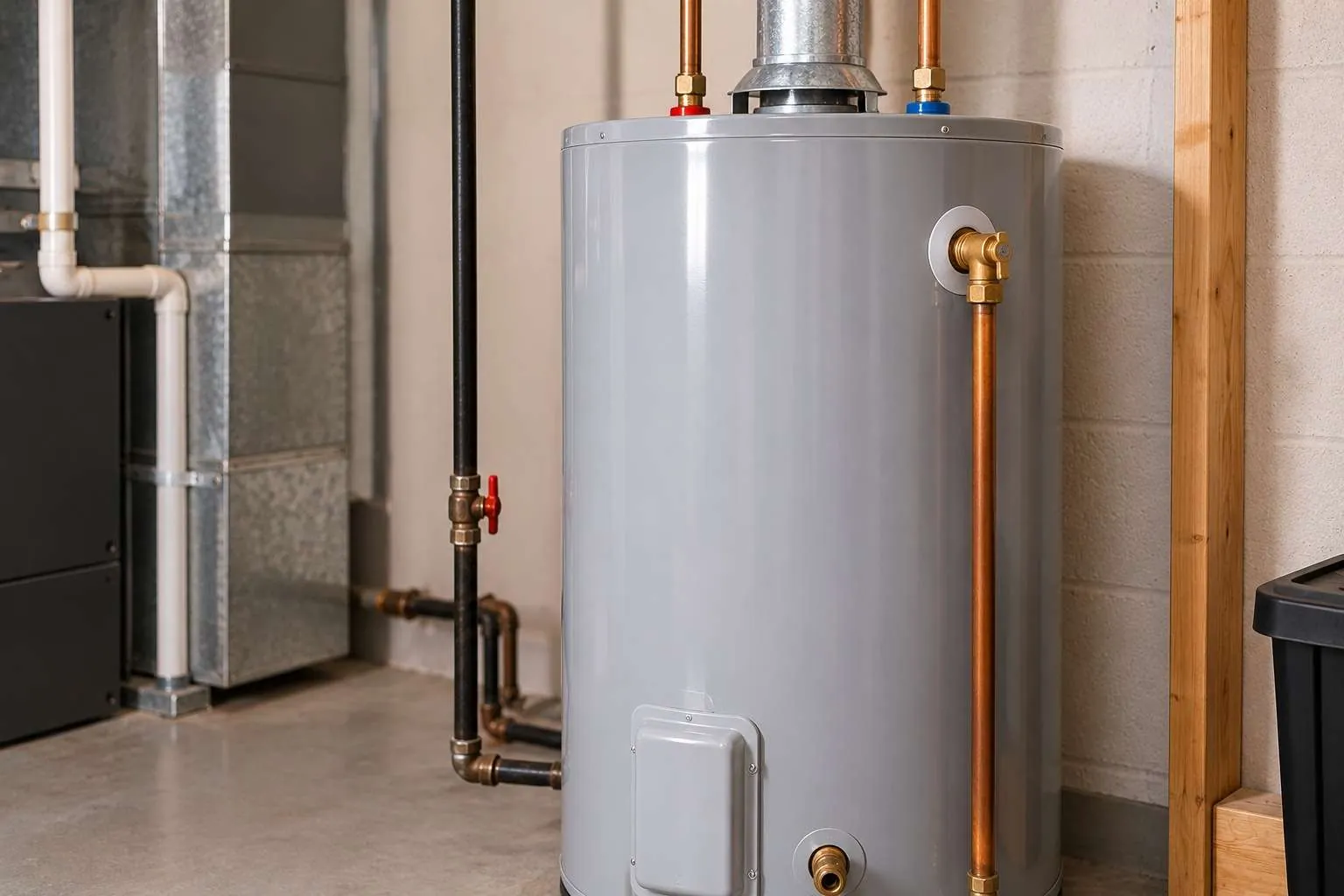
The odor often comes from sulfate-reducing bacteria that live in the water supply. These bacteria thrive in low-oxygen environments, such as the inside of a water heater tank. When the bacteria interact with the sulfur in your water, they create hydrogen sulfide gas. This gas is what produces the distinct, unpleasant smell that you notice when you turn on the hot water tap.
The magnesium anode rod, which is designed to prevent tank corrosion, can actually feed these bacteria. As the rod slowly dissolves, it creates a chemical environment that helps the bacteria multiply. If your water has high sulfur content, the reaction becomes much stronger.
You can check your local water quality report provided by your Environmental Protection Agency to see if sulfur is a known issue in your area. If the smell only happens with hot water and not cold water, the source is almost certainly inside the heater.
Replace the sacrificial anode rod
If your water smells, switching the anode rod is often the most effective permanent solution. You’ll need a socket wrench and a new aluminum or zinc alloy anode rod that matches the length of your current one. First, turn off the power or gas supply to the unit. Close the cold water inlet valve and drain a few gallons from the tank to lower the water level.
Use your wrench to unscrew the hex head of the old rod and lift it out. Apply pipe thread sealant tape to the threads of the new rod before screwing it into place. Once tightened, open the water valve to refill the tank and bleed the air from your faucets. If you aren’t comfortable working with high-pressure plumbing or gas lines, hire a licensed plumber to avoid leaks or safety hazards.
Flush the water heater tank

Flushing the tank is a helpful step if sediment has built up at the bottom. Sediment creates pockets where bacteria can hide, making the smell worse even after you change the rod. To do this, attach a garden hose to the drain valve at the bottom of the tank. Run the water into a floor drain until it comes out clear and free of debris.
This process is best for tanks that haven’t been serviced recently. If your area has hard water, the minerals will settle quickly. You should perform this flush based on usage and follow the owner’s manual to maintain water quality. If the water continues to look cloudy or smells after a thorough flush, the issue might be the water supply itself rather than the tank. In that case, consider installing a whole-house water filtration system.
Perform a hydrogen peroxide treatment
A chemical treatment can kill the bacteria living in the tank if replacing the rod doesn’t solve the smell. You’ll need to turn off the water supply and remove the anode rod to gain access to the tank.
After the time is up, turn the water supply back on and flush all your home faucets until the smell of peroxide is gone. This is a temporary fix and the smell may return if the bacteria are present in your well or city pipes. It’s a good option if you need an immediate result for guests or an event. Only use standard household peroxide; never use harsh industrial chemicals or bleach, as these can damage the tank lining.
Causes of hot water heater smells to avoid
Ignoring cold water smells: If your cold water also smells, the problem is in your main line or well, not the heater. Test this by running the tap for five minutes; if the odor persists, contact your municipal water authority before attempting internal tank repairs.
Turning up the temperature too high: High heat can kill bacteria, but it also increases the risk of scalding and makes the tank corrode faster. Keep your thermostat at 120 degrees Fahrenheit to balance safety with mineral buildup prevention.
Removing the anode rod entirely: Never leave the tank without a rod, as this will lead to rapid internal corrosion and a leaking tank. If your water smells like rotten eggs, replace the magnesium rod with an aluminum-zinc version instead of removing it.
Using copper pipes as a ground: Some electrical systems use plumbing for grounding, which makes removing the anode rod dangerous. Check your electrical panel for a grounding wire attached to your main water line. If you find one, hire a licensed electrician to install a separate grounding rod before touching the water heater.
Prevent recurring water odors
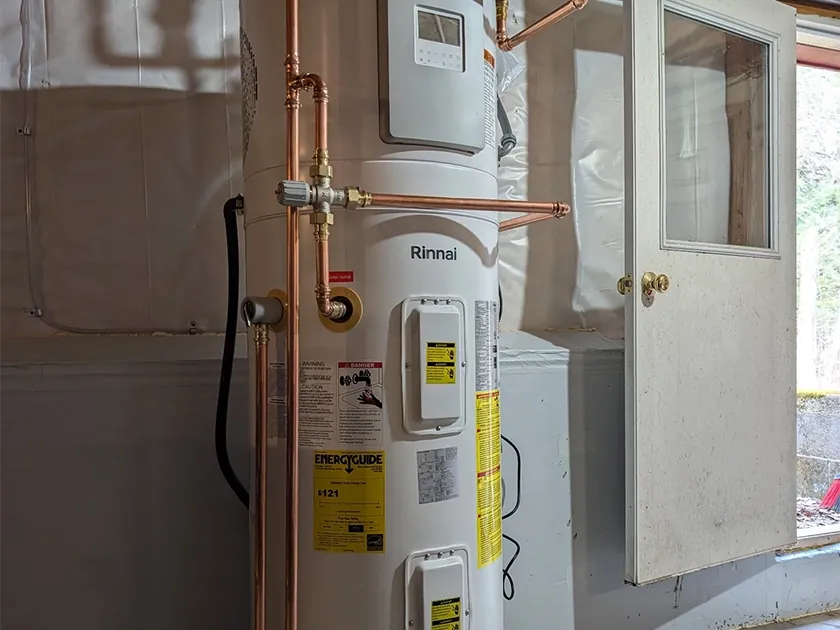
| If you’re doing this | Do this instead | Why |
|---|---|---|
| Ignoring sediment build-up | Flush the tank annually | Removes bacteria-breeding ground |
| Leaving the tank idle | Run hot water daily | Prevents stagnant, low-oxygen water |
| Using a magnesium rod | Install a zinc anode rod | Zinc stops the sulfur reaction |
| Ignoring well testing | Test water for sulfur | Identifies the root source of gas |
Sediment acts as a thermal insulator that creates cold spots in your tank. These pockets allow sulfate-reducing bacteria to thrive even when your thermostat is set high. If you notice the smell only when using hot water, your anode rod is likely the culprit. Replace it immediately if the odor persists after a flush.
You can distinguish between source water issues and tank issues by filling a glass from a cold tap first. If the cold water smells like rotten eggs, the gas originates in your well or supply lines. If the cold water is odorless, the reaction is strictly localized to your water heater.
Most homeowners wait until the smell becomes unbearable, but this allows bacteria to colonize the interior lining. Once the biofilm takes hold, a simple flush won’t be enough. You’ll need to perform a full chemical shock treatment on the entire system.
Related guides
Frequently asked questions
Can I just turn up the heat to kill the bacteria?
Yes, you can kill bacteria by setting the thermostat to 140°F, but this is a temporary fix. While this temperature kills the bacteria, it doesn’t stop them from returning once the water cools. It also carries a high risk of scalding, so you must install a mixing valve at the outlet to ensure the water reaching your faucets is safe.
How long does a new anode rod last?
An anode rod typically lasts for a period depending on your water chemistry. Soft water or water with high mineral content will cause the rod to dissolve faster than in treated city water. You should inspect the rod periodically to see if it has lost more than half of its original thickness.
Is it safe to drink water that smells like rotten eggs?
No, you shouldn’t drink water with a strong rotten egg smell until you identify the cause. While hydrogen sulfide gas is generally not harmful in the low concentrations found in tap water, the smell indicates the presence of bacteria. You should have your water tested by a local laboratory to ensure there are no harmful pathogens present in your pipes.
What happens if I ignore the smell?
If you ignore the smell, the bacteria will continue to thrive and the hydrogen sulfide gas will become more concentrated. Over time, this gas can cause corrosion on your plumbing fixtures and even damage the interior lining of your water heater. A neglected tank will eventually rust through, leading to a leak that requires a full replacement of the unit.
How do I know if the smell is from the well?
You can tell the source by checking both the cold and hot water taps in your home. If the cold water smells just as strong as the hot water, the bacteria are in your well or city supply lines. If the smell is only present when the hot water is running, the problem is isolated to your water heater.
Conclusion
If the odor persists after you’ve swapped the rod, you shouldn’t hesitate to call a licensed plumber. There might be a deeper issue with your pipes or a buildup of sediment that needs professional cleaning. It’s better to be safe and ensure your home’s water stays fresh, clean, and completely odor-free.