
Have you ever wondered what really sets electronic devices apart from digital ones? You might think they are the same, but understanding the difference can change the way you use technology every day.
Whether you’re buying gadgets, fixing devices, or just curious, knowing the key points between electronic and digital can save you time and money. Keep reading to discover simple explanations and clear examples that will help you make smarter choices with your tech.
This is information you don’t want to miss!

Credit: diro.io
Electronic Basics
Understanding the basics of electronics helps you see how many devices work. Electronics use tiny parts to control electric currents. These devices process signals, send information, or perform tasks automatically. They are different from simple electrical devices that only carry power.
Electronics form the backbone of modern technology. From radios to computers, they rely on these small components. Learning about electronics makes technology easier to understand.
What Makes A Device Electronic
An electronic device controls electric current to do a specific job. It uses components that can change or manage signals. These signals might be sound, light, or data. The device often has circuits that guide how electricity flows.
Unlike basic electrical tools, electronic devices handle complex tasks. They can amplify, switch, or convert signals. This ability allows them to work with information, not just power.
Common Electronic Components
Several parts make up electronic devices. Resistors control the flow of electric current. Capacitors store and release energy. Diodes allow current to flow in one direction only.
Transistors act like switches or amplifiers. Integrated circuits combine many small parts into one chip. Each component has a special role in the device’s function.
Digital Fundamentals
Digital technology plays a major role in our daily lives. It shapes how we communicate, learn, and entertain ourselves. Understanding digital fundamentals helps us see how this technology works behind the scenes. It also shows the difference between electronic and digital systems.
Digital systems use specific ways to handle data. These methods make digital devices reliable and easy to use. The basics of digital technology involve signals, data encoding, and processing methods.
Defining Digital Technology
Digital technology uses numbers to represent information. Most often, it uses two numbers: 0 and 1. These numbers are called binary digits or bits. Each bit shows an off or on state.
This binary system allows digital devices to store and process data. It makes digital systems less sensitive to noise or errors. Digital technology powers computers, smartphones, and many other devices.
How Digital Signals Work
Digital signals carry data using discrete values. Instead of smooth waves, they use sharp steps. These steps represent the bits 0 and 1. This clear difference helps devices read signals accurately.
Digital signals switch between low and high voltage levels. Low voltage means 0, high voltage means 1. This switching happens very fast to send data quickly. Devices decode these signals to perform tasks or show information.
Core Differences
The core differences between electronic and digital systems lie in their signal types and how devices work. Understanding these basics helps in choosing the right technology for various uses.
Electronic systems often deal with continuous signals, while digital systems handle signals in steps or bits. This fundamental distinction affects their design and function.
Analog Vs Digital Signals
Electronic devices mostly use analog signals. These signals vary smoothly over time. They can take any value within a range. This makes them good for natural sounds and images.
Digital signals work with two states: on or off, represented by 1s and 0s. These signals are easier to store and transmit without losing quality. Digital signals are common in computers and smartphones.
Device Operation Modes
Electronic devices often operate in a continuous mode. They respond to changing inputs in real-time. For example, a radio receiver adjusts signal strength smoothly.
Digital devices operate in discrete steps. They process data in chunks or bits. This mode supports logic operations and error correction. Digital devices include calculators and digital watches.

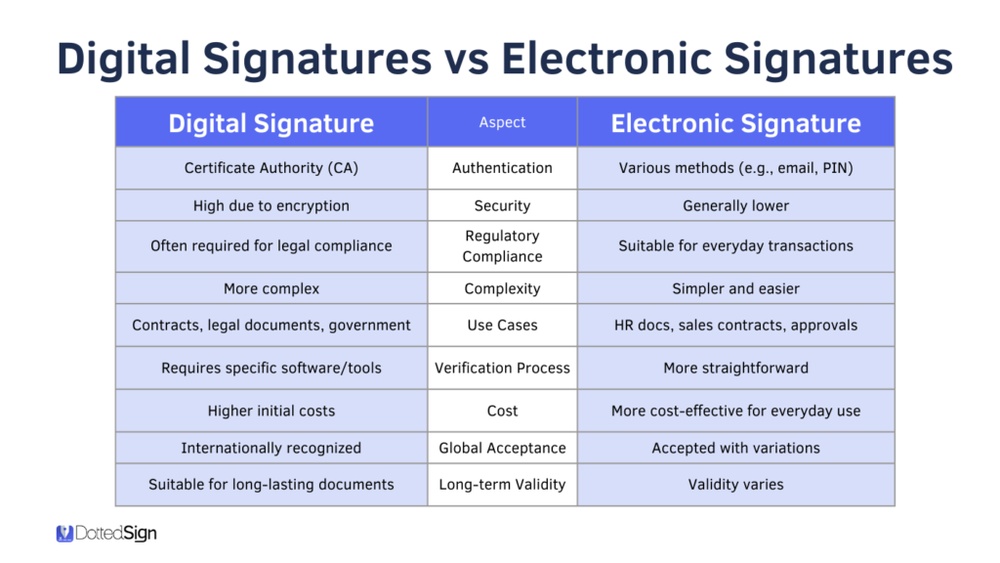
Credit: www.dottedsign.com
Applications Of Electronic Devices
Electronic devices play a big role in daily life and industry. They help perform tasks faster and easier. These devices use electric signals to work. Understanding their applications shows their importance and variety.
Everyday Electronic Gadgets
Many electronic devices are part of daily routines. Smartphones, laptops, and televisions use electronic circuits. These gadgets help us communicate, learn, and entertain. Kitchen appliances like microwaves and coffee makers also use electronics. They improve convenience and save time. Electronic devices in homes make life comfortable and efficient.
Industrial Electronic Systems
Industries rely heavily on electronic systems for production. Machines use sensors and control circuits to work accurately. Electronics control factory robots, ensuring safety and precision. Energy management systems use electronics to reduce waste. Electronics in industries improve productivity and product quality. They support complex operations in manufacturing and processing plants.
Uses Of Digital Technology
Digital technology plays a major role in everyday life. It changes how people communicate, work, and enjoy entertainment. Devices and systems use digital signals to process and store information. This makes digital technology fast, reliable, and easy to use.
Digital technology appears in many products and systems. It helps improve efficiency and makes tasks simpler. People use digital tools at home, school, and work. The following sections explain common uses of digital technology.
Consumer Digital Products
Many products use digital technology for better performance. Smartphones, tablets, and laptops are examples. They store data in digital form and connect to the internet. Digital cameras capture images with high quality and save them digitally. Smart TVs and streaming devices provide easy access to shows and movies. Digital watches show time and track health data. These products make daily life more convenient and enjoyable.
Digital Systems In Computing
Computers use digital systems to process information. They work with binary code, using zeros and ones. This allows fast calculations and data management. Digital systems control software, hardware, and networks. Servers store and share information across the internet. Digital systems also power devices like printers, routers, and scanners. They support many industries, from healthcare to finance. Digital computing systems keep technology running smoothly and reliably.
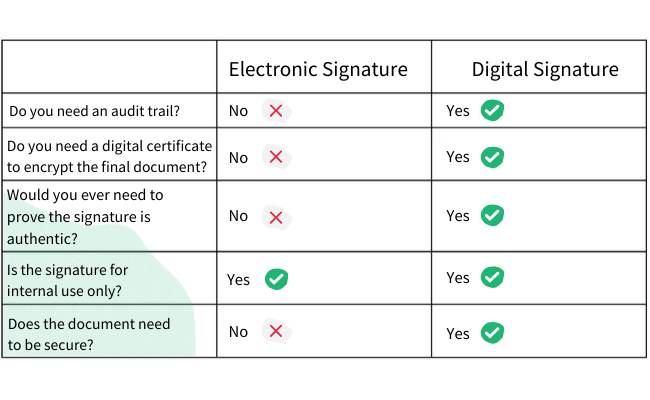
Credit: www.formstack.com
Advantages And Limitations
Understanding the advantages and limitations of electronic and digital technologies helps in choosing the right tools. Each has unique features that suit different needs. Knowing these can save time and effort in various applications.
Benefits Of Electronic Devices
Electronic devices are simple and often easy to repair. They work well with analog signals like sound or light. These devices use less power for basic tasks. They handle continuous data smoothly. Many electronic tools operate without complex programming. This makes them reliable for everyday use. They are often cheaper for basic functions. Electronic components are widely available and easy to replace. They provide quick responses in real-time situations. These features make electronics useful in many fields.
Strengths Of Digital Technology
Digital technology processes data in binary, which reduces errors. It offers high accuracy in calculations and measurements. Digital devices can store large amounts of information. They allow easy editing and sharing of data. Many digital tools support complex software applications. They provide better security through encryption. Digital systems can integrate with networks for communication. They adapt quickly to new tasks with software updates. These technologies often include user-friendly interfaces. Digital technology drives innovation in computing and communication.
Future Trends
The future of electronics and digital technology is bright and full of potential. Both fields are evolving fast, shaping how we live and work. New trends promise smarter devices and better connections.
These changes will affect many areas, from home gadgets to industry tools. Understanding these trends helps us prepare for what’s next. Here are some key developments in electronics and digital technology.
Emerging Electronic Innovations
Electronics are becoming smaller and more powerful. Flexible circuits and wearable tech are gaining popularity. These devices fit better into daily life. Energy efficiency is improving in electronic components. This means longer battery life and less power waste. New materials like graphene enhance speed and durability. Sensors are becoming more sensitive and accurate. They can monitor health, environment, and machines easily. These innovations support smarter cities and homes.
Advancements In Digital Technology
Digital technology keeps advancing rapidly. Artificial intelligence is shaping software and systems. It helps machines learn and make decisions. Cloud computing allows data access from anywhere. This boosts work flexibility and collaboration. 5G networks provide faster and more reliable connections. Virtual and augmented reality create immersive experiences. These technologies change education, gaming, and shopping. Data security and privacy get stronger protections. This builds trust in digital services.
Frequently Asked Questions
What Is The Main Difference Between Electronic And Digital?
Electronic refers to devices using electric signals. Digital means using numbers, often 0s and 1s, to represent data.
How Do Electronic And Digital Technologies Work Together?
Electronic parts create signals. Digital systems process these signals as numbers to perform tasks.
Which Devices Are Electronic But Not Digital?
Old radios and simple amplifiers use electronic parts but do not process digital data.
Why Is Digital Preferred Over Purely Electronic Systems?
Digital systems handle data more accurately and allow easier storage and processing than analog electronic systems.
Can Electronic Devices Function Without Digital Components?
Yes, many electronic devices work without digital parts, relying on continuous electrical signals instead.
Conclusion
Electronic and digital technologies serve different purposes in today’s world. Electronic devices work with continuous signals, while digital devices use discrete data. Each has unique strengths and fits specific needs. Choosing between them depends on the task and desired outcome.
Understanding their differences helps make smarter decisions. Both play important roles in modern life and technology. Knowing which to use can improve efficiency and results. The basics are simple but crucial to grasp. Keep exploring to learn more about these fascinating fields.