
When it comes to getting clear and accurate medical images, you might wonder which technology works best for you: Computed Radiography or Digital Radiography. Both promise detailed pictures of your body, but they do it in very different ways.
Understanding the difference can help you make smarter decisions about your health or the care you provide to others. Ready to discover which option offers faster results, better quality, and more convenience? Keep reading, and you’ll find out exactly what sets these two technologies apart—and why it matters to you.
Basics Of Computed Radiography
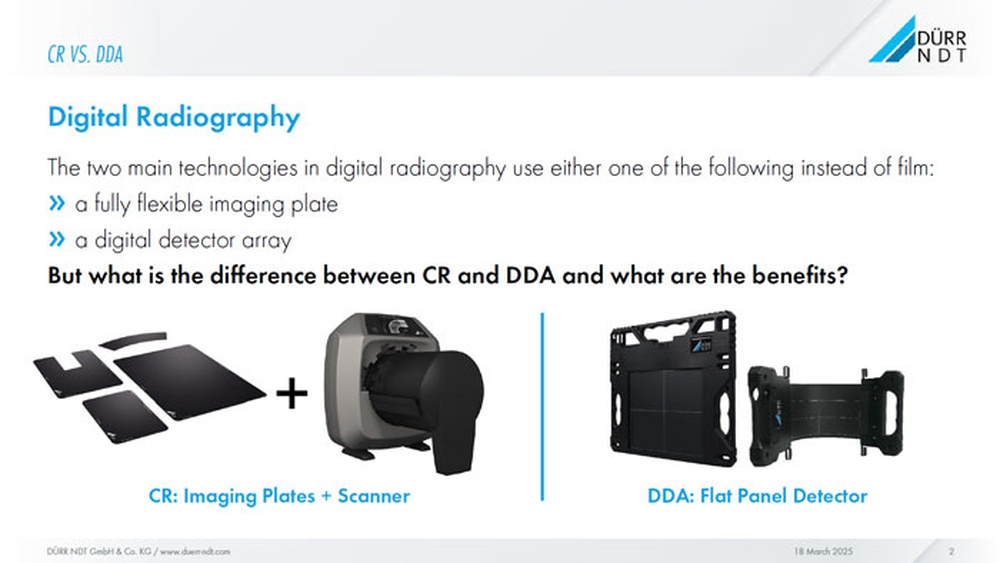
Computed Radiography (CR) is a medical imaging method that uses special plates to capture X-ray images. It bridges the gap between traditional film X-rays and fully digital systems. CR offers a simpler and less costly way to digitize X-ray images compared to some newer technologies.
This technology helps medical staff view and store images more easily. It provides clearer pictures than old film X-rays. CR plays a vital role in many healthcare settings by making X-ray imaging more accessible.
How Computed Radiography Works
Computed Radiography uses a photostimulable phosphor plate to capture X-rays. When X-rays hit the plate, they create a latent image. The plate is then scanned with a laser to release stored energy as light. This light is converted into a digital image by a computer.
The digital image can be enhanced and viewed on screens. This process allows faster image sharing and easier storage compared to film.
Equipment And Technology
The main equipment includes a phosphor imaging plate and a CR reader. The imaging plate replaces traditional film. After exposure, the plate is inserted into the CR reader. The reader scans the plate and converts the image to digital form.
Computers and specialized software process and store images. The system supports easy image transfer to other devices or networks.
Common Applications
Computed Radiography is used in hospitals, clinics, and dental offices. It works well for chest, bone, and dental X-rays. CR is helpful in emergency rooms due to its quick image processing.
It also supports veterinary imaging and industrial non-destructive testing. This versatility makes CR a popular choice across many fields.
Credit: www.jucm.com
Basics Of Digital Radiography
Digital radiography is a modern way to capture X-ray images using digital sensors. It replaces older film-based methods with faster and clearer image processing. This technology helps doctors see inside the body with less radiation and quicker results.
Digital radiography improves diagnosis and treatment. It allows easy storage and sharing of images. The system uses computers to display and enhance X-ray pictures immediately.
Digital Radiography Technology
Digital radiography uses electronic sensors to capture images. These sensors convert X-rays into digital signals. Computers process these signals to create clear images. The process is quick and efficient compared to traditional film. It reduces the need for retakes due to poor image quality. This technology also allows image enhancement and manipulation on the screen.
Types Of Digital Detectors
There are two main types of digital detectors: direct and indirect. Direct detectors convert X-rays directly into an electrical signal. Indirect detectors first convert X-rays into light, then into an electrical signal. Both types produce high-quality images but differ in how they capture data. The choice depends on the medical application and equipment availability.
Typical Uses In Medical Imaging
Digital radiography is widely used in hospitals and clinics. It helps in examining bones, chest, teeth, and soft tissues. The technology supports quick diagnosis of fractures, infections, and lung conditions. It also aids in dental checkups and mammography. Doctors rely on digital radiography for clear and fast imaging results.
Image Quality Comparison
Image quality is vital in radiography. It helps doctors see clear and accurate pictures. Comparing computed radiography (CR) and digital radiography (DR) reveals key differences in image quality. These differences affect how well health professionals can diagnose patients. Focus on resolution, contrast, and artifacts to understand each method’s strengths.
Resolution And Detail
Resolution shows how sharp an image looks. Digital radiography usually has higher resolution than computed radiography. This means DR can show smaller structures clearly. CR images sometimes appear softer or less detailed. Clear resolution helps doctors detect tiny fractures or abnormalities.
Contrast And Clarity
Contrast means the difference between dark and light areas in an image. Digital radiography offers better contrast and clarity. It shows tissues with more distinct edges. Computed radiography can have lower contrast, making images look flat. Good contrast helps spot problems quickly and accurately.
Artifact And Noise Levels
Artifacts are unwanted marks or distortions in images. Noise appears as grainy or speckled textures. Digital radiography produces fewer artifacts and less noise. Computed radiography images may have more noise, which can hide details. Clear images with low noise improve diagnosis and patient care.
Workflow And Efficiency
Workflow and efficiency are key factors in medical imaging. They affect how quickly patients receive care and how smoothly staff complete tasks. Comparing computed radiography (CR) and digital radiography (DR) shows clear differences in these areas. Understanding these differences helps clinics choose the best technology.
Image Acquisition Speed
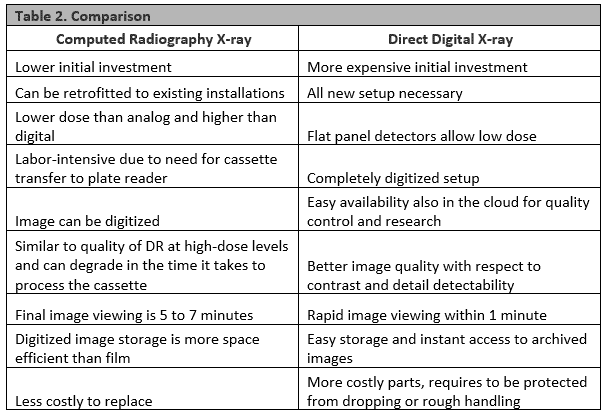
Digital radiography captures images instantly. The sensor sends data directly to the computer. This reduces waiting time significantly. Computed radiography requires a separate step. The imaging plate must be scanned to create a digital image. This step can slow down the process. Faster image capture means quicker diagnosis and treatment.
Processing And Storage
Digital radiography stores images electronically right away. This allows easy access and quick sharing with other staff. Computed radiography needs image processing after scanning. This adds time and extra work. Storage space is also a concern with CR. Digital images are smaller and easier to organize. Efficient storage saves time and reduces errors.
Impact On Clinical Workflow
Digital radiography improves clinical workflow by reducing steps. Staff spend less time handling images and more time with patients. Computed radiography’s extra steps can cause delays and increase workload. Faster workflows help clinics see more patients daily. Smooth operations lead to better patient satisfaction and staff morale.
Cost And Maintenance
Cost and maintenance are key factors in choosing between computed radiography (CR) and digital radiography (DR). These costs affect your budget and the long-term success of your imaging department. Understanding the differences helps in making the right choice.
Initial Investment
Computed radiography requires a lower upfront cost than digital radiography. CR systems use imaging plates and scanners. Digital radiography needs flat-panel detectors that cost more. The higher price of DR equipment reflects its faster image processing. Smaller clinics often prefer CR due to budget limits.
Operating Expenses
Operating costs for CR include buying and replacing imaging plates. Scanning and digitizing images take extra time and resources. Digital radiography reduces these costs by producing instant images. DR systems need less film and fewer supplies. Electricity use is higher for DR but often balanced by efficiency.
Equipment Longevity
Computed radiography machines have a moderate lifespan. Imaging plates wear out and need regular replacement. Digital radiography systems tend to last longer with proper care. DR detectors can be expensive to replace if damaged. Regular maintenance extends equipment life for both systems.

Credit: www.youtube.com
Radiation Exposure
Radiation exposure is a key concern in medical imaging. Both Computed Radiography (CR) and Digital Radiography (DR) use X-rays to capture images. Understanding their differences helps ensure patient safety and image quality. This section explains how radiation dose varies between these systems and the safety rules that guide their use.
Dose Differences Between Systems
Digital Radiography generally uses less radiation than Computed Radiography. DR sensors are more sensitive, capturing images with lower doses. CR requires higher doses because it uses a photostimulable phosphor plate. Lower radiation means less risk for patients during repeated exams. Choosing DR can reduce the total radiation exposure over time.
Safety Considerations
Minimizing radiation is crucial for patient safety. Radiology staff follow strict protocols to limit exposure. Protective gear, such as lead aprons, shields vital organs. Machines are calibrated to use the lowest dose for clear images. Training ensures technicians handle equipment correctly. Safety measures protect both patients and healthcare workers.
Regulatory Standards
Government agencies set rules to control radiation use. The FDA and NRC regulate X-ray device safety in the U.S. Facilities must meet dose limits and report exposure levels. Regular inspections verify compliance with safety standards. Regulations help maintain consistent protection across all imaging centers. Staying within limits prevents unnecessary radiation risks.
Flexibility And Portability
Flexibility and portability are key factors when choosing between Computed Radiography (CR) and Digital Radiography (DR). These features affect how easily the equipment fits into different medical environments. They also impact how quickly and effectively healthcare professionals can perform imaging tasks. Understanding these differences helps in selecting the right technology for specific needs.
Suitability For Various Settings
Computed Radiography works well in many places. It can fit into clinics with limited space. CR systems use plates that are easy to carry and store. Digital Radiography often needs more space for its hardware. It works best in hospitals and large centers. DR provides fast results, but may require a fixed setup.
Mobile Imaging Capabilities
CR offers good mobility. The imaging plates are lightweight and portable. This makes CR ideal for bedside or field imaging. DR systems have portable options, but they tend to be heavier and pricier. Mobile DR units are improving but can be less common. CR remains a practical choice for mobile imaging needs.
Adaptability To Different Procedures
Both CR and DR adapt to various imaging procedures. CR plates can be used in many machines and settings. This allows flexibility for different body parts and patient conditions. DR provides instant images, speeding up the process. It suits procedures requiring quick decisions. CR’s adaptability makes it useful where multiple procedures occur.

Credit: ndtblog-us.fujifilm.com
Future Trends And Innovations
The future of radiography is bright with ongoing trends and innovations. Both Computed Radiography (CR) and Digital Radiography (DR) continue to evolve. These improvements aim to enhance image quality and make procedures faster and safer. New technologies promise to change how radiography is practiced worldwide.
Advancements In Detector Technology
Detectors are the heart of radiography systems. New materials improve sensitivity and reduce noise. Thinner, lighter detectors make machines easier to handle. Some detectors now capture images faster, helping patients spend less time in exams. These upgrades also reduce radiation exposure.
Artificial Intelligence Integration
AI helps in analyzing images quickly and accurately. It supports radiologists by highlighting areas of concern. This reduces human error and speeds up diagnosis. AI algorithms also optimize image quality automatically. It is becoming a vital tool in both CR and DR systems.
Potential Impact On Radiography Practices
Faster image processing means quicker patient care. Enhanced image clarity leads to more precise diagnoses. Portable and wireless devices enable radiography in remote areas. Training for radiographers is evolving to include new tech skills. The workflow in clinics and hospitals is becoming more efficient.
Frequently Asked Questions
What Is The Main Difference Between Computed And Digital Radiography?
Computed radiography uses a special imaging plate to capture X-rays, while digital radiography captures images directly using electronic sensors. Digital radiography is faster since it skips the plate scanning step. Both create digital images but use different technology.
Which Radiography Method Offers Better Image Quality?
Digital radiography usually provides clearer and sharper images than computed radiography. It allows immediate image viewing and better detail. Computed radiography images may sometimes appear less sharp due to the scanning process.
How Do Computed And Digital Radiography Compare In Cost?
Computed radiography tends to have lower initial equipment costs but higher running costs. Digital radiography equipment is more expensive upfront but cheaper to maintain over time. Cost depends on the size and needs of the facility.
Can Computed Radiography And Digital Radiography Work With The Same X-ray Machines?
Both can use standard X-ray machines, but the detectors differ. Computed radiography requires special imaging plates, while digital radiography needs flat-panel sensors. Switching between them may need extra tools or adapters.
Which Method Is Faster For Capturing And Viewing X-ray Images?
Digital radiography is faster because it shows images instantly on a computer screen. Computed radiography requires scanning the imaging plate before viewing, which takes more time. Speed is important in busy medical settings.
Conclusion
Choosing between computed radiography and digital radiography depends on your needs. Both methods create clear medical images. Digital radiography offers faster results and easier storage. Computed radiography uses special plates to capture images. Cost and equipment may influence your choice.
Understanding the differences helps you decide better. Each has strengths for different situations. Think about speed, quality, and budget. Ask your healthcare provider for advice too. This knowledge ensures the best care for you.