
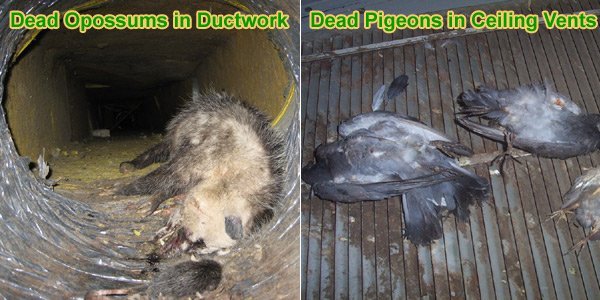
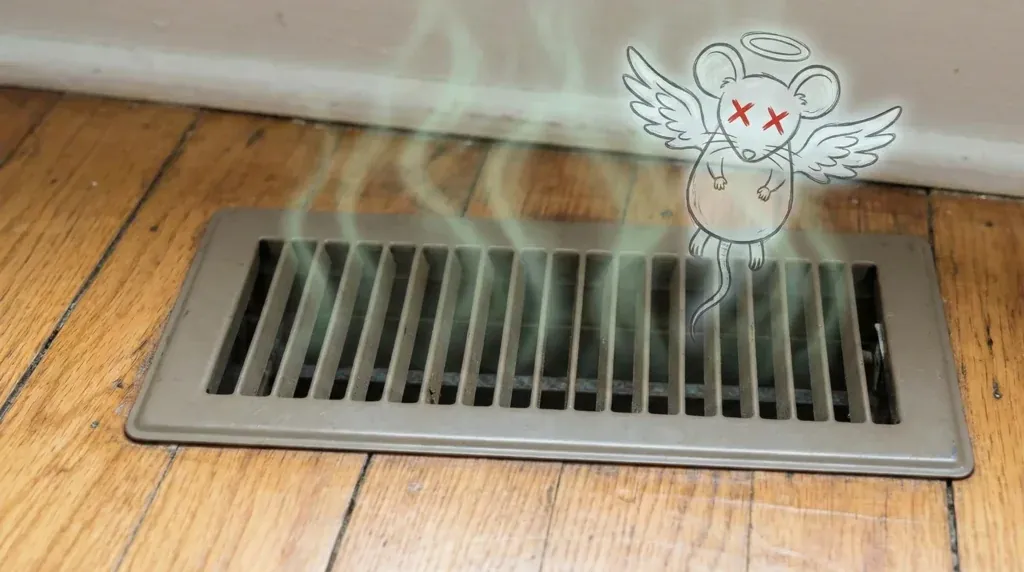
If you searched air vent smells like something died, you’re dealing with a classic HVAC problem: an animal or organic debris trapped in the ductwork, or moisture-driven mold growth inside the system. The odor usually starts faint, gets stronger over days or weeks, and is strongest when the blower kicks on because that’s when air is pushed past the source. This article walks you through how to find the cause, what you can safely do yourself, when to call a professional, and how to keep it from coming back.
Key Takeaways
- Turn the HVAC system off at the thermostat and breaker before you remove any register or look inside a duct.
- Pull up floor registers and shine a flashlight into the duct opening; many small animals die just inside the first few feet.
- Replace a clogged cabin or furnace air filter, since trapped debris and moisture often start at the filter.
- If you can’t see or reach the source, call an HVAC duct-cleaning or wildlife-removal company rather than cutting into drywall blindly.
- Run the fan only after the source is removed and the area is cleaned; otherwise you spread the odor and bacteria through every room.
- Seal exterior gaps and install vent covers to keep rodents, birds, and insects out of the intake and exhaust openings.
What Causes Air Vents to Smell Like Something Died
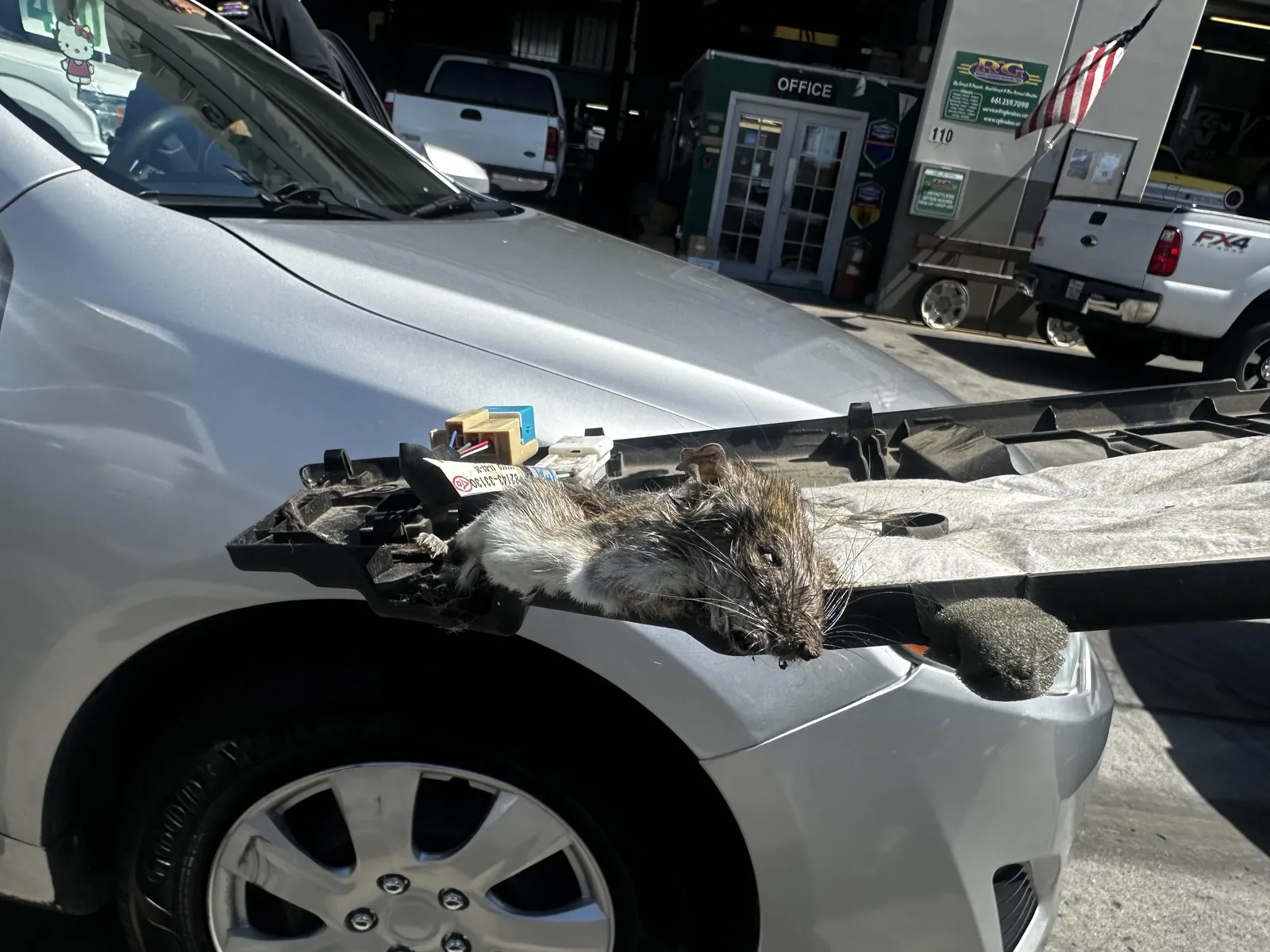
The most direct cause is a dead animal inside the ductwork. Mice, rats, squirrels, birds, and even raccoons can enter through an exterior vent, a cracked return-air boot, or a gap around the furnace flue. Once inside, they can’t always find their way out.
Moisture is the second major cause. A clogged drain, leaking coil, or high humidity can create standing water in the drain pan or ducts. That damp environment grows mold and mildew, which produces a musty, sour, or rotting smell that many people describe as something dead.
Less commonly, the smell comes from outside the ducts. A dead animal beneath a porch, in a crawl space, or against an exterior wall can draw odor into the return-air system through a poorly sealed boot.
Is It Dangerous to Run the System?
Running the furnace or air conditioner while a decomposing animal sits in the ductwork isn’t a good idea. In rare cases, rodents carry hantavirus or leptospirosis, though the risk from a single dead mouse in a duct is low for most healthy adults.
Pro Tip: If you must run the system for heat or cooling while you arrange service, set the thermostat to “fan off” and use only the heating or cooling cycle briefly, then shut it down again. Continuous fan operation spreads the odor fastest.
Check the Registers and Vents First
If you see the animal and it’s within reach, you can remove it yourself. Wear disposable gloves, a dust mask or N95 respirator, and eye protection. Place the carcass and any nesting material in a sealed plastic bag, then put that bag inside another bag before placing it in an outdoor trash can. Wash your hands and disinfect any tools you used.
Don’t reach deep into a duct blindly. Sharp metal edges, screws, and insulation fibers can cause injury, and pushing the carcass farther downstream makes it much harder to find. If the animal is more than an arm’s length inside, stop and call a professional.
Warning: Never use a household vacuum without a HEPA filter to suck out debris from ducts.
Inspect the Air Filter and Blower Compartment
Turn off power to the HVAC system at the breaker before opening the furnace or air handler cabinet. Pull out the air filter and hold it up to the light.
While the filter is out, shine a light into the blower compartment. Look for signs of nesting—shredded paper, insulation, or droppings—around the blower motor and fan cage.
Replace disposable filters every one to three months, or sooner if you have pets or dusty conditions. Reusable electrostatic filters should be washed according to the manufacturer’s directions and fully dried before reinstallation; putting a damp filter back into the system invites mold growth.
Common Sources and Where to Find Them
| Source | Typical Location | Smell Character | Who Can Fix It |
|---|---|---|---|
| Dead rodent or bird | Inside duct near register, blower compartment, return boot | Strong rotting odor, worse when fan runs | Homeowner (if reachable), HVAC tech, wildlife removal |
| Mold or mildew | Evaporator coil, condensate pan, duct liner | Musty, sour, damp | HVAC technician |
| Dirty air filter | Return-air grille, furnace slot | Dusty, stale, slightly sour | Homeowner |
| Dead animal outdoors | Crawl space, beneath porch, against exterior wall | Rotting odor drawn into return | Wildlife removal, pest control |
| Sewer or plumbing leak | Near floor register, basement duct | Sulfur, sewage | Plumber |
DIY Cleaning Steps You Can Try
If the source is reachable, follow these steps:
- Shut off the HVAC system at the thermostat and breaker.
- Remove the register cover and inspect the duct opening with a flashlight.
- Wear gloves, a mask, and eye protection. Remove any carcass, nest, or debris you can see.
- Place everything in a sealed double bag and put it in an outdoor trash container.
- Wipe the inside of the duct opening with a disinfectant wipe or a cloth dampened with a mild bleach solution (one part bleach to ten parts water), then let it dry.
- Replace the air filter with a new one.
- Replace the register cover, turn the power back on, and run the fan for 15 to 30 minutes with windows open to flush remaining odor.
Don’t spray large amounts of liquid into ductwork. Excess moisture can drip onto the evaporator coil or blower motor and create a new mold problem.
When to Call a Professional
Call an HVAC technician or duct-cleaning company if you can’t see the source, if the smell is coming from multiple vents at once, or if you suspect the animal is inside a wall, ceiling, or crawl space. Professionals have borescope cameras that can snake through ducts and locate a carcass without tearing out drywall.
Call a wildlife-removal company for recurring animal entry. They can find and seal the exterior gap that let the animal in, which is usually around a roof vent, soffit, or foundation opening.
Typical Cost Ranges
| Service | Typical Cost Range | What It Usually Includes |
|---|---|---|
| HVAC service call and inspection | $90 – $250 | Diagnosis, blower and filter check, basic duct peek |
| Dead animal removal from accessible duct | $150 – $400 | Removal, disinfecting, filter replacement |
| Full professional duct cleaning | $400 – $1,000 | Whole-system vacuuming, brushing, sanitizing |
| Wildlife exclusion and entry-point sealing | $300 – $800 | Inspection, trapping if needed, sealing gaps |
| Mold remediation in HVAC system | $600 – $2,000+ | Coil cleaning, pan treatment, duct sanitizing |
Prices vary by region, system accessibility, and whether the animal must be retrieved from behind finished walls.
How to Keep the Smell From Coming Back
Prevention starts outside. Inspect your exterior foundation, roofline, and attic vents for gaps larger than a quarter-inch. Install heavy-duty vent covers or screens over dryer exhausts, bathroom fan outlets, and fresh-air intakes. Trim tree branches away from the roof so squirrels and raccoons can’t walk directly onto the structure.
Change air filters on schedule and keep return-air grilles clear.
If you live in an area with heavy rodent pressure, consider placing tamper-resistant bait stations around the exterior perimeter, well away from pets and children.
Frequently Asked Questions
How long will a dead animal in a vent smell?
A small rodent can smell noticeable for about one to two weeks, while a larger animal such as a squirrel or raccoon can smell for three to six weeks or longer, depending on temperature and humidity.
Can I use air freshener or odor bombs to cover the smell?
Masking agents don’t remove the source, and the smell will return as soon as the product wears off. Some odor bombs or ozone generators can also irritate the lungs or damage electronics if used incorrectly.
Is the smell dangerous to breathe?
In most cases, a single dead animal in a duct causes discomfort and allergy-like irritation rather than serious illness.
Will running the fan make the smell go away faster?
No. Running the fan blows air across the decomposing material and spreads the odor and particles to every room. Turn the system off until you have located and removed the source, cleaned the area, and installed a fresh filter.
How do I know if it’s mold instead of a dead animal?
Mold usually smells musty, sour, or damp and is often strongest near the air handler, evaporator coil, or basement vents. A dead animal smells like sharp rotting meat and is often strongest at one specific register.
Can I prevent animals from getting into my ducts?
Yes. Seal exterior gaps around vents, soffits, and the foundation, install screens on intake and exhaust openings, keep the area around the outdoor unit clear of debris, and maintain your air filter and annual HVAC service.
Conclusion
The next step is to turn off your HVAC system, pull up the register in the smelliest room, and look inside with a flashlight. If you can see and safely reach the source, remove it and replace your filter; if you cannot, call an HVAC or wildlife-removal professional before the odor settles into your ductwork and walls.