
You can remove the smell of skunk by mixing one quart of 3% hydrogen peroxide, one-quarter cup of baking soda, and one teaspoon of liquid dish soap. This homemade solution works because the chemicals break down the thiols in the skunk spray that cause the odor. Successful skunk smell removal depends on applying the mixture immediately after exposure while the oils are still on the surface.
Supplies for Skunk Smell Removal
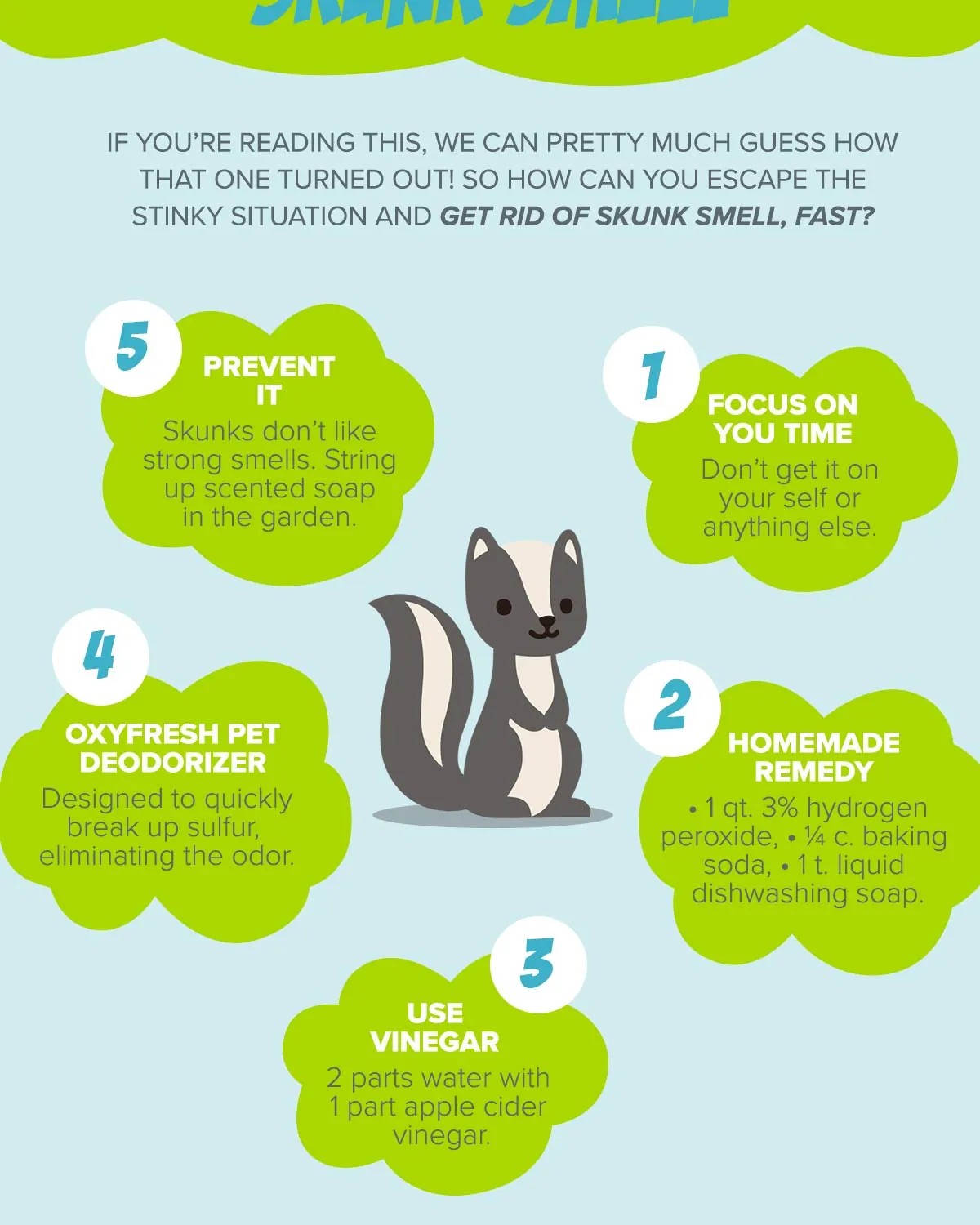
To treat a pet or a surface effectively, you need to gather these items before starting the process. Having everything ready saves time and prevents the oils from setting deeper into hair or fabric.
- One quart of 3% hydrogen peroxide (fresh bottle for best results).
- One-quarter cup of baking soda (sodium bicarbonate).
- One teaspoon of liquid dish soap (a grease-cutting brand works best).
- Rubber gloves to protect your skin from the spray.
- A large plastic bucket or bowl for mixing.
- A clean sponge or soft cloth for application.
You must use these ingredients immediately, as the mixture releases oxygen and loses its power if left to sit in a closed container. If you lack these specific items, don’t use tomato juice or vinegar, as these don’t neutralize the thiols and will only mask the scent temporarily.
Steps for Cleaning Affected Areas
- Put on your rubber gloves to avoid getting the pungent oils on your own skin or clothes.
- Mix the hydrogen peroxide, baking soda, and dish soap in your bucket until the soda dissolves completely.
- Apply the solution to the affected area using your sponge, working it deep into the fur or material.
- Let the mixture sit on the surface for about 5 minutes.
- Rinse the area thoroughly with clean, lukewarm water until all traces of the soap are gone.
- Repeat the process if the odor persists, as thick fur or porous materials may require a second application.
- Dry the area with a clean towel and dispose of any leftover mixture immediately.
Careful: Keep the solution away from your pet’s eyes, nose, and mouth, as the hydrogen peroxide can cause irritation. Tip: If the scent is on a fabric item like a rug, test a small, hidden corner first to ensure the peroxide doesn’t bleach the color.
Factors Affecting Treatment Time
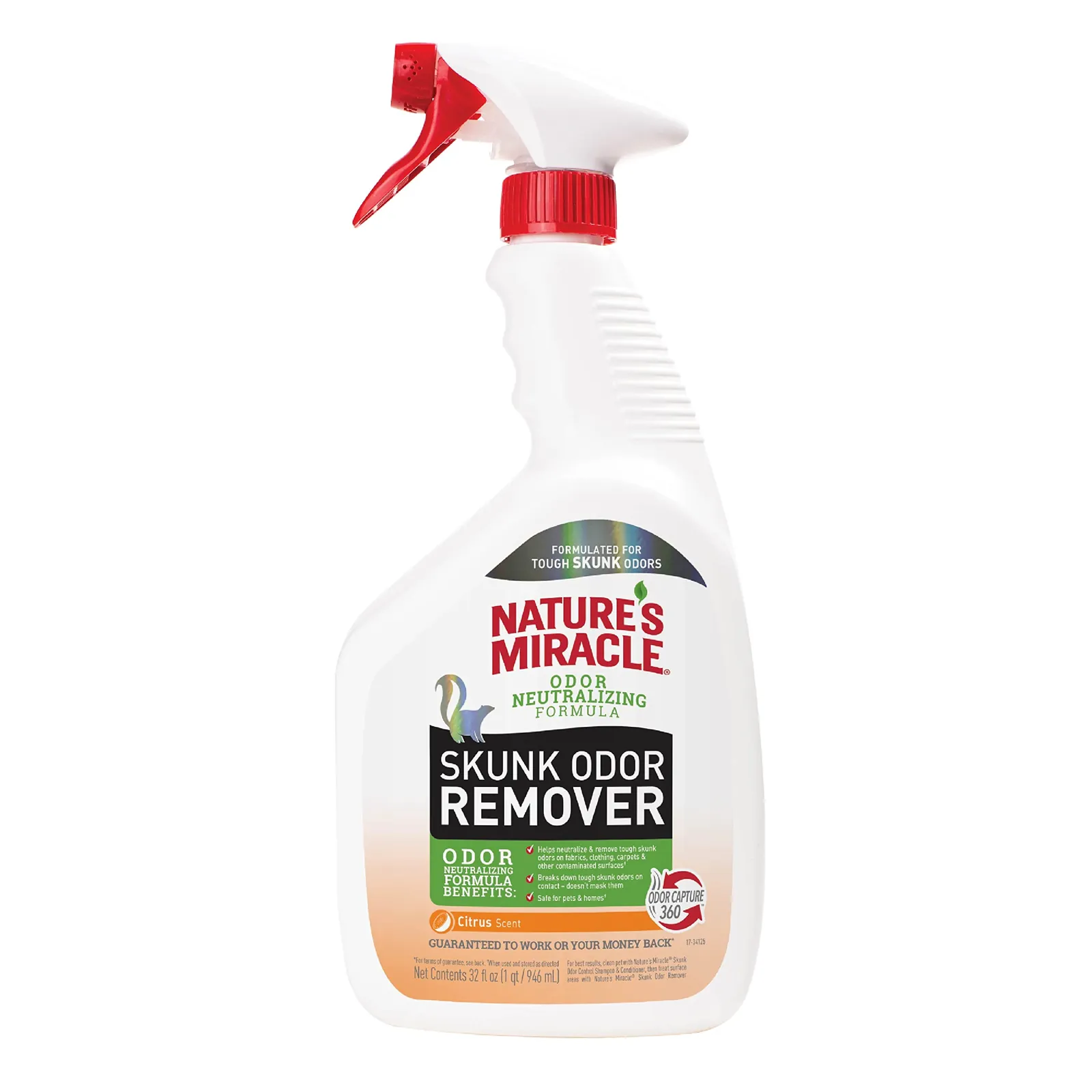
The total time needed to neutralize the odor varies based on the severity of the spray and the material it hit. It’s safer to start with a smaller amount of the solution to check for reactions before covering a large area.
Old stains bind to fibers, requiring extra dwell time to break down the proteins. If you notice a lingering scent after the first application, don’t reapply immediately. Wait for the surface to dry completely, as moisture can temporarily mask the odor.
| Situation | Time Needed | What is Different | Watch For |
|---|---|---|---|
| Short-haired pet | 10 minutes | Quick absorption | Skin redness |
| Long-haired pet | 20 minutes | Deeper cleaning | Matted fur |
| Hard flooring | 5 minutes | Surface wipe | Slippery residue |
| Clothing/Fabric | 15 minutes | Deep soaking | Fabric fading |
Apply the solution sparingly on porous surfaces like hardwood. Excess liquid creates a risk of warping or finish damage. If the surface remains tacky after twenty minutes, wipe it with a clean, dry cloth to prevent residue buildup.
Judging Your Success
You know the process worked when the sharp, sulfur-like smell is replaced by a faint, neutral scent or no smell at all. If the odor remains strong, you likely missed a hidden spot or the spray reached deep into the undercoat of a pet. This happens because the oils are sticky and resist water, making it difficult to reach every fiber in one pass.
To prevent this, ensure you massage the mixture into the skin or fabric thoroughly during the first application. If you’re treating a thick-coated animal, use a comb to part the fur while spraying to ensure the solution hits the skin directly.
Most people make the mistake of stopping once the surface looks dry, but the oils often migrate deeper as the moisture evaporates. If the smell returns after twenty-four hours, repeat the process with the original concentration. Always wash your hands and tools with soap after finishing to prevent spreading oils to other parts of your home.
Safety Rules and Maintenance
The main rule for handling this odor is to treat the area as soon as you notice the scent, as the oils harden over time. Once the residue cures for more than 48 hours, household solvents often fail to break the bond, requiring aggressive scrubbing that ruins fabric fibers.
Ensure proper ventilation while cleaning to avoid breathing in concentrated odors or fumes. Open two windows on opposite sides of the room to create a cross-breeze. If you can’t open windows, run a high-capacity air purifier with a carbon filter throughout the process.
Discard any unused mixture down the drain with plenty of water. If the spill covers more than three square feet of carpet or furniture, hire a professional service specializing in odor restoration. These experts use industrial-grade enzyme cleaners that digest organic oils rather than masking them, which prevents the scent from returning during humid weather.
Alternative Cleaning Approaches
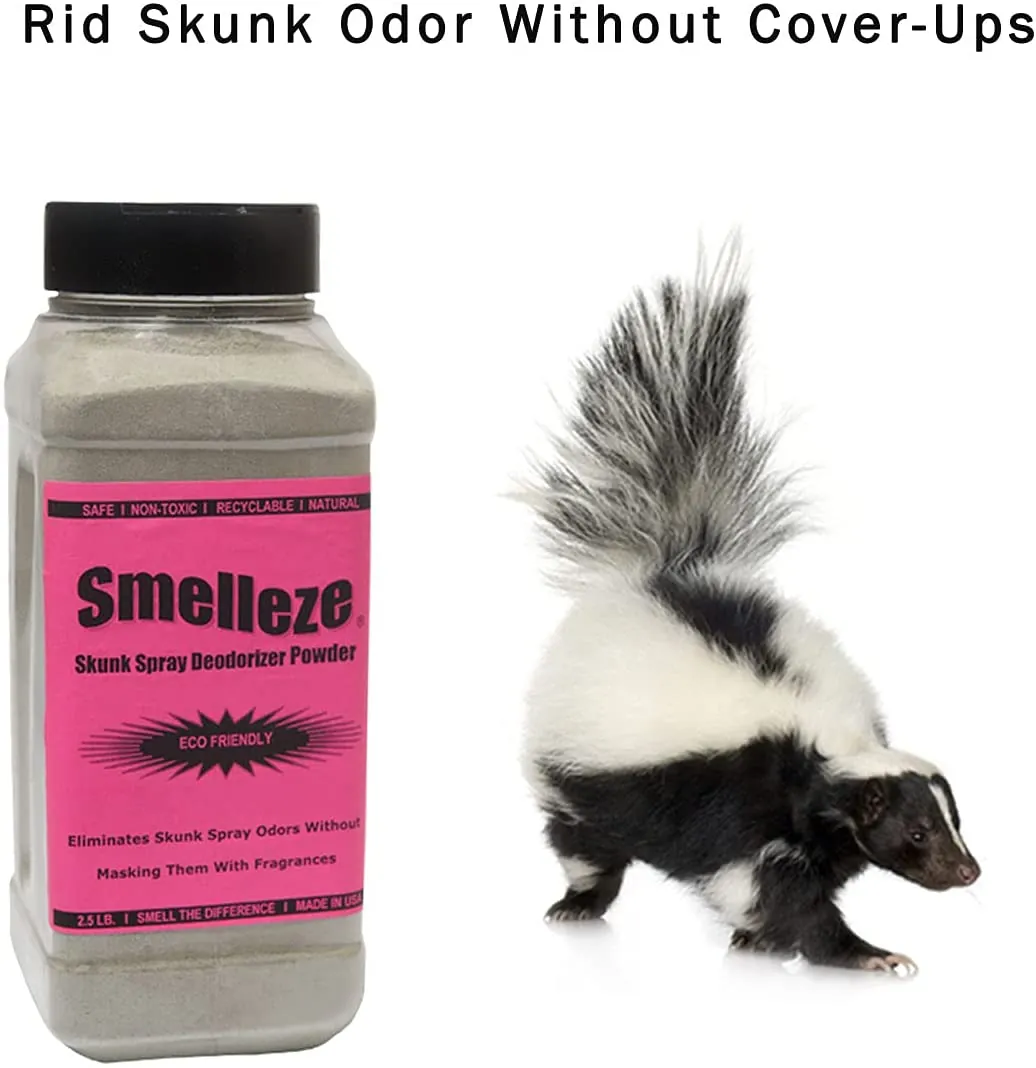
Commercial Odor Removers
Many pet stores sell enzymatic cleaners designed specifically for biological odors. These products use bacteria to digest the odor-causing compounds rather than just neutralizing them. They’re often safer for delicate fabrics than peroxide, though they usually require a longer dwell time to work effectively.
Steam Cleaning
For heavy odors on carpets or upholstery, steam cleaning can help pull the oils out of the deep fibers. This method is most effective when paired with a commercial deodorizer. It requires a machine, which you can rent from local hardware stores if you don’t own one.
Professional Restoration
If the skunk sprayed inside your home or under a crawlspace, you should call a professional restoration company. They use ozone generators and industrial scrubbers to clear the air. This is the only way to handle deep-seated smells that have moved into your home’s ventilation system or insulation.
Related guides
- Dog Smells Like Fish From Back End: Causes and Solutions
- How to Get Polyurethane Off Hands: Safe Removal Methods in 2026
- How to Remove JB Weld: Proven Removal and Cleaning Methods in 2026
Frequently asked questions
Can I use this on my clothes?
Yes, you can use this on most clothes, but test a small, inconspicuous area first. Hydrogen peroxide acts as a mild bleaching agent and may change the color of dark or delicate fabrics. If the fabric is expensive or dry-clean only, take it to a professional cleaner instead of using home remedies.
Is it safe for my dog?
Yes, it’s safe for dogs when used correctly and kept out of their eyes and mouth. Ensure you rinse the solution off completely after 5 minutes to prevent skin dryness. If your dog has sensitive skin or open cuts, consult your veterinarian before applying any homemade solutions to their coat.
How long does the smell last?
The smell can last for weeks if left untreated, but it usually fades within 24 to 48 hours after a thorough cleaning. If you notice the smell returning after a few days, it’s likely because the oils were trapped in a hidden area, such as a collar or a rug pad.
What happens if I leave it on too long?
Leaving the mixture on for more than 5 minutes can cause skin irritation for pets or lightened patches on fabrics. The peroxide is an oxidizer, and its strength is intended for a short, controlled reaction. Always set a timer to ensure you don’t forget to rinse the area.
Can I store the leftover mixture?
No, you can’t store the mixture because it becomes unstable once the ingredients are combined. The chemical reaction that neutralizes the odor happens immediately, and the solution loses its effectiveness within an hour of mixing. Always mix only what you need for a single application to avoid waste.
Conclusion
If the scent lingers on fabrics or furniture, you might need to wash those items with an enzyme-based cleaner to fully neutralize the oils. Don’t let the smell settle into your home’s fibers. Keep a spare bottle of these ingredients ready in your laundry room, so you’re prepared for next time.