
You can stop your shoes smell bad by removing the moisture that trapped bacteria love. Dampness from sweat is the most common cause of foot odor, as it creates a perfect home for microbes to grow and release smelly waste. Changing your socks daily and giving your footwear time to dry out completely are the two fastest ways to fix the problem.
Why your shoes smell bad
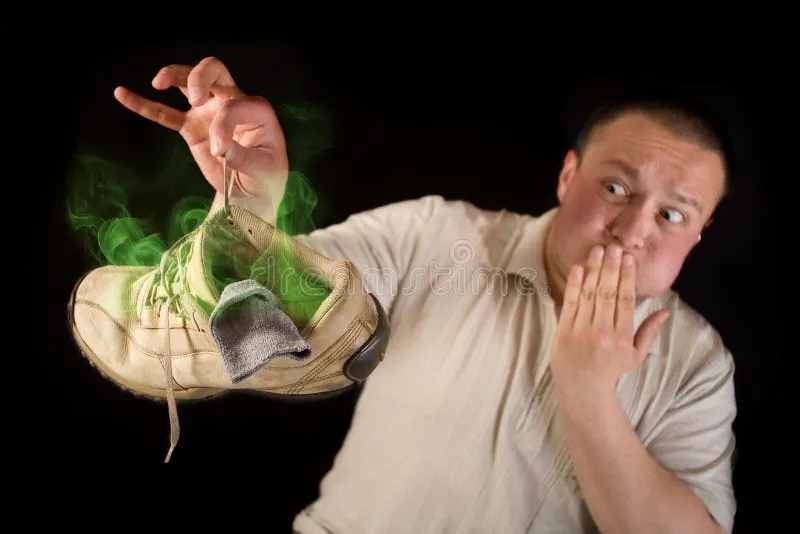
The main reason for this issue is the combination of sweat and bacteria inside a closed space. Human feet have thousands of sweat glands, and when you wear synthetic or non-breathable shoes, that moisture has nowhere to go. Bacteria living on your skin move into the fabric and lining of the shoe, where they feed on dead skin cells and sweat. As these bacteria metabolize sweat and skin cells, they release waste products that create a strong, unpleasant scent.
Another factor is the frequency of use. If you wear the same pair of shoes two days in a row, the materials don’t have enough time to release the moisture from the previous day. This keeps the environment inside the shoe consistently damp.
Rotate your daily footwear
If you wear the same shoes every day, they never fully dry. To fix this, you should own at least two pairs of shoes and alternate them. This gives each pair 24 hours of rest to air out. If you have very sweaty feet, you might need to change your socks halfway through the day. If the shoes are still damp after 24 hours, place them in a spot with good airflow or use a small fan to speed up the drying process.
You’ll know this is working when the lining of the shoe feels dry to the touch before you put them on the next morning. This method isn’t for people who only own one pair of shoes for work; if you only have one pair, you must take out the insoles every night to help them dry faster.
Wash your insoles and linings
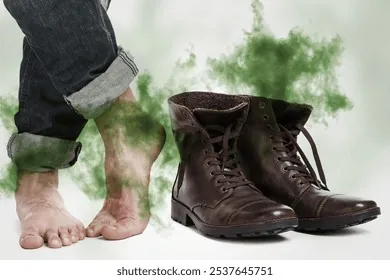
Sometimes the smell lives deep inside the removable insoles rather than the outer shell of the shoe. Take the insoles out and wash them with warm water and a mild soap. Let them air dry completely in the sun or a well-ventilated room before putting them back in. If the insoles are worn out or still smell after cleaning, you should replace them with new, odor-resistant ones.
This is a simple way to refresh a shoe without needing to replace the whole thing. If the shoe lining is made of leather or delicate fabric, don’t scrub it too hard, as you could damage the material. If you’re unsure about washing your specific shoes, check the manufacturer’s care label on the tongue or the inside heel.
Use natural deodorizing agents
For a deeper clean, you can use common household items to absorb trapped smells. Baking soda is highly effective at neutralizing odors because it balances the pH levels of the acidic waste left by bacteria. Sprinkle about one tablespoon of baking soda inside each shoe and let it sit overnight. In the morning, tap the shoes out over a trash can to remove the powder.
If you have concerns about white powder staining the inside of dark shoes, you can put the baking soda inside a clean cotton sock or a small mesh bag instead. This method is great for shoes you can’t wash with water. If the smell persists after two treatments, it’s likely that the bacteria have penetrated deep into the sole material, and you may need to use a dedicated antimicrobial spray.
Mistakes that make odors worse
Storing shoes in a dark, cramped closet stops airflow and traps moisture, which makes the smell much stronger over time. If your closet lacks ventilation, move your daily pair to an open rack or a mudroom shelf.
Wearing shoes without socks causes your feet to sweat directly into the material, which is much harder to clean than cotton socks. Cotton acts as a wick, absorbing moisture before it reaches the shoe lining. If you must go sockless, use a cedar shoe tree to pull moisture out of the leather overnight.
Using heavy perfumes to mask the smell creates a worse scent because it mixes with the bacteria waste instead of removing it. This chemical cocktail often lingers longer than the original odor.
Leaving wet shoes in a plastic bag after a gym session allows bacteria to multiply rapidly. Always dry your shoes in a well-ventilated area away from direct heat or sunlight before storage.
How to stop it happening again
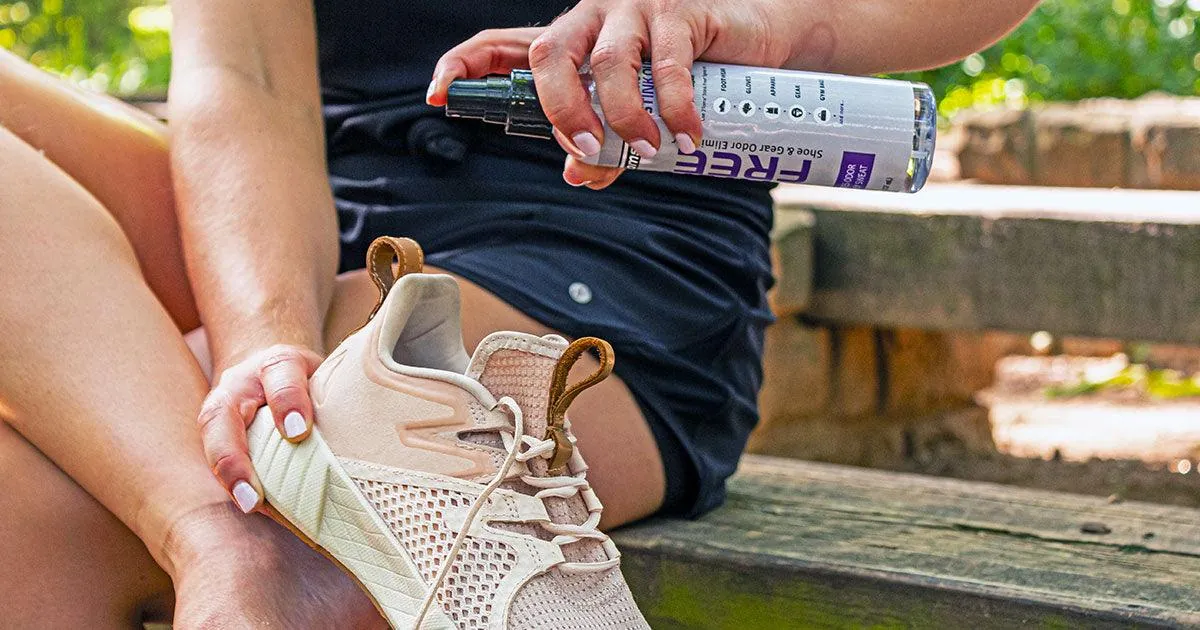
Changing your habits is the only way to ensure the smell doesn’t return once you have cleaned your shoes. Use this table to adjust your daily routine.
| If you’re doing this | Do this instead | Why |
|---|---|---|
| Wearing the same shoes daily | Rotate between two pairs | Allows 24 hours for moisture to evaporate |
| Wearing thin cotton socks | Use wool or moisture-wicking socks | These fibers pull sweat away from the skin |
| Leaving shoes under a bed | Keep them in an open, airy spot | Airflow prevents the growth of odor-causing bacteria |
| Putting on damp shoes | Use a boot dryer or air dry | Removes the moisture that bacteria need to survive |
Related guides
- How to Stop a Crack in Wood From Spreading With Stop Drilling in 2026
- How to Stop Knots From Bleeding Through Paint With Primer in 2026
- How to Stop Sap From Coming Out of Wood: Proven Fixes in 2026
Frequently asked questions
Can I put my shoes in the washing machine?
No, you should only put them in the machine if the manufacturer’s label says it’s safe. Many shoes use glues that break down in hot water, and the agitation can ruin the shape of the shoe. If you must machine wash, use a cold, gentle cycle and put the shoes inside a mesh laundry bag to protect them.
How long does it take for baking soda to work?
It usually takes at least 8 hours for baking soda to absorb enough moisture and odor to make a difference. You should leave the powder inside the shoes overnight for the best results. If the shoes are extremely smelly, you might need to repeat this process for two or three nights in a row to notice a significant change in the scent.
Is it safe to use bleach to kill the bacteria?
No, you should avoid using bleach as it can permanently discolor the fabric and damage the materials of your shoes. Bleach is also harsh on your skin if any residue remains on the inside of the shoe. Stick to mild soap or baking soda, which are safe for most common shoe materials and effective at removing the source of the smell.
Why do my new shoes smell bad?
New shoes often smell like the chemicals, glues, and synthetic dyes used during the manufacturing process. This isn’t the same as the bacterial odor that develops from sweat. This factory smell will usually fade on its own after a few days of wearing the shoes and letting them air out in a well-ventilated room.
How often should I replace my insoles?
You should replace your insoles every 6 to 12 months depending on how much you walk and how much your feet sweat. If you notice the foam is flattening or the odor doesn’t go away after washing, it’s time for a new pair. Checking the condition of the insoles every few months helps you catch this before the smell spreads to the shoe.
What happens if I don’t treat the smell?
If you ignore the odor, the bacteria will continue to thrive and can eventually lead to skin irritation or fungal infections like athlete’s foot. Prolonged dampness can also cause the materials of the shoe to break down faster, leading to holes or a loss of support. Addressing the moisture early protects both your feet and the lifespan of your footwear.
Conclusion
Regular maintenance is the most effective way to keep your footwear fresh. By focusing on keeping your feet dry and giving your shoes enough time to air out, you can stop the cycle of odor before it starts. If you find that the smell remains despite these efforts, it may be time to replace your shoes entirely, as the bacteria might have settled too deep into the cushioning to be removed.