
Periodontal disease is the most frequent cause when dog breath smells bad, usually resulting from a buildup of plaque and tartar on the teeth. It’s generally safe to continue your normal routine unless your pet shows signs of pain or difficulty eating. You can confirm this by lifting the lip to check for red, swollen gums or brown, crusty deposits on the tooth surface near the gum line.
Why your dog breath smells
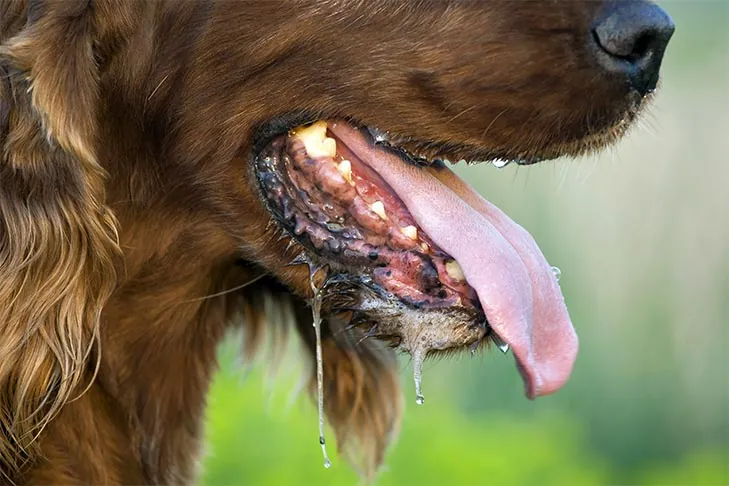
Understanding what your dog is trying to tell you helps you decide if you need a vet or just a new toothbrush. Most odors come from the mouth, but some indicate internal issues that require professional testing.
| What you notice | What it usually means | What to do first |
|---|---|---|
| Red, swollen gums | Periodontal disease | Schedule a dental cleaning |
| Sweet or fruity scent | Diabetes | Test blood glucose levels |
| Ammonia-like smell | Kidney dysfunction | Request kidney function panel |
| Foul, rotting odor | Severe tooth decay | Inspect for loose teeth |
| Metallic or bloody | Oral injury or cut | Check for foreign objects |
| Fishy or fecal | Anal gland issue | Consult your veterinarian |
If the breath smells like rotting meat, check the back molars specifically. Owners often miss debris trapped behind these teeth, which causes rapid tissue decay. If you see black tartar or loose teeth, a professional cleaning is mandatory.
Distinguish between localized mouth issues and systemic illness by checking the gums. If the gums are pale or yellow, the odor is likely a symptom of liver or kidney failure rather than poor hygiene. In these cases, a toothbrush will never solve the underlying problem. Always prioritize a blood panel over a dental cleaning if the breath odor appeared suddenly rather than gradually.
Bacterial buildup and gum disease
The accumulation of bacteria in the mouth creates a biofilm that can begin to mineralize into tartar over several days if left undisturbed. This substance irritates the gums, leading to inflammation and the release of sulfur compounds that cause an unpleasant odor. You can confirm this by gently pressing a finger against the gum tissue; if it bleeds easily or looks bright red, the tissue is likely infected.
The fix involves a professional dental cleaning under anesthesia, as home brushing can’t remove hardened tartar that has already formed below the gum line. Once the vet clears the infection, you must brush your dog’s teeth at least 3 times a week using canine-specific toothpaste.
You’ll know the treatment worked when the pink color returns to the gums and the pungent odor fades within 7 to 10 days. If your dog has a history of heart murmurs, the American Veterinary Dental College notes that pre-surgical testing is essential to ensure safety during the dental procedure.
Underlying metabolic health issues
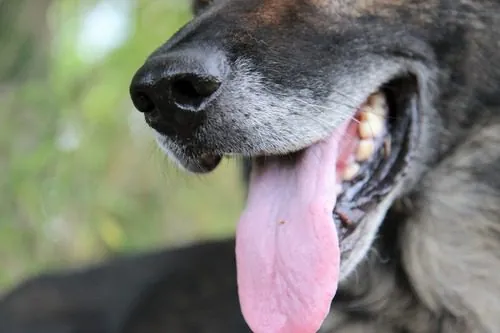
Sometimes the problem starts inside the body rather than in the mouth. When a dog suffers from kidney failure, the body can’t filter waste properly, which causes urea to build up in the blood and turn into ammonia in the saliva. You can confirm this by checking for an increase in water consumption or frequent urination, which often accompany metabolic changes.
If you suspect an internal cause, you can’t fix this at home. You must take your dog to a clinic for a blood chemistry panel to check organ function. If the results confirm kidney or liver issues, the vet will prescribe a specialized diet and medication to manage the chemical imbalance.
The smell will typically improve once the blood values stabilize. This cause is distinct from dental issues because the odor often smells like chemicals or urine rather than rotting food or decay.
Dietary habits and foreign objects
Dogs often scavenge for items that cause temporary, localized odor issues. Eating strong-smelling food, feces, or rotting organic matter leaves a lingering scent that lasts for several hours. You can distinguish this from disease because the smell is inconsistent and appears shortly after the dog has been outside or fed a new treat.
Identify and remove access to the source of the waste or food immediately. If your dog consumes non-food items, supervise their outdoor time or use a basket muzzle when walking in areas with high debris. A common mistake is assuming a foul breath odor is merely dietary when it actually signals a gastrointestinal blockage. If the dog shows lethargy, vomiting, or a bloated abdomen alongside the smell, bypass home remedies and seek emergency veterinary care.
If the odor persists for more than 24 hours despite restricting their diet, it’s likely not food-related and points toward dental decay or systemic health concerns. Use this rule: if the breath smells like ammonia, check the kidneys; if it smells sweet or fruity, test for diabetes. Always ensure your dog has access to fresh water to help rinse their mouth after meals.
When to seek professional help
You should stop trying to treat the breath at home and contact a veterinarian if you notice these warning signs:
Excessive drooling often indicates a painful oral lesion or a deep infection requiring antibiotics. Dropping food while eating is a sign the teeth are too painful to chew, which can lead to rapid weight loss. Visible loose teeth or large chunks of tartar that look like brown stone suggest advanced periodontal disease. Lethargy or a sudden loss of appetite suggests the infection has moved into the bloodstream, potentially damaging the heart or kidneys.
If your pet has a history of heart murmurs, consult a vet before any dental cleaning, as anesthesia carries higher risks for these animals. Attempting to pull a loose tooth or scaling teeth yourself often leads to jaw fractures or permanent damage to the gums.
Only a licensed veterinarian has the tools to perform safe extractions and full-mouth digital X-rays to see the health of the tooth roots. If you see bleeding gums during home brushing, continue to brush gently; this is a sign of active inflammation that requires consistent home care and a professional dental evaluation.
Related guides
Frequently asked questions
Can I use human toothpaste to clean my dog’s teeth?
No, you must never use human toothpaste because it contains xylitol or fluoride, which are toxic to dogs if swallowed. Always use a veterinarian-approved canine toothpaste that’s safe for ingestion. If you don’t have dog-specific paste, use a soft toothbrush and plain warm water until you can buy the correct product.
How often should I brush my dog’s teeth?
You should brush your dog’s teeth at least 3 times a week to prevent the buildup of plaque. Daily brushing is the most effective way to maintain oral health and stop odors from returning. If your dog is new to the process, start by letting them lick the toothpaste off your finger to build trust.
Is it safe to use mouthwash for dogs?
It’s safe only if the product is specifically formulated for pets and carries a seal of approval from a veterinary dental organization. Never use human mouthwash, as it contains alcohol that can cause severe irritation or poisoning. Check the ingredients label on the bottle to ensure it’s free from xylitol before use.
Why does my dog’s breath smell like fish?
The smell of fish often indicates that your dog has expressed their anal glands or has a blockage in that area. While it isn’t a dental problem, it’s a hygiene issue that requires a vet to empty the glands safely. If the smell is constant, see a professional to rule out infection.
How long does it take for breath to improve after cleaning?
Breath typically improves within 7 to 10 days after a professional dental cleaning, provided the gums have healed and you have started a home brushing routine. If the odor doesn’t fade after two weeks, return to your vet for a follow-up exam. This check ensures that no underlying infections were missed during the procedure.
Does diet change the smell of my dog’s breath?
Yes, high-protein or raw diets can change the natural scent of a dog’s mouth compared to standard kibble. If the smell is foul or rotting, it’s likely due to bacteria, not the food itself. If you change the diet and the bad smell persists, focus on dental hygiene instead of switching brands again.
Conclusion
If you’re still worried about that lingering odor, it’s a good idea to schedule a quick checkup with your vet. They’ll be able to spot hidden issues you can’t see at home. Don’t wait too long, as addressing these concerns early will keep your furry friend’s smile healthy and bright for years.