
Bacteria trapped in the ear canal is the most common reason that earwax smells bad, especially when the wax becomes impacted. It’s usually safe to monitor this at home, provided you don’t have severe pain or hearing loss. You can confirm this by gently pulling on the earlobe; if it hurts, you likely have an infection that needs a doctor’s attention.
What your earwax smells and looks like
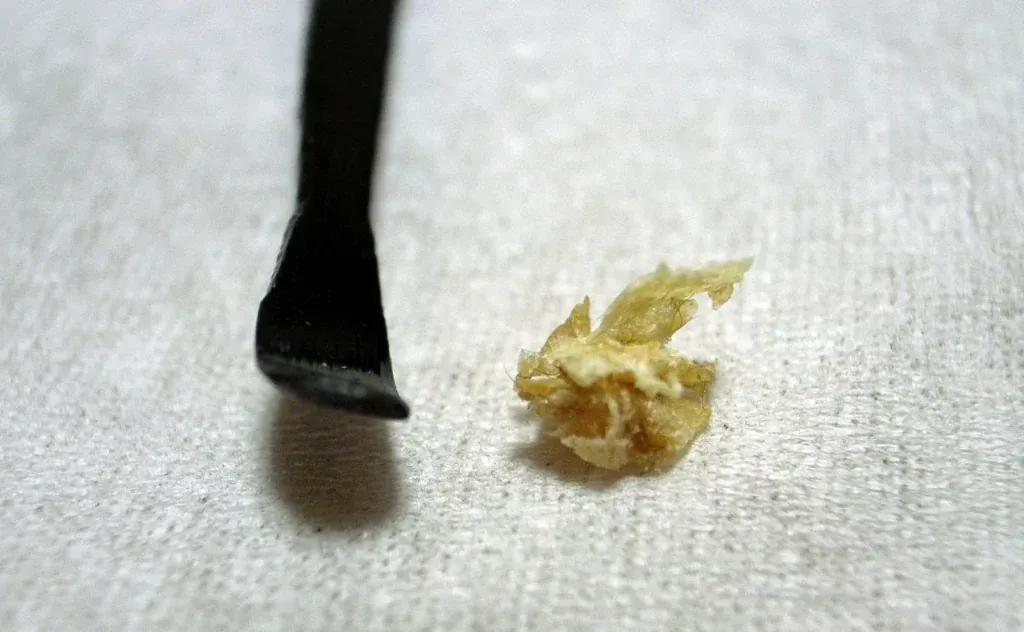
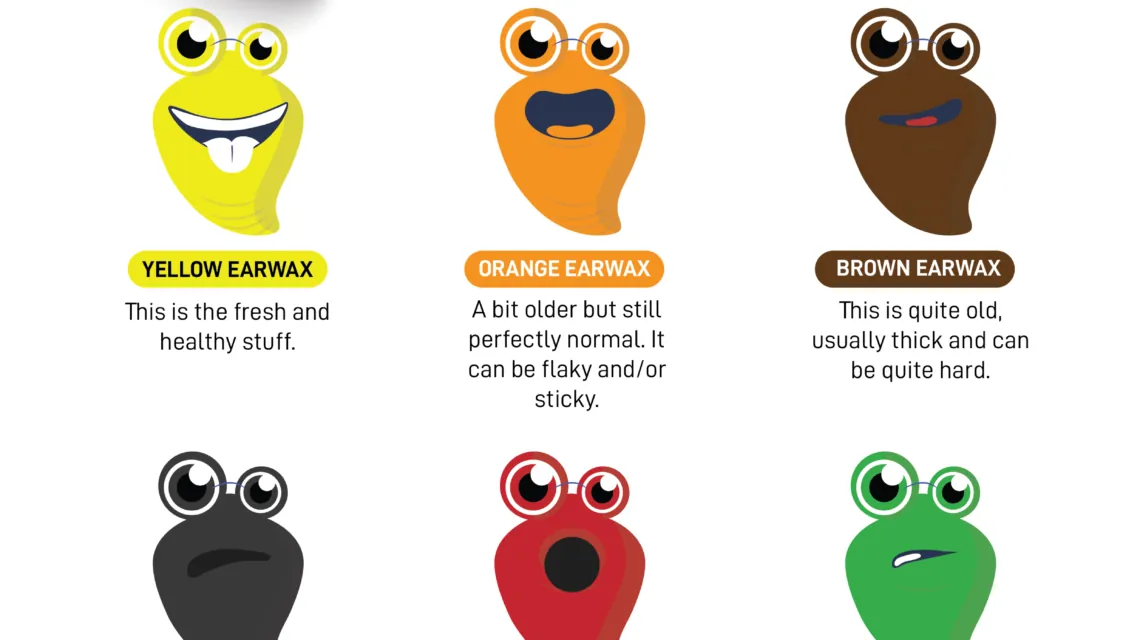
You might notice a change in your earwax consistency or color alongside the odor. This table helps you identify what your body is trying to tell you about your ear health.
| What you notice | What it usually means | What to do first |
|---|---|---|
| Strong, foul odor | Bacterial or fungal growth | Clean outer ear gently |
| Yellow, runny discharge | Middle ear infection | See a doctor soon |
| Itching and dryness | Eczema or skin irritation | Stop using cotton swabs |
| Hard, dark brown wax | Impacted earwax | Use over-the-counter drops |
| Pain when touching ear | Outer ear infection | Avoid water entry |
| Metallic or sour smell | Normal cerumen breakdown | Keep ear dry |
Bacterial Growth in the Ear Canal
Bacteria thrive in the ear canal when the natural flow of wax is blocked by debris or moisture. This buildup creates a warm, dark environment that allows microbes to multiply, which leads to a noticeable and unpleasant scent. If you suspect an infection, you should consult the NHS guidance on earwax build-up to understand when professional removal is necessary.
You can confirm this by checking if the smell persists after you have cleaned the outer ear area with a damp cloth. If the odor remains strong after cleaning, the issue is likely deeper in the canal. If you suspect an infection, don’t attempt to clean the canal and consult a healthcare professional. If you have no symptoms like fever or fluid drainage, you can try using softening drops to help the wax move naturally.
The sign that your efforts are working is a gradual decrease in the intensity of the smell over 3 to 5 days. If the odor doesn’t improve or gets worse during this time, the bacterial load is likely too high for home remedies to handle.
Trapped Moisture and Fungal Infections
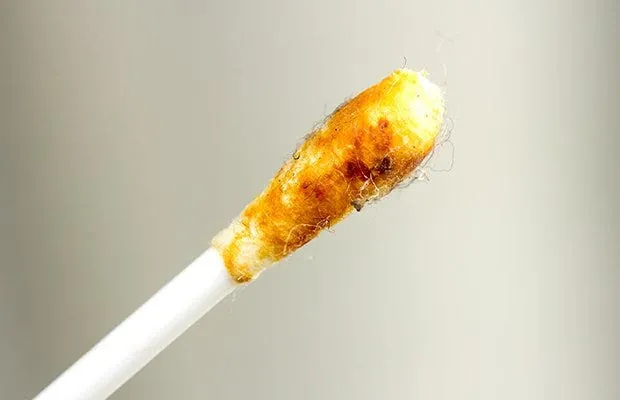
Fungal infections, also known as otomycosis, often happen after swimming or showering if water remains trapped in the ear. While bacterial infections usually cause a sharp or sour smell, fungal issues often produce a musty odor that feels persistent. You can distinguish this from a bacterial infection because fungal growth often comes with intense itching and a feeling of “fullness” inside the ear.
If you find that your ear feels damp or itchy after water exposure, the best approach is to keep the area dry. Use a hairdryer on the lowest, coolest setting held at least 12 inches away from the ear to evaporate excess moisture. Avoid all Q-tips or bobby pins, as these create tiny scratches where fungi can grow more easily.
If the smell is accompanied by white or black debris visible at the entrance of the canal, you’re likely dealing with a fungal issue. If you don’t see improvement after 48 hours of keeping the ear dry, you should seek professional help. A doctor can safely clean the canal and prescribe antifungal drops that aren’t available over the counter.
Impacted Earwax and Debris
Sometimes earwax smells bad simply because it has been sitting in the ear for too long. Earwax is designed to move out of the ear on its own, but it can get stuck if you use earbuds or hearing aids frequently. When old wax sits, it mixes with sweat and dead skin cells, which eventually creates a stale, unpleasant odor.
You can tell this is the cause if you feel like your hearing is slightly muffled or if you have a feeling of pressure. If you use hearing aids, clean them every morning with a dry cloth to prevent carrying old wax back into the canal. For impacted wax, you can use mineral oil or specialized ear drops for 2 to 3 days to soften the blockage.
This cause is different from an infection because it typically doesn’t present with pain, heat, or discharge. If you have a history of a perforated eardrum, never put drops into your ear without checking with a doctor first. If the pressure doesn’t lift after a week of using drops, the wax is likely too deep to remove at home.
When to See a Professional
You should stop trying to treat your ears at home if you notice any of the following warning signs. These symptoms indicate that the problem has moved beyond simple wax buildup.
- Severe ear pain that prevents you from sleeping or resting.
- Visible pus or blood draining from the ear canal.
- Sudden hearing loss or a constant ringing sensation.
- Fever or swelling behind the ear that feels tender to the touch.
If you have a history of ear surgery or a known hole in your eardrum, you must see a doctor immediately. Attempting to clean these ears yourself can lead to serious inner ear damage or permanent hearing loss. Professionals have specialized suction tools and microscopes to clear the canal safely without pushing debris further in.
Many people mistakenly use cotton swabs to dig for relief, but this often compacts wax against the sensitive eardrum. If you feel a muffled sensation that persists after twenty-four hours of gentle irrigation, stop. You’re likely dealing with a hardened impaction that requires professional softening drops. If your ear feels blocked but you also experience dizziness or vertigo, seek care within the day. These are signs of pressure changes in the middle ear that home remedies can’t resolve.
Related guides
- How to Use Mineral Spirits on Wood for Cleaning and Prep in 2026
- Can You Cut MDF With a Table Saw: Tips for Clean Results in 2026
- How to Remove JB Weld: Proven Removal and Cleaning Methods in 2026
Frequently asked questions
Can earwax smell like cheese?
Yes, earwax can smell like cheese or sour milk if there’s a buildup of bacteria or dead skin cells. This odor is usually a sign that the natural self-cleaning process of your ear has slowed down, allowing normal skin flora to break down the wax into fatty acids.
How long does it take for earwax to stop smelling?
It typically takes 3 to 5 days for the smell to fade once you stop using cotton swabs and start keeping the ear canal dry. If the odor persists beyond one week of gentle care, it suggests an active infection that requires medical treatment rather than simple cleaning.
Is it safe to use candles for earwax?
No, ear candling isn’t safe and isn’t recommended by medical professionals for any ear condition. The process carries a high risk of burns to the face and ear, and it can deposit candle wax deeper into the canal, which often makes the smell and blockage worse.
Why does my earwax smell only on one side?
The smell is likely localized to one side because of a specific blockage or a localized infection in that ear. If you sleep on one side, moisture or pressure from a pillow can trap debris in that ear, causing it to smell differently than the other side.
What happens if I ignore the smell?
Ignoring a persistent odor can lead to a more severe infection that may spread to the surrounding skin or the middle ear. If the wax remains impacted for too long, it can also cause temporary hearing loss and make it much harder for a doctor to clean later.
Does diet change how earwax smells?
There’s no evidence that specific foods change the scent of your earwax. While diet affects body sweat and oils, the smell of earwax is primarily determined by the bacteria and skin cells present in your ear canal, rather than the food you consume during the day.
Conclusion
Proper ear hygiene is about leaving the canal alone to do its own work. If you notice a change in smell, prioritize keeping the area dry and avoid inserting anything into the ear. If the scent remains, see a doctor to ensure your ear canal is healthy.