
When your sweat smells like bleach, it often means your body is breaking down proteins due to intense exercise or a high-protein diet, which releases ammonia through your pores. This chemical scent can also occur when your kidneys aren’t processing waste efficiently or if you’re severely dehydrated. If you notice this change, it’s usually a sign to adjust your hydration or dietary habits rather than a cause for immediate medical panic.
Why sweat smells like bleach
The following table breaks down why your skin might emit specific scents. While these are common associations, they help you identify if your diet or activity level is the likely culprit.
| Odor Type | Common Cause | Typical Trigger |
|---|---|---|
| Bleach or Ammonia | Protein breakdown | High-intensity exercise |
| Vinegar or Acid | Skin bacteria | Microbiome balance |
| Sweet or Fruity | Ketosis | Low-carb diet |
| Musty or Earthy | Liver strain | Metabolic stress |
| Rotten Eggs | Sulfur compounds | Diet high in sulfur |
Ammonia odors often signal that your body is burning muscle tissue for fuel rather than fat or glycogen. If you notice this during a workout, consume more complex carbohydrates thirty minutes before training to spare your protein stores.
Conversely, a sudden, persistent bleach scent during rest periods suggests your kidneys are struggling to process nitrogen waste. In this case, consult a physician rather than adjusting your diet.
If you smell like vinegar, it’s likely due to skin bacteria breaking down sweat components. Try using an antibacterial wash to reduce the population of bacteria on your skin that contribute to odor. If the odor remains after a shower, your internal pH balance may require a professional assessment.
High-protein diet effects
If you follow a strict high-protein diet, your body may use amino acids for energy once your glycogen stores run low. This process creates ammonia as a byproduct, which your body then excretes through sweat. If you’re consuming more than 2 grams of protein per kilogram of body weight, you might notice this scent more frequently during workouts.
- Increased ammonia production occurs when the body lacks sufficient carbohydrates for fuel.
- The scent becomes more noticeable as the concentration of sweat increases on the skin.
- Hydration levels directly impact how much ammonia is diluted before it reaches the surface.
For example, an athlete eating a very low-carb, high-protein meal before a 60-minute run will likely notice this smell by the end of the session.
Dehydration and kidney function
When you don’t drink enough water, your sweat becomes more concentrated, making trace compounds like ammonia much easier to smell. Proper hydration helps your kidneys filter nitrogenous waste effectively, preventing it from being pushed out through your sweat glands.
- Concentrated urine and sweat are primary indicators of poor hydration.
- Drinking 2 to 3 liters of water daily helps dilute waste compounds.
- The scent typically fades once your body reaches a balanced hydration level.
If you’re training in hot weather, you should aim to drink water throughout the day rather than just during your workout.
Intense physical exertion
Pushing your body to its limit often triggers the breakdown of lean muscle tissue for energy. This happens most often during long, exhausting sessions where your muscles have exhausted all available glucose. If you’re doing endurance training lasting over 90 minutes, your body will naturally turn to muscle protein as a secondary fuel source.
- Muscle fatigue often precedes the onset of the ammonia-like odor.
- The smell usually dissipates within 30 to 60 minutes after you stop moving.
- Rest days allow your body to replenish glycogen and stop the protein breakdown process.
If you find this happens every time you lift weights for an hour, try adding a small amount of simple carbohydrates, such as a banana, 30 minutes before you start.
Metabolic and health factors
Sometimes, the scent isn’t related to your workout but to how your metabolism is functioning. A persistent chemical smell that doesn’t go away after showering or resting can indicate that your body is having trouble processing specific nutrients. If you have recently changed your medication or started a new supplement regimen, these can sometimes alter the chemical composition of your perspiration.
- Chronic metabolic issues might cause this smell even when you’re at rest.
- Certain medications, particularly those affecting the liver or kidneys, can change body odor.
- Persistent odors that last for weeks require a professional evaluation to rule out underlying conditions.
If you notice the smell even when you aren’t exercising or eating high-protein meals, you should consult a doctor to check your blood urea nitrogen levels.
Other potential odor triggers
Other factors can mimic the smell of bleach or ammonia on your skin. These are often external rather than internal, meaning they’re easier to fix.
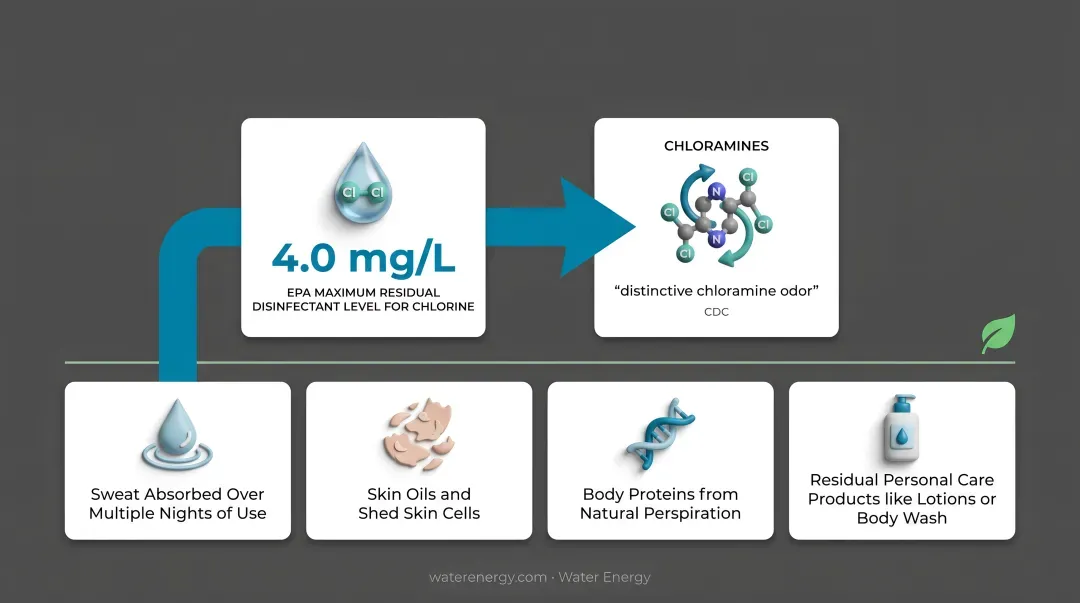
- Laundry residue: If you use too much detergent or fabric softener, your clothes might hold onto chemicals that react with your sweat. Try using an extra rinse cycle to ensure all soap is removed from your workout gear.
- Bacteria levels: Certain skin bacteria interact with sweat to create sharp, pungent odors. Using an antibacterial soap in the shower can help manage the surface population of these microbes.
- Environmental toxins: Exposure to specific cleaning products or chemicals in your workplace can sometimes cling to your skin and mix with your natural moisture.
Choosing the right adjustment

Deciding how to fix this depends on when you notice the smell and what you’re doing. If the scent only appears during heavy lifting or long runs, the cause is almost certainly your fuel source. In this case, increasing your intake of complex carbohydrates before your training session will likely stop the protein breakdown that leads to the ammonia smell.
If the smell happens during your daily routine, check your water intake first. If you’re already drinking enough water and the smell persists, it’s time to look at your diet or consult a physician. These issues are rarely combined; usually, addressing the fuel source or the hydration level will resolve the problem entirely.
Related guides
Frequently asked questions
How long does the smell last after a workout?
The smell typically fades within 30 to 60 minutes after your heart rate returns to normal and you have showered. If the scent lingers for several hours despite washing, it may suggest that the ammonia compounds are being excreted at a higher rate due to metabolic factors.
Is it safe to continue exercising when I smell this?
It’s generally safe if the smell only appears during intense effort, provided you feel otherwise healthy. However, if you feel dizzy, extremely fatigued, or notice the smell while resting, you should stop your training and consult a healthcare provider to check for underlying issues.
Does the type of laundry detergent matter?
Yes, using too much detergent can leave a residue on synthetic workout fabrics that reacts with your sweat. This reaction can create a harsh, chemical smell that mimics bleach, so try using half the recommended amount of soap and an extra rinse cycle for your gym clothes.
Can supplements cause sweat to smell like bleach?
Certain protein supplements, especially those with high concentrations of amino acids, can increase the ammonia byproduct in your sweat. If you notice the smell after starting a new powder or drink, try reducing the dose to see if the odor decreases over the next few days.
Why does my sweat smell worse on some days?
Your sweat odor varies based on your daily protein intake, your hydration status, and the intensity of your movement. If you eat a high-protein meal and then perform a very long workout while dehydrated, all these factors combine to make the ammonia scent much more noticeable.
Does this smell mean I have kidney damage?
It rarely indicates kidney damage, but it can be a sign that your kidneys are working hard to process excess nitrogen. If you’re worried about your kidney function, a simple blood test at your doctor’s office can check your creatinine and urea levels to provide clarity.
Conclusion
Start by tracking your carbohydrate intake and water consumption for three days to see if the scent decreases. If you notice a change, you have found your trigger and can adjust your routine accordingly. If the smell persists despite drinking more water and eating more carbohydrates, stop trying to fix it yourself and schedule an appointment with your primary care doctor to discuss your metabolic health.