
A heater smells like burning most often because dust has collected on the heating elements while the unit was idle. This smell typically fades after a few minutes of operation as the particles burn off. If the odor continues, feels sharp, or smells like melting plastic, you must turn the device off immediately and unplug it from the wall.
Turn off your heater if it smells

If you detect a burning smell, take these steps to prevent damage or fire:
-
Turn the power switch on the unit to the “off” position.
-
Unplug the power cord directly from the wall outlet. Never pull the cord itself; grip the plastic housing of the plug to avoid fraying internal wires.
-
Move the heater to a clear, open area away from curtains or furniture. If the unit feels hot to the touch, use an oven mitt or thick towel to protect your skin.
-
Allow the unit to cool down for at least 30 minutes before inspecting it. Opening the casing while internal components remain hot can lead to severe burns.
-
Check the power cord for any signs of heat damage or black marks near the plug. If the insulation appears melted or brittle, the unit is a permanent fire hazard and must be discarded.
Safety: Inside a mains-powered machine, the parts behind the outer cover can hold a dangerous electrical charge even after it has been unplugged — that’s why they sit behind a cover. Opening the housing, or testing or replacing anything behind it, is a job for a qualified technician, never a home repair.
Why that burning odor happens
The primary mechanism behind a burning smell in a space heater is the accumulation of household dust, pet hair, or lint on the internal heating coils. When you turn the heater on after a period of disuse, these organic particles heat up rapidly and incinerate, creating a temporary odor. This is a common occurrence at the start of the heating season.
Another mechanism involves electrical issues within the unit. If the wiring inside the heater becomes loose or the insulation begins to degrade, the heat generated by the electrical resistance can melt plastic components, such as the housing or internal wire coatings. This produces a pungent, acrid smell that’s distinct from the dusty scent of burning lint.
A third possibility is a blocked intake or exhaust vent. When air can’t flow freely through the unit, the internal temperature rises beyond the designed safety limits, causing internal parts to overheat.
According to the Consumer Product Safety Commission, you should always keep heaters at least 3 feet away from combustible materials to prevent the heat source from igniting nearby objects. If you’re unsure if the smell is just dust, assume the worst and keep the unit turned off.
Identifying the source of the smell
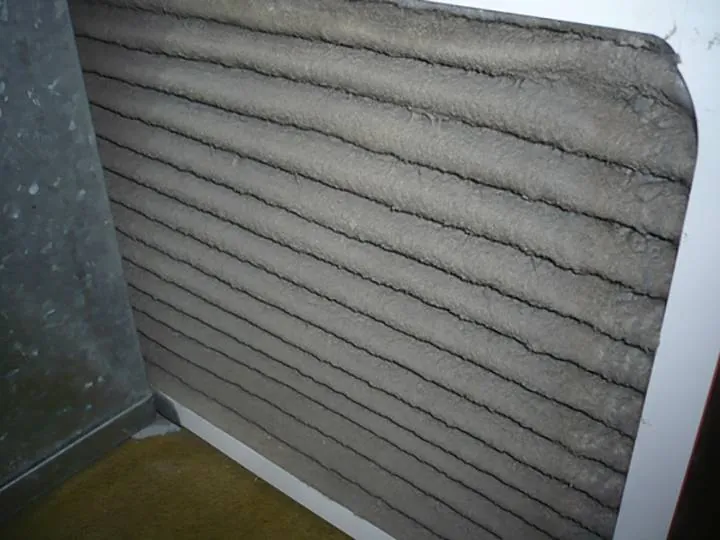
You can identify the cause by inspecting the unit after it has cooled.
Check the intake vents
Look for visible clogs of dust or pet hair blocking the air path. A clean vent allows air to flow through the heating element, keeping internal temperatures stable. If the vent is blocked, the heater will trap heat inside the casing, which can cause internal components to scorch or melt.
Inspect the power cord
Examine the entire length of the cord for soft spots, discoloration, or melting. A cord that feels warm to the touch while the heater is running indicates a poor connection or an overloaded circuit. Stop using the heater immediately if the cord shows any signs of damage or heat stress.
Smell the heating element
Carefully sniff near the grille while the heater is unplugged to isolate the odor. If the smell is concentrated near the elements, it’s likely just dust. If the smell is coming from the plastic housing or the control panel, it suggests an internal electrical fault that requires professional repair or replacement.
Look for debris inside
Peer through the grille to see if any foreign objects have fallen into the unit. Small items like hair ties, paper, or plastic bits can cause an intense burning smell. If you see debris, don’t poke tools inside; use a vacuum with a hose attachment to gently pull it out from the outside.
Fixing the burning odor
If the smell is caused by dust, the fix is simple: run the heater in a well-ventilated room for one hour. Open all windows to let the air cycle through, and keep a close watch on the unit. The smell should dissipate within 15 to 20 minutes as the dust burns away. If the odor doesn’t vanish after an hour of consistent operation, the cause isn’t simple dust and you should stop using the device.
If you find that the intake vents were blocked, use a vacuum cleaner with a soft brush attachment to remove the buildup. Don’t use compressed air, as this can push dust deeper into the sensitive electrical components. Once the vents are clear, the heater should run without overheating. A successful fix is indicated by the absence of any scent after the initial warm-up period.
Check the power cord for signs of melting or discoloration near the plug. If the plastic casing feels tacky or shows brown spots, the wiring is likely failing under load. Replace the unit immediately if you see these signs, as this indicates a fire hazard that cleaning can’t resolve.
If the burning smell returns during the next use, the internal components have likely suffered permanent heat damage. You must replace the unit to ensure your safety. Don’t attempt to open the casing to inspect the wiring yourself, as this can damage safety features and expose you to live electrical components.
When to stop the DIY approach

You must stop attempting to fix the heater if the smell persists after cleaning the vents or if you see melted plastic on the casing. Internal electrical repairs involve high-voltage components that present a significant shock risk even when the device is unplugged.
Never attempt to open the outer housing or access the internal wiring, as this can damage safety features and expose you to live electrical components. If you see discoloration on the plug prongs or the wall outlet, stop immediately. These signs indicate an arcing fault that can trigger a house fire within minutes.
If the heater is under warranty, contact the manufacturer for a replacement. If it’s out of warranty, you should recycle the unit. A professional technician is rarely cost-effective for small space heaters, as the price of labor often exceeds the cost of a new, safer unit. If the unit is more than five years old, don’t bother with repairs; internal components degrade over time, making a total replacement the only safe path forward.
Related guides
Frequently asked questions
Is it safe to keep using a heater that smells like burning?
No, you should never continue using a heater that smells like burning until you have identified the cause. While light dust often causes a temporary odor, a persistent or sharp smell indicates an electrical fault or blocked ventilation that could lead to a fire.
How do I know if it’s just dust or something else?
The smell of dust is usually faint and fades within 20 minutes of turning the unit on. A burning plastic smell is sharp, intense, and doesn’t go away, which indicates that internal wiring or housing components are melting due to an electrical short or severe overheating.
Can I spray the heater with water to stop the smell?
No, never use water to clean or cool down a heater. Introducing liquid into an electrical appliance creates a severe risk of electric shock and can permanently damage the internal heating elements, making the device dangerous to plug back into a wall outlet.
How long should the burning smell last?
The smell of dust should last no longer than 15 to 20 minutes during the first use of the season. If the odor lasts longer than this, or if it appears after the unit has been running for a while, the heater is likely overheating and needs to be turned off immediately.
Does it matter if the heater is old?
Yes, older heaters are more prone to electrical degradation and dust buildup. If your heater has reached the end of its typical service life, it’s often safer to replace it with a modern unit that includes built-in tip-over sensors and automatic overheat protection to prevent fire hazards.
What happens if I ignore the burning smell?
Ignoring the smell can lead to an electrical fire or the release of toxic fumes from melting plastic components. The heat can quickly spread to nearby furniture or curtains, and the internal electrical short may cause the power cord to spark or melt at the wall outlet.
Conclusion
If the scent lingers after you’ve cleaned away the surface dust, it’s best to contact a professional technician for a thorough inspection. Don’t take chances with your home’s safety if you’re unsure about the internal wiring. They’ll help you figure out if a part’s worn out or if it’s time for a replacement.