
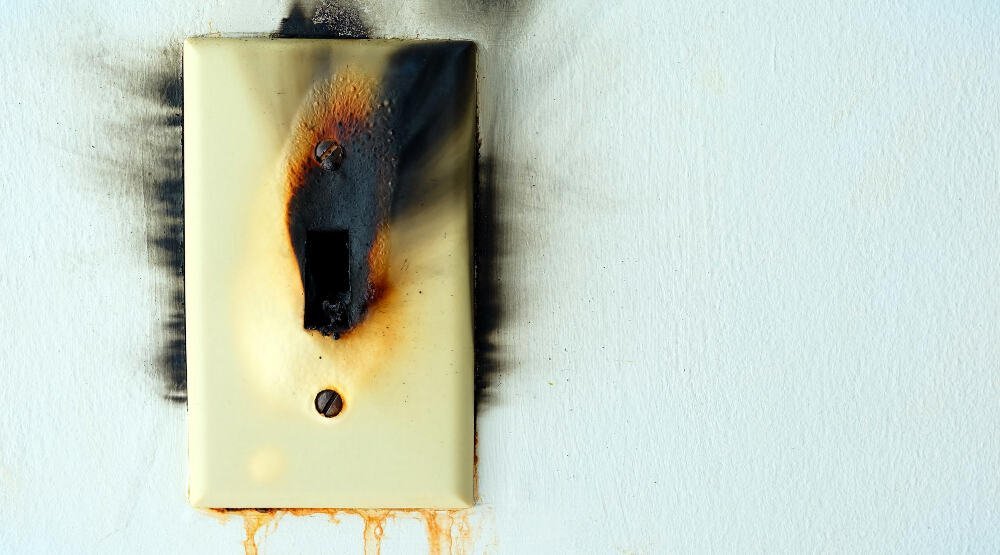
Discovering a persistent fish smell in house environments can be incredibly frustrating, especially when no seafood has been cooked recently. This odor is often a signal that something is amiss within your home’s systems, electrical wiring, or hidden spaces. Identifying the root cause is the first step toward remediation, as the scent is frequently linked to chemical reactions or localized decay rather than airborne particles from a kitchen. Understanding whether the smell is electrical, biological, or chemical will help you decide if you need a professional technician or if a simple cleaning task will resolve the issue.
Key Takeaways

- Check electrical outlets and circuit breakers immediately for signs of melting or charred plastic.
- Inspect your HVAC system for mold growth on coils or trapped organic debris in ducts.
- Look for dead rodents or pests in crawl spaces, wall voids, or behind large appliances.
- Verify that your plumbing traps are full of water to prevent sewer gas backflow.
- Use neutralizing agents like activated charcoal or white vinegar to manage lingering odors.
Is It An Electrical Problem?
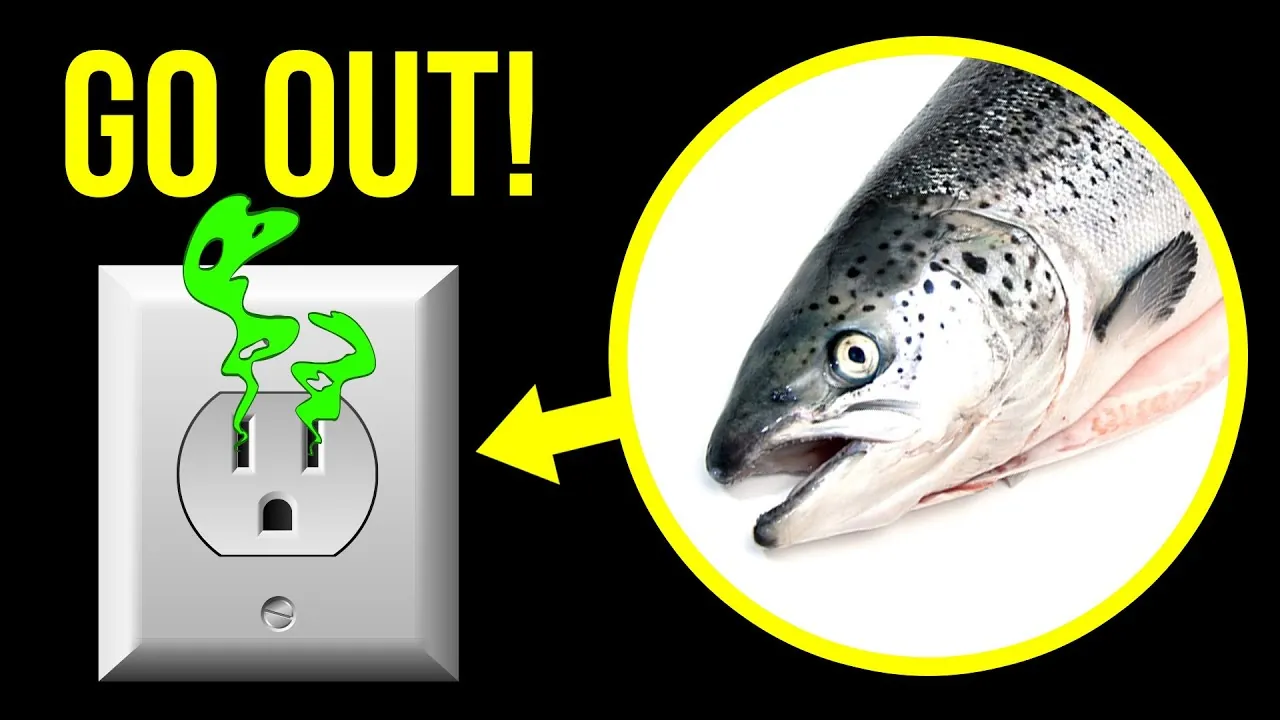
The most urgent cause of a fishy odor is often overheating electrical components. When plastic insulation on wires, circuit breakers, or outlet components reaches high temperatures, the chemical composition of the plastic—often flame-retardant resins—releases a distinct, pungent, fish-like smell. This is a significant fire hazard that requires immediate attention from a licensed electrician.
Warning: If you smell a strong fishy odor near a light switch, power outlet, or your electrical panel, turn off the main breaker immediately and contact a professional. Don’t ignore this symptom, as the U.S. Consumer Product Safety Commission identifies overheating electrical equipment as a leading cause of residential fires.
Signs of Electrical Overheating Causing Fish Smell in House
| Component | Visual Warning Sign | Action Required |
|---|---|---|
| Electrical Outlet | Discoloration or yellowing | Replace receptacle |
| Circuit Breaker | Flickering lights or buzzing | Call certified electrician |
| Power Cord | Melted plastic casing | Discard and replace |
| Light Fixture | Scorched plastic housing | Upgrade to LED bulbs |
Could It Be Your HVAC System?
If the smell is only present when your heating or cooling system is running, the issue likely resides within your HVAC unit. Dust, pet dander, or even small animals can become trapped in the ductwork. If moisture accumulates in these areas, mold and bacteria can grow, producing a stale, fishy, or mildew-like odor that circulates throughout your living space.
HVAC Inspection Checklist
- Dirty Evaporator Coils: These coils collect moisture and dust, creating a breeding ground for mold.
- Clogged Condensate Drain: Standing water in the drain pan can stagnate and smell foul.
- Ductwork Leaks: Pests or debris entering through gaps in the metal or flexible ducts.
- Dead Pests: Rodents nesting near the blower motor can die and emit strong odors.
Is It A Plumbing Issue?
Sewer gas can sometimes mimic the scent of rotting fish. Every drain in your home is equipped with a P-trap, a U-shaped pipe designed to hold a small amount of water. This water acts as a seal, preventing sewer gases from rising up through the drain into your home. If a sink or floor drain hasn’t been used in a while, the water in the trap can evaporate, leaving the pipe open to the sewer line.
Plumbing Troubleshooting Steps
- Pour two cups of water into every floor drain, basement drain, or unused guest sink.
- Check for loose or cracked toilet wax rings, which can allow gas to escape at the base.
- Ensure your plumbing vent stack on the roof isn’t blocked by bird nests or leaves.
- Inspect the “clean-out” plug in your basement or garage to ensure it’s tightly sealed.
Dealing With Dead Pests
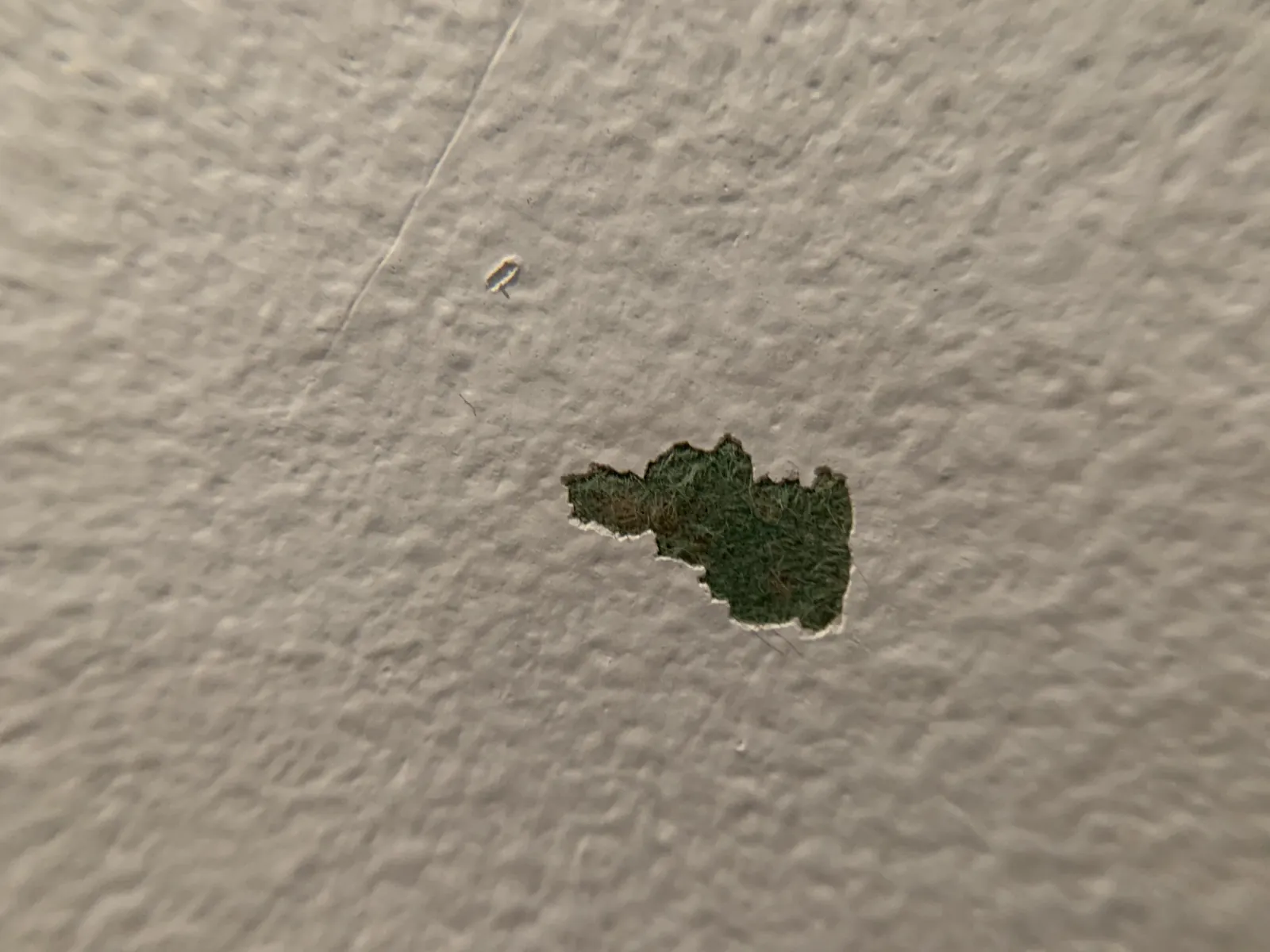
Sometimes the source is biological. Rodents, birds, or squirrels that find their way into attic insulation, wall voids, or crawl spaces may die, leading to a lingering, pungent smell. As the carcass decomposes, the odor is intense but typically fades over a period of weeks. If the smell is localized to one specific wall or ceiling area, you may need to have a pest control professional perform an inspection to remove the remains.
Pro Tip: If you suspect a dead pest in a wall, look for telltale signs like fly activity, small moisture stains on drywall, or sudden localized odor spikes during warmer weather.
Are Household Chemicals Responsible?
Certain household materials can off-gas when they interact with heat or humidity. Some types of composite wood flooring, spray foam insulation, or even specific carpet backings may release odors if they were manufactured with volatile organic compounds (VOCs). If you have recently renovated or installed new flooring, these materials could be the source of the fish smell.
Common Chemical Sources
- Formaldehyde-based resins used in cheap cabinetry or particle board.
- Flame retardants in older furniture or electronics.
- Cleaning agents mixed accidentally (e.g., ammonia and bleach, though this creates a different danger).
- New carpeting or synthetic rugs that haven’t finished off-gassing.
How To Neutralize The Odor
Once you have identified and addressed the root cause, you still need to remove the lingering scent from your home. Airing out the house is the first step, but you may need stronger tools to absorb trapped molecules in carpets, upholstery, and drapes.
Effective Odor Removal Methods
- Activated Charcoal: Place bags of charcoal in closets or near the affected area to naturally absorb odors.
- White Vinegar: Set out bowls of vinegar in the room overnight to neutralize airborne particles.
- Baking Soda: Sprinkle on carpets and upholstery, let sit for two hours, and vacuum thoroughly.
- Air Purifiers: Use a unit equipped with a high-quality HEPA filter and an activated carbon layer.
| Neutralizer | Primary Benefit | Best Use Case |
|---|---|---|
| Activated Charcoal | Odor absorption | Small, enclosed spaces |
| White Vinegar | Neutralizing acidity | General room deodorizing |
| Baking Soda | Surface treatment | Carpets and soft furniture |
| HEPA/Carbon Filter | Particle removal | HVAC-related odors |
When To Call A Professional
If you have checked your electrical outlets, flushed your drains, and inspected your HVAC system but the smell persists, it’s time to call in experts.
A professional technician has tools like thermal imaging cameras or air quality monitors that can detect hidden moisture, overheating wires behind walls, or mold colonies that aren’t visible to the naked eye. Don’t attempt to open electrical panels or tear into drywall unless you’re trained to do so, as you risk causing further damage or injury.
Frequently Asked Questions
Why does my house smell like fish suddenly?
A sudden fishy smell often indicates an electrical short or overheating component. When plastic wire insulation burns, it releases a chemical odor that mimics rotting fish. If the smell appears suddenly, prioritize checking your electrical panel, outlets, and light switches for signs of scorching or melting. If no electrical issues are found, consider if a drain trap has dried out or if a pest has died nearby.
Is a fishy smell in the house dangerous?
Yes, it can be. If the odor is caused by melting electrical insulation, it’s a precursor to a potential house fire. If the odor is caused by sewer gas, it indicates a breach in your plumbing system that could allow methane gas into your home. Always treat a persistent, unidentifiable smell as a potential hazard until you have confirmed a benign cause like a drying drain.
Can mold cause a fishy smell?
Yes, certain species of mold and mildew produce volatile organic compounds that have a musty, damp, or fish-like odor. This often happens in dark, humid environments like HVAC ducts, basements, or behind bathroom vanities. If you detect the smell near vents or in damp corners, inspect the area for visible mold growth and ensure your home’s humidity levels remain below fifty percent.
How do I find a dead mouse in my wall?
Locating a dead rodent can be difficult because the smell often permeates through small gaps in the drywall or electrical outlets. Focus on the area where the smell is most intense. Look for signs of fly activity or moisture staining. If you can’t find the source, you may need a pest control professional to use specialized equipment like fiber-optic cameras to locate and remove the carcass.
What should I do if the smell is near my stove?
If the smell is concentrated near your stove, it could be related to the electrical wiring behind the appliance or a buildup of grease in the vent hood. First, inspect the hood filter; old, rancid grease can smell surprisingly like rotting fish. If the filter is clean, unplug the stove or turn off its dedicated circuit breaker to see if the scent dissipates, indicating an electrical issue.
Conclusion
If you have systematically checked your electrical connections, verified your plumbing traps are full, and ensured your HVAC system is clean, the odor is likely trapped in porous surfaces. Your next step is to deep clean your carpets and soft furnishings with a high-quality enzymatic cleaner or hire a professional upholstery cleaning service to remove any remaining microscopic particles.