
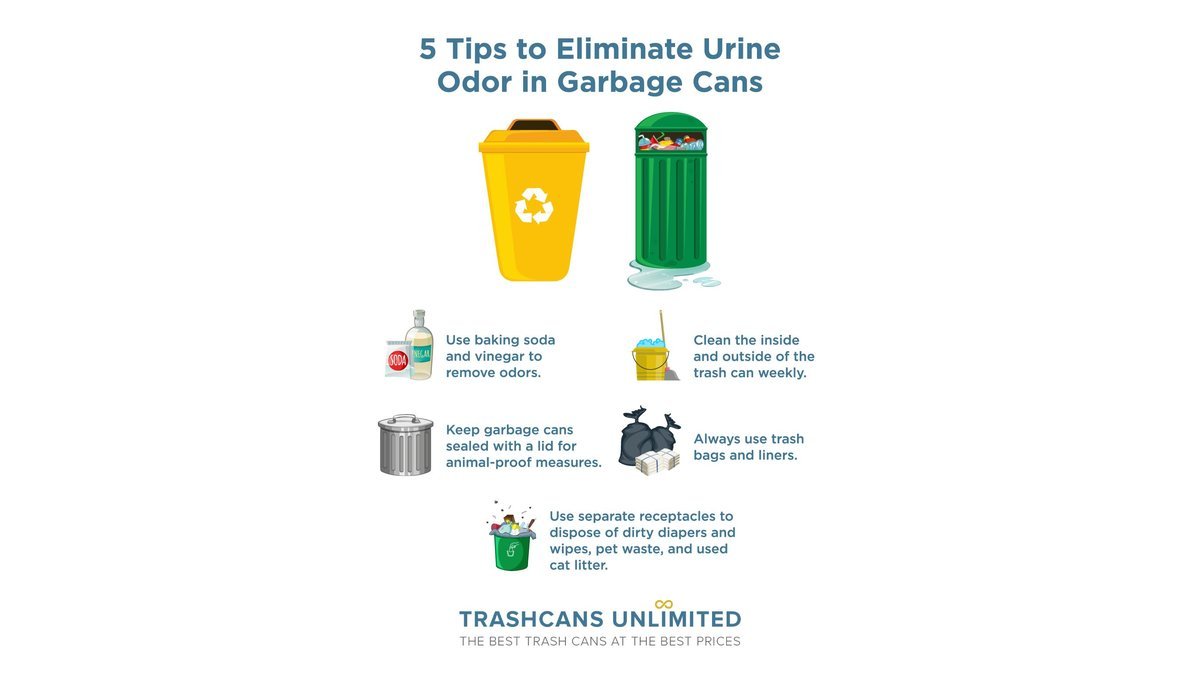
Dealing with a foul-smelling bin is a common household frustration, but effective garbage can smell removal is surprisingly straightforward once you identify the source of the odor. Whether you’re battling the remnants of last week’s fish dinner or a leaky trash bag that left a sticky residue at the bottom of your plastic container, the process involves deep cleaning, disinfecting, and proactive odor management. Understanding how to neutralize these smells quickly saves you time and keeps your kitchen environment hygienic for your family.
Key Takeaways
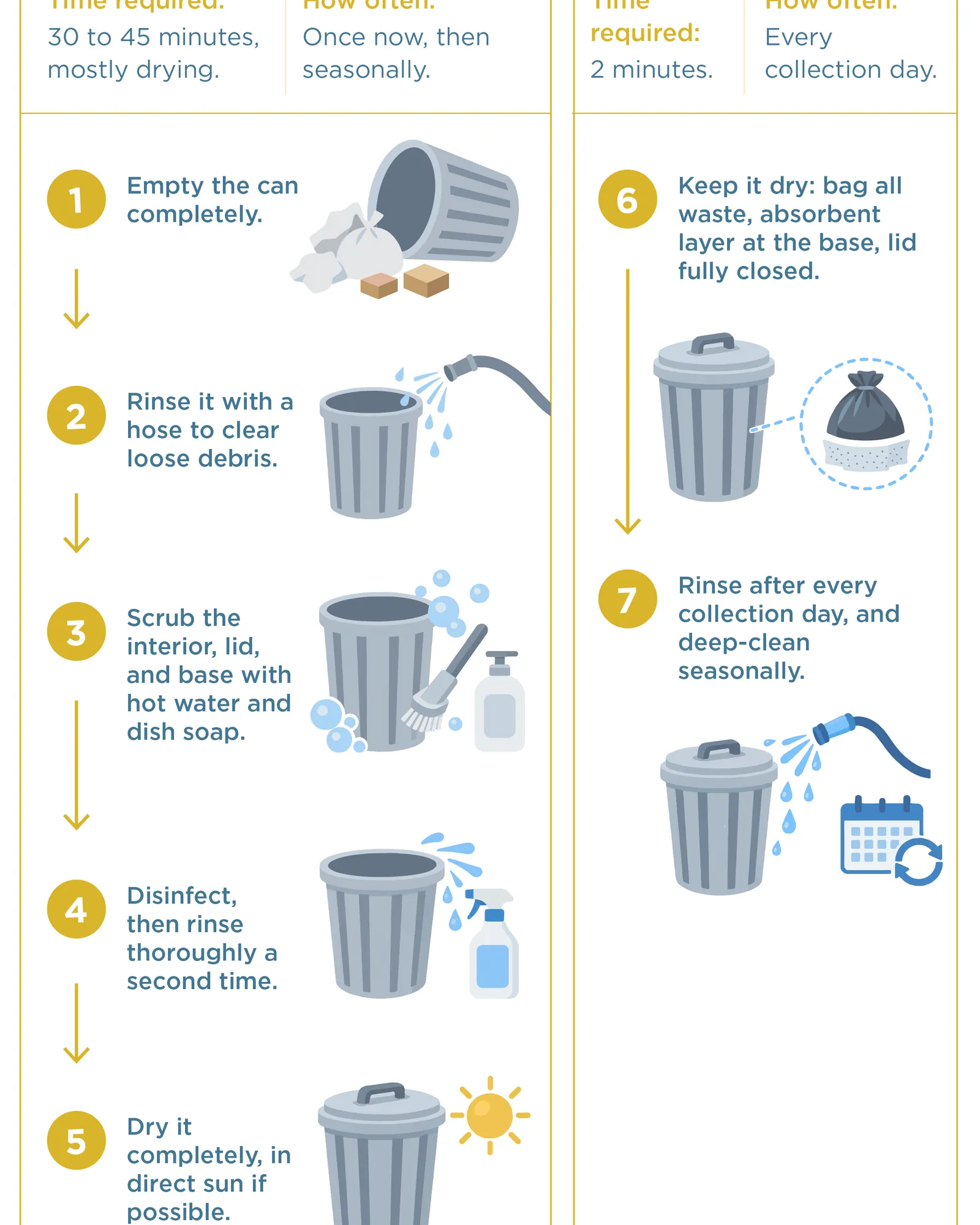
- Empty your bin completely and rinse it with hot water to remove visible debris.
- Use a solution of white vinegar and water to neutralize acidic odors safely.
- Apply baking soda to the base of the bin to absorb moisture and smells.
- Ensure your bin is thoroughly dry before inserting a new liner to prevent mildew.
- Place absorbent materials like activated charcoal at the bottom to maintain freshness.
Why Do Garbage Cans Smell?
The primary cause of persistent odors is the accumulation of organic matter that decomposes inside the bin. Liquid spills from leaking bags often collect in the crevices or the bottom of the container, creating a breeding ground for bacteria and mold. Even if you remove the bag, these microscopic particles remain, continuing to release volatile organic compounds that create a pungent, lingering scent.
Essential Cleaning Supplies
To tackle the grime effectively, you need a few basic household items that are both affordable and powerful. Avoid harsh chemicals that might damage the plastic or leave behind a synthetic, cloying fragrance.
| Supply Item | Purpose | Frequency |
|---|---|---|
| Distilled White Vinegar | Neutralizes alkaline odors | Weekly |
| Baking Soda | Absorbs moisture and scents | Monthly |
| Dish Soap | Cuts through grease/residue | As needed |
| Scrub Brush | Removes dried-on particles | Deep clean |
| Bleach Solution | Disinfects surfaces | Quarterly |
How to Deep Clean Your Bin
Start by taking the bin outside or into a walk-in shower. Spray the interior and exterior with a mixture of dish soap and hot water. Use a long-handled scrub brush to reach the corners and the bottom, where bacteria often hide. Rinse the bin thoroughly with a garden hose or high-pressure showerhead to ensure no soap residue remains.
Warning: Always wear rubber gloves when scrubbing the inside of a trash bin to avoid contact with bacteria or mold spores that may have accumulated over time.
Neutralizing Persistent Odors
Once the bin is clean, you must address lingering smells. Vinegar is an excellent choice for this because it’s acidic and effectively breaks down the chemical structure of many common trash odors. Wipe the interior with a cloth soaked in a 1:1 mixture of water and white vinegar.
Let it sit for ten minutes, then rinse again. For stubborn smells, baking soda is your best friend. Sprinkle a generous layer at the bottom of the clean, dry bin to act as a long-term desiccant.
How Often Should You Clean?
A consistent cleaning schedule is the most effective way to prevent smells from becoming unmanageable. If you wait until you notice a scent, the bacteria count is likely already quite high.
| Cleaning Type | Schedule | Effort Level |
|---|---|---|
| Quick Rinse | Every bag change | Low |
| Full Deep Clean | Every 2-4 weeks | Moderate |
| Sanitizing Treatment | Every 3 months | High |
Best Odor-Absorbing Materials
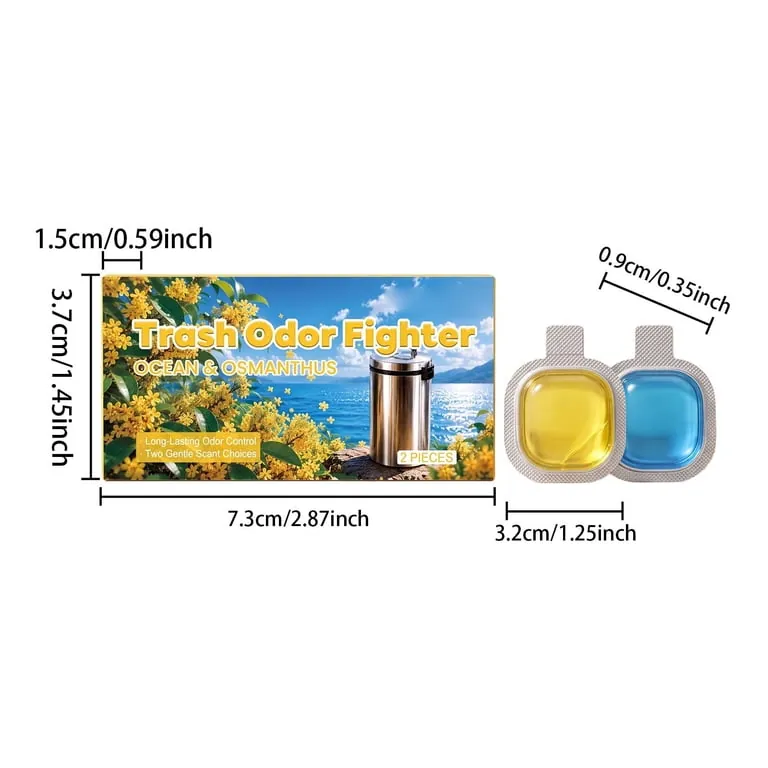
If you find that your bin produces odors despite regular cleaning, you may need to introduce passive odor-absorbing materials. These substances trap molecules before they can escape into your kitchen air.
- Activated Charcoal Bags: These are highly porous and excellent at trapping gas molecules.
- Baking Soda: A classic, cheap, and effective way to keep the base of the bin dry.
- Cat Litter: Use a non-clumping variety to absorb liquids and moisture at the bottom of the container.
- Essential Oil Cotton Balls: Place a cotton ball soaked in tea tree or lemon oil at the bottom for a natural scent boost.
Preventing Future Odor Buildup
The most effective strategy for garbage can smell removal is prevention. Never throw wet waste directly into the bin without a bag. If you have food scraps, consider using a separate, smaller compost bin or wrapping the waste in newspaper to absorb moisture before it enters the main trash receptacle.
Dealing With Leaks and Spills
When a bag tears, don’t simply wipe the surface. You must treat the area to kill the bacteria causing the smell. Use an enzymatic cleaner if the spill involved meat or dairy, as these substances break down into particularly foul-smelling compounds.
Spray the area, let it sit for the duration recommended on the bottle, and scrub thoroughly. If the bin is old and the plastic has become porous, it may be time to replace it, as deeply embedded odors can be impossible to fully remove.
Pro Tip: Line the bottom of your bin with a few layers of newspaper or a dedicated absorbent pad before inserting your trash bag to catch any potential leaks before they hit the plastic.
The Role of Bin Liners
Choosing the right trash bags makes a massive difference. Thin, cheap bags are prone to tearing, which leads to the very spills that cause smells. Look for bags with reinforced bottoms or those labeled as “puncture-resistant.” If you have a large family, opt for heavy-duty liners that can handle the weight of wet waste without stretching or breaking.
Can You Use Bleach?
Bleach is an effective disinfectant, but it should be used carefully. A solution of one-quarter cup of bleach per gallon of water is sufficient to kill surface bacteria. Never mix bleach with ammonia or vinegar, as this creates toxic gases. Always rinse the bin thoroughly after using bleach to ensure your next bag doesn’t come into contact with residual chemicals that could degrade the plastic or create a harsh, lingering chemical smell.
Troubleshooting Common Issues
If the smell persists, check these three common culprits:
- Lid Seals: If your bin has a rubber gasket, it can trap rotting food particles. Remove the gasket, soak it in hot soapy water, and scrub the groove it sits in.
- Exterior Grime: Sometimes the smell is on the outside of the bin, especially near the handles or the foot pedal. Wipe the exterior down every time you clean the interior.
- Ventilation: If your bin is kept in a small, enclosed cupboard, moisture can build up. Consider installing a small vent or keeping the cupboard door slightly ajar when possible.
Related guides
- Dog Smells Like Fish From Back End: Causes and Solutions
- How to Get Polyurethane Off Hands: Safe Removal Methods in 2026
- How to Remove JB Weld: Proven Removal and Cleaning Methods in 2026
Frequently Asked Questions
Is it safe to use vinegar on all trash cans?
Yes, white vinegar is generally safe for plastic, metal, and stainless steel bins. It’s a mild acid that effectively neutralizes odors without damaging the integrity of the bin material. However, if you have a high-end stainless steel bin, ensure you rinse it thoroughly with water after using vinegar to prevent any potential spotting or dulling of the finish over time.
How do I get rid of maggots in the trash?
If you find maggots, the most effective method is to empty the bin and use boiling water to kill them instantly. After the initial shock, scrub the bin with a strong disinfectant or a vinegar solution to remove the eggs. Ensure the bin is completely dry before reuse, as moisture is the primary environment that attracts flies to lay their eggs in the first place.
Should I use scented trash bags?
Scented bags are designed to mask odors rather than eliminate them. While they can make a bin smell better temporarily, they don’t address the root cause of the smell, which is bacterial growth. It’s usually better to use unscented, high-quality bags and focus on keeping the bin itself clean and dry, rather than relying on synthetic fragrances to cover up potential sanitation issues.
Can I put baking soda directly in the bin?
Yes, sprinkling baking soda directly at the bottom of the bin is a highly effective way to manage odors. It works by absorbing moisture and neutralizing acidic smells. It’s particularly useful if you frequently dispose of food waste. Just remember to dump out the old baking soda and replace it whenever you perform a deep clean or if the powder becomes clumped with moisture.
Does leaving the lid open help?
Leaving the lid open can help reduce moisture buildup by allowing air to circulate, which inhibits the growth of mold and mildew. However, this may attract pests like flies or rodents. A better solution is to ensure your trash is dry before it goes in the bin and to use a well-fitting lid to keep pests out while maintaining a regular cleaning schedule to manage any inevitable odors.
Conclusion
Taking control of your kitchen waste management is the best way to ensure your home remains fresh and inviting. By following this systematic cleaning routine and incorporating simple odor-absorbing habits, you can eliminate lingering smells for good. Start by deep cleaning your bin this weekend using the vinegar and scrubbing methods outlined above to create a baseline of cleanliness in your home.