
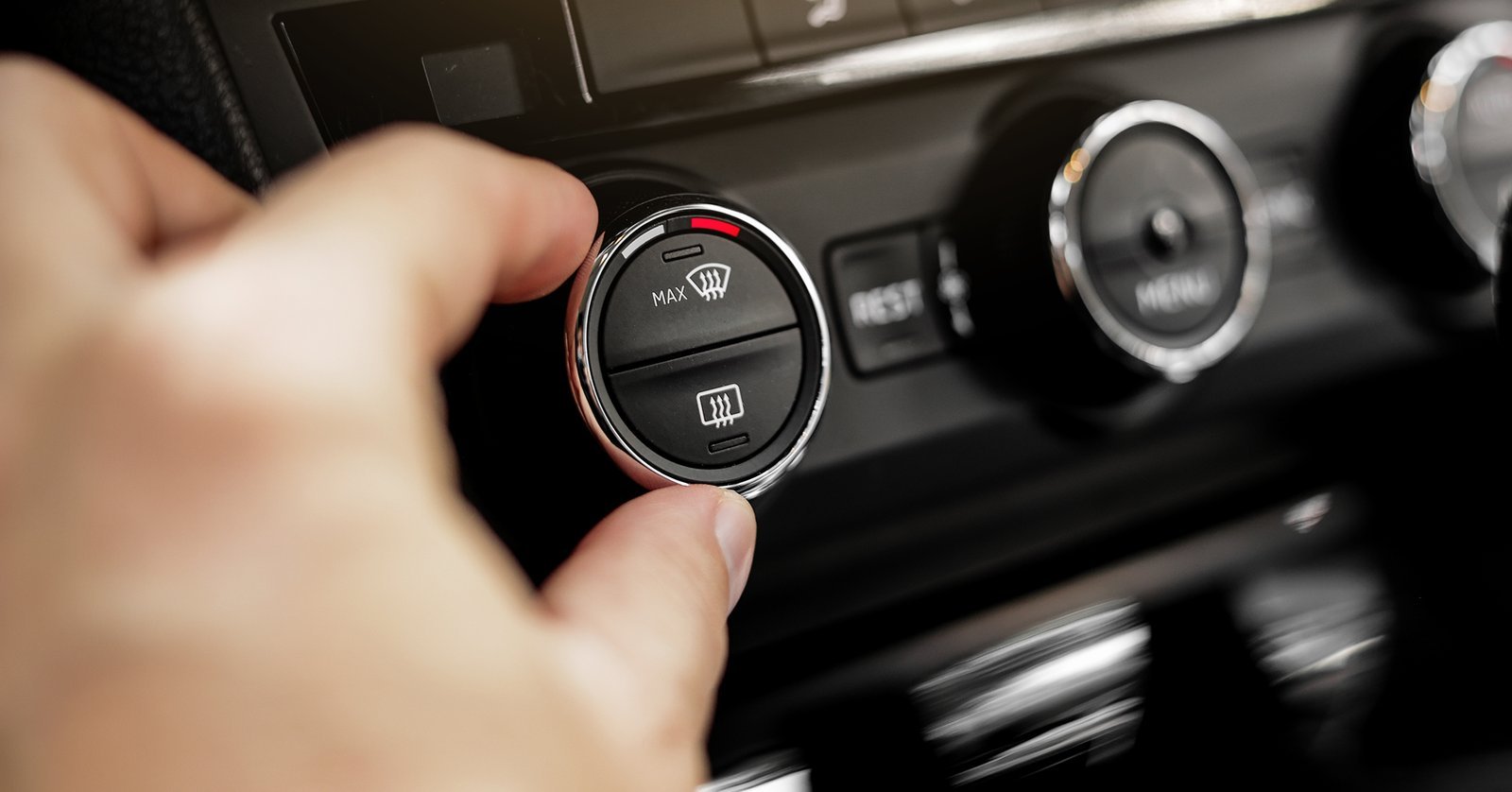
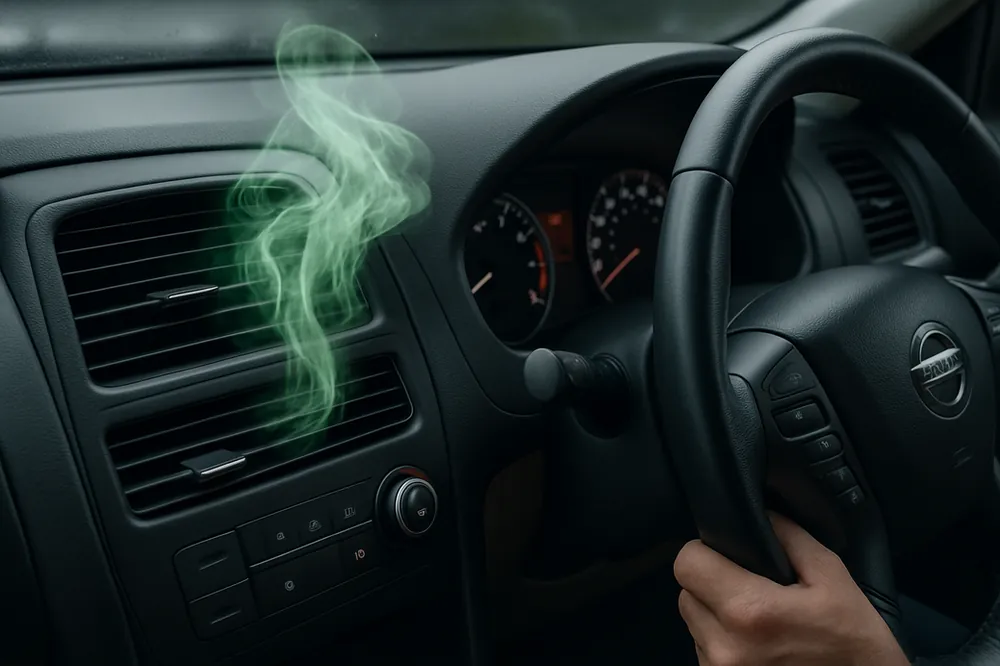
A sweet, syrupy scent inside your vehicle often means that a car smells like antifreeze due to a leak in the heater core or a cooling system component. This odor comes from ethylene glycol or propylene glycol, which are the main chemicals in engine coolant. When this fluid escapes a closed loop, it turns into a vapor that your ventilation system pulls directly into the cabin.
Why your car smells like antifreeze
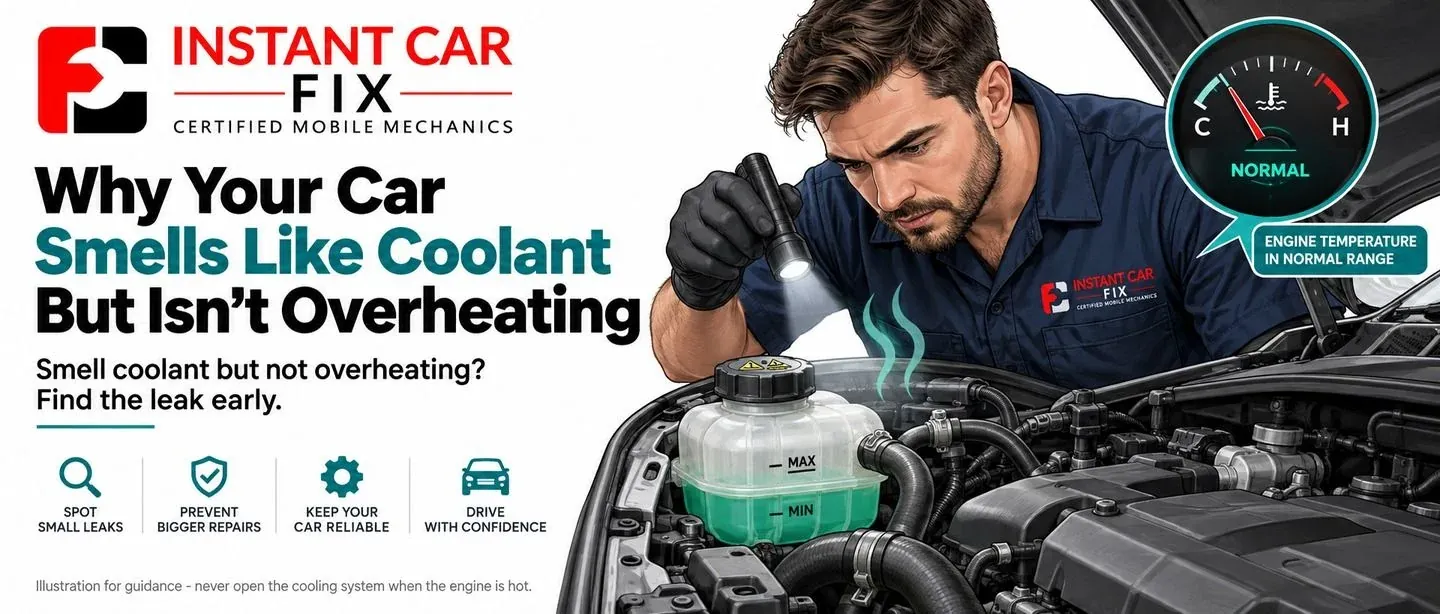
Identifying where coolant is escaping helps you decide if you can manage the situation or if you need professional help. The following table outlines common sources of these odors and how they typically present to a driver.
| Source | Best for identifying | Concrete example |
|---|---|---|
| Heater core | Internal cabin leaks | Foggy windshield inside |
| Radiator hose | External engine leaks | Puddle under front bumper |
| Water pump | Mechanical seal failure | Wetness near engine belts |
| Expansion tank | Reservoir crack detection | Low coolant warning light |
| Radiator cap | Pressure release testing | Steam from front grille |
Heater core failure
A heater core is a small radiator located behind your dashboard that provides heat to the cabin. If this part develops a pinhole leak, the pressurized coolant sprays or drips into the ventilation ducts. This is the most common cause of a sweet smell that appears immediately after you turn on your heater.
- Sweet, sugary odor that gets stronger when the defroster is active.
- Persistent fog or condensation on the inside of the windshield that’s hard to wipe away.
- Wet carpet or damp floor mats on the passenger side of the vehicle.
- Noticeable loss of engine coolant levels without any visible puddles under the car.
If you see steam coming from your vents, turn off the heater immediately to avoid hot liquid burns. A leaking heater core requires taking the dashboard apart, which is a job for a professional mechanic.
Radiator hose leaks
Radiator hoses carry hot coolant from the engine to the radiator to keep temperatures stable. These rubber components degrade over time due to high heat and constant pressure cycles, leading to cracks or loose clamp connections. If a hose fails, coolant sprays onto hot engine parts and vaporizes, which the air intake then pulls into the cabin.
- Visible white or green crusty residue around the ends of the rubber hoses.
- A faint smell of coolant that’s most noticeable when the engine is idling.
- Small, localized puddles of brightly colored fluid appearing on the garage floor.
- Engine temperature gauge rising higher than the normal operating range during traffic.
If you find a loose clamp, you can sometimes tighten it with a screwdriver. However, if the rubber itself is cracked, the hose needs replacement. Always wait for the engine to cool completely before touching any cooling system parts to prevent severe thermal injuries.
Water pump issues
The water pump circulates coolant throughout the engine block to prevent overheating. It uses a mechanical seal to keep fluid inside, and when this seal wears out, coolant leaks out near the front of the engine. Because this area is near the spinning belts, the fluid often gets sprayed across the engine bay, creating a widespread smell.
- Whining or grinding noises coming from the front of the engine block.
- Puddles forming directly under the center of the engine rather than near the radiator.
- Visible fluid droplets on the underside of the engine or on the accessory belts.
- Engine overheating quickly because the pump can no longer maintain flow.
Replacing a water pump is complex because it often requires removing timing belts or drive pulleys. If your engine is running hot, don’t drive the vehicle, as the Environmental Protection Agency warns that improper handling of coolant poses risks to both your health and the local environment.
Expansion tank cracks
The expansion tank, or coolant reservoir, is a translucent plastic container that holds extra fluid for the system. Plastic becomes brittle over time from constant heat exposure, leading to hairline cracks that allow fluid to seep out slowly. This leak is often slower than a hose failure, meaning the smell may come and go based on the engine’s temperature.
- Visible hairline fractures on the plastic surface of the reservoir tank.
- Low coolant level alerts on your dashboard display despite regular top-offs.
- Stains or dried coolant residue visible on the exterior walls of the tank.
Check the level only when the engine is completely cold. If the tank is cracked, it must be replaced, as a cooling system can’t maintain the necessary pressure to prevent boiling if the reservoir can’t hold a seal.
Other potential sources
- Radiator cap: A faulty seal on the pressure cap allows steam to escape from the top of the radiator. If the cap rubber looks flattened or cracked, it can no longer hold the pressure needed to keep the coolant from boiling over.
- Intake manifold gasket: A leak here can allow coolant to enter the combustion chamber or leak externally. This often results in white smoke from the tailpipe and a smell of burning coolant that’s sharper than a standard leak.
How to choose the right repair
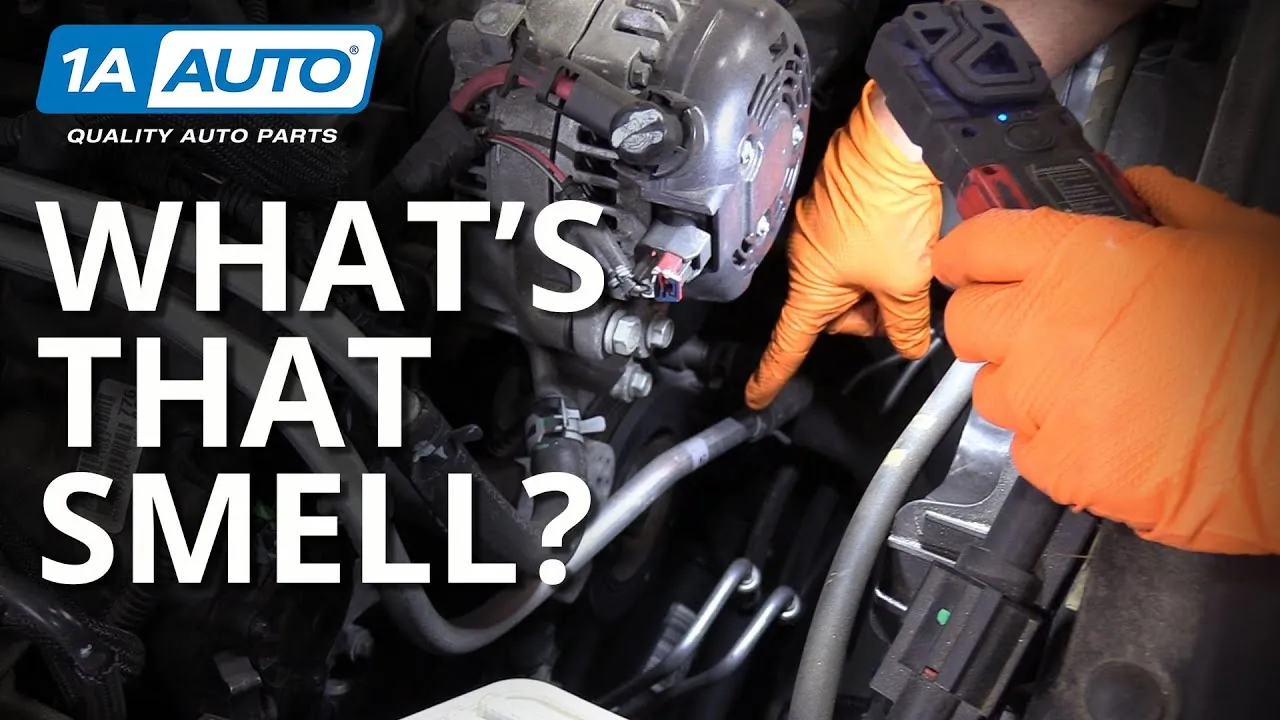
You can narrow down the cause by checking where the fluid is located. If you smell the odor inside the car and notice fog on your windows, the problem is likely the heater core. If the smell is stronger outside the car or you see puddles under the engine, focus your search on hoses, the water pump, or the radiator itself.
If you find a puddle, check the color; green, orange, or pink fluids are typical for coolant. If the fluid is clear or oily, it might be water from the air conditioner or engine oil. These issues are generally separate; a leaking heater core requires a major interior repair, while external engine leaks are typically handled by a mechanic specializing in cooling systems.
Related guides
Frequently asked questions
Is it safe to drive my car if it smells like antifreeze?
No, you shouldn’t drive the vehicle if the smell is strong or the engine temperature gauge is rising. Driving with a cooling system leak can lead to sudden engine overheating, which causes catastrophic internal damage. Check your coolant level and temperature gauge before moving the car.
Can I just add more coolant to fix the smell?
No, adding coolant only masks the symptom without fixing the leak. The leak will likely grow larger over time, eventually causing the engine to overheat and fail. You must identify and repair the source of the leak to stop the smell permanently.
How long does it take to fix a heater core leak?
Replacing a heater core usually takes a professional technician between 4 and 8 hours of labor. This time varies based on the vehicle model, as some cars require the entire dashboard to be removed to access the core. Don’t attempt this unless you have specialized training.
Why is my windshield foggy inside when the heater is on?
Your windshield is foggy because leaking coolant vapor is condensing on the cool glass surface. This happens when the heater core leaks into the ventilation system. If you see this fog, it’s a sign that your cabin air is being contaminated with coolant chemicals.
Does it matter what color the coolant is?
Yes, the color helps you identify the type of coolant your vehicle uses, such as OAT or HOAT formulas. Never mix different colors or types of coolant, as this can cause chemical reactions that clog your radiator. Always check your owner’s manual for the specific fluid type required.
How much does it cost to fix a leaking radiator hose?
The cost is generally affordable compared to other repairs, depending on the specific hose and your vehicle’s labor rates. Most of this price is labor, as the hoses themselves are relatively inexpensive. You can find the exact part cost for your specific make and model through your local auto parts store.
Conclusion
Start by checking your coolant reservoir level when the engine is cold to see if it’s below the minimum line. If the level is low, look for visible wet spots or crusty residue around the radiator and hoses to find the source. If you can’t find a leak but the smell persists, take the car to a professional mechanic immediately to prevent engine damage.