

The most common reason your air vent smells bad is the buildup of dust, debris, and moisture inside your ducts, which encourages mold and mildew to grow. It’s generally safe to keep using your system if the smell is faint and doesn’t cause you physical discomfort. To confirm the cause, pull off the vent cover and inspect the interior with a flashlight for visible signs of dark spots or damp, caked-on dust.
Why your vent smells bad
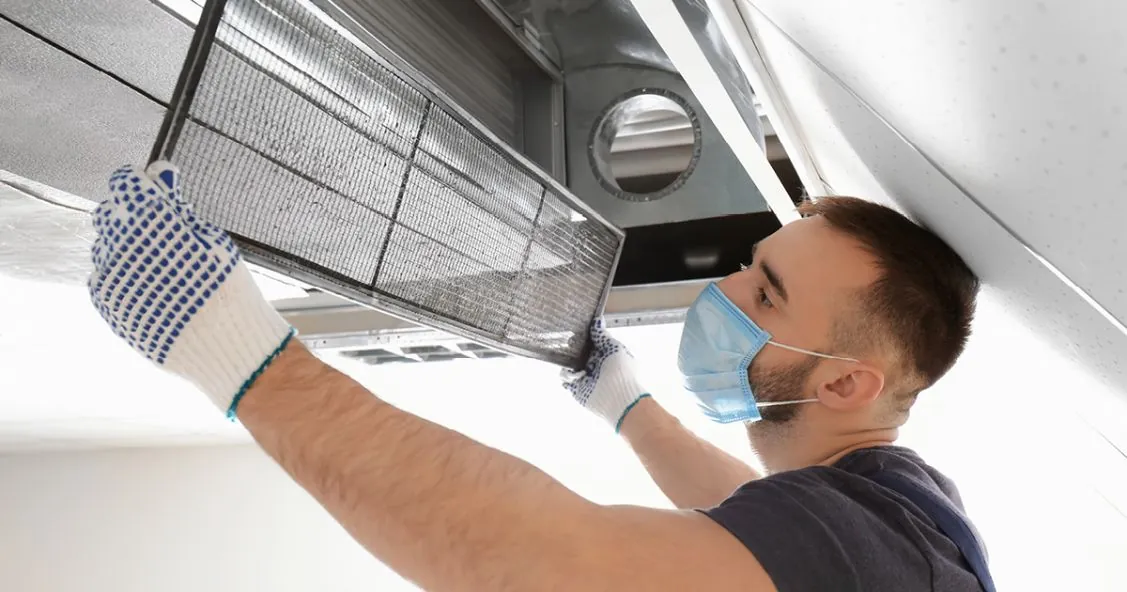
You can usually identify the source of the smell by comparing what you notice with common household issues. While some odors come from the ventilation system itself, others originate from nearby components like the furnace or the evaporator coil.
| What you notice | What it usually means | What to do first |
|---|---|---|
| Damp, musty scent | Mold or mildew growth | Check for water leaks |
| Rotten egg smell | Gas line leak | Turn off gas immediately |
| Burning plastic | Electrical wiring issue | Shut off power supply |
| Sour or acidic smell | Dirty evaporator coil | Clean the coil unit |
| Pet or dead animal | Rodent in ductwork | Inspect for blocked vents |
| Stale, dusty air | Clogged air filter | Replace the filter |
If the smell persists only when the heat kicks on, the issue is likely a dirty heat exchanger or dust burning off the heating elements. If the odor is constant regardless of the system state, check the floor drains or plumbing traps near the unit. A dry P-trap allows sewer gas to bypass the seal and enter your home through the return air.
Many homeowners mistake a burning smell for a failing motor when it’s actually just a plastic toy or debris trapped against the furnace blower. Before calling a technician, pull the blower panel to inspect for physical obstructions. If you smell ozone, stop the system immediately, as this indicates electrical arcing that creates a fire hazard within the system.
Mold and mildew growth
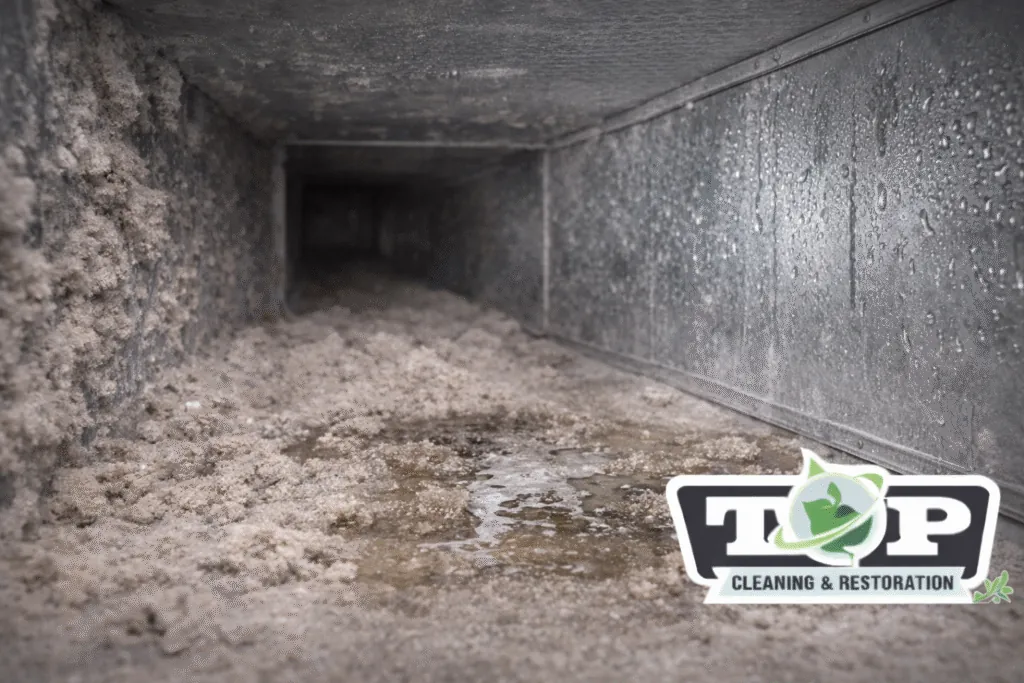
The primary cause of a musty smell is the accumulation of moisture within the HVAC system. When your air conditioner runs, it pulls humidity from the air, which collects on the cooling coils. If the drain pan is blocked or the condensate line is clogged, water sits stagnant and creates the perfect environment for mold. You can confirm this by checking the drain pan under your indoor unit for standing water or a slimy residue.
If you find water, clear the drain line using a wet-dry vacuum or a dedicated drain cleaning tool. You should also replace your air filter, as a dirty one restricts airflow and increases condensation on the coils.
If the smell persists after cleaning, the mold may be deeper inside the blower assembly. In this case, consult a technician to perform a professional duct cleaning. If the system is running, you’ll notice the smell decrease significantly once the standing water is removed and the area begins to dry out.
Dirty evaporator coils
A sour or vinegar-like smell often points to a dirty evaporator coil inside your air handler. Over time, these coils collect dust and organic particles that react with moisture to produce odors. If you have a high-efficiency system, the Environmental Protection Agency suggests that cleaning these components is essential to maintaining good indoor air quality.
You can check the coil by opening the access panel on your air handler unit; if you see a thick layer of grey or black fuzz on the metal fins, this is your culprit.
To fix this, use a store-bought, no-rinse coil cleaner spray designed specifically for HVAC equipment. Spray the coils thoroughly and let the cleaner drip into the drain pan as the unit runs.
If the coils are physically damaged or extremely corroded, a simple cleaning may not solve the problem. You’ll know the cleaning worked if the sour smell fades within 24 hours of application. If the scent returns quickly, you likely have a persistent moisture issue that requires a professional inspection.
Clogged air filters and dust
A stale or dusty smell is often caused by a filter that has reached the end of its life. When a filter becomes saturated with particles, the system struggles to pull air through it, and the accumulated dust begins to break down or release odors into the stream.
Check your filter based on your specific usage patterns and refer to the owner’s manual for the recommended replacement frequency. If the filter looks grey or blocked when held up to a light source, it’s time for a replacement.
If you change the filter and the smell remains, the dust might be trapped further down in the supply vents. You can remove the vent grilles and vacuum the accessible areas with a long-reach hose attachment. If you find large clumps of debris, it’s a sign that the entire duct network needs a professional cleaning. A properly functioning filter should be replaced according to your home’s air quality and occupancy, as specified in the owner’s manual.
When to call a professional
You should stop DIY efforts and contact a certified HVAC technician if you encounter signs of a system failure. The following conditions indicate that the problem is beyond standard maintenance:
The smell of rotten eggs or sulfur, which often signals a dangerous natural gas leak. If you detect this odor, shut off the gas supply at the main valve immediately and leave the premises before calling for help.
Visible signs of electrical charring or smoke coming from the unit, indicating a fire hazard. Don’t attempt to reset the breaker, as this can cause a secondary surge that destroys the control board.
Water leaking from the ceiling or wall near the vents, suggesting a major pipe or drain failure. This often indicates a collapsed secondary drain line that requires specialized suction tools to clear.
Evidence of rodent infestation, which requires professional remediation to prevent disease and damage.
If you aren’t comfortable opening the air handler or handling chemicals, stop immediately to avoid damaging the delicate fins or voiding your equipment warranty. Always hire a licensed professional for any work involving gas lines or electrical components. Professionals carry the specialized diagnostic tools required to measure refrigerant pressure, a task that carries significant risk of frostbite if attempted without proper training.
Related guides
- Can You Use Oil Based Primer Over Latex Paint? The Fix in 2026
- How to Remove Gorilla Glue From Wood: A Simple Step-by-Step Fix in 2026
Frequently asked questions
Can a bad smell in vents make you sick?
A bad smell in your vents can cause headaches or respiratory irritation if it’s caused by mold spores or chemical fumes. If you feel dizzy or notice breathing issues, turn off the system and leave the room immediately to get fresh air.
How long does it take for the smell to go away?
The smell usually fades within 24 to 48 hours after you remove the source of the odor. If you have cleaned the filters and coils but the smell remains after two days, there may be hidden mold or a dead pest further inside the ductwork.
Is it safe to use a room deodorizer in the vent?
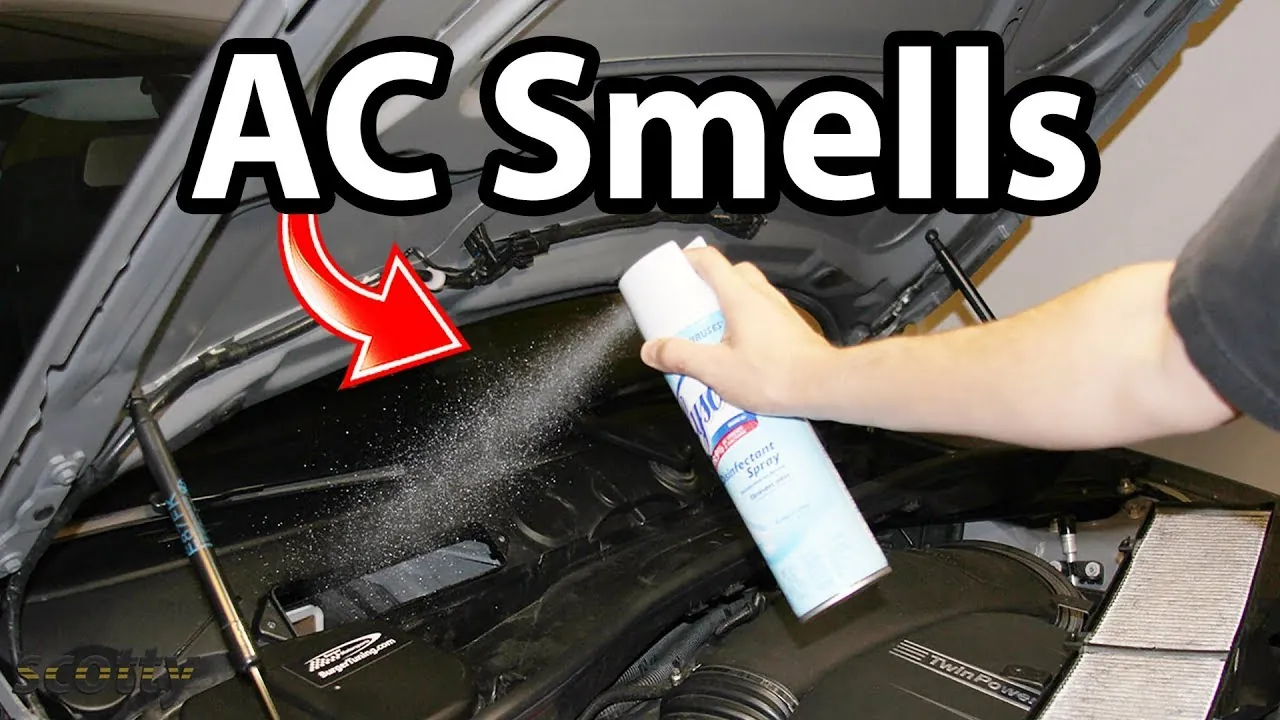
It isn’t recommended to use room deodorizers or sprays inside your vents because they can coat your coils with residue. This residue actually attracts more dust and dirt, which makes the smell worse over time and forces your system to work harder.
What happens if I ignore the smell?
Ignoring a vent odor can lead to deeper mold colonization or a complete failure of your blower motor. If the cause is a gas leak or electrical short, ignoring the warning signs can lead to a house fire or carbon monoxide poisoning.
How often should I clean my air ducts?
You should consider a professional duct cleaning every 3 to 5 years if you notice persistent smells or heavy dust accumulation. If you have pets, suffer from allergies, or have recently completed home renovations, you may need to clean them more frequently to maintain airflow.
Does a new filter fix a bad smell?
A new filter will only fix the smell if the odor was caused by a dirty, clogged filter trapping dust. If the smell is caused by mold on the coils or a gas leak, replacing the filter won’t solve the underlying issue.
Conclusion
If odors persist after replacing the filter and cleaning visible coils, the issue likely resides in the main ductwork or blower unit. Contact a professional technician to perform a deep cleaning and restore your system to a healthy state.