
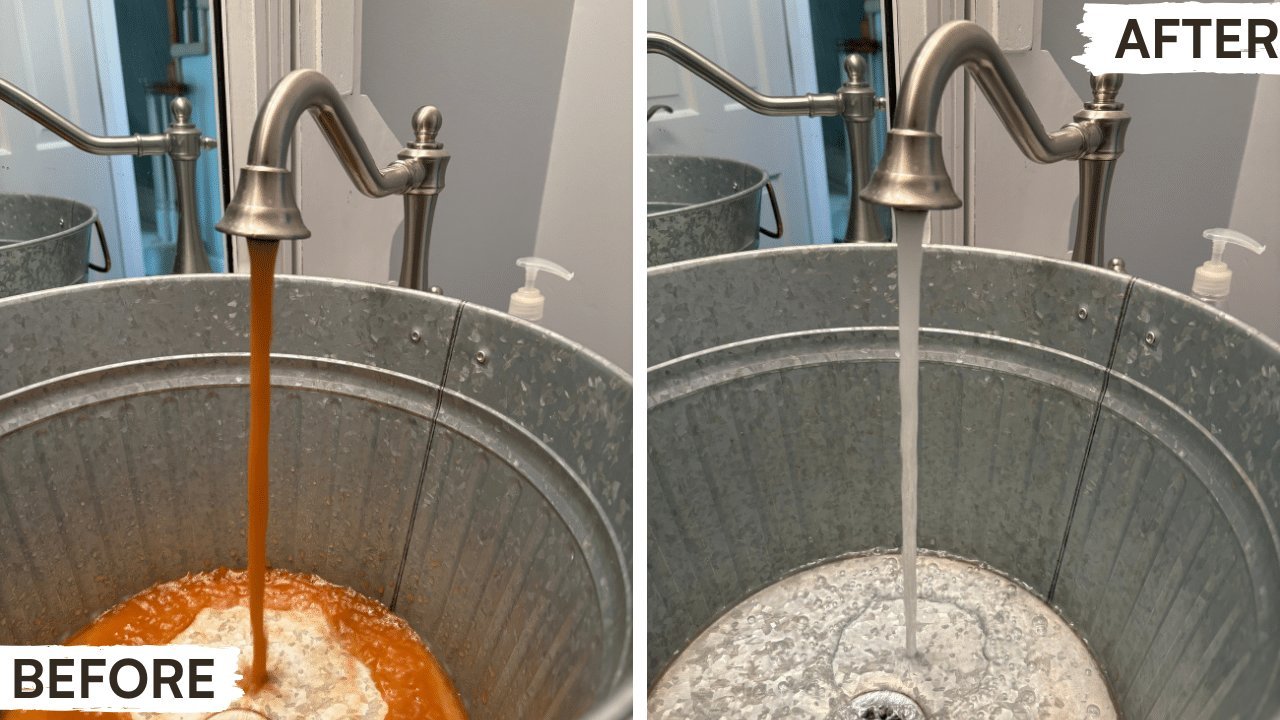
The most common reason your well water smells like sulfur is the presence of hydrogen sulfide gas, which often forms when sulfate-reducing bacteria interact with minerals in your plumbing or groundwater. This gas creates a distinct rotten egg smell that can appear in hot water, cold water, or both depending on the source of the contamination. If you notice this odor, you should first identify if it’s coming from the entire system or just one specific tap.
Why your well water smells like sulfur
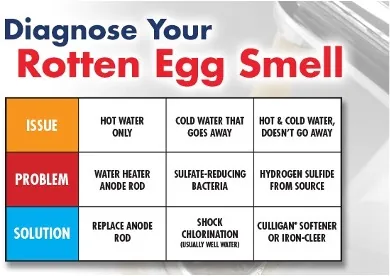
| Source of smell | Likely cause | Best way to check |
|---|---|---|
| Hot water only | Water heater anode | Flush the heater tank |
| Cold and hot water | Well or plumbing | Test water at the well |
| Only one sink | Drain buildup | Clean the sink drain |
| Whole house | Groundwater source | Consult a water pro |
If the smell is sulfurous and exclusively appears when you run hot water, the magnesium anode rod inside your tank is likely reacting with sulfate-reducing bacteria. Replace the rod with an aluminum-zinc version to stop the chemical reaction.
When the odor persists in cold water, fill a glass and walk away from the sink before sniffing. If the scent vanishes, the issue is trapped sewer gas in your drain pipe rather than the water supply itself.
Distinguishing between these sources saves you from expensive, unnecessary plumbing repairs. If the smell remains strong even after you step away from the basin, the contamination is deep within your pipes or the well system. In that case, contact your local water utility to confirm if they’re currently flushing nearby hydrants.
Water heater anode rod issues
The water heater is a common culprit because the magnesium anode rod inside the tank can react with sulfates to produce hydrogen sulfide gas. If the smell only appears when you run the hot water, the rod is likely the source of the chemical reaction. This happens because the anode is designed to corrode to protect the tank, but it sometimes creates a byproduct that feeds bacteria.
- You can replace a magnesium anode with an aluminum or zinc alloy rod to stop the reaction.
- Flushing the water heater with a chlorine bleach solution can temporarily kill the bacteria causing the smell.
- Increasing the water heater temperature to 140 degrees Fahrenheit for several hours can kill the bacteria inside the tank.
If you have a water softener, it might be the cause instead of the heater rod. If you notice the smell only after the water passes through the softener, the resin bed may be contaminated.
Well and plumbing system contamination
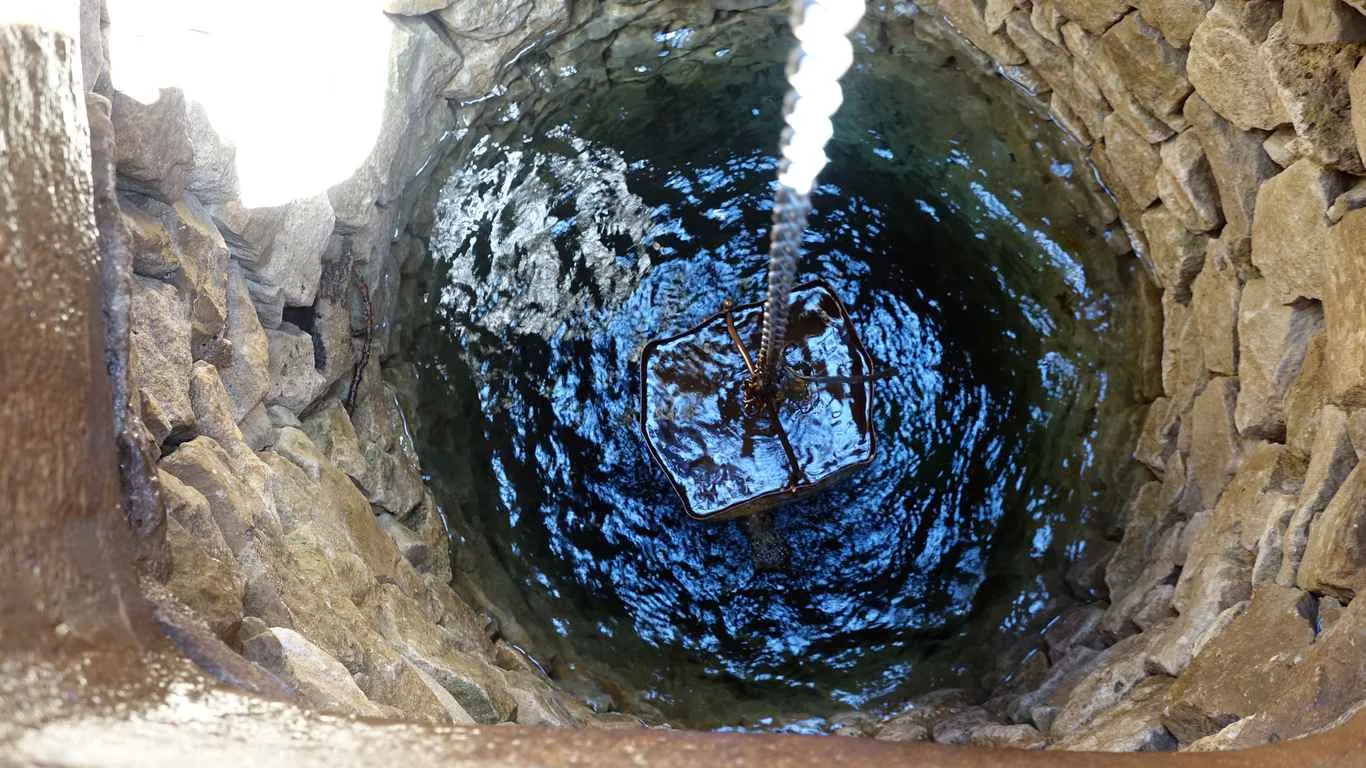
When the smell is present in both hot and cold water throughout the house, the hydrogen sulfide gas is likely entering your home directly from the well. This often occurs in areas where groundwater passes through shale or sandstone containing organic matter. The gas is dissolved in the water and is released into the air as soon as you open a faucet.
- Shock chlorination of the well can kill bacteria that produce sulfur gas, providing temporary relief.
- Installing an aeration system can force the gas out of the water before it enters your plumbing.
- Using an oxidizing filter system can remove sulfur compounds from the water supply at the point of entry.
This isn’t for homeowners who lack basic plumbing knowledge or those who don’t have the proper tools to safely access a well head. If the smell persists after a shock treatment, the contamination is likely deep within the aquifer. You should stop trying to treat the well yourself and contact a certified water treatment specialist to assess the deep-well conditions.
Sink drain and pipe buildup
Sometimes the odor isn’t in the water at all but is actually coming from the drain trap. Organic material like hair, soap, and food scraps can collect in the drain and rot, creating a sulfur smell that you notice only when water flows over it. If you run the water and the smell disappears after a few minutes, the issue is almost certainly in the drain pipe.
- Scrub the drain pipe with a stiff brush to remove stuck organic matter.
- Flush the drain with a mixture of baking soda and vinegar to clear debris.
- Check the P-trap under the sink to ensure it isn’t blocked or holding stagnant water.
If you clean the drain and the smell remains, the water itself is the source. Never pour harsh chemicals into a well or septic system, as this can damage the equipment and contaminate your local groundwater supply.
Other potential causes of water odor
- Sulfate-reducing bacteria: These organisms live in low-oxygen environments and produce hydrogen sulfide as a byproduct, requiring specialized water treatment systems to remove them permanently.
- Chemical reactions in pipes: If your home uses specific types of piping, some materials can react with water minerals to produce odors that mimic sulfur.
- Sewage contamination: If you notice a faint fecal smell along with sulfur, it could indicate a failing septic system or a cross-connection between your water and waste lines.
How to choose the right solution
You can decide which solution to pursue by testing your water at different points in your home. If the smell occurs only at one faucet, clean the drain first; if that fails, the problem is local to that fixture’s plumbing.
If the smell is at every cold water tap, the issue is the well or the main supply line, which requires a professional water treatment system. If the smell is only in the hot water, the water heater is the primary point of intervention. These solutions are generally independent, meaning you can address the water heater without needing to change your entire well system.
Related guides
Frequently asked questions
Is it safe to drink water that smells like sulfur?
While hydrogen sulfide is generally not toxic at the low levels found in well water, it’s highly unpleasant and can indicate bacterial contamination. You should avoid drinking the water until you have had it tested by a certified laboratory to ensure it doesn’t contain harmful pathogens or high levels of dissolved minerals.
How long does shock chlorination last?
Shock chlorination typically provides relief for a few weeks to several months, depending on the severity of the bacteria in your well. If the smell returns quickly, the bacteria are likely established in the aquifer or the plumbing system, and you’ll need a permanent treatment solution like an aeration or oxidation filter.
Does a water softener make the smell worse?
A water softener can make the smell worse if the resin bed becomes a breeding ground for sulfate-reducing bacteria. If your water only smells after passing through the softener, you should disinfect the resin bed or consider installing a pre-treatment system to remove sulfur before the water reaches the softener.
Can I fix this by just letting the water run?
Running the water for 5 to 10 minutes can sometimes clear out gas that has built up in the pipes overnight. If the smell goes away after running the tap, it suggests the gas is pooling in your home’s internal plumbing rather than coming from the well itself.
What happens if I ignore the sulfur smell?
Ignoring the smell can lead to the corrosion of your metal plumbing fixtures, as hydrogen sulfide is acidic and can damage copper and iron pipes. Over time, this corrosion may lead to pinhole leaks or the degradation of your water heater tank, which becomes much more expensive to replace than to treat.
Is sulfur in water a sign of a bad well?
A sulfur smell doesn’t necessarily mean your well is bad, but it does mean the water quality is affected by local geological conditions. Many wells in areas with high mineral content naturally produce this gas, and it’s a common issue that homeowners manage with standard filtration equipment.
Conclusion
Start by testing your water at the source to see if the smell is present before it reaches your home’s internal plumbing. You should expect the odor to disappear or significantly decrease once you address the specific component identified in the diagnostic steps. If you notice a change in water color or pressure alongside the smell, stop all DIY attempts and contact a licensed well pump professional immediately.