

The smell comes from bacteria and yeast that live on your dog’s paws and skin. A dog smells like corn chips when harmless microbes called Proteus and Pseudomonas break down oils and sweat between the toes and on the skin. Most of the time it’s normal and not a sign of illness.
Why your dog smells like corn chips

Proteus and Pseudomonas bacteria and yeast
Your dog’s skin carries bacteria all the time. The corn chip scent usually comes from Proteus or Pseudomonas bacteria on the paws, along with natural yeast. These microbes feed on skin oils and sweat, and they give off the scent people notice. The smell is often strongest after your dog has been sleeping or resting, when moisture collects between the toes.
Sweat from the paw pads
Dogs sweat through their paw pads. That moisture mixes with skin oils and the bacteria already there. Warm, damp conditions let the microbes grow faster, which is why the scent can get stronger in summer or after a walk on a hot day.
Normal versus a problem
A mild corn chip smell with no other signs is usually harmless. It becomes worth checking when the smell is strong, sudden, or comes with redness, swelling, or your dog licking one spot constantly. Those signs can mean a yeast overgrowth or a minor skin infection rather than ordinary skin bacteria.
Symptom-to-cause guide
| What you notice | Most likely cause | What to do next |
|---|---|---|
| Mild corn chip smell, paws look normal | Ordinary skin bacteria | No action needed |
| Strong smell plus redness between toes | Possible yeast overgrowth | Check with your vet |
| Smell in one ear with head shaking | Possible ear infection | Call your vet |
| Greasy coat and strong body smell | Possible skin condition | Book a vet visit |
| Smell started after a new food or treat | Possible food reaction | Ask your vet about diet |
If your dog smells like corn chips, check the skin between the toes. If the skin is pink or inflamed, you’re dealing with a yeast overgrowth rather than normal bacteria. Yeast thrives in moisture, so don’t bathe your dog more than once a week. Frequent washing strips natural oils and forces the skin to overproduce, which only feeds the yeast.
When you notice a smell in one ear, look for discharge. If the inside of the ear flap looks like coffee grounds, it’s likely mites. If it’s yellow or green pus, it’s a bacterial infection. Never insert a cotton swab into the ear canal, as you risk pushing debris against the eardrum.
If the smell is accompanied by hair loss or scabs, don’t wait for a routine checkup. These signs point to a secondary infection that won’t resolve on its own. If your dog is scratching constantly, put a cone on them immediately. The damage from scratching often costs more to treat than the underlying skin condition itself.
Safe checks you can do at home
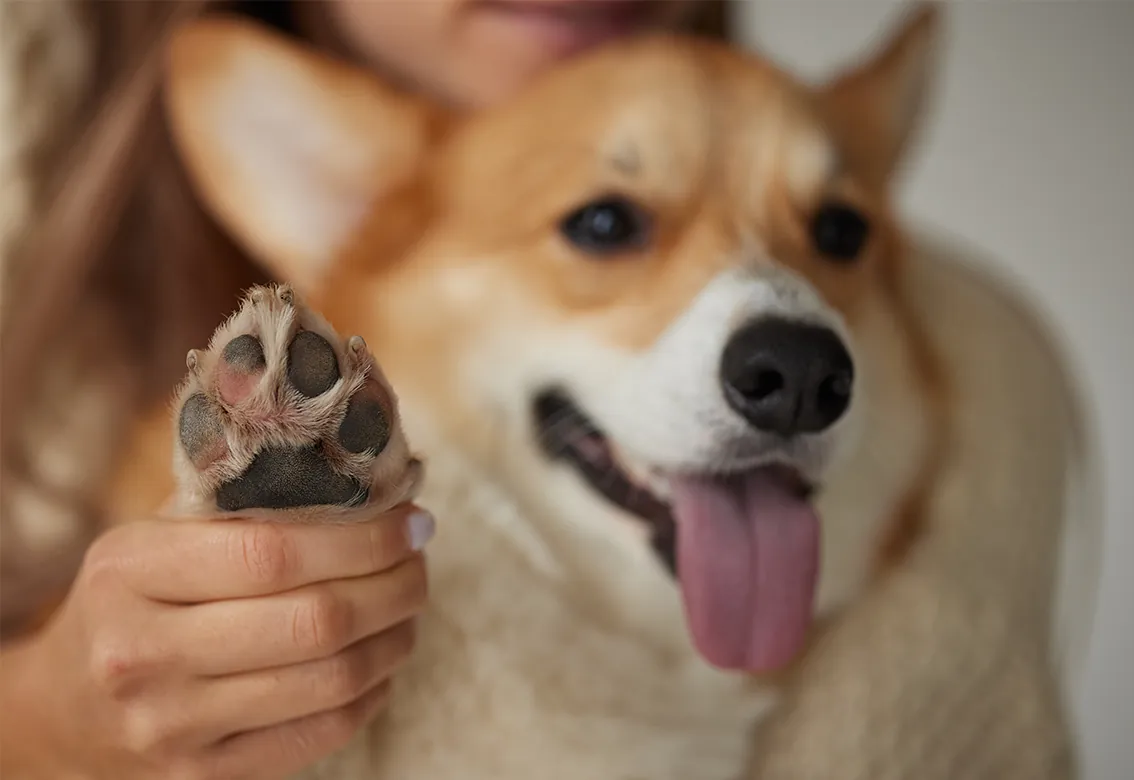
Look at your dog’s paws and skin once a week. Part the fur between the toes and check for redness, swelling, cracks, or discharge. Smell each paw separately; if only one smells like corn chips or yeast, that specific spot likely harbors a fungal infection.
Check the ears for dark, coffee-ground wax or a pungent odor. Watch whether your dog licks or chews one paw obsessively. If the behavior is localized to a single foot, suspect a thorn, splinter, or insect bite rather than a systemic allergy.
Most owners make the mistake of only checking the pads. You must lift the webbing between the toes, as this is where moisture traps bacteria. If the skin is pink and dry, your dog is fine. If the skin is moist, inflamed, or stained brown, start a daily cleaning routine with a mild antiseptic wipe.
None of these checks hurt your dog, and none require tools. If you find a foreign object, use blunt-nosed tweezers to remove it, but never dig deeper than the surface.
When to get help
Make a vet appointment if the smell is strong and doesn’t fade after a gentle wipe with a damp cloth, or if you see redness, swelling, hair loss, or your dog seems itchy. A vet can take a skin sample to tell whether the cause is bacteria, yeast, or something else.
Watch for the “three-day rule.” If you have attempted home cleaning and the odor persists or intensifies beyond 72 hours, the issue is likely systemic or deep-seated rather than surface-level. At this point, home remedies will only delay necessary treatment and allow the infection to spread.
Never apply human creams, antiseptics, or essential oils to your dog’s skin without asking a vet first. Many common products, including tea tree oil or zinc oxide, are toxic to dogs if ingested during grooming. If your dog is currently lethargic or refusing food alongside the skin issues, skip the home care entirely. These symptoms indicate a secondary infection or allergic reaction that requires immediate professional intervention rather than observation.
How to manage the smell

Wipe your dog’s paws with a damp cloth after walks, especially in warm or damp weather. Dry between the toes thoroughly, since moisture feeds the microbes behind the scent. Regular grooming and brushing help keep the coat and skin clean. Bathing too often can strip natural oils and make skin problems worse, so bathe only when your vet or groomer recommends it.
If your dog smells like corn chips, you’re likely dealing with a yeast overgrowth. In this case, standard shampoo won’t help. You must switch to an antifungal wash and let it sit on the skin for at least ten minutes before rinsing.
Most owners make the mistake of bathing their dog every week to combat odor. This dries out the skin, causing the dog to produce more oil, which actually traps more bacteria. If the smell persists despite these steps, check the ears. A heavy, yeasty odor often originates deep in the ear canal rather than on the coat.
Related guides
Frequently asked questions
Is a corn chip smell on my dog normal?
Yes. A mild corn chip smell from the paws is usually just normal skin bacteria and isn’t a sign of illness.
Can I wash my dog’s paw to get rid of it?
You can wipe the paws with a damp cloth and dry between the toes. Don’t use human soap or antiseptic unless your vet says it’s safe.
Should I worry if only one paw smells?
Yes, check it. A strong smell in just one paw can mean a small cut, a stuck grass seed, or a local infection worth a vet visit.
Does the food I give my dog change the smell?
Sometimes. Diet can affect skin health and odor, but a sudden strong smell is more often tied to skin or ears than to food alone.
How long does the smell last?
The mild scent comes and goes day to day. A strong smell that stays for more than a few days needs a vet check.
Is it safe to use corn chip-scented wipes on my dog?
No. Scented wipes can irritate your dog’s skin and mask a real problem. Use plain water or a product your vet recommends.
What does it mean if my dog’s ears smell too?
An ear smell with head shaking or scratching often means an ear infection. That needs a vet, not home treatment.
What to do next
Start by checking your dog’s paws and ears once a week and wiping the paws after walks. Expect the mild corn chip scent to fade with regular cleaning and dry paws.
If the smell is strong, comes with redness or itching, or doesn’t improve after a week of gentle wiping, call your veterinarian. A persistent, yeasty odor often signals a fungal infection trapped between the toes. If the skin feels greasy to the touch or your dog licks the area incessantly, you’re likely dealing with an overgrowth of Malassezia yeast rather than simple trapped dirt.
Most owners make the mistake of using standard human shampoo, which disrupts the natural pH balance of canine skin and can actually accelerate fungal growth. Instead, use a veterinary-approved chlorhexidine wipe or a medicated antifungal wash. If you see dark brown crusting or hair loss near the nail beds, schedule an appointment immediately. These symptoms suggest a deep-seated infection that requires oral medication.